Filtering by Location: Colonia Agrippina in monuments gave 14 results.
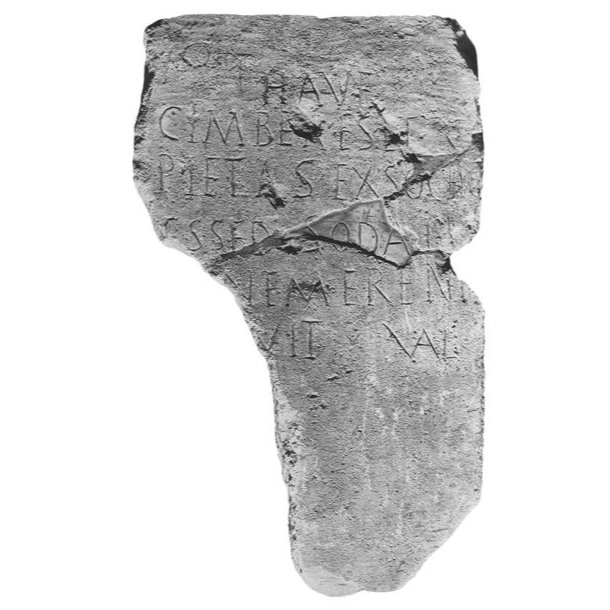
This monument with an inscription by two individuals was found in the first mithraeum of Cologne, Germany.

Fragmentary inscription possibly connected to Sol or Mithras, though attribution remains uncertain.
Simple inscribed altar dedicated to the invincible deity from Cologne.
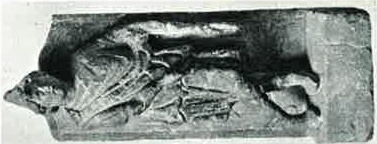
Limestone relief of the torchbearer Cautopates standing cross-legged in Oriental dress.
Limestone base with remains of a torchbearer and an inscription to Mithras by Lucius Pervincius Sequens.
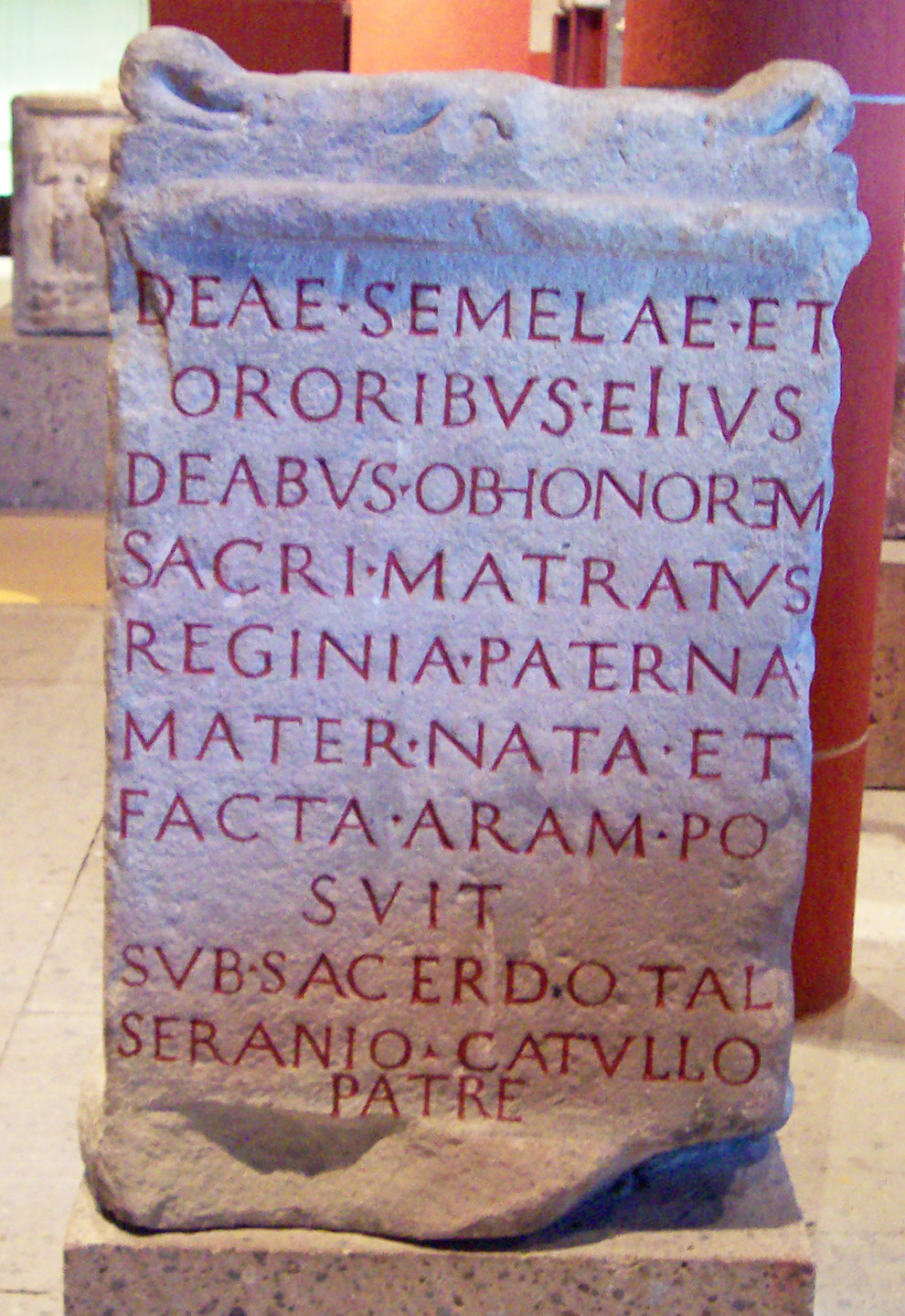
This sandstone altar found in Cologne bears an inscription to the goddess Semele and her sisters.
This marble head of Mithras was found in the Luxemburgerstrasze in Cologne, Germany.
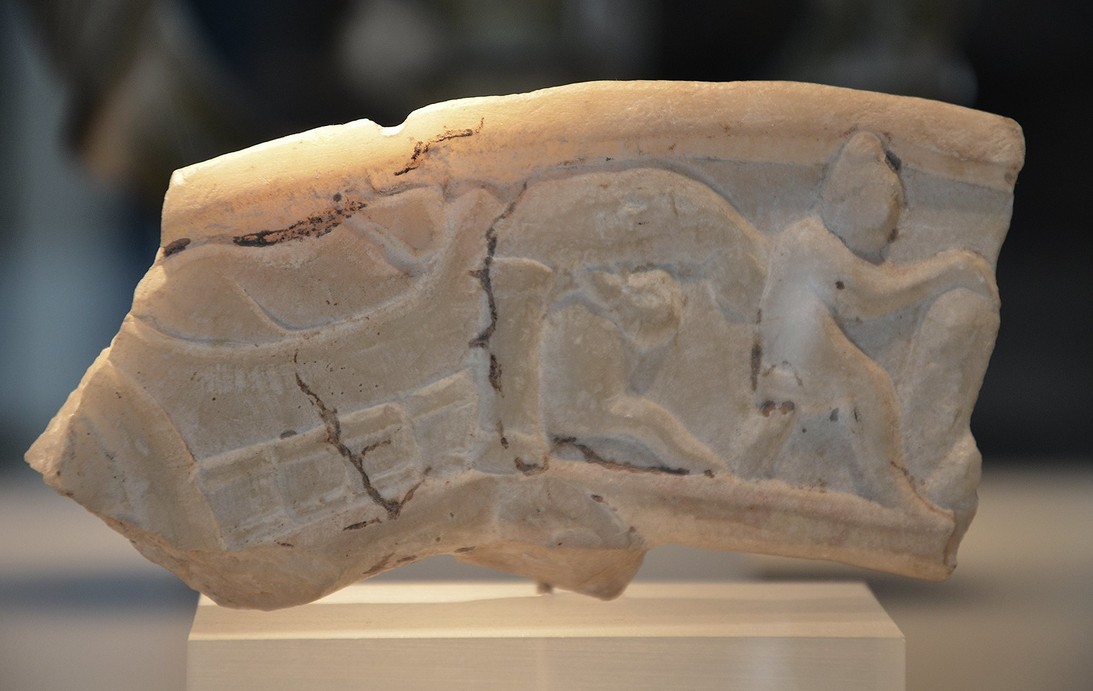
Fragment of an alabaster relief from Cologne with part of a tauroctony scene. Only the tip of Mithras’ Phrygian cap and small narrative details above are preserved.
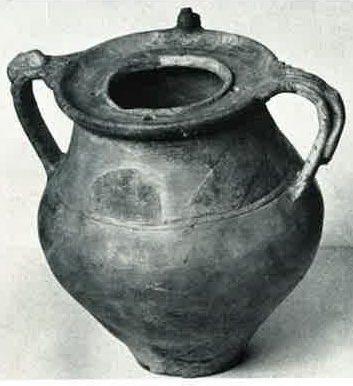
Sepulchral limestone inscription from the vicinity of the Mithraeum at Colonia Agrippina (Germania Inferior), mentioning the Mithraic grade Corax.
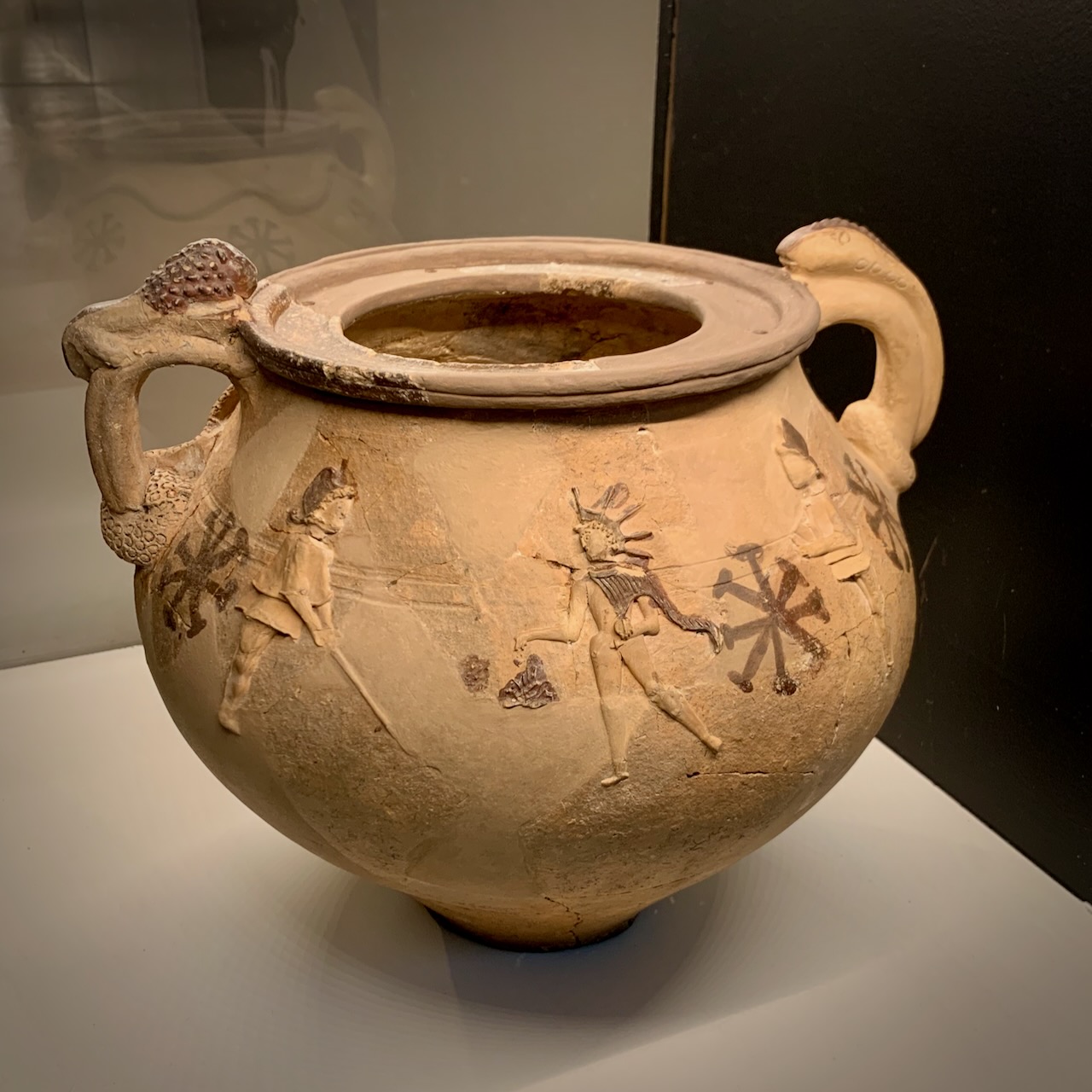
The Mithraic vase from Colonia Claudia Ara Agrippinensium in Germany includes Sol-Mithras between Cautes and Cautopates, as well as a serpent, a lion and seven stars.
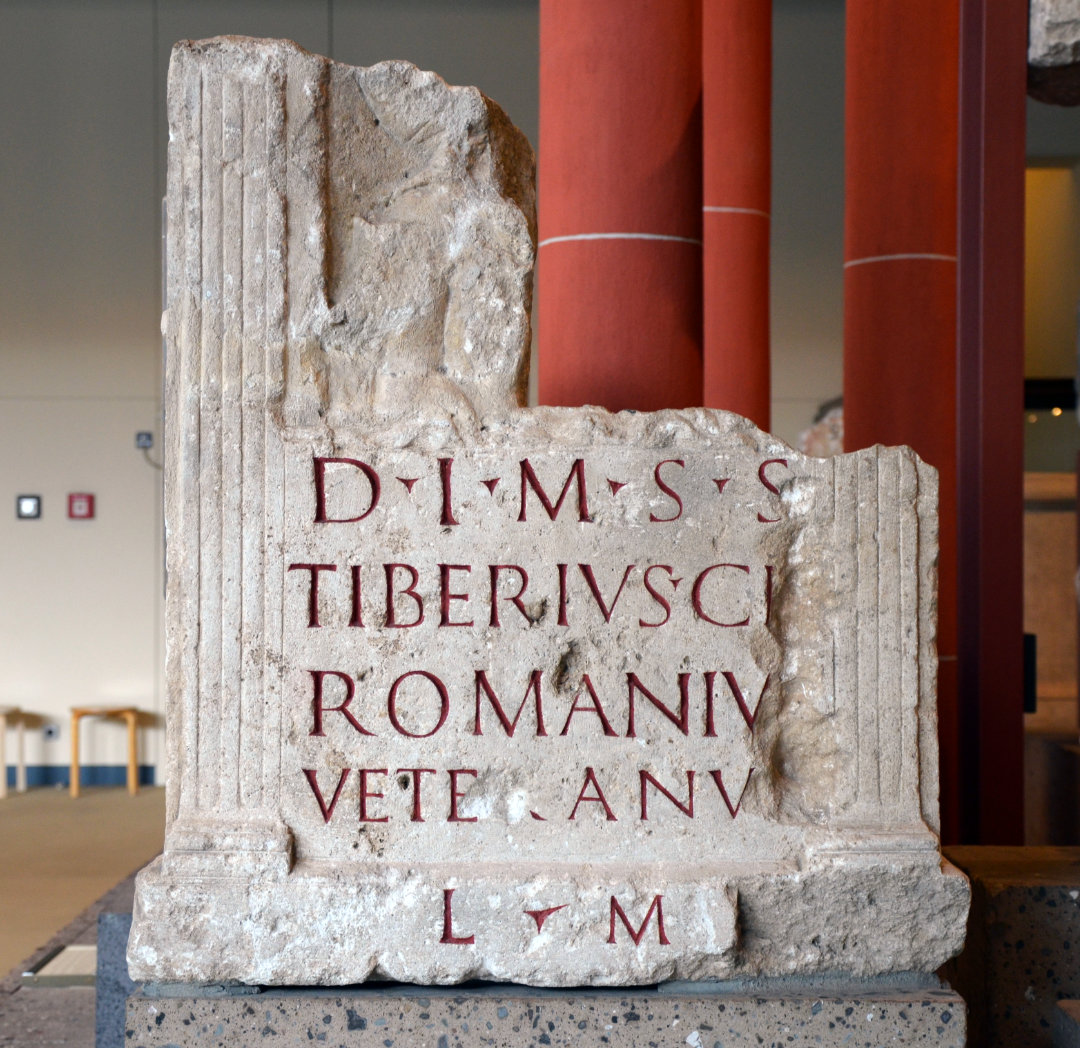
Votive inscription dedicated to Mithras by the veteran soldier Tiberius Claudius Romanius, from the Mithraeum II Köln, 3rd century.

A second Mithraeum was found in Cologne described by R. L. Grodon as of ’small importance’.
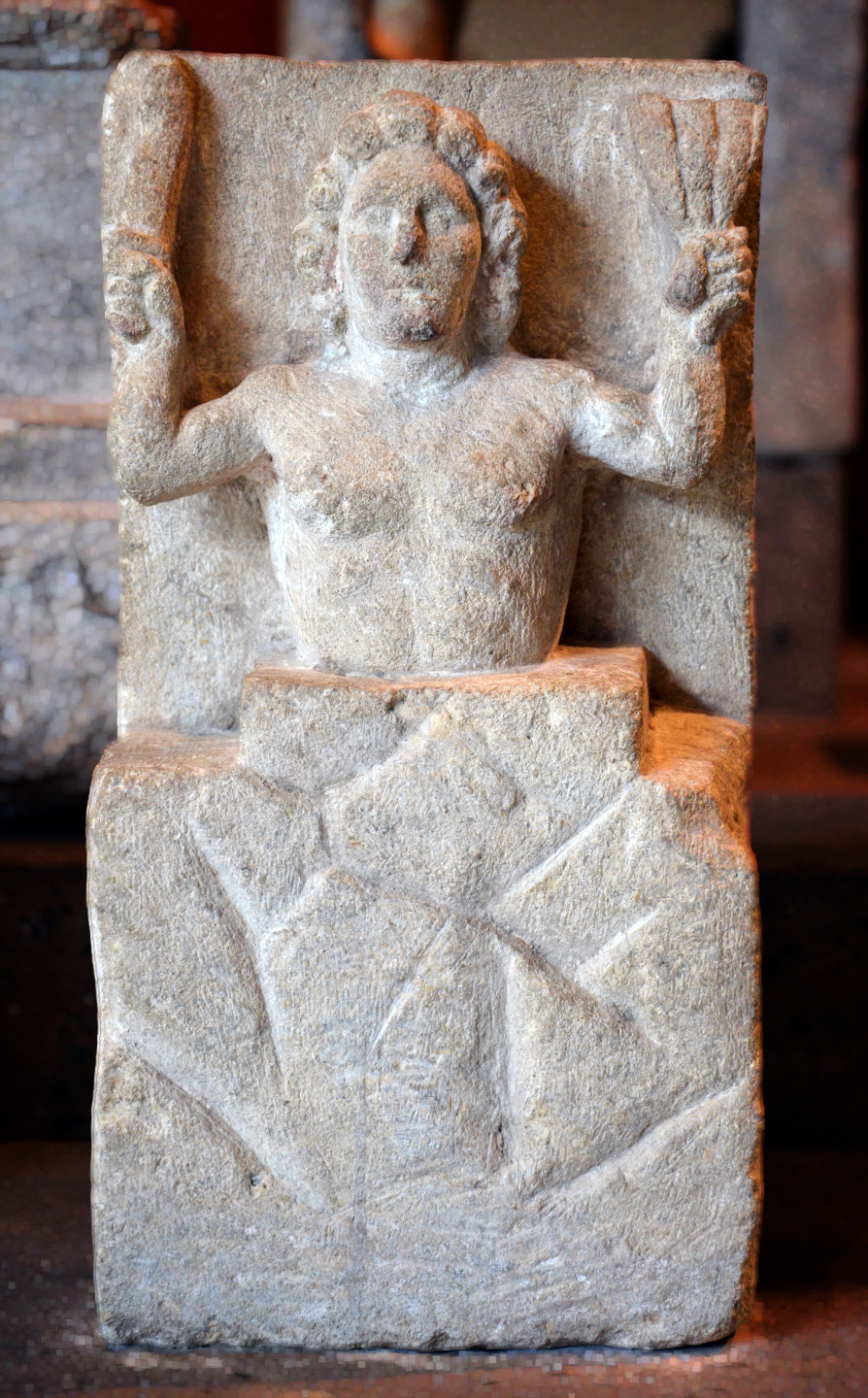
In this relief of the rock birth of Mithras, the child sun god holds a bundle of wheat in his left hand instead of the usual torch.
The Mithraeum I of Cologne is situated amid a block of buildings. It was impossible to narrowly determine its construction and lay-out.
