
Second terracotta tablet found at Calvi depicting Mithras killing the bull, now at Berlin, Antiquarium.

Relief possibly depicting Mithras-Men holding a torch and a a bust of Luna on a crescent.

Fragment of a white statue depicting a naked god entwined by a serpent with its head on his chest, found in the River Tiber.
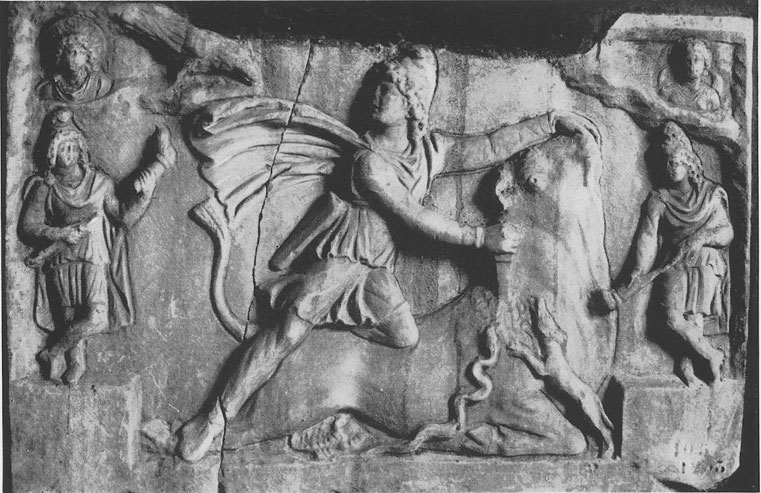
White marble relief depicting Mithras killing the bull, found broken in two parts in 1872 near Salita delle Tre Pile in Rome.
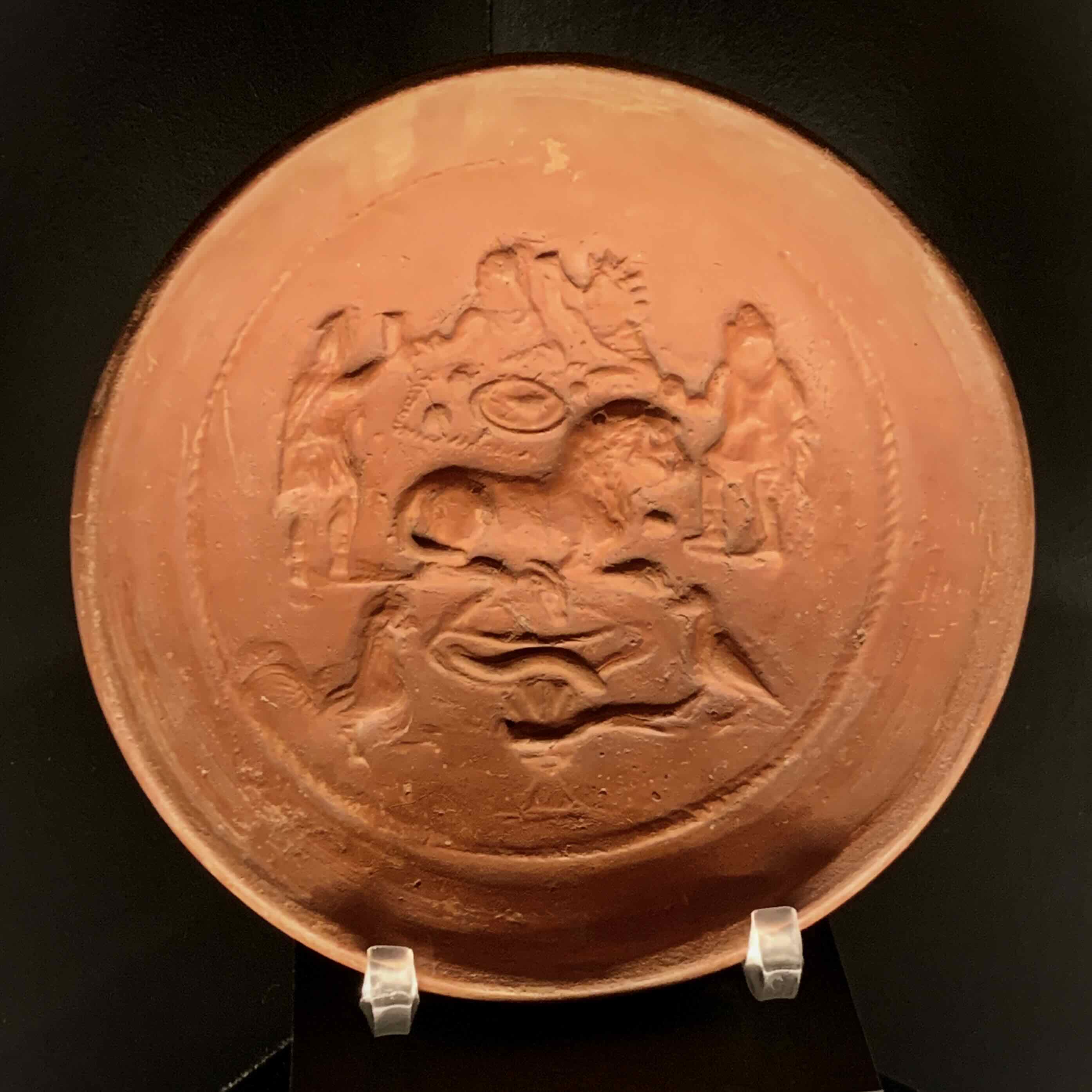
This terra sigillata was found in 1926 in a grave on the Roman cemetery of St. Matthias, Trier. An eyelet indicates that it could have been hung on a wall.

The existence of a mithraeum in the "tana del lupo", a natural cave in the castle of Angera, has been assumed since the 19th century, following the discovery of two mithraic inscriptions in the town.
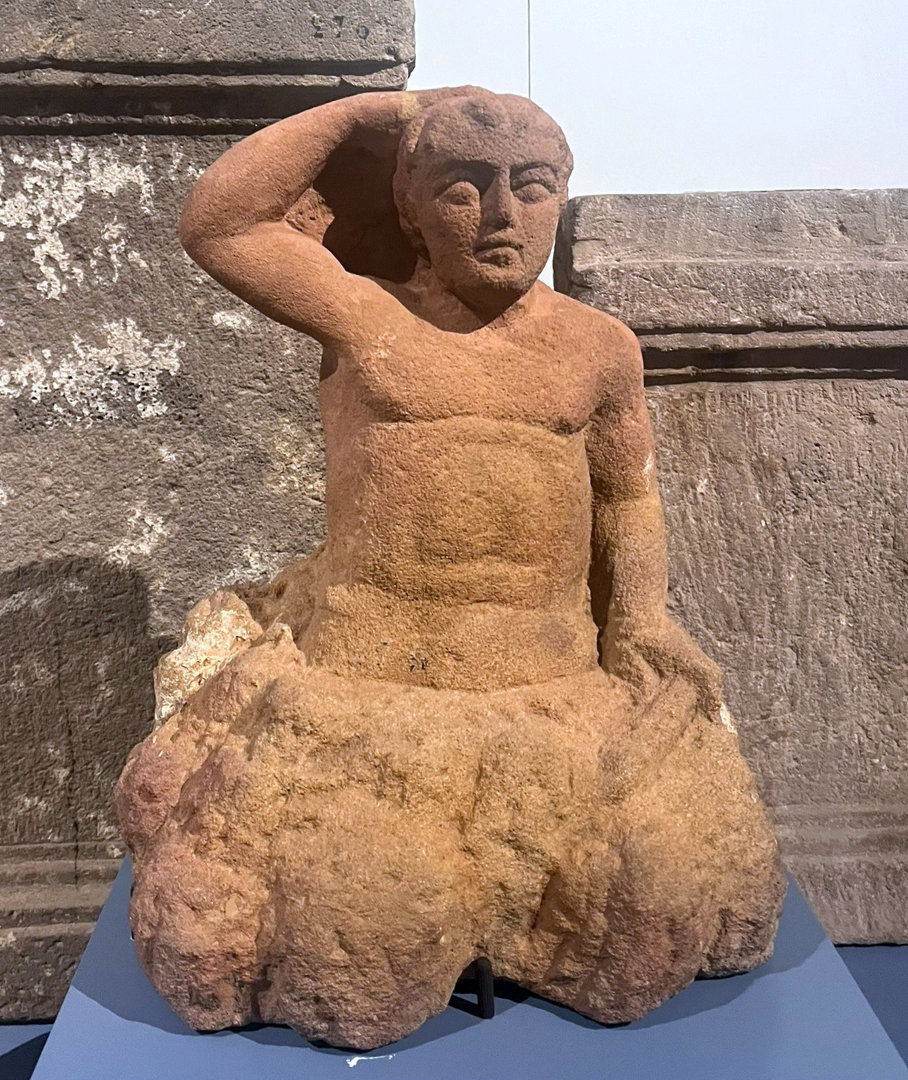
This sculpture of Mithras being born from a rock is unique in the position of the hands, one on his head, the other on the rock.
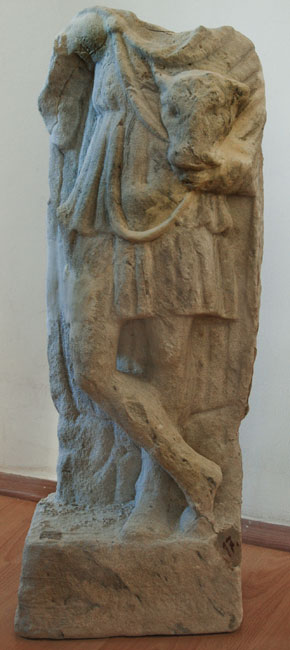
This sculpture of Cautes holding a bull’s head was found in 1882 in Sarmizegetusa, Romania.

This fragment of a sculpture depicting the birth of Mithras from a rock, intertwined with a chaotic mass of serpent coils, was discovered in Aquileia, Italy.

This very fine relief of Mithras killing the bull was discovered in 2014 in Germán, near Sofia, Bulgaria, and is now housed in the Sofia History Museum.

This unusual bronze bust of Sabazios features multiple symbolic elements, with Mithras depicted in his characteristic pose of slaying the bull, positioned just below Sabazios’ chest.

The Mithraeum of Visentium, near Capodimonte in Viterbo, was carved grotto-style into a tuff cliff overlooking the waters of Lake Bolsena, just a few dozen metres away.
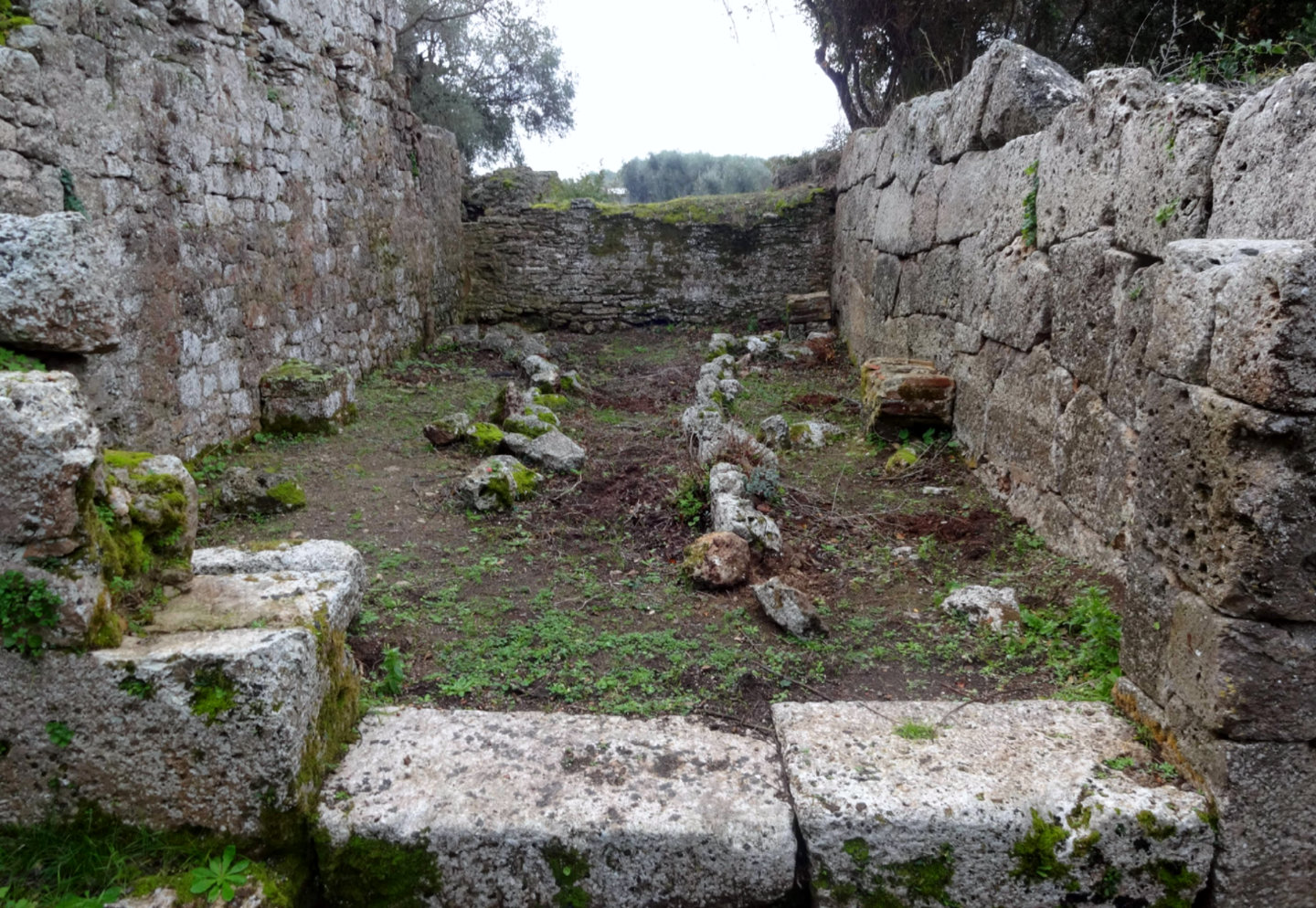
The Mithraeum was inserted into the basement of the basilica-theater by the 3rd century.

"The remaining figure on this monument, Herakles, was previously misidentified as Apollo on this remarkable black basalt tablet from Samsat, known in Roman times as Samosata.
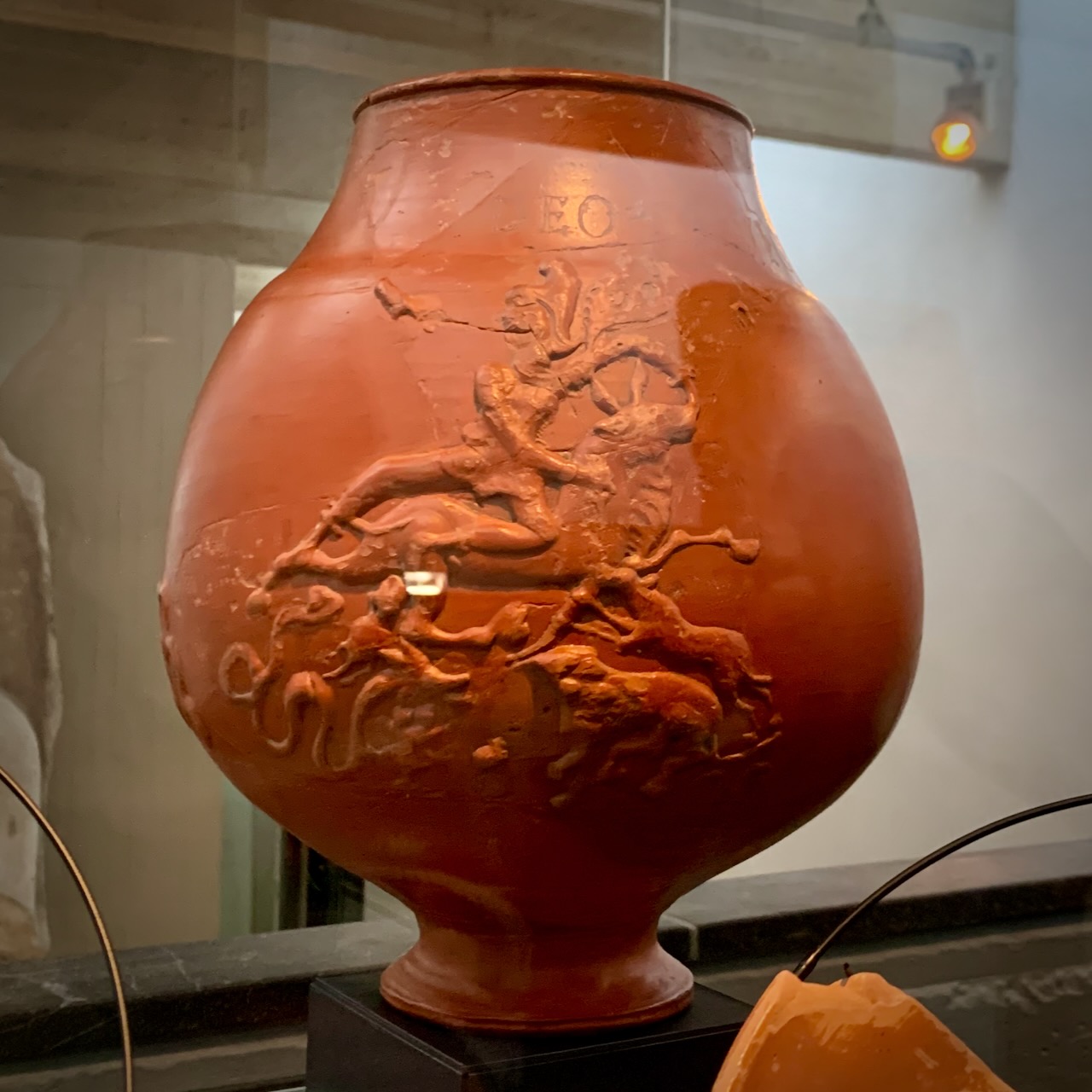
The Mühltal Mithraic crater was discovered among the artefacts of a mithraeum found in Pfaffenhoffen am Inn, Bavaria.
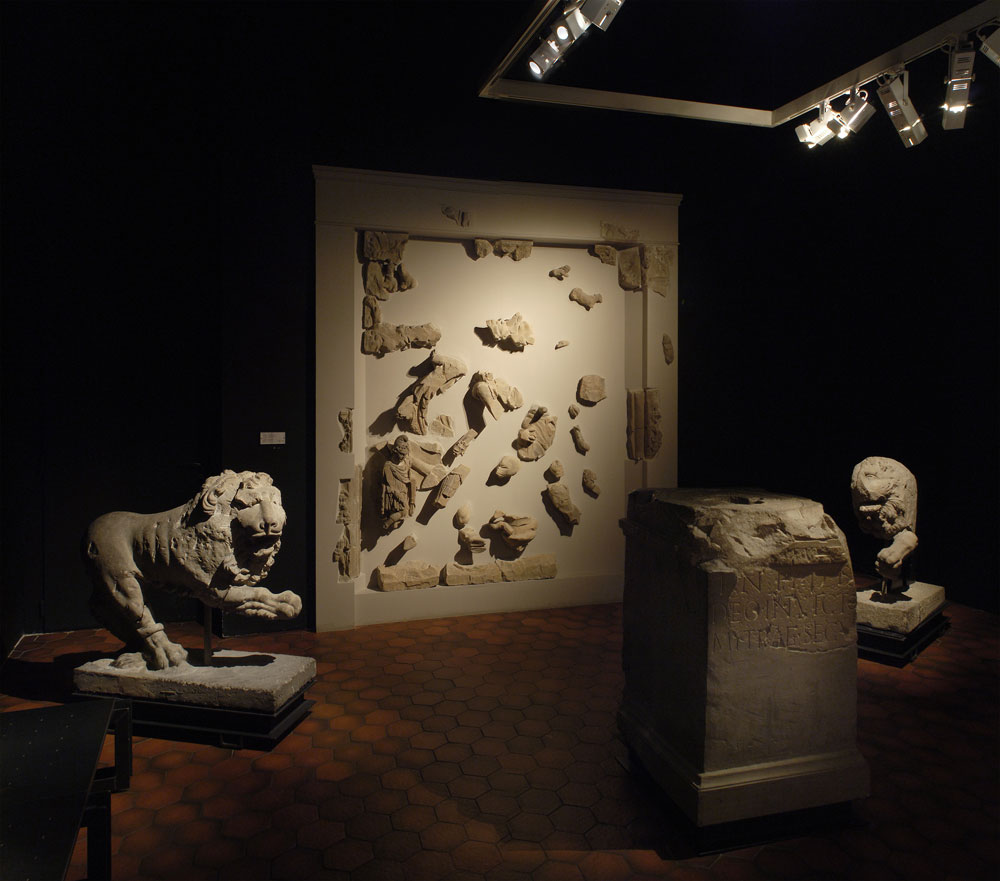
These fragments of a monumental relief of Mithras killing the bull from Koenigshoffen were reassembled and are now on display at the Musée Archéologique de Strasbourg.
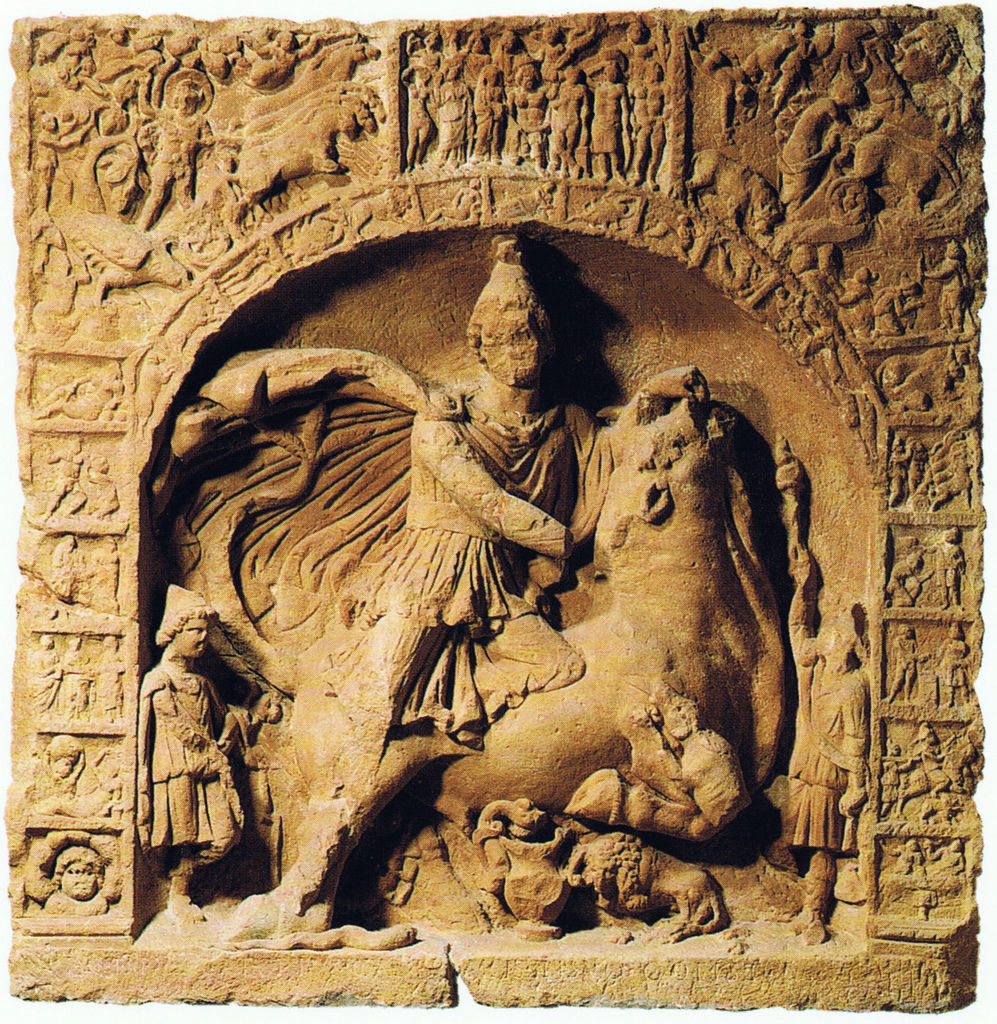
Franz Cumont considers the bas relief of Osterburken ’the most remarkable of all the monuments of the cult of Mithras found up to now’.

This relief of Mithras killing the bull includes various singular features specific to the Danubian area.

This remarkable marble statue of Mithras killing the bull from Apulum includes a unique dedication by its donor, featuring the rare term signum, seldom found in Mithraic contexts.

