Your selection in monuments gave 431 results.
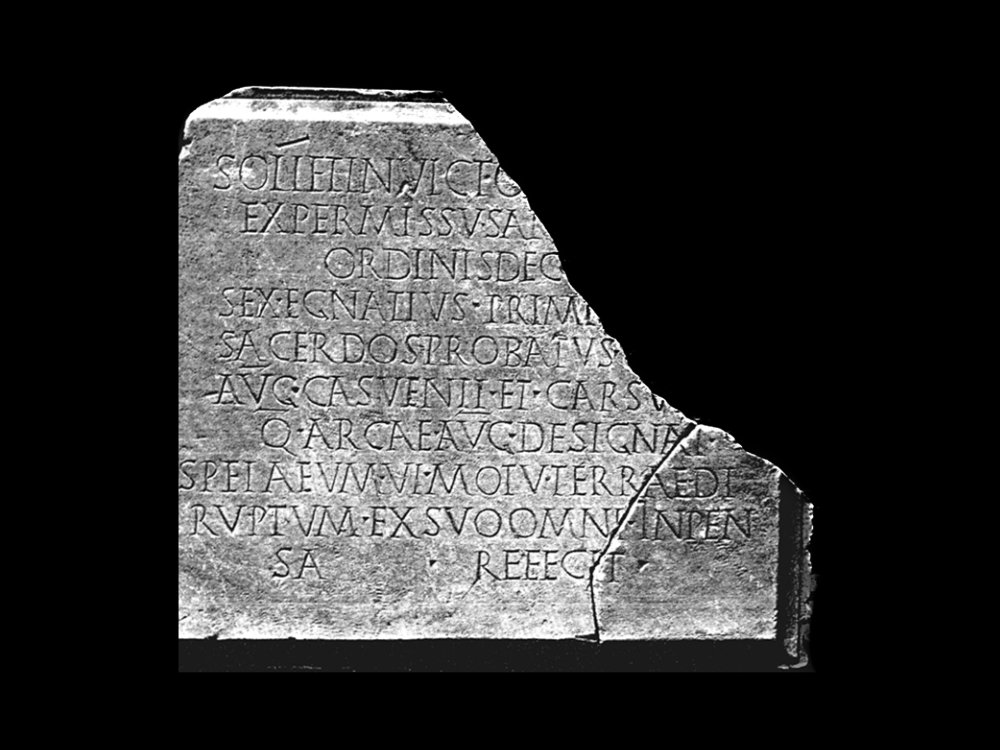
Marble plaque with inscription of a sacerdos probatus to Sol and the god Invictus Mithras.

This lost monument bears an inscription to Cautes by a certain Tiberius Claudius Artemidorus.
Second Mithraic monument dedicated by the Kastos family, found not far from the Arco di S. Lazzaro, in Rome.
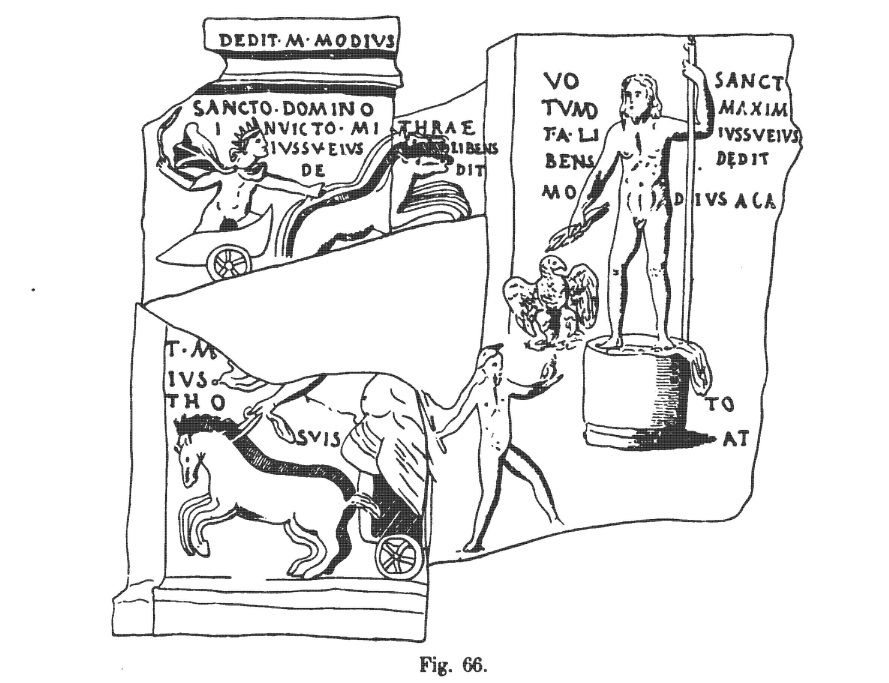
These three fragments of carved marble depict Jupiter, Sol, Luna and a naked man wearing a Phrygian cap, with inscriptions calling Mithras Sanctus Dominum.
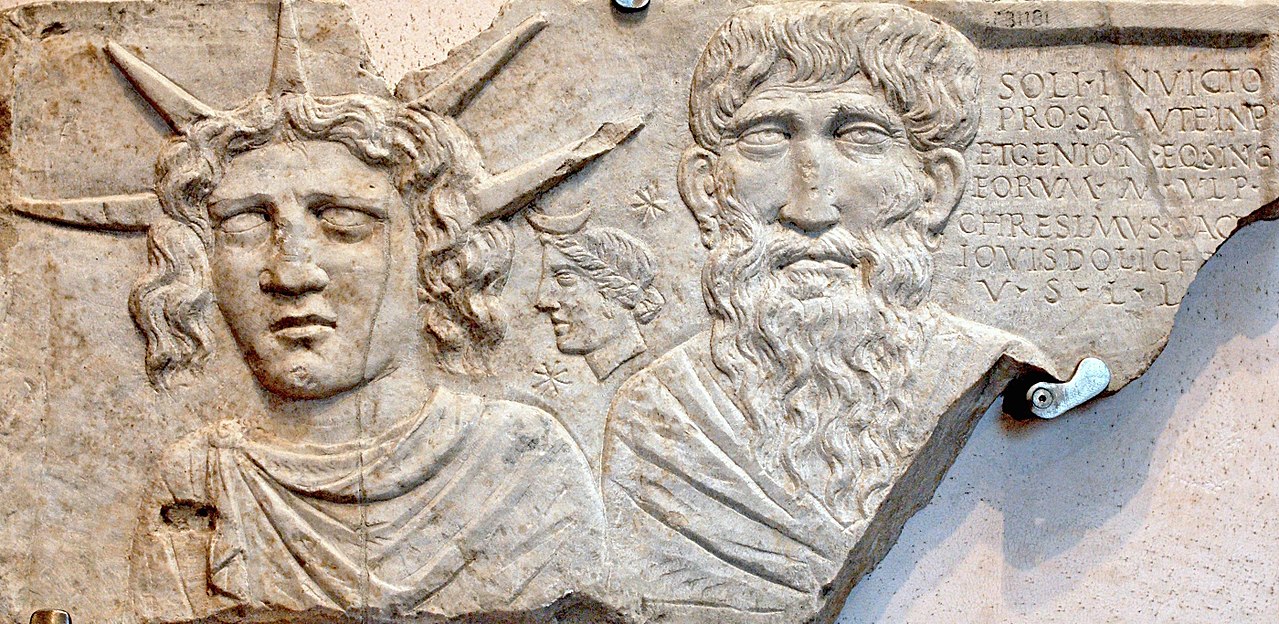
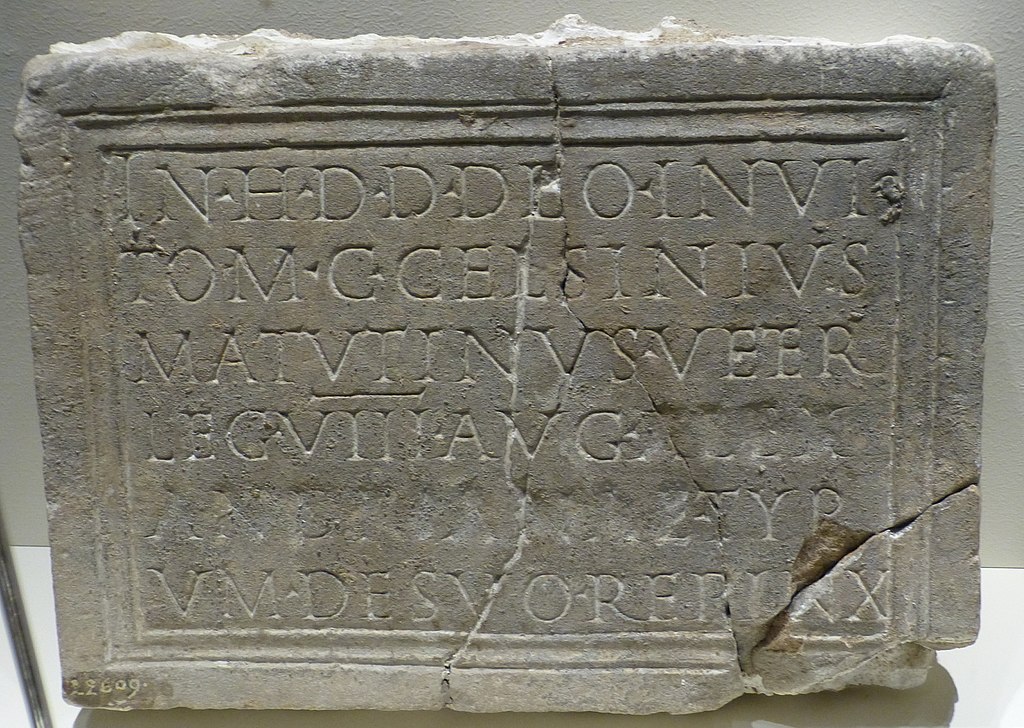
The inscription reports the restoration of the coloured painting of the main relief of the Mithraeum by a veteran of the Legio VIII Augusta.
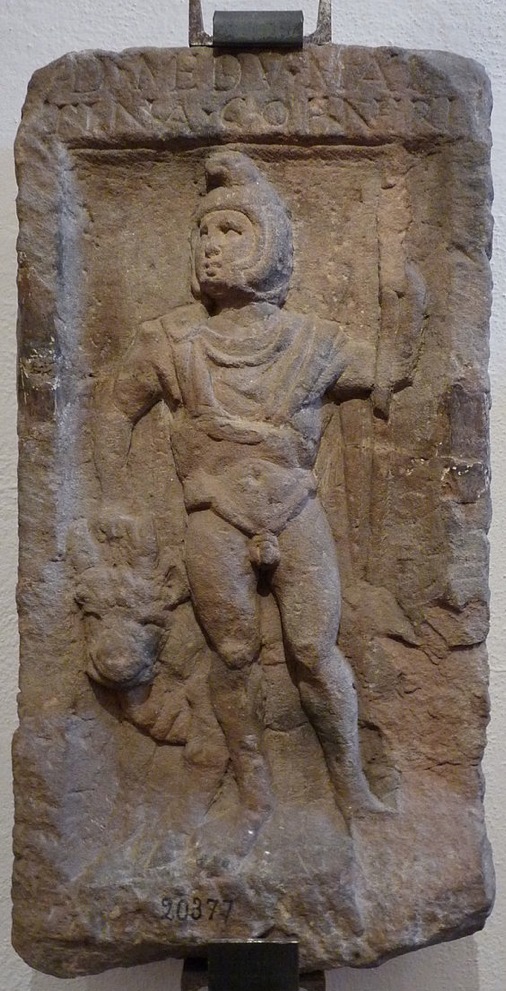
The relief of naked Roman soldier, wearing a mantle and a Phrygian cap, has been related to the Mithras' cult.
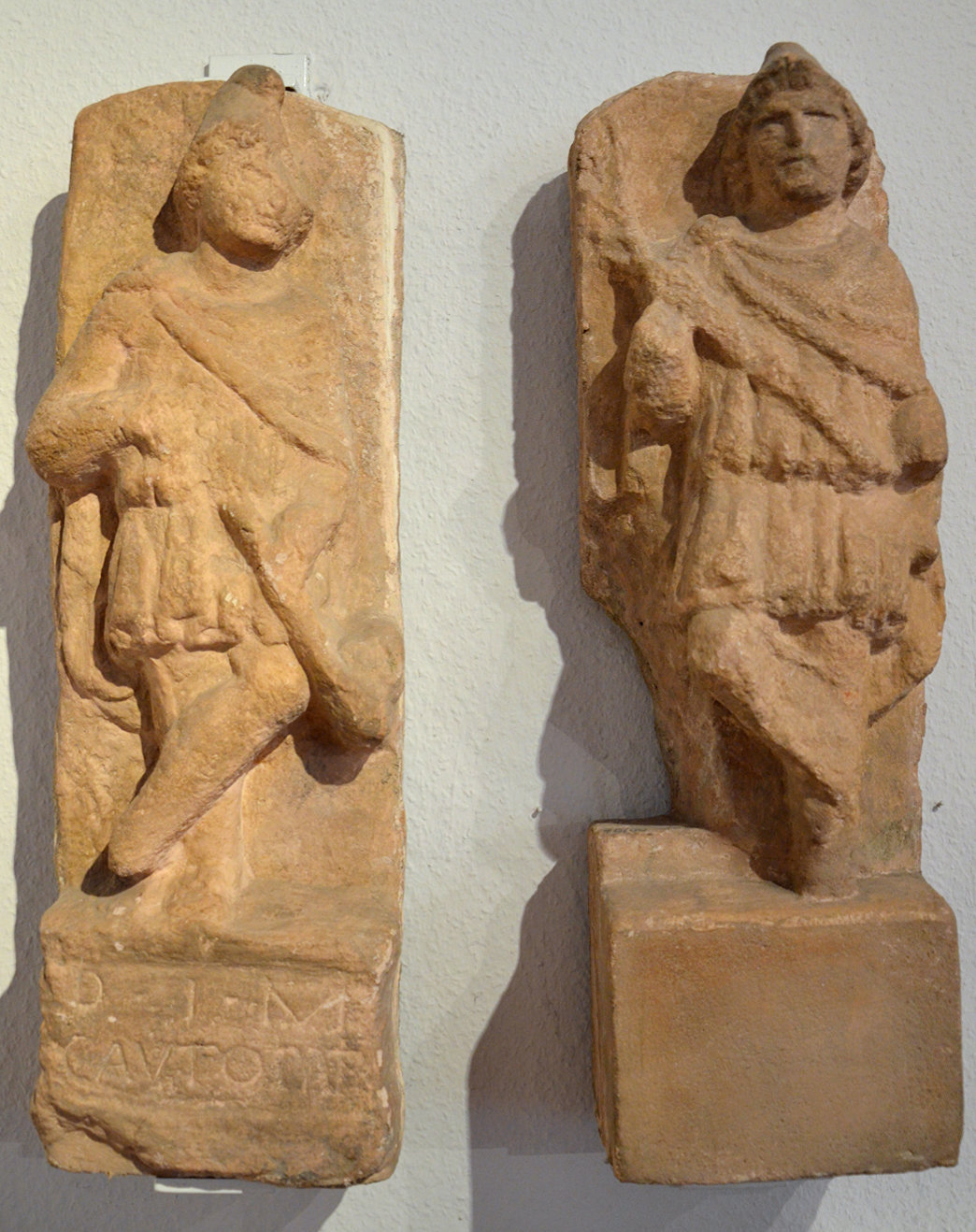
These two reliefs of Cautes and Cautopates where found in the south corner of one of the Mithraea of Friedberg, Hesse.
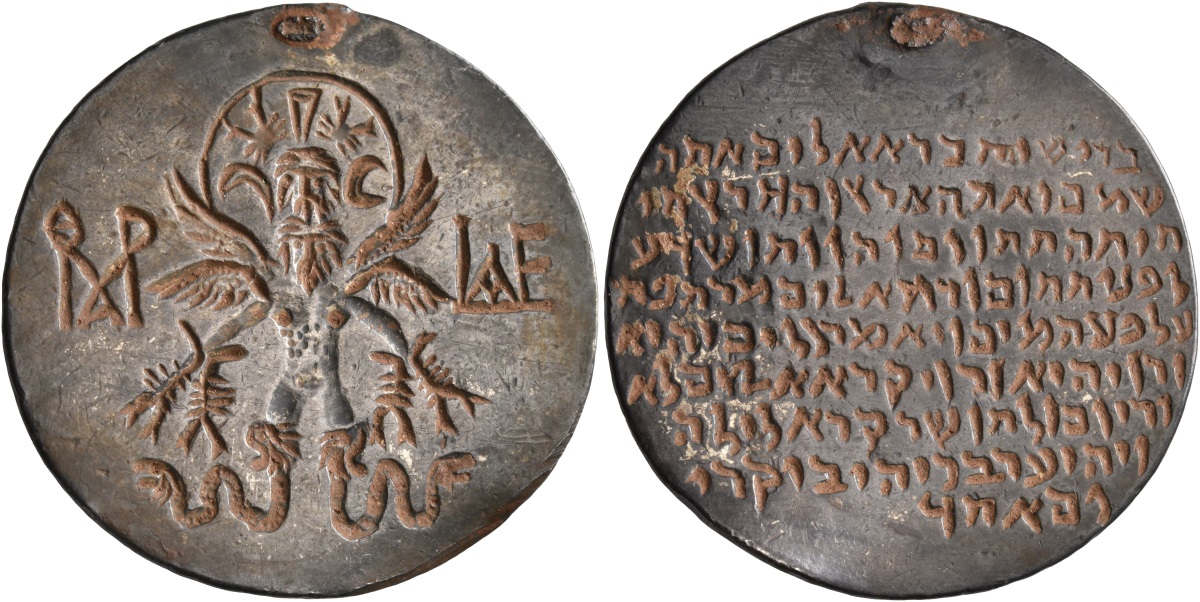
This silver amulet depicts Abraxas on one side and the first verses of the Book of Genesis in Hebrew on the other.
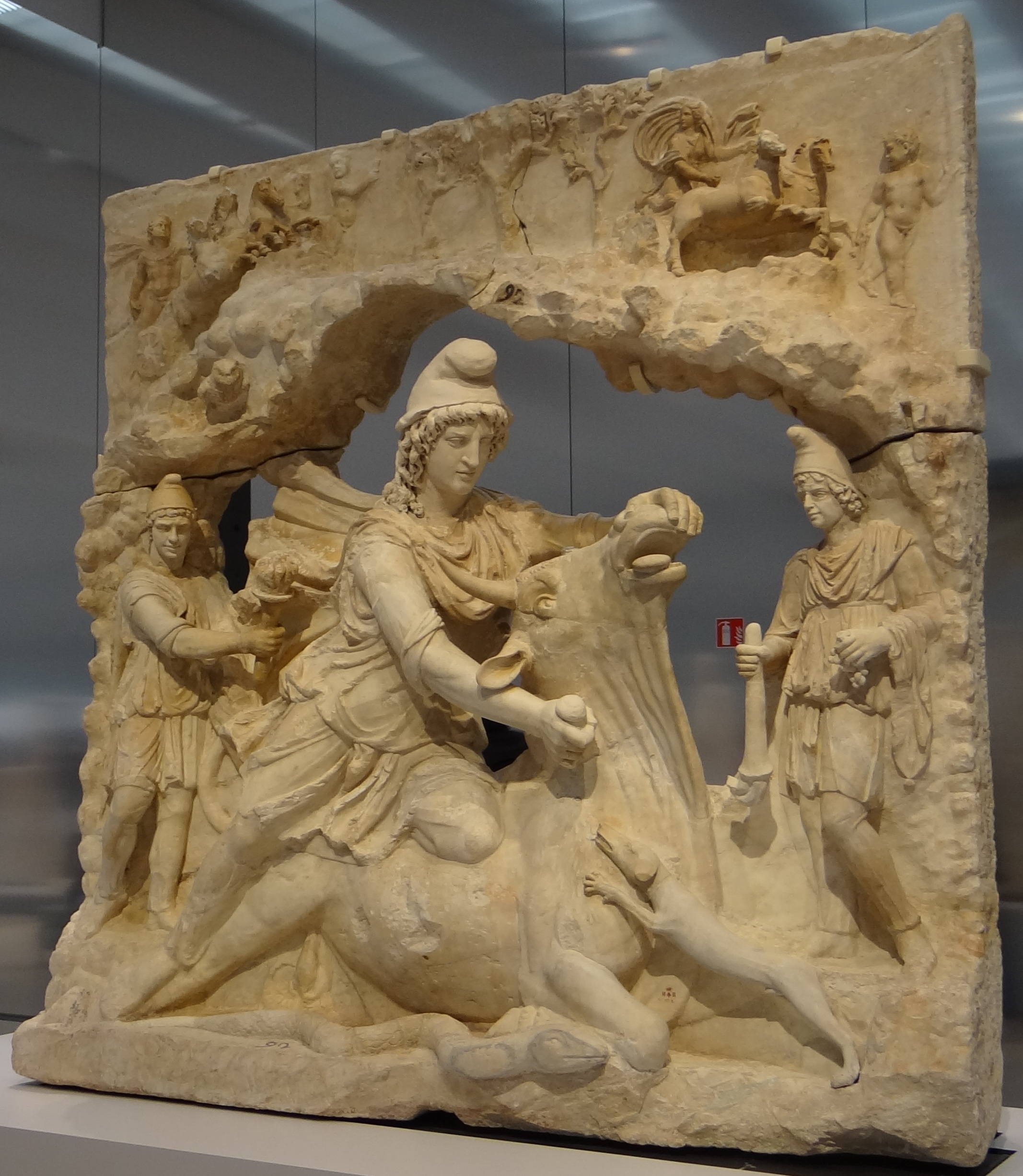
This relief of Mithras slaying the bull was erected in Piazza del Campidoglio, moved to Villa Borghese and is now in the Louvre Museum.
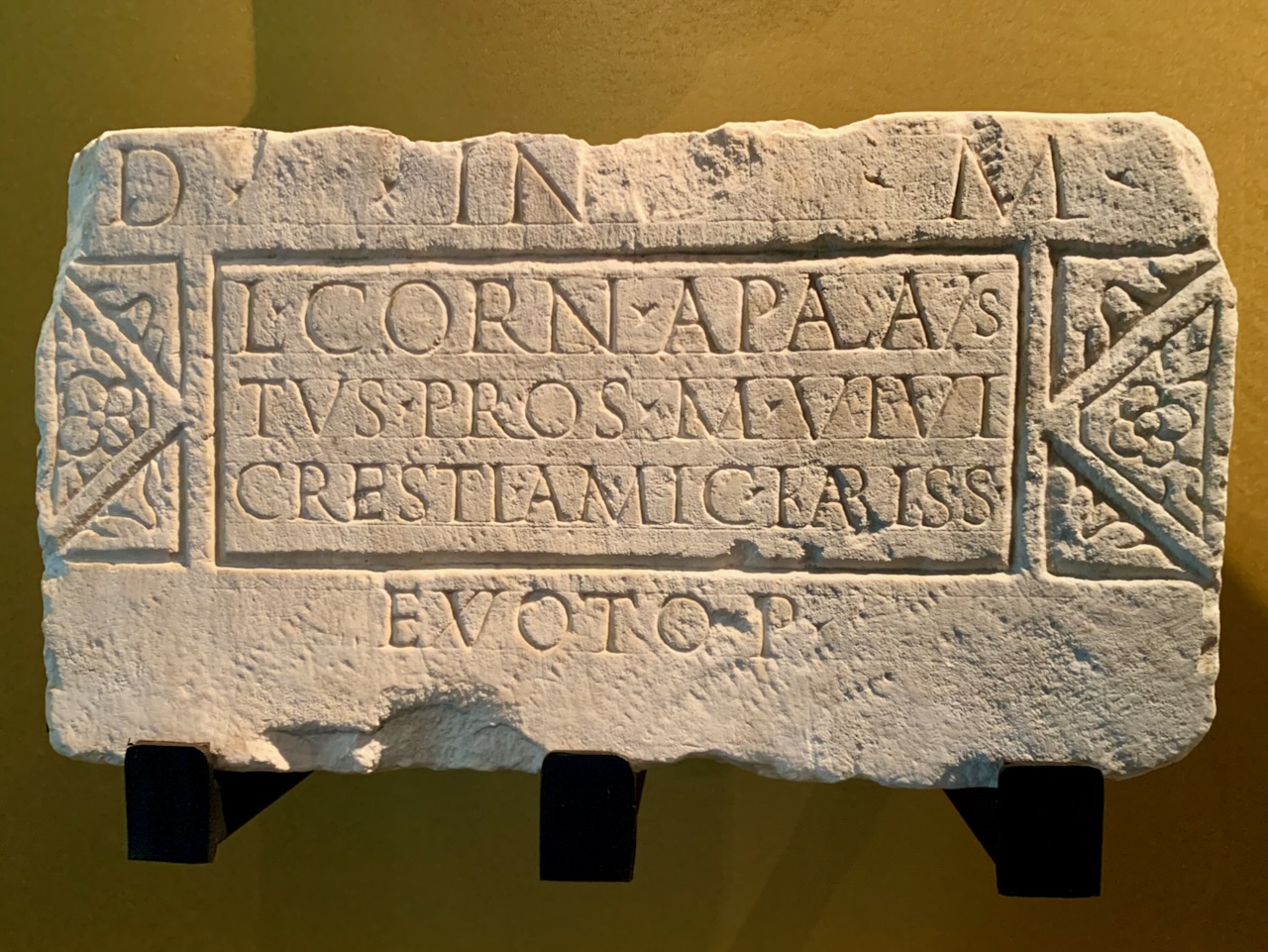
The altar that now stands in Split was dedicated to Invincible Mithras for the health of a dear friend.
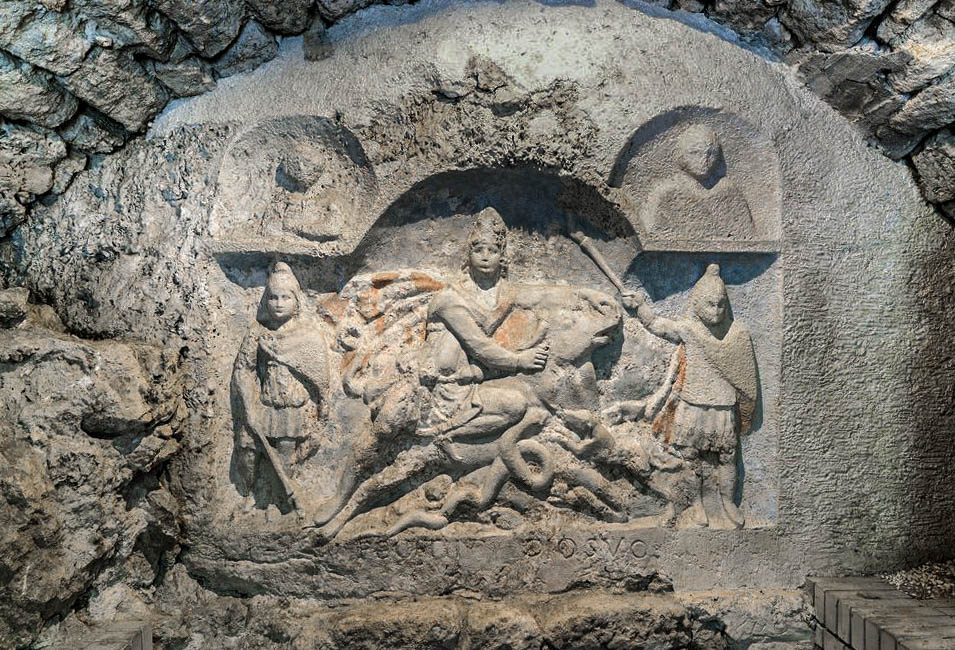
The main cultic relief of Mithras slaying the bull of Fertorakos was carved into the rock face.
This inscription to Mithras Invencible was dedicated by a certain Apronianus in 172 is currently lost.
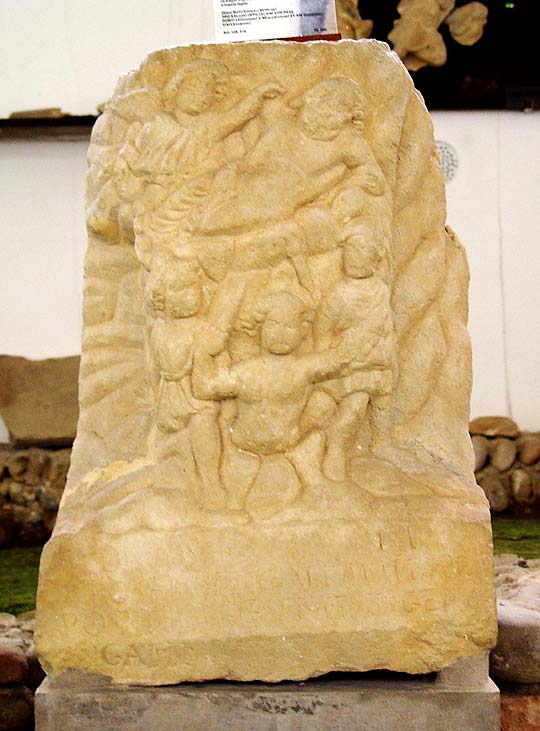
Cautes and Cautopates attend the birth of Mithras from the rock in the Petrogenia of the third Mithraeum of Ptuj.
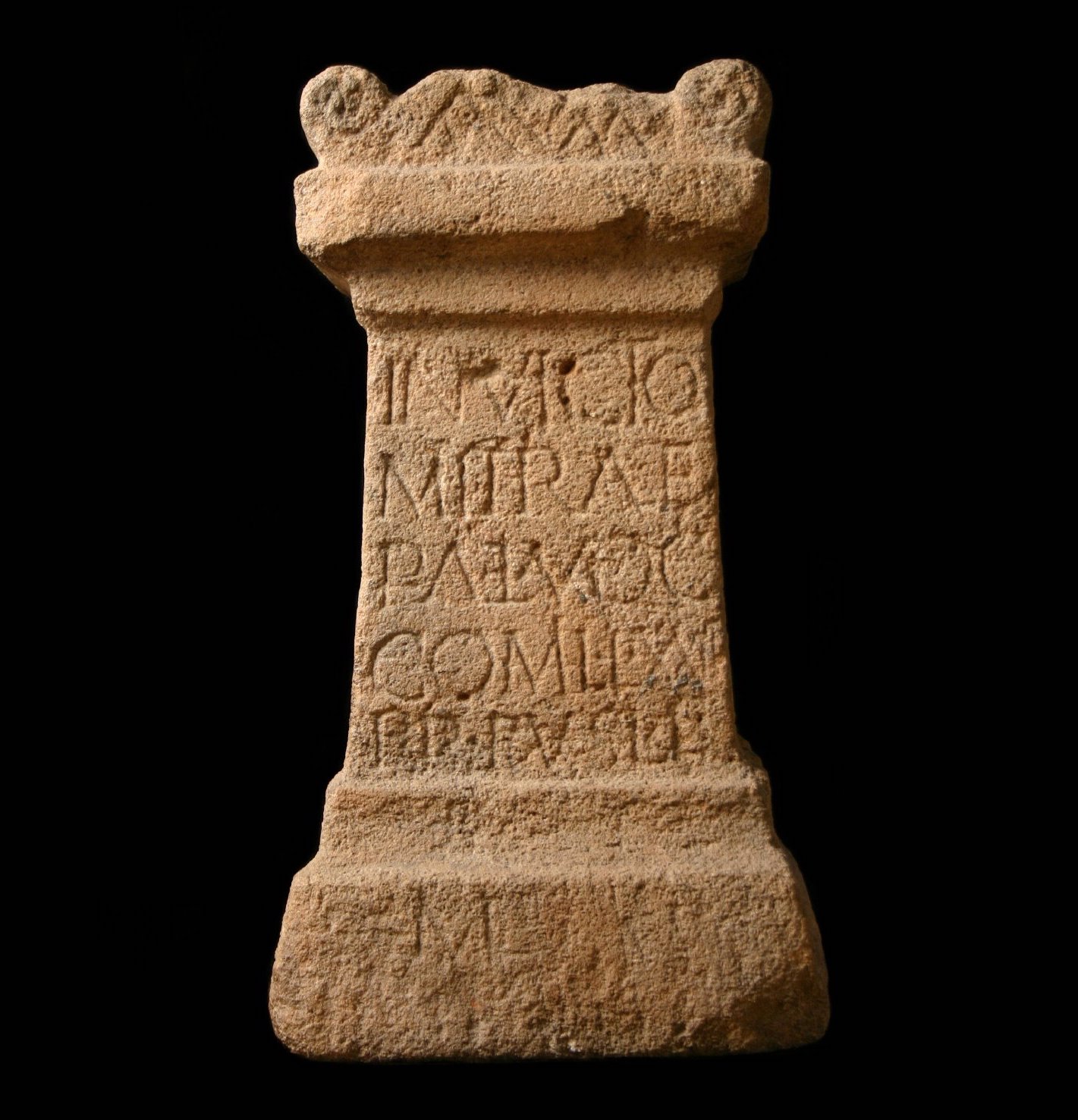
This monument was erected by a certain Publius Aelius Vocco, a solider of the Legio XXII Primigenia Pia Fidelis stationed in Mainz.
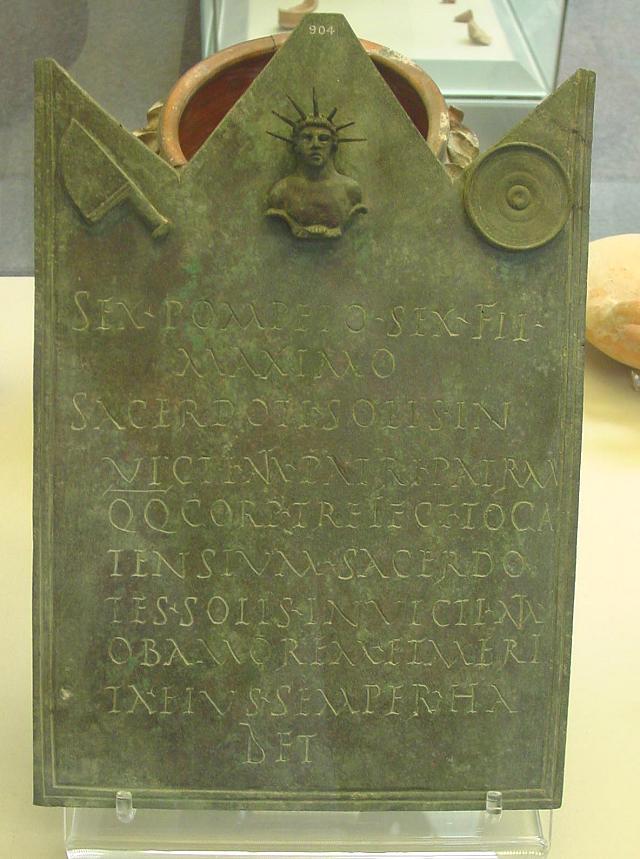
This plaque, now on display in the British Museum, may have come from the Aldobrandini Mithraeum in Ostia.
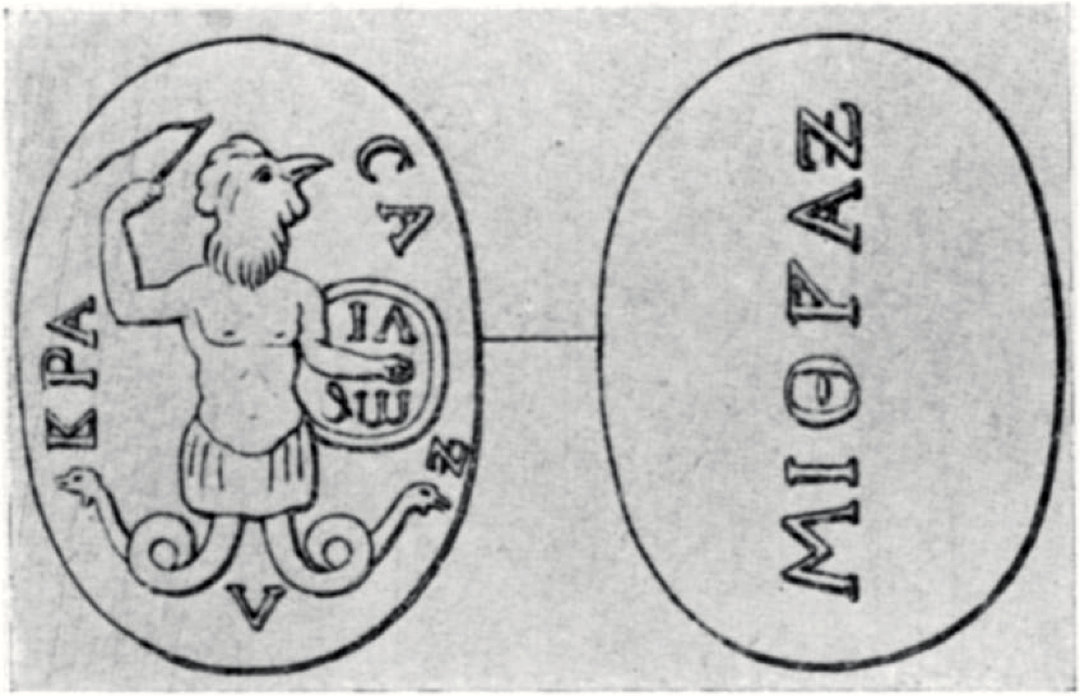
This syncretic amulet depicting Abraxas and the word MIΘPAZ was once displayed in the Cappello Museum of Venice.
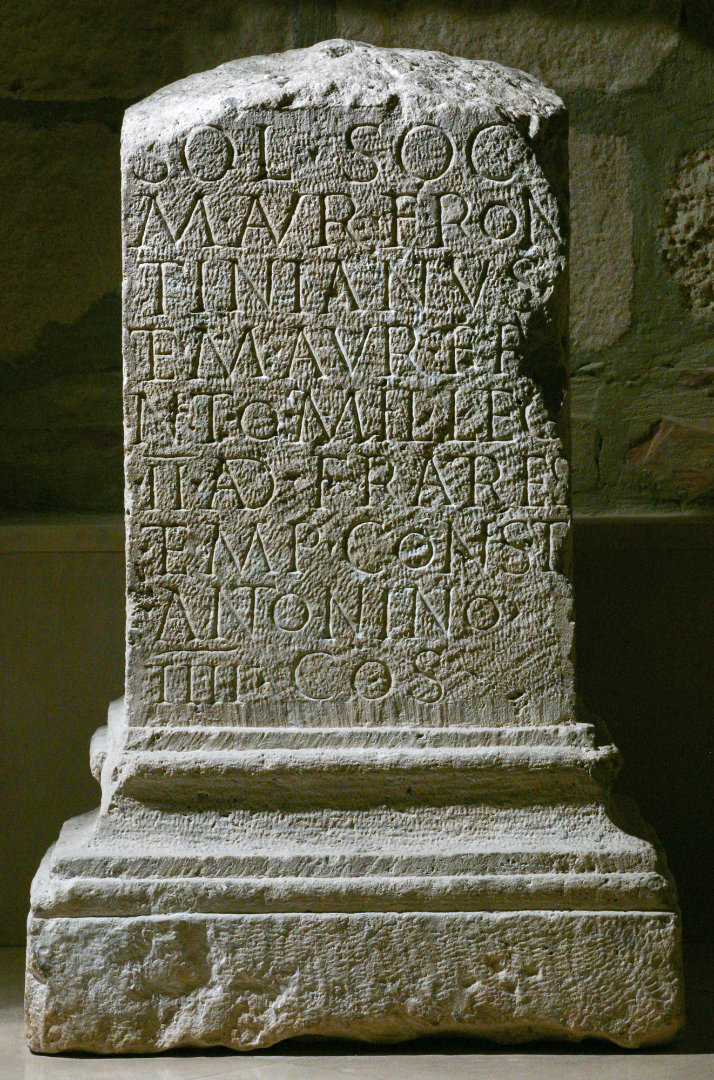
This fragmented altar was erected by two brothers from the Legio II Adiutrix who also built a temple.
This is one of the few known Mithraic inscriptions dedicated by a member who attained the grade of Perses.
An unusual feature of this very ancient relief is that Cautopates carries a cockerel upside down, while Cautes carries it right-side up.
