Your selection in monuments gave 81 results.

A marble torso of a male figure from the Mithraeum at Walbrook in London, flattened at the back, probably one of the attendant deities of Mithras, which would have stood about 2 ft. in complete height.
A relief fragment from the Mithraeum at Walbrook in London, preserving the lower part of a cross-legged figure of Cautopates pointing his torch downwards.
A fragment of a white marble statue from the Mithraeum at Walbrook in London, preserving the naked torso of a reclining figure with long hair and beard, with the end of a staff visible near his left shoulder, identified as Oceanus.
A white marble statue from the Mithraeum at Walbrook in London, depicting Bonus Eventus standing in a long hanging cloak, leaning on a ship's stem, holding a cornucopia against his shoulder and a patera above a burning altar from the back of which a…
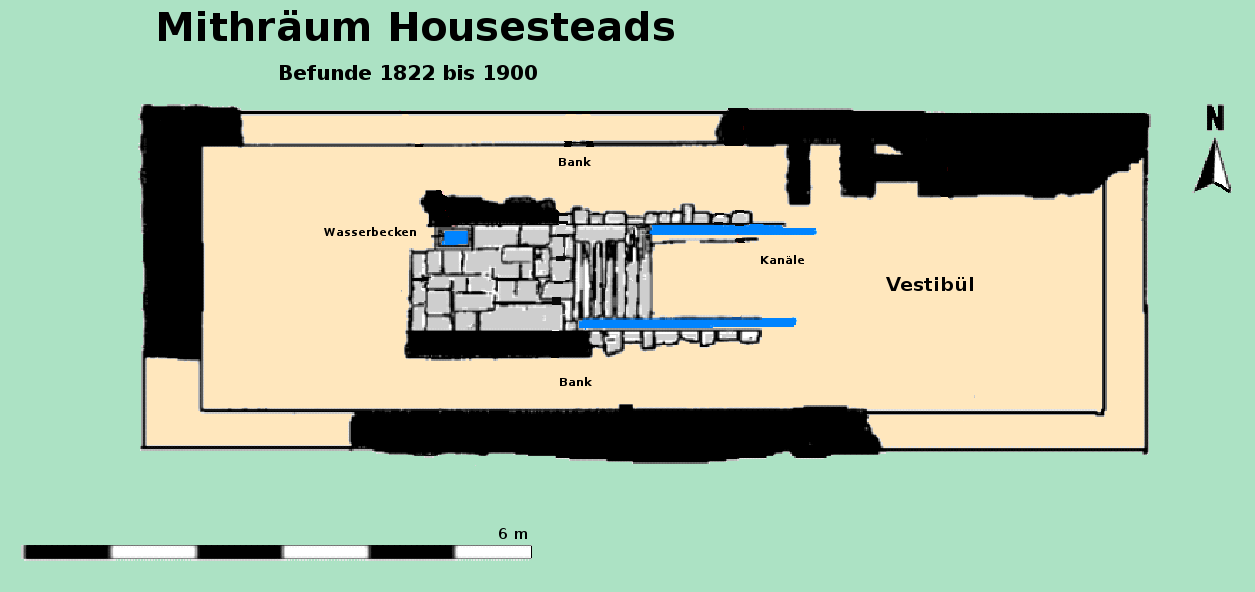
The Housesteads Mithraeum is an underground temple, now burried, discovered in 1822 in a slope of the Chapel Hill, outside of the Roman Fort at the Hadrian's Wall.
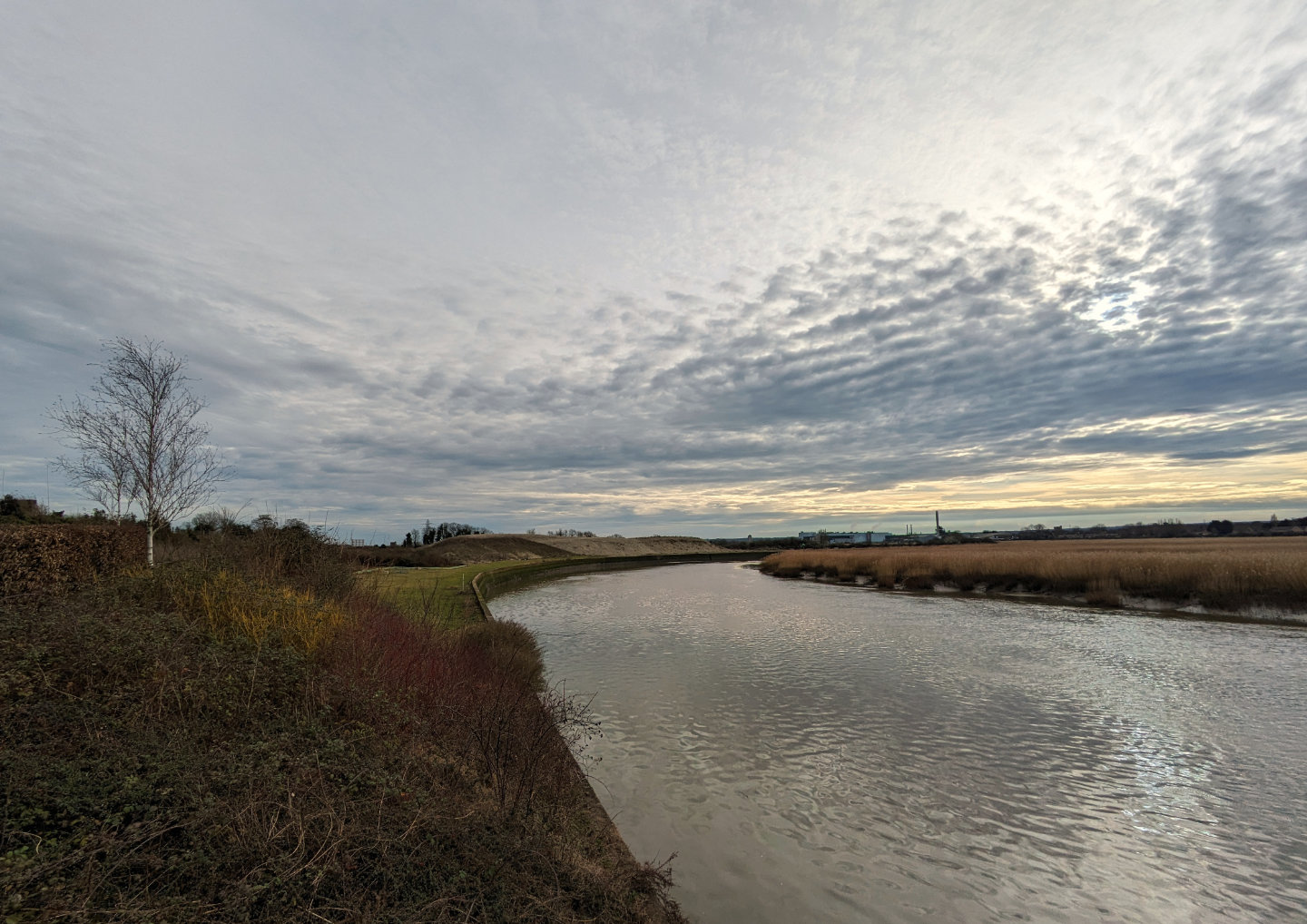
To date, there is no evidence that the so-called Mithraeum of Burham was ever used to worship the sun god.
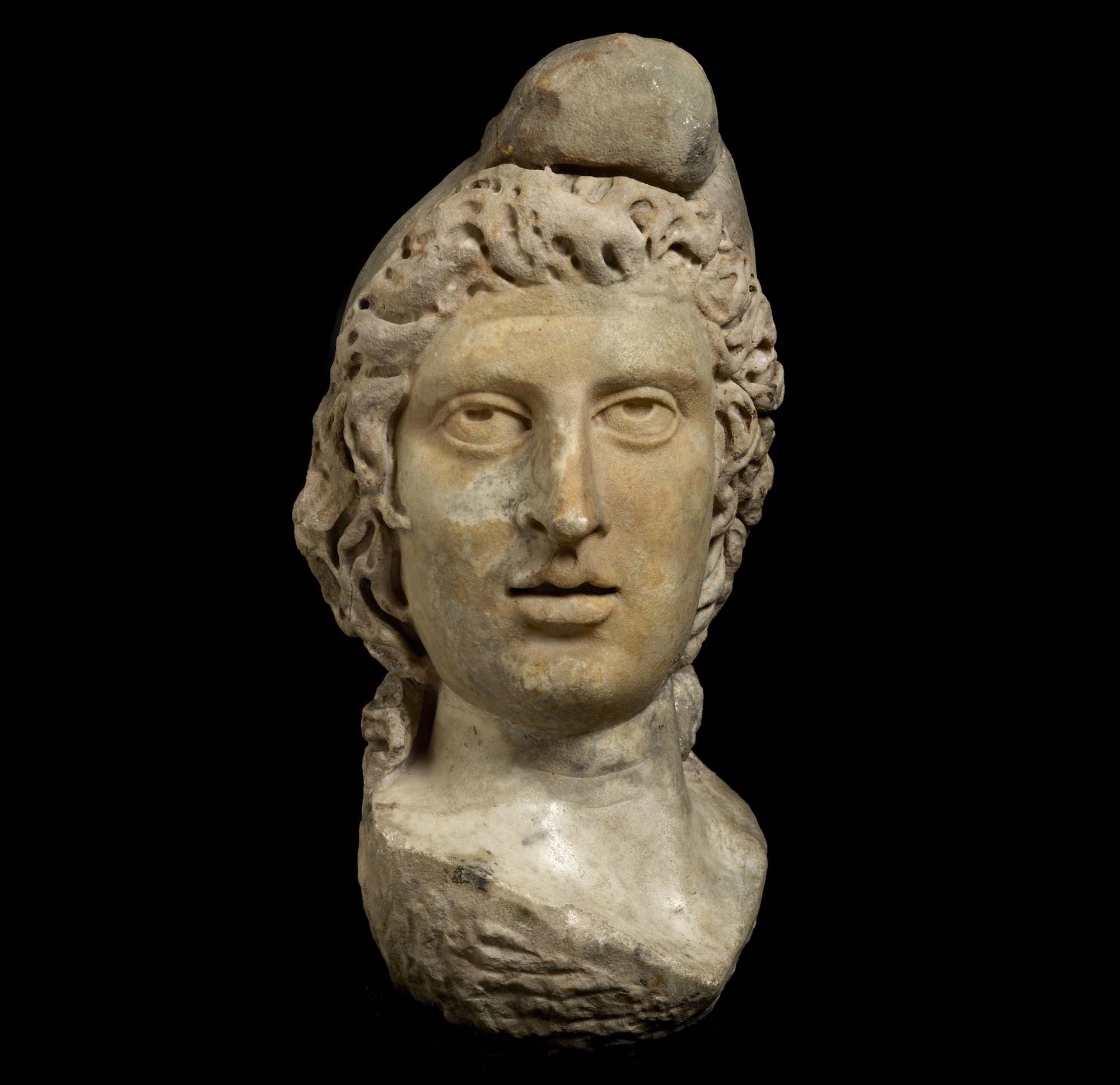
The Mithras's head of Walbrook probable belonged to a life-size scene of the god scarifying the bull.
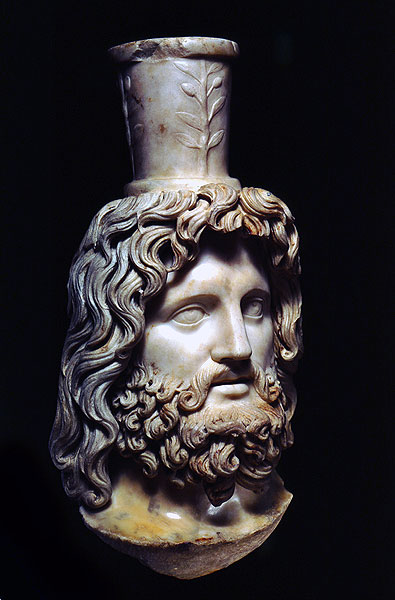
The head of Serapis found at Walbrook, London, is decorated with stylised olive branches.
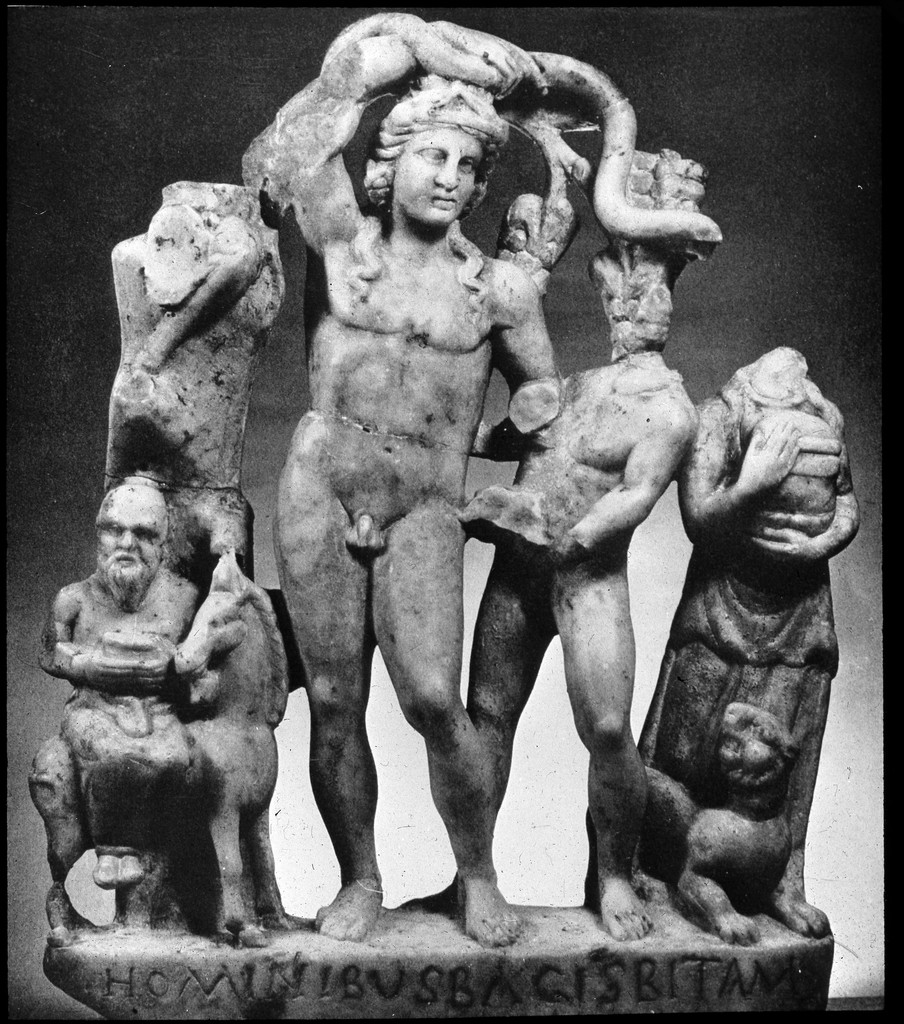
Marble group of Dionysus accompanied by a Silenus on a donkey, a satyr and a menead.
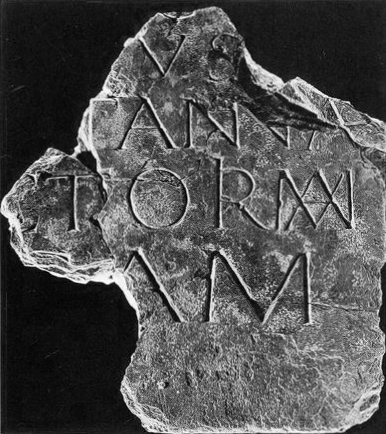
Archaeological material from the Mithraeum of Londinium discussed in Hill’s study of Roman London.
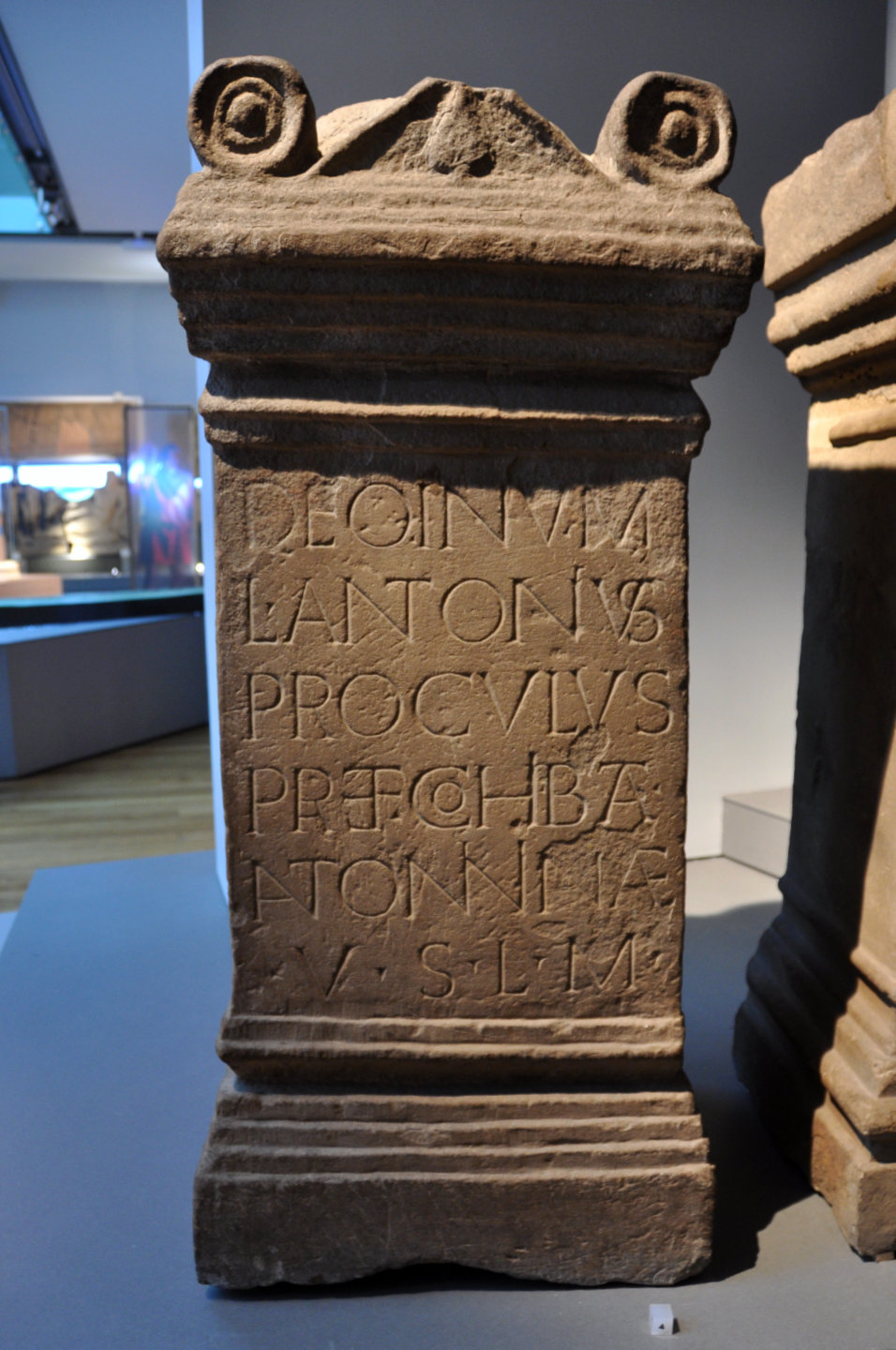
One of the three altars to Mithras found at the Mithraeum of Carrawburgh fort.
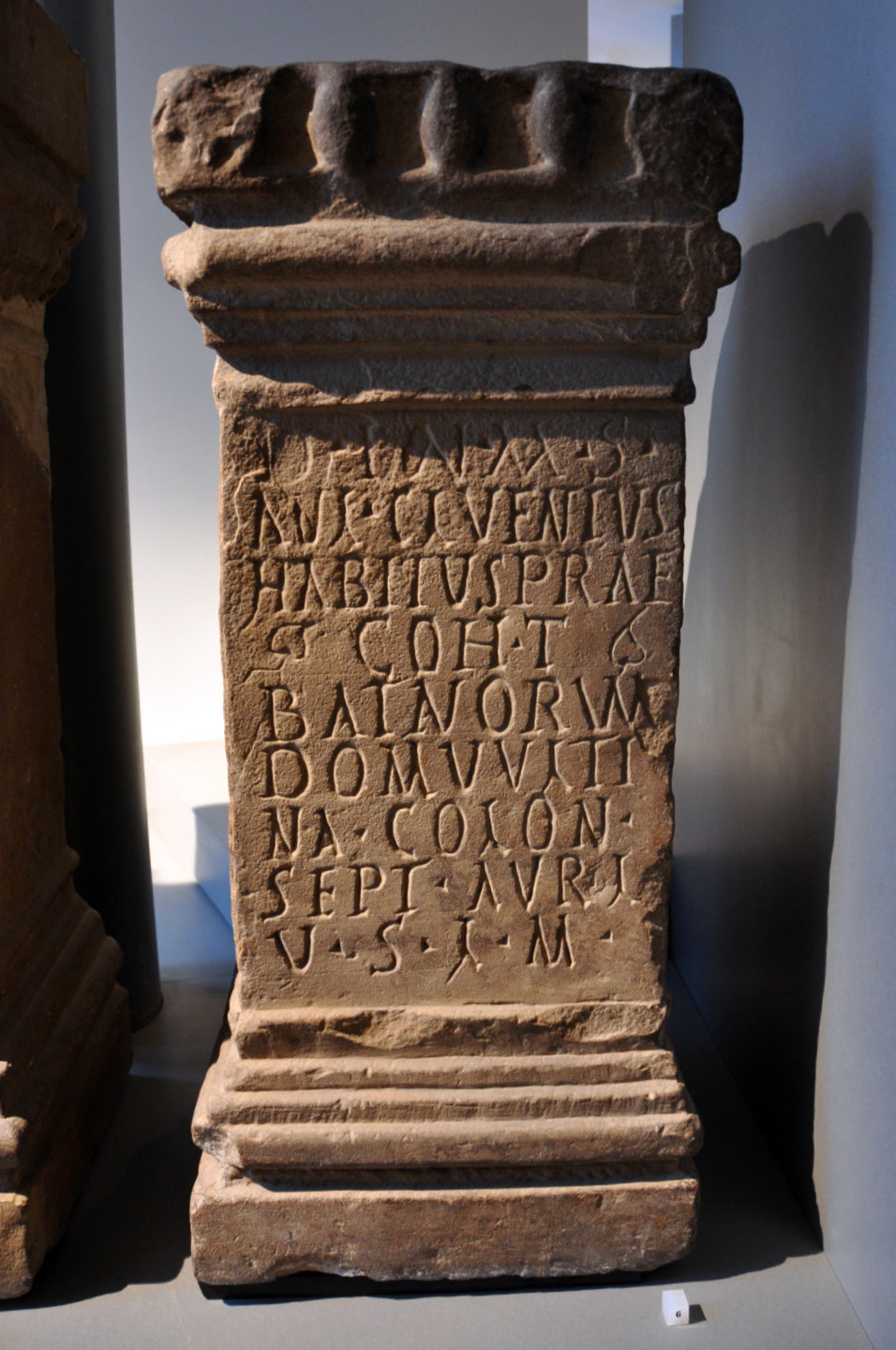
One of the three altars to Mithras found at the Mithraeum of Carrawburgh fort.
.jpg)
This limestone statue of Cautes is now exposed at Great North Museum of Newcastle.
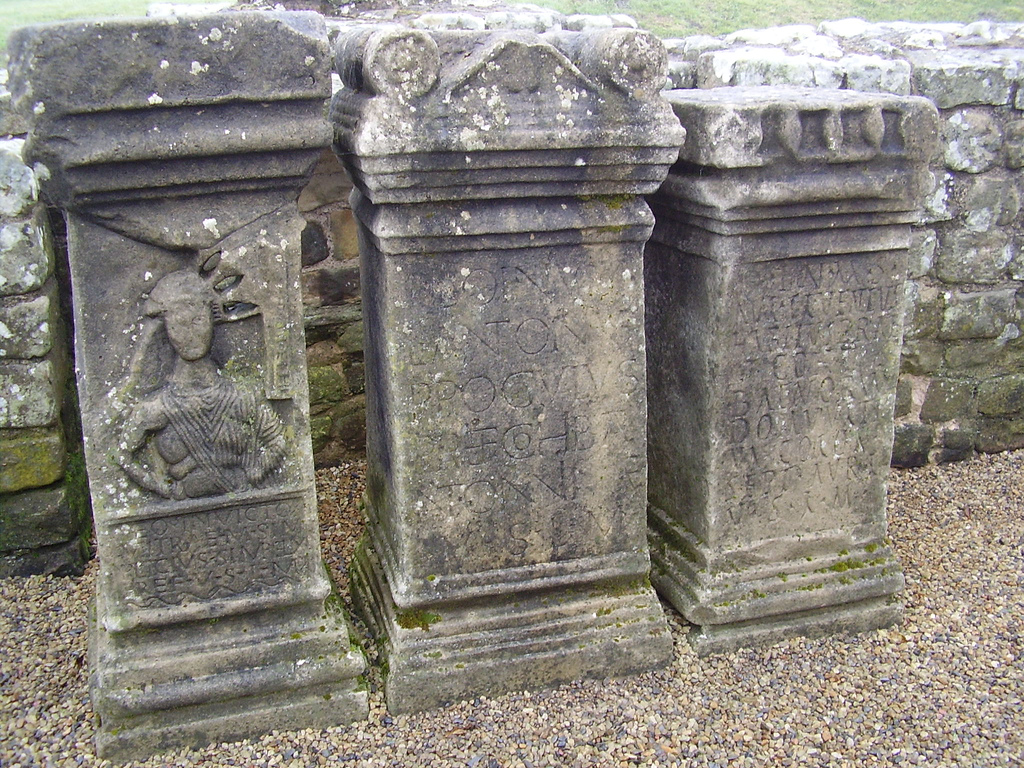
One of the altars from the Carrawburgh Mithraeum depicts the bust of Mithras or Sol.
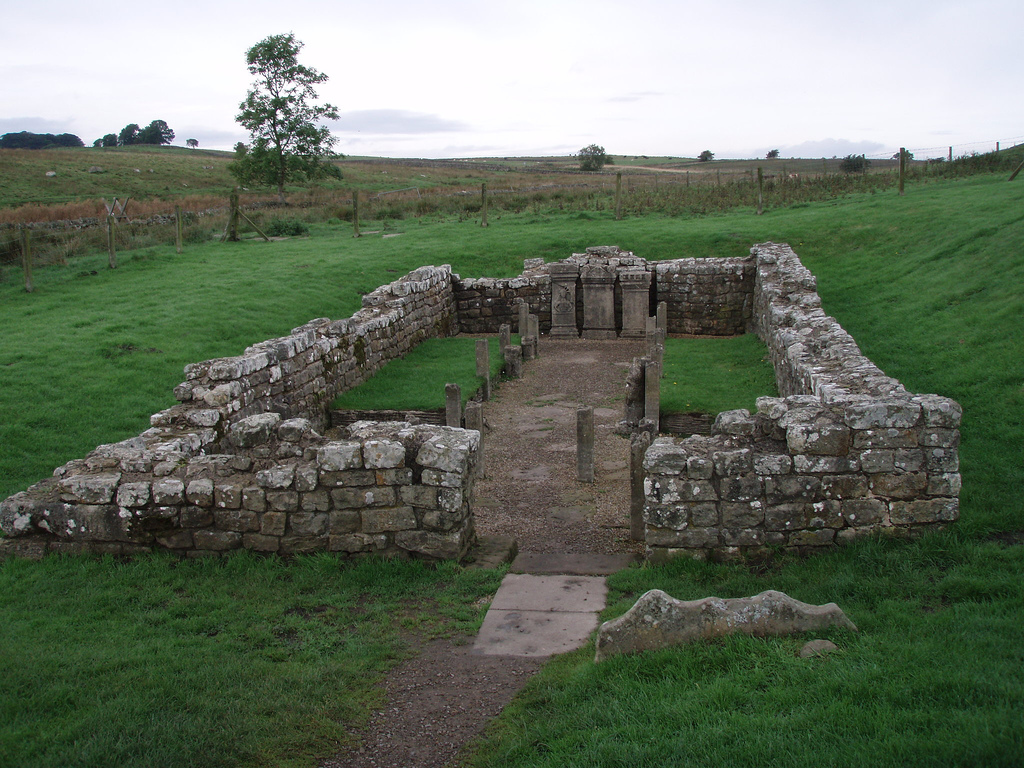
The temple of Mithras of Carrawburgh, Brocolita, disclosed three main stages of development, the second exhibiting two reconstructions.

One of the rooms in a sustantive masonry building in Hollytrees Meadow was considered to be a Mithreum, a theory that has now been discarded.
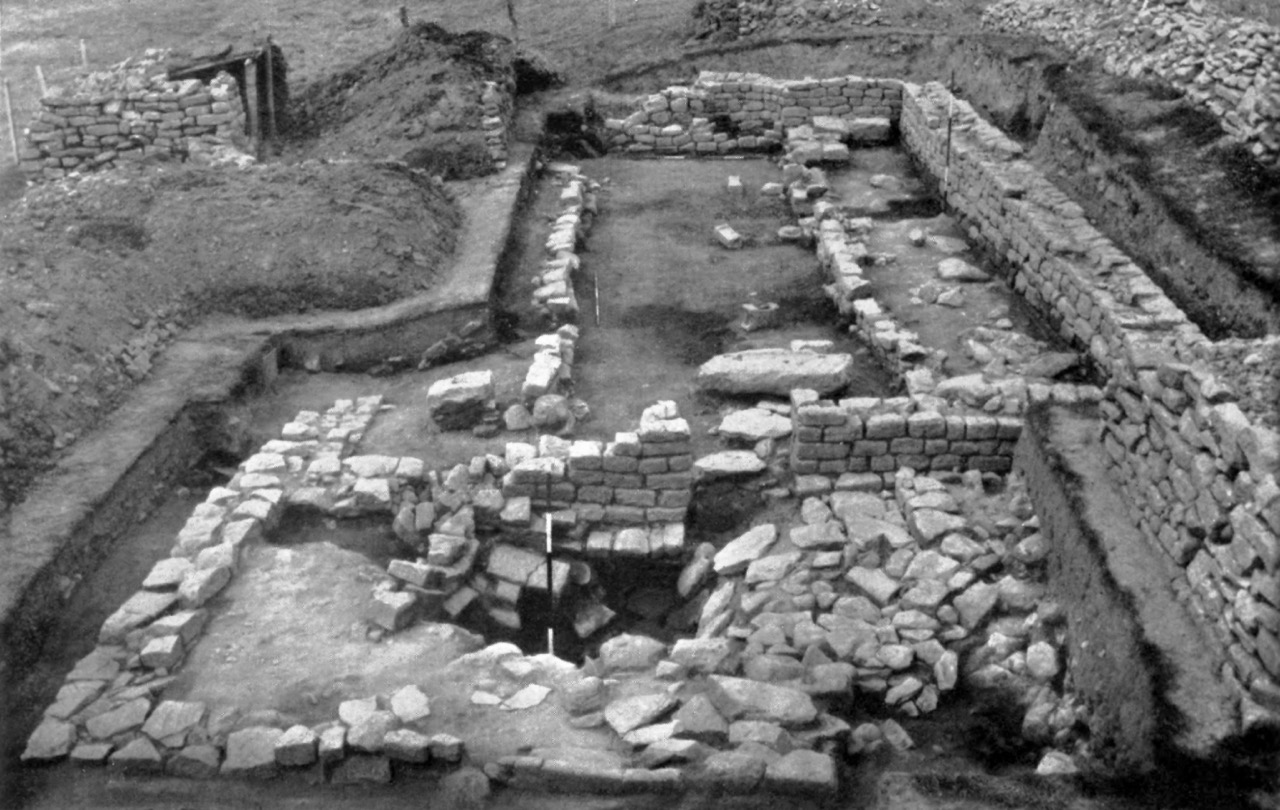
The Mithraeum of Rudchester was discovered in 1844 on the brow of the hill outside the roman station.
Pair of Castor ware vessels interpreted as ritual banquet deposits from the Mithraeum of Procolitia.
Sandstone altar combining imagery of Apollo, Mithras and the torchbearers Cautes and Cautopates near the Roman fort of Whitley Castle.
Stone lamp installation, vessels and bronze chain links associated with ritual activity inside the Mithraeum of Vindobala.
