Filtering by Region: Persia in monuments gave 11 results.

This plaque, located on the western staircase of the Palace of Darius, mentions the god Mithra together with Ahura Mazda as protectors of King Artaxerxes III Ochus.
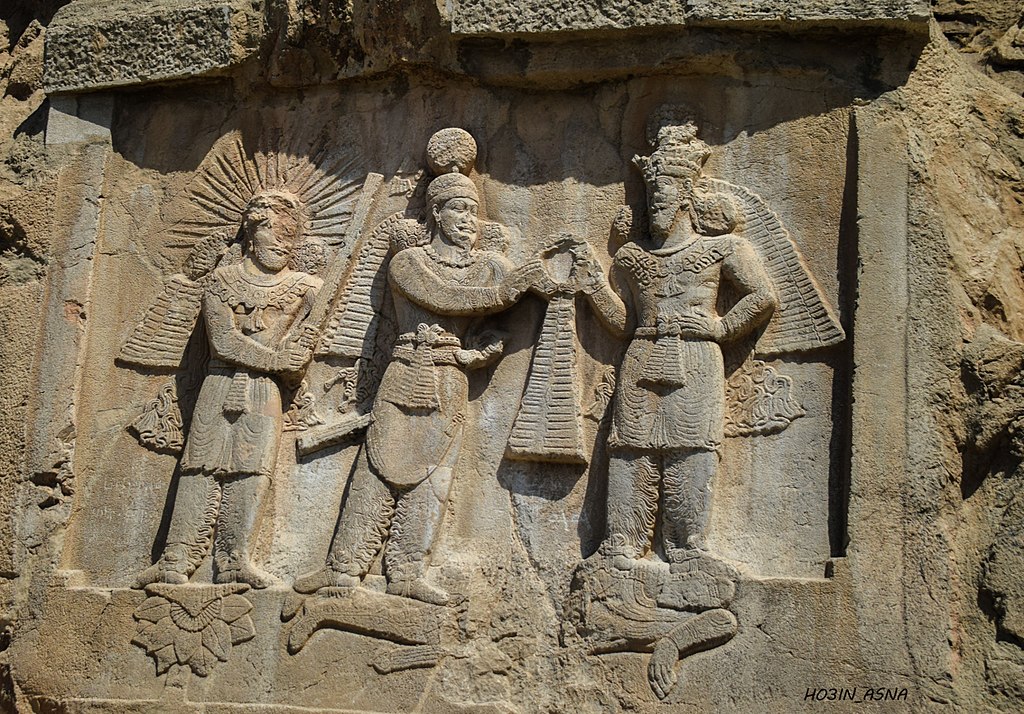
This monument depicts Mihr/Mithras watching over the transition of power from Shapur II to Ardashir II, which took place in 379.
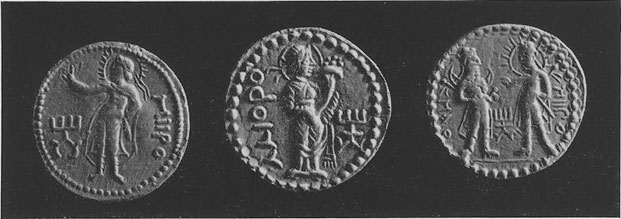
A gold coin depicting a bearded god with a crescent facing another god with a nimbus and a radiate crown, identified as Mithras by Vermaseren.

Gold coin of the Scythian king Hooerkes, reverse showing Mithras (MOPO) standing with wreath and staff, north-west India, c. 87–129 A.D.
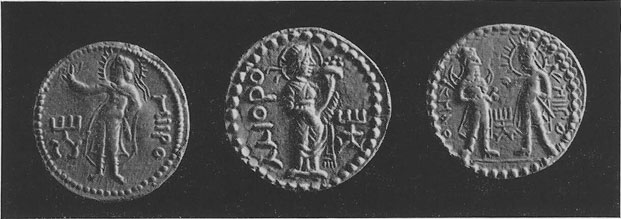
Gold coin of the Scythian king Hooerkes, reverse showing MIOPO (Mithras) as a goddess with cornucopia, north-west India, c. 87–129 A.D.
Gold coin from Bactria depicting ΜΙΙΡΟ (Mithras) with radiate crown and military attributes.
Inscription from Hamadan where the ’great king’ Artaxerxes mentions Ahuramazda, Anahita, and Mithra as guardians.
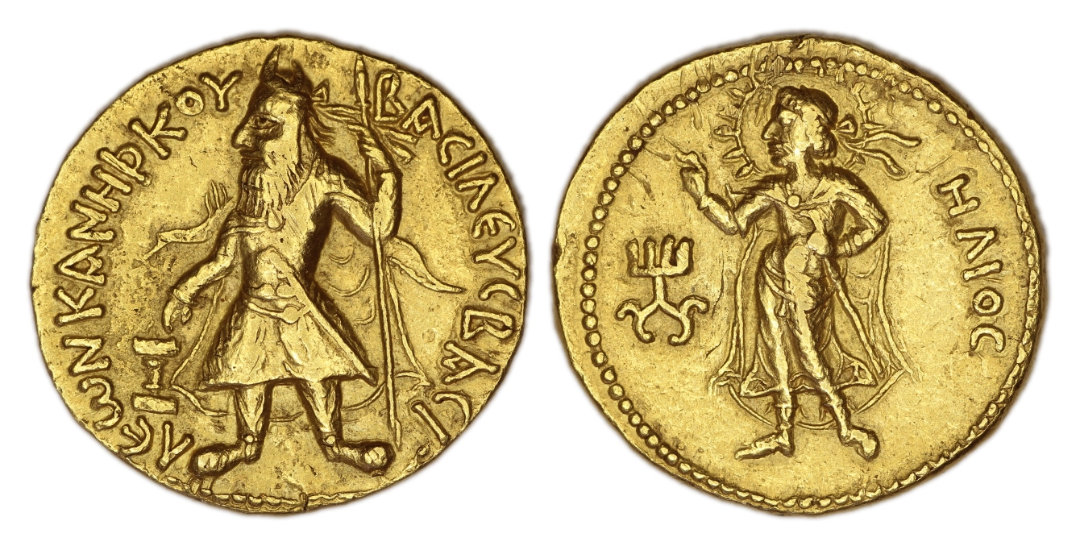
This gold coin depicts Kanishka I on one side and Mithras standing on the other side.
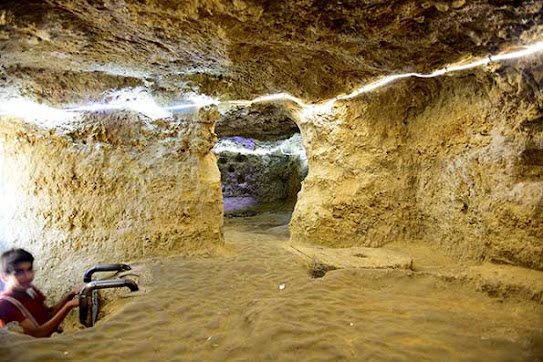
The Niasar Cave, غار نیاسر, was a temple probably devoted to Iranian Mithras that dates back to the early Partian era.
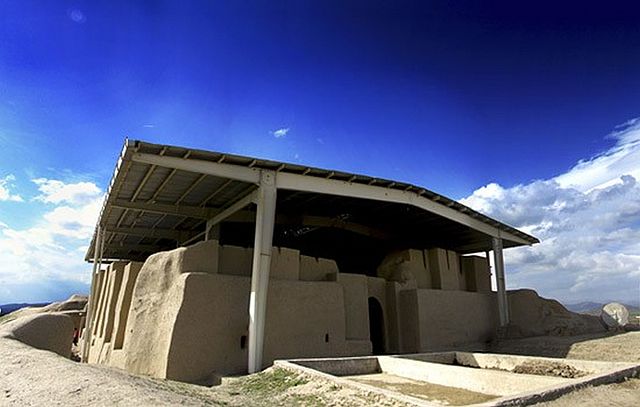
The Nushijan Mithraeum testifies to the worship of Mithra in the region since before the Zoroastrian reform.
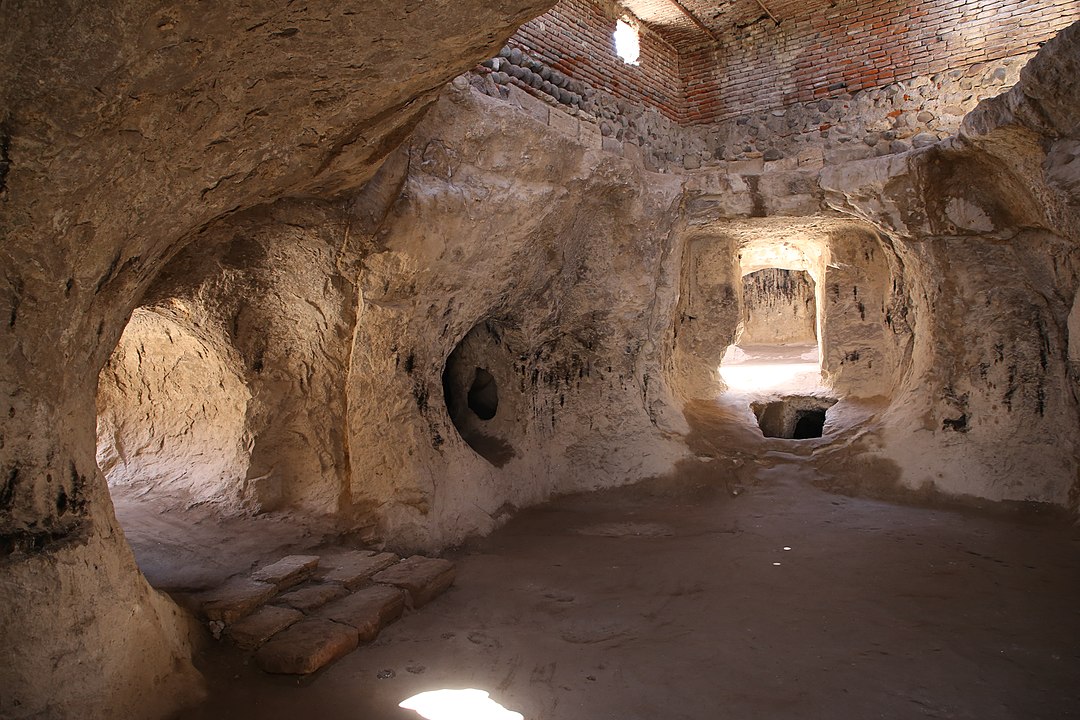
The Mithra Temple of Maragheh, also referred to as the Mithra Temple of Verjuy or simply Mehr Temple, is the oldest surviving Mithraic temple in Iran known to date.
