This site uses cookies to offer you a better browsing experience.
Find out more on how we use cookies in our privacy policy.

 
Acta diurna

Daily Gazette/23

Acta diurna is our Mithraic social stream for keeping up to date with what is happening in The New Mithraeum.

Filter by
avatar
Dec 2024
Syndexios

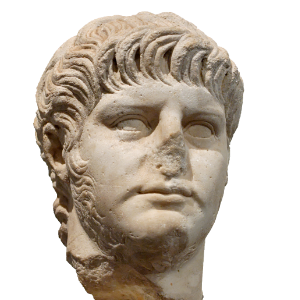
Nero

Roman emperor whose ceremonial reception of Tiridates I of Armenia established one of the earliest recorded links between Mithras and the Roman imperial court.
avatar
Dec 2024
Syndexios

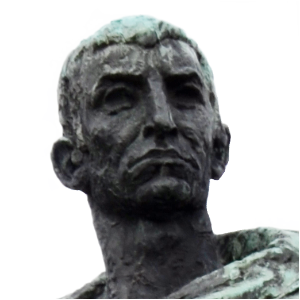
Corbulo

Danube region can be traced back to the legions that fought under his command in Armenia.
avatar
Dec 2024
Syndexios

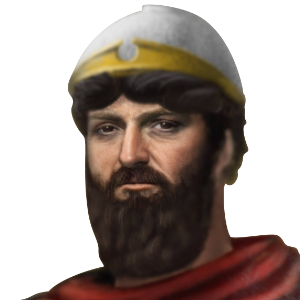
Tiridates I

Founder of the Arasacid dynasty, Tiridates I was crowned king of Armenia by Nero in 66.
avatar
Dec 2024
Syndexios

Julian

The last pagan emperor of Rome, closely associated with Mithras and Neoplatonic interpretations of the Sun God.
avatar
Dec 2024
Syndexios

Antiochus I

King of the Greco-Iranian Kingdom of Commagene.
avatar
Dec 2024
Syndexios

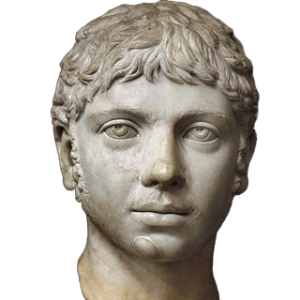
Elagabalus

Roman emperor at the age of 14, from 218 to his death in 222, Elagabalus was a main priest of the sun god Elagabal in Emesa.
avatar
Dec 2024
Syndexios

Septimius Severus

First Roman emperor of African origin and founder of the Severan dynasty, which ruled the empire for over four decades.
avatar
Dec 2024
Syndexios

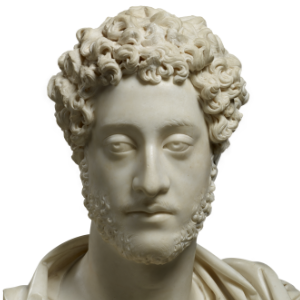
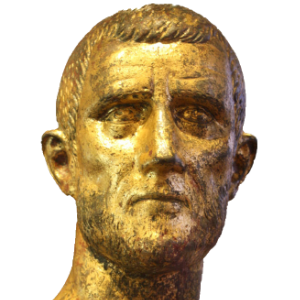
Aurelian

Roman emperor who established the state cult of Sol Invictus and promoted solar worship throughout the Roman Empire.
avatar
Dec 2024
Syndexios

Caracalla

Emperor Caracalla ordered one of Rome’s largest temples to the god Mithras to be built in the baths bearing his name.
avatar
Dec 2024
NewMonumentum

Arm with stars and a swastika

This bronze arm, with stars and a swastika, was once thought to be part of a Mithras statuette but has since been dismissed as unrelated to the Mithras cult.
avatar
Dec 2024
NewMonumentum

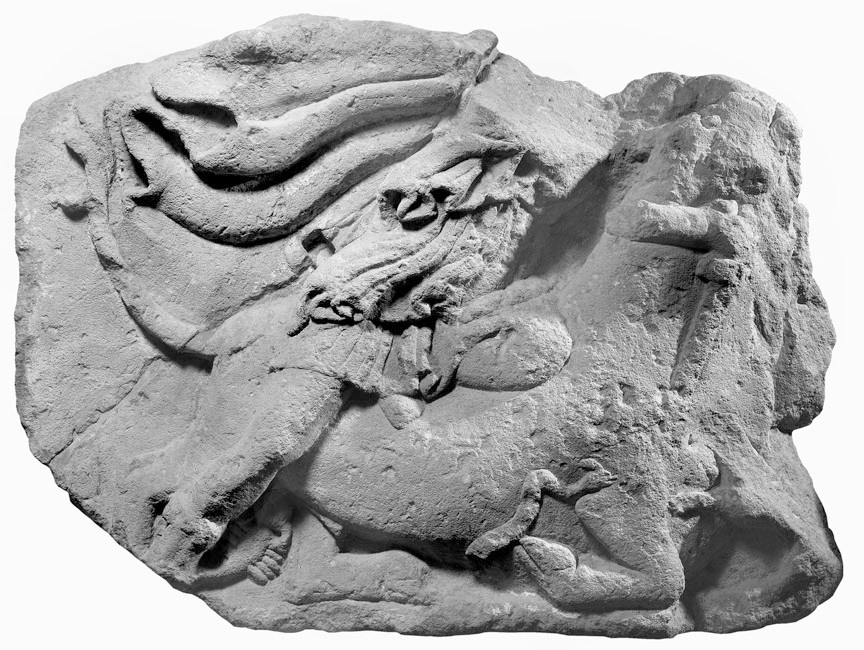
Tauroctony from Carnuntum

Relief of Mithras killing the bull with an inscription from a certain Aurelius Macer who dedicates it to Sol Invictus Mithras.
avatar
Dec 2024
NewMonumentum

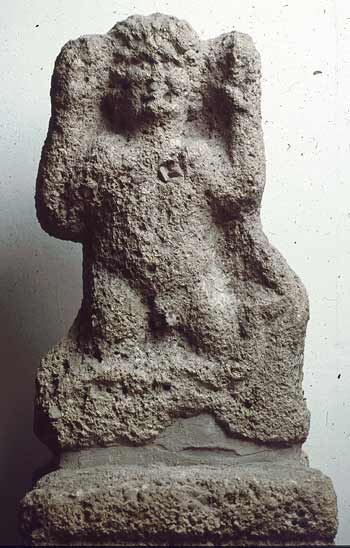
CIMRM 1410

Conglomerate statue of the birth of Mithras, found in a burnt layer, showing the god nude emerging from the rock with raised hands and a snake.
avatar
Dec 2024
NewMonumentum

CIMRM 1701

Sandstone relief of Mithras as bull-slayer, found at Petronell in 1932, with dog, serpent and scorpion, traces of polychromy preserved, now in the Museum Carnuntinum.
avatar
Dec 2024
NewMonumentum

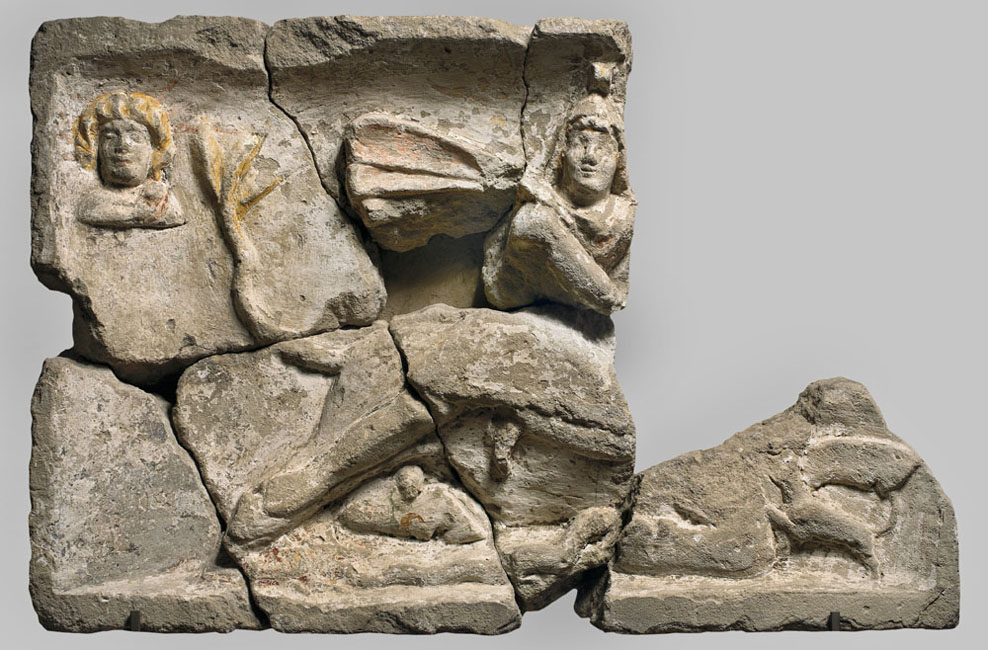
CIMRM 1665

Sandstone relief of Mithras killing the bull, broken in two parts and partly restored, with dog, serpent and scorpion preserved; formerly in Vienna, now on loan to the Museum Carnuntinum.
avatar
Dec 2024
NewVideo

Mithras in Dacia with Csaba Szabó

Exploring religion, rituals, archaeological insights, and historical impact of the Cult of Mithras in the Danubian provinces.
Saturnin Ksawery
Thank you for this wonderful lecture. If I may, I would highly commend the following book: Eastern Cults in Moesia Inferior and Thracia: 5th Century Bc-4th Ad by Margarita Tacheva-Hitova, as a supplement. It is available on the internet archives.

avatar
Dec 2024
NewMonumentum

Cautes from Forum of Caesar

Upper fragment of a marble relief depicting Cautes, discovered in the Forum of Caesar in Rome.
avatar
Dec 2024
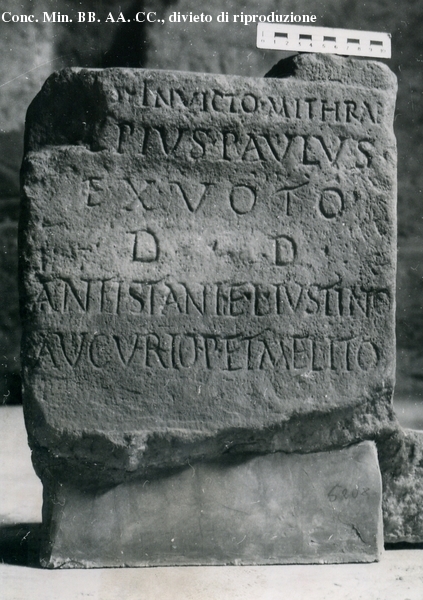
NewMonumentum

Marble base from Rome by Ulpius Paulus

Small marble base, found in one of the private houses along the Via Sacra nearly opposite to the Basilica of Constantine, Rome.
avatar
Dec 2024
NewMonumentum

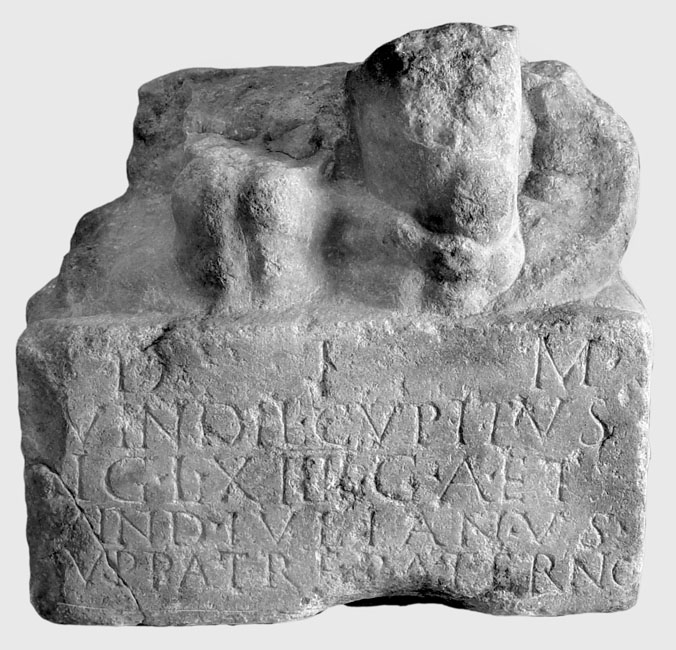
Mithras birth from Petronell

Only parts of the knees of Mithras, emerging from the rock, have been preserved from this monument of Petronell-Carnuntum, Austria.
avatar
Dec 2024
NewMonumentum

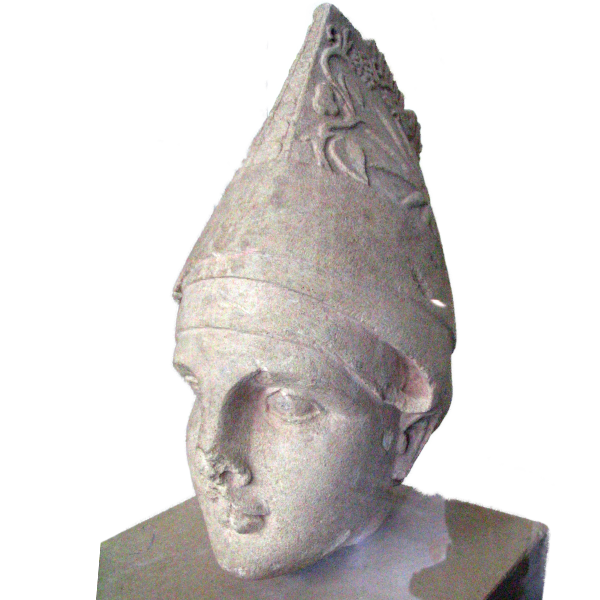
Two marble heads of Mithras from Ostia

Two marble heads from Ostia, including a youthful figure wearing a Phrygian cap and another identified as Mithras-Helios.
avatar
Dec 2024
NewMonumentum

CIMRM 123 124

Two marble statues of Cautes and Cautopates discovered in the Mithraeum of Rusicade, accompanied by symbolic animals including a lion, scorpion, dolphin and bird.
avatar
 
Back to Top