Your selection gave 165 results.
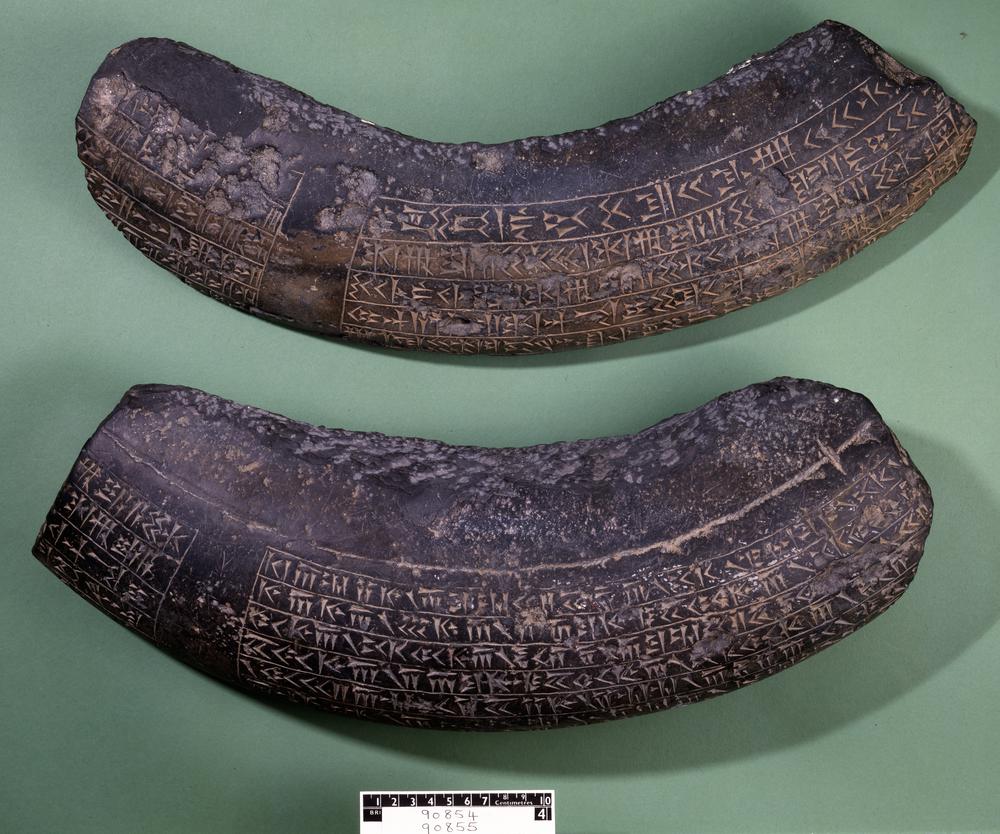
The base of the column bears an inscription that records the rebuilding of a palace at Ectabana ’by the favour of Ahuramaza, Anahita and Mithra’.

This votive silver plaque depicting Mithras was found at the site of Pessinus, Ballıhisar, in Turkey.

Isca, variously specified as Isca Augusta or Isca Silurum, was the site of a Roman legionary fortress and settlement or vicus, the remains of which lie beneath parts of the present-day suburban town of Caerleon, Walles.
Bremenium is an ancient Roman fort located at Rochester, Northumberland, England.
Burham is a village and civil parish in the borough of Tonbridge and Malling in Kent, England.
Vindobala, now a hamlet of Rudchester, was the fourth Roman fort on Hadrian's Wall.
Segontium is a Roman fort on the outskirts of Caernarfon in Gwynedd, North Wales.
Pons Aelius, or Newcastle Roman Fort, was an auxiliary castra and small Roman settlement on Hadrian's Wall in the Roman province of Britannia Inferior, situated on the north bank of the River Tyne close to the centre of present-day Newcastle upon Tyn
Londinium was the capital of Roman Britain for most of the period of Roman rule. It was originally a settlement founded around 47-50 AD in an uninhabited area.
Eboracum was a fort and later a city in the Roman province of Britannia. Two Roman emperors died in Eboracum: Septimius Severus in 211 AD, and Constantius Chlorus in 306 AD.
Brocolitia, also called Procolita or Brocolita, was an auxiliary settlement on Hadrian's Wall. This site is now known as Carrawburgh.
Tribune of the First Cohort of Vardulli, he erected a mithraeum at Bremenium together with his consacranei.
,_found_in_Rome,_2nd_century_AD,_British_Museum_(15545876047).jpg)
The sculpture of Mithras slaying the bull was transported from Rome to London by Charles Standish in 1815.
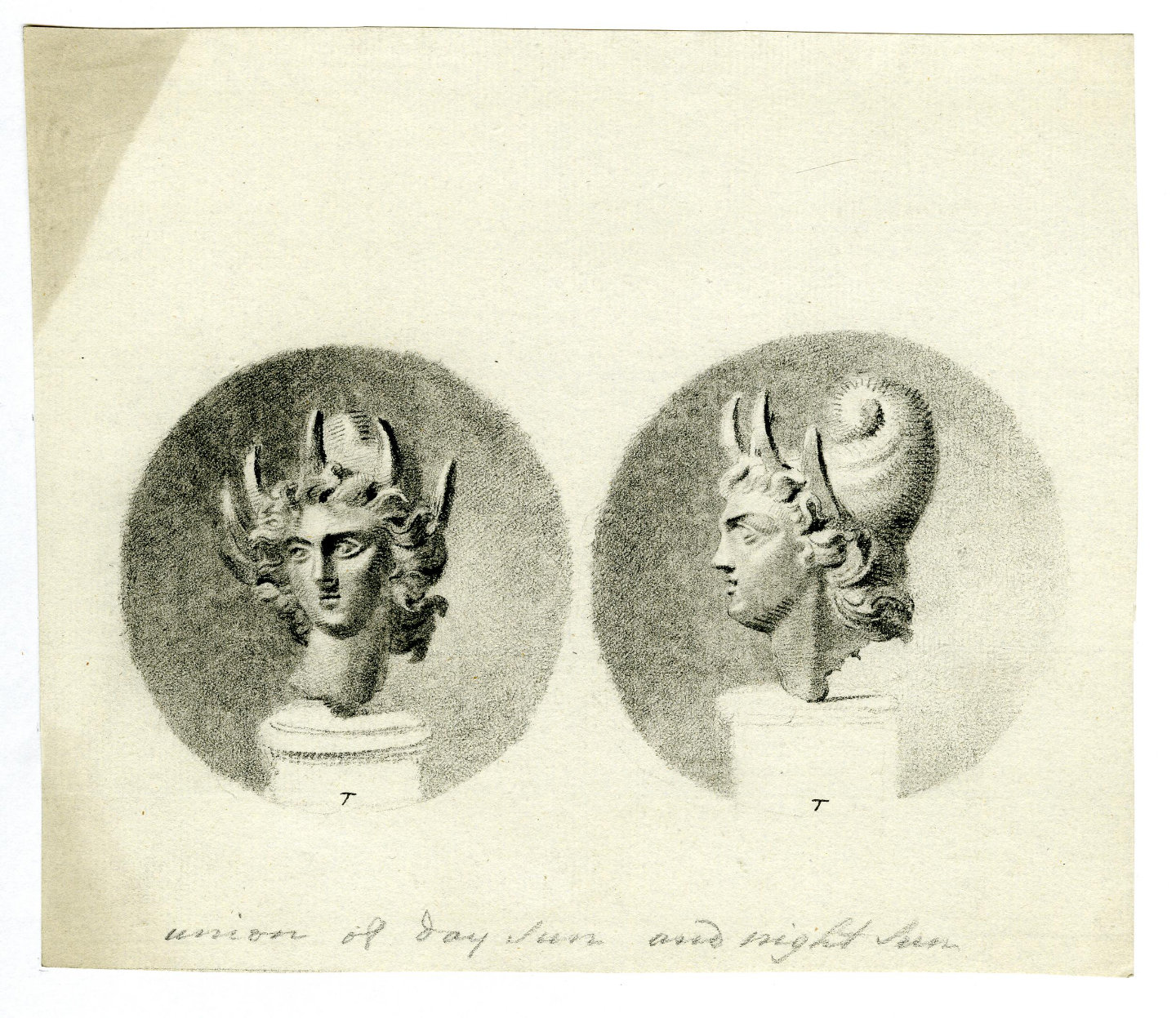
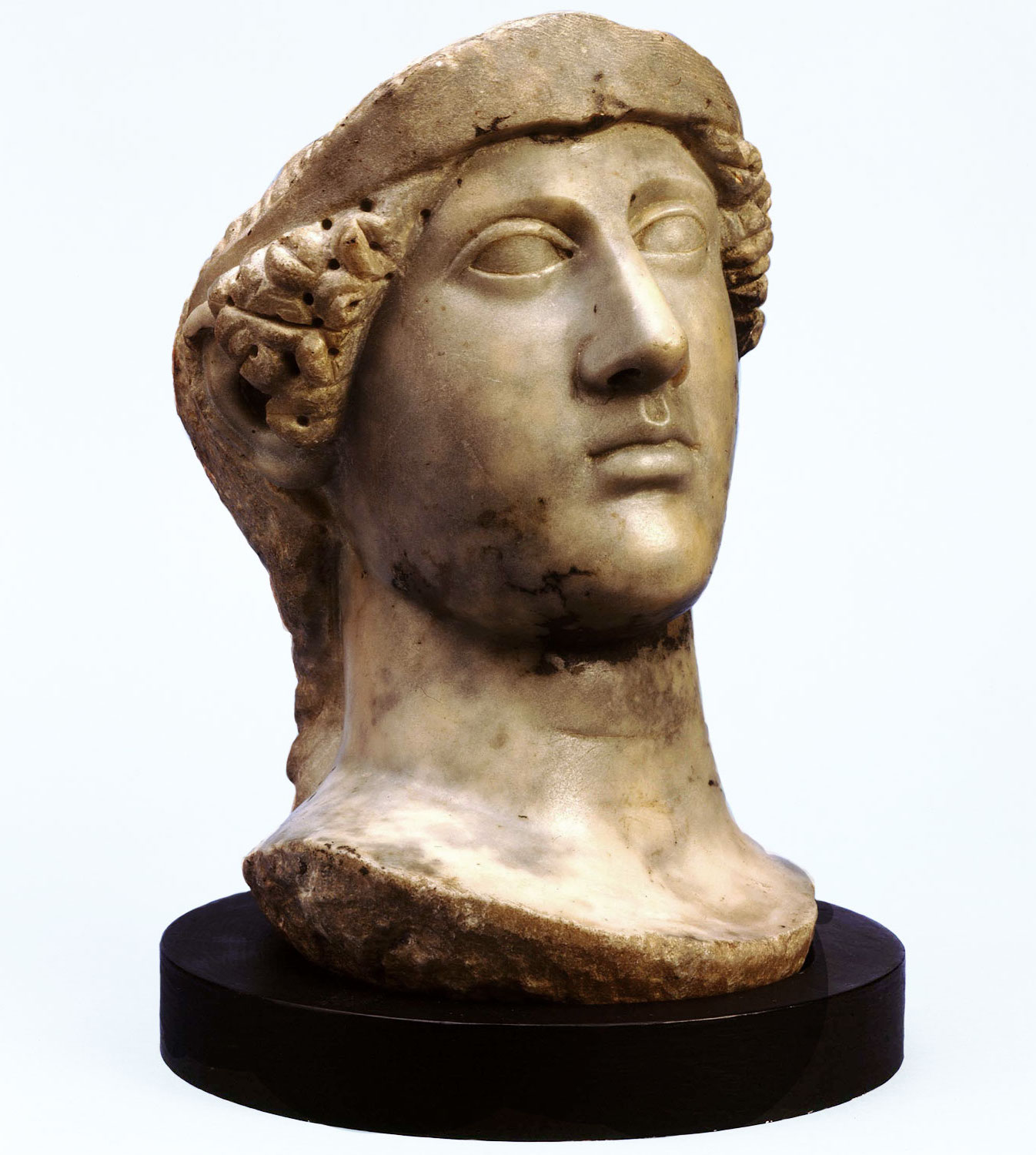
This head was found at the east end of temple of Mithras in London.
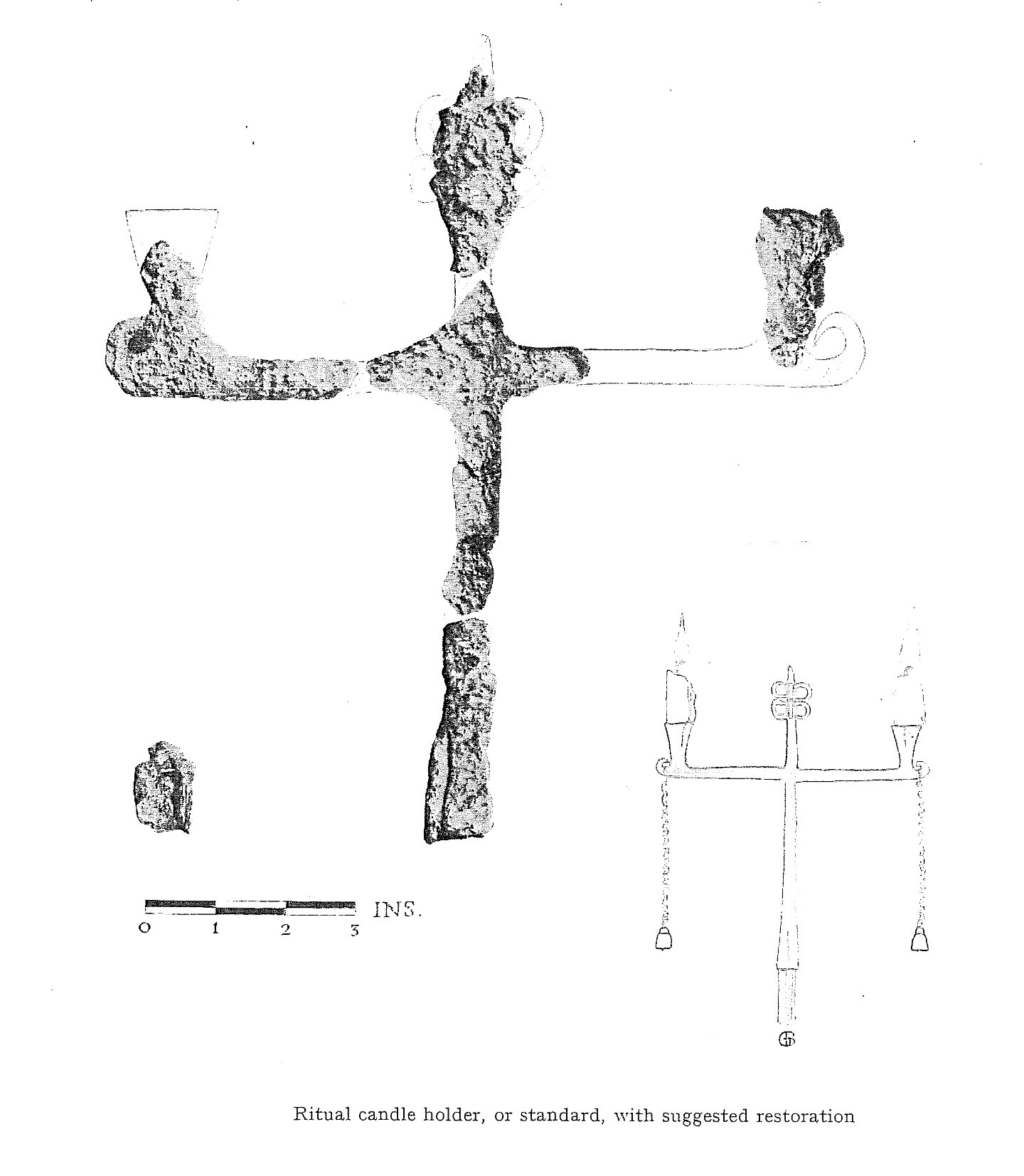
The Caernarfon candelabrum is a reconstruction of several iron pieces found in the Mithraeum of Caernarfon.

This bronze arm, with stars and a swastika, was once thought to be part of a Mithras statuette but has since been dismissed as unrelated to the Mithras cult.
