Your search Al. N. Oikonomides gave 2993 results.

This Mithraic temple, now disappeared, is known thanks to the numerous remains recorded since 1594 in the 'Memorie di varie antichità trovate in diversi luoghi della città di Roma'.
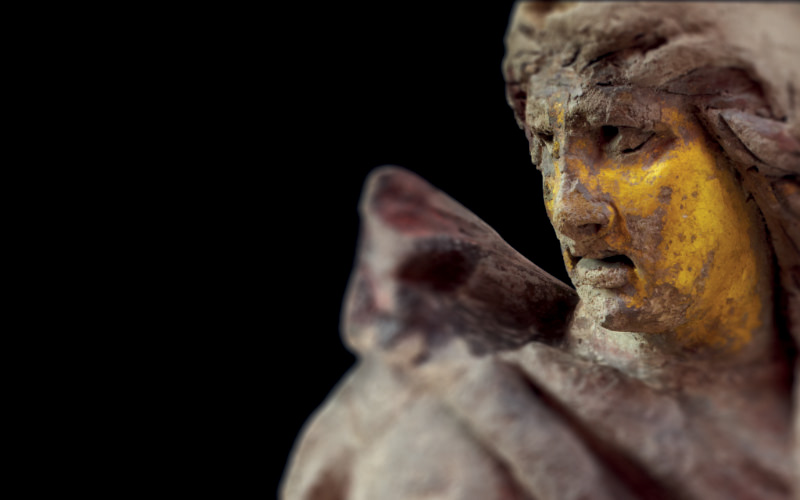
Three European museums celebrate Mithras with a continental exhibition featuring more than 200 works of art from Roman times to the present day.
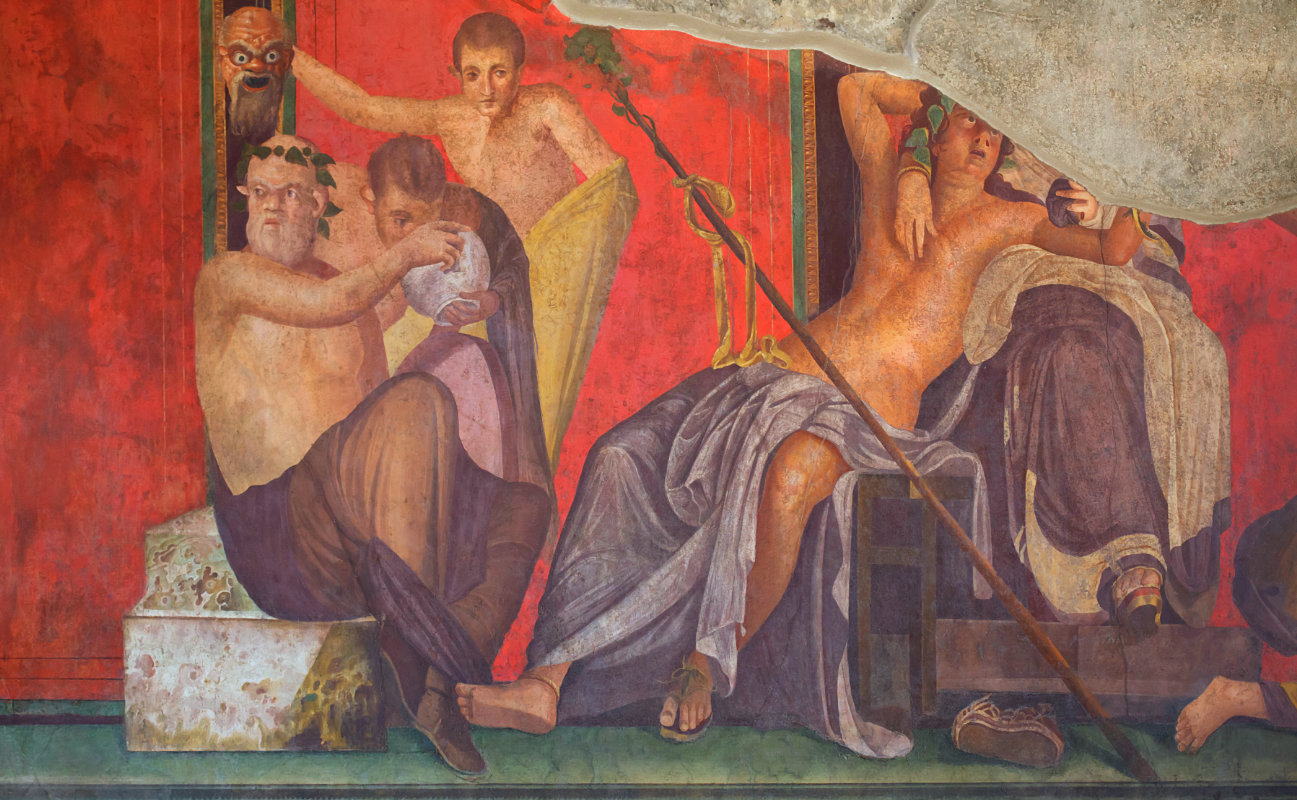
Peter Mark Adams: ‘The initiation was a frightening experience that caused some people to panic as a flood of otherworldly entities swept through the ritual space.’.
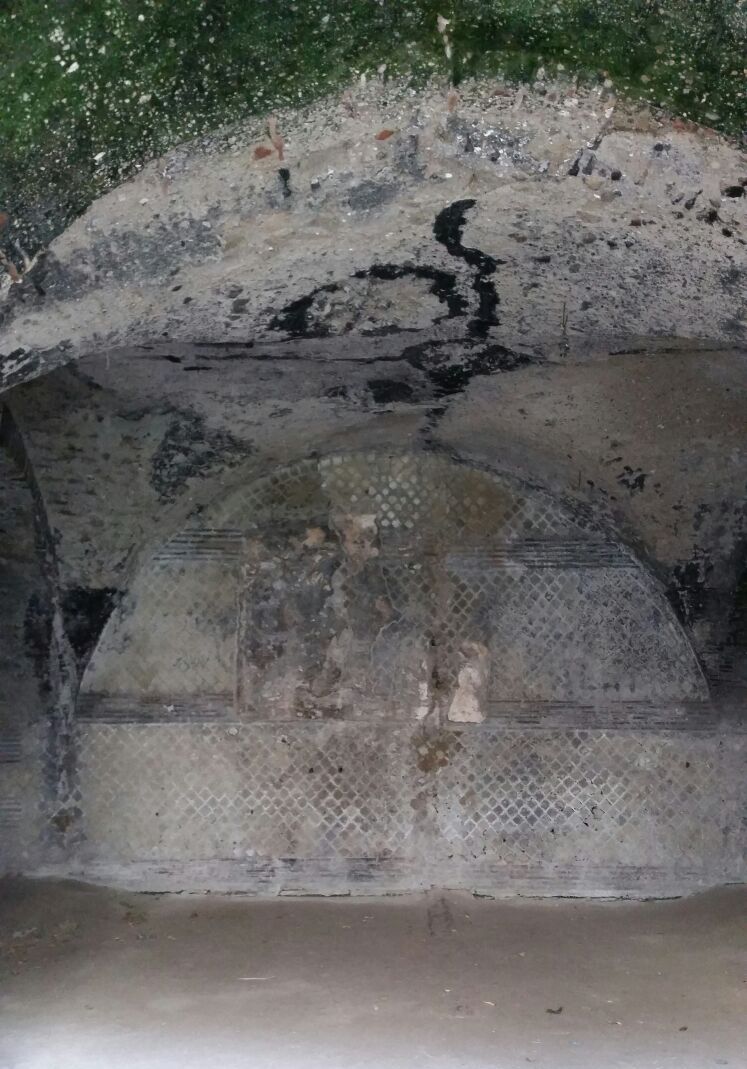
The Mithraeum of Carminiello ai Mannesi was installed in two rooms of a 1st century BC domus.
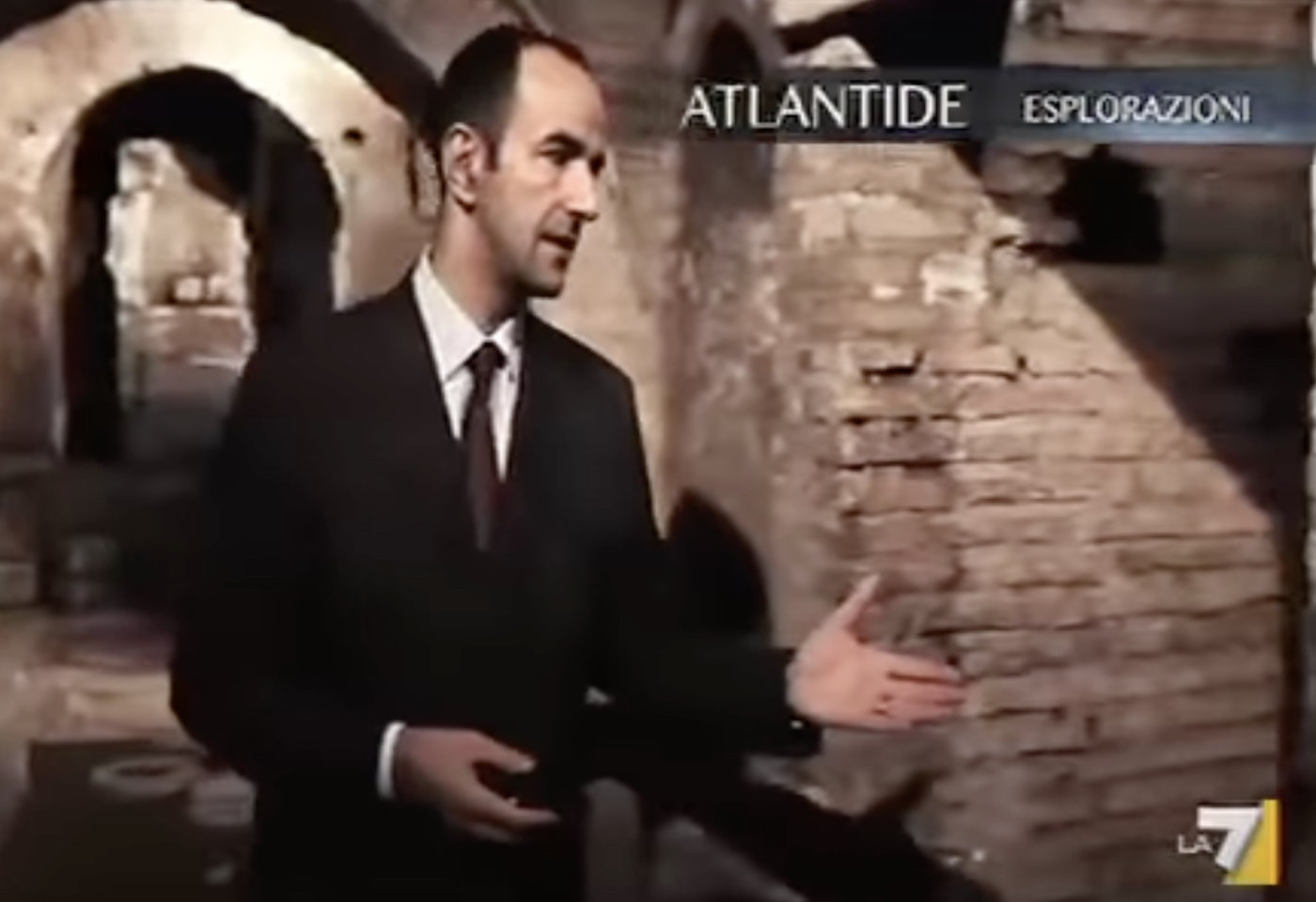
Video report of the Italian TV channel La 7 about Mithraism made in the Mithraeum of the Circo Massimo.
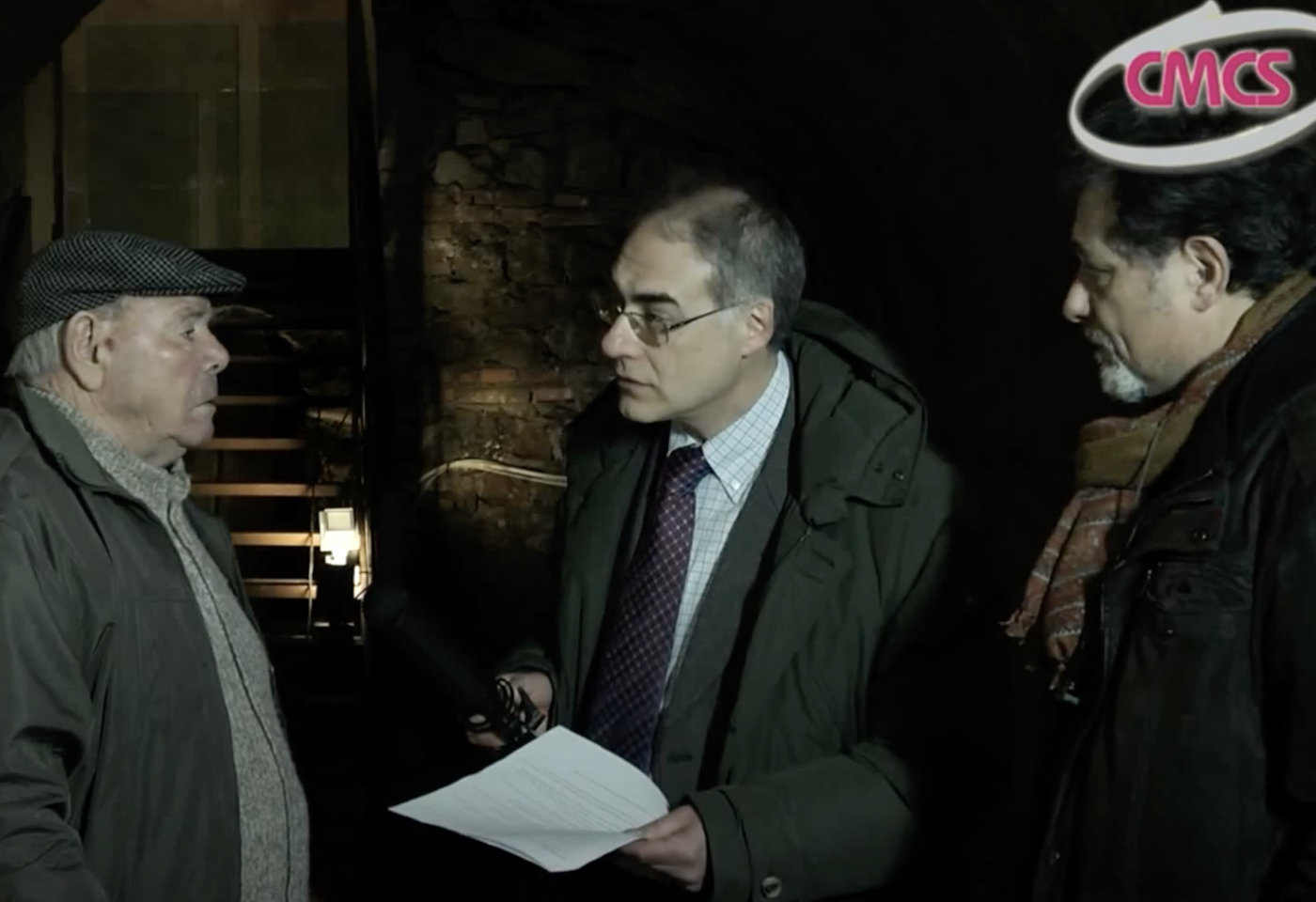
Interview to one of the workers who participated in the discovery of the temple of Mithras of Marino, Rome.

Jason Reza Jorjani, PhD, is a philosopher and author of Prometheus and Atlas, World State of Emergency, Lovers of Sophia, Novel Folklore: The Blind Owl of Sadegh Hedayat, and Iranian Leviathan: A Monumental History of Mithra's Abode.
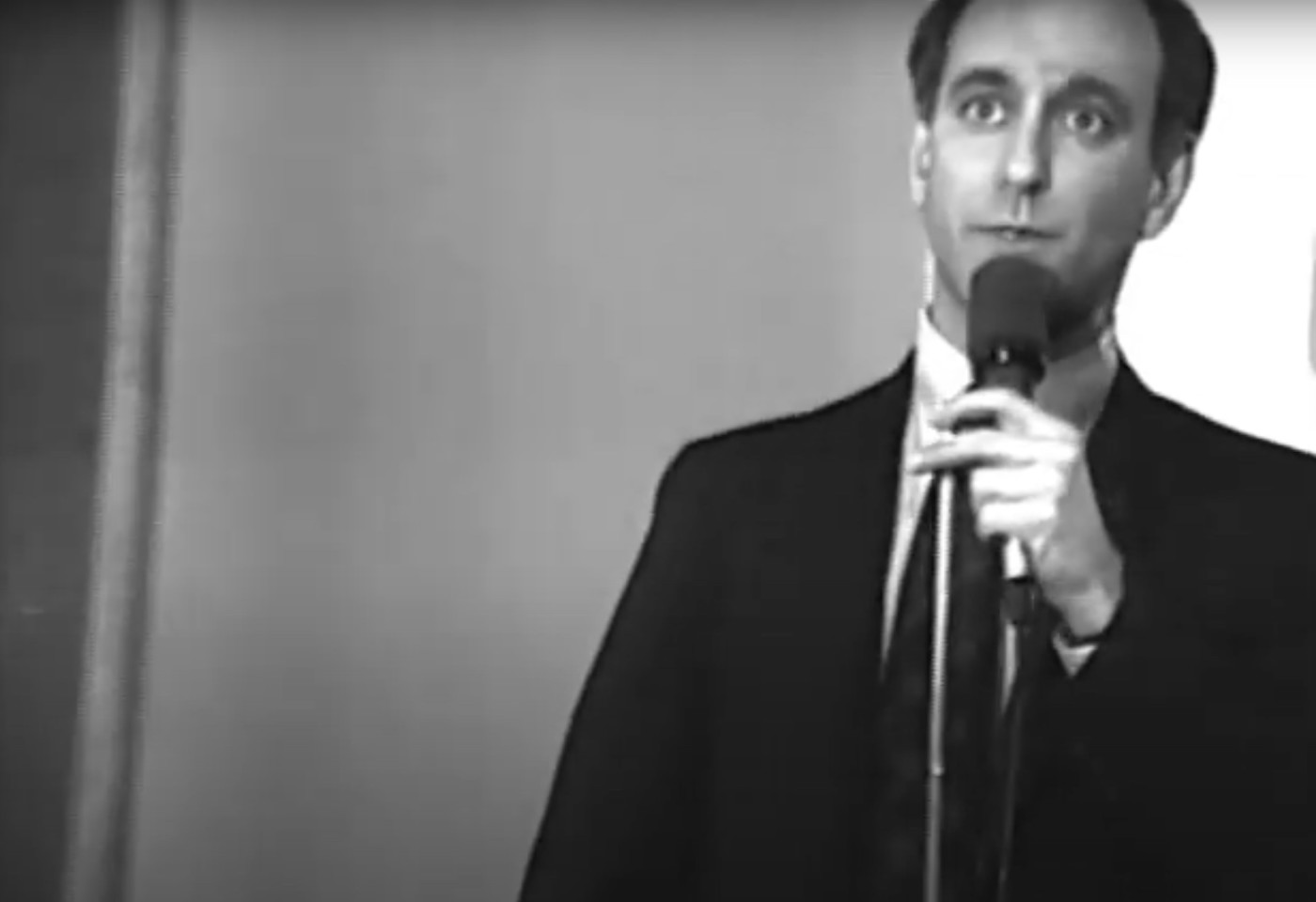
Public lecture by David Ulansey on Mithraism, based on his book The Origins of the Mithraic Mysteries: Cosmology and Salvation in the Ancient World.
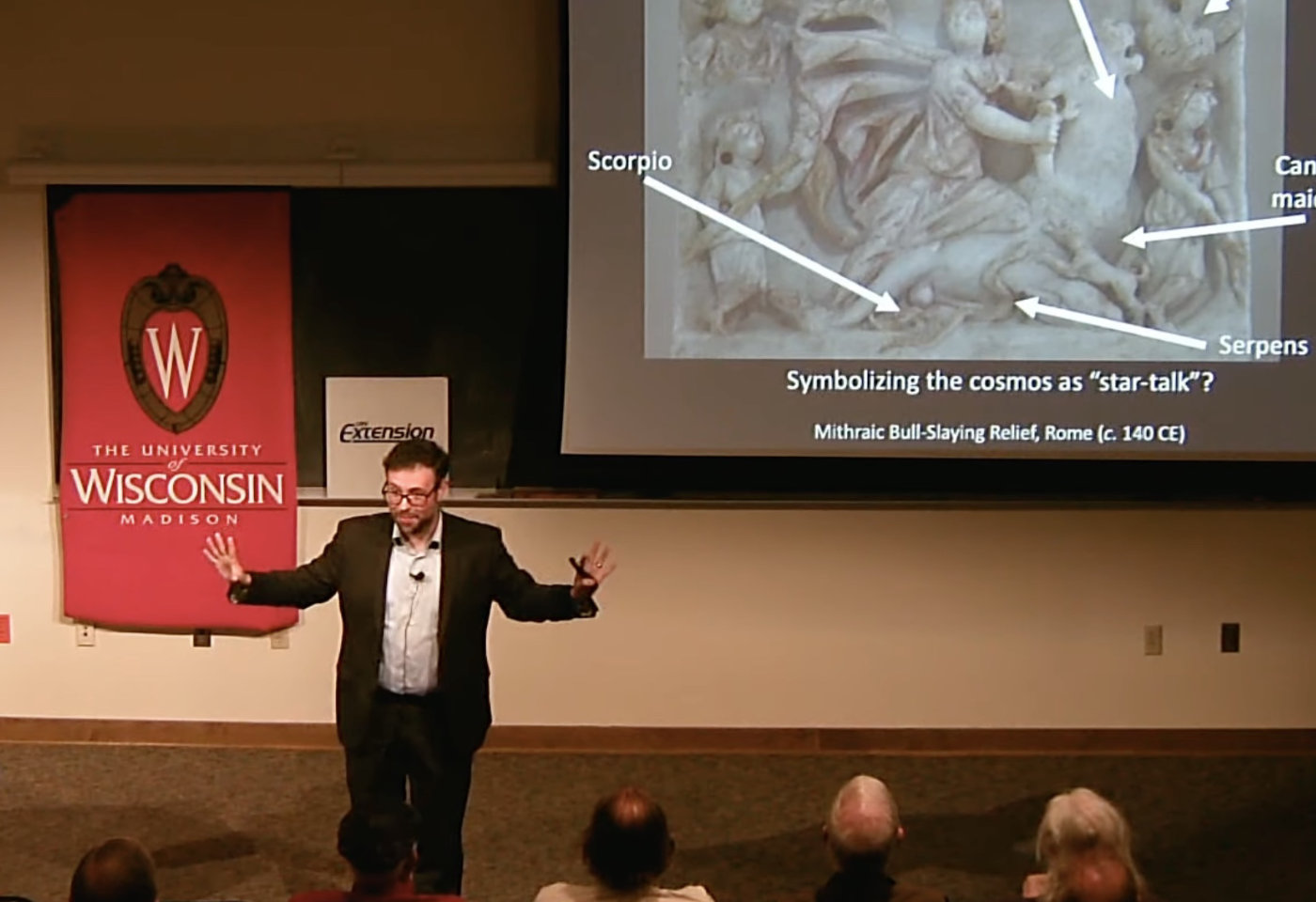
Our modern understanding of Mithraism, though, depends largely on a few short (and very problematic) literary mentions, mostly written by the cult’s Christian rivals.
Between the 1st and 4th centuries, Mithraism developed throughout the Roman world. Much material exists, but textual evidence is scarce. The only ancient work that fills this gap is Porphyry’s intense and complex essay.
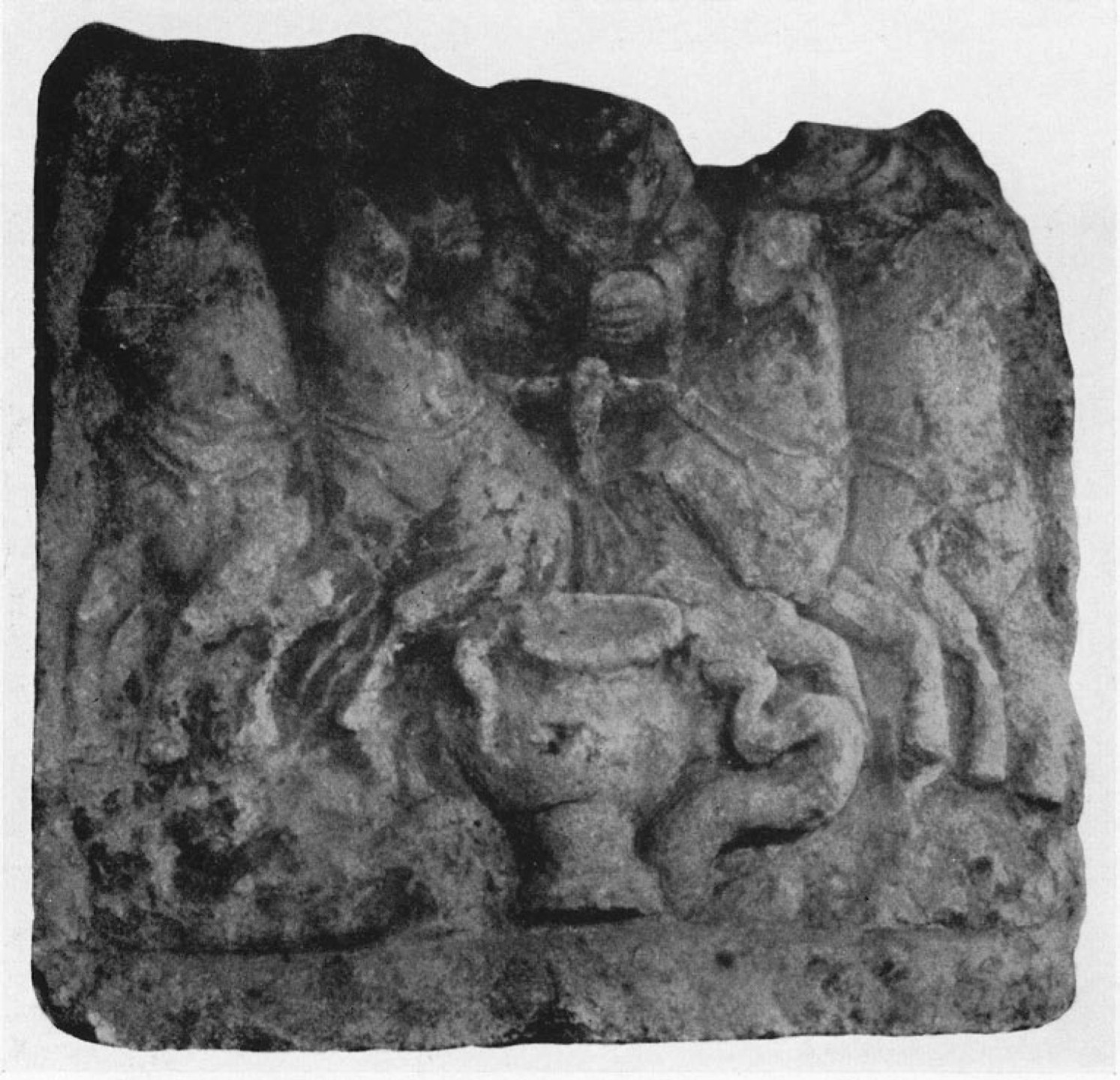
In the mithraic relief of Entrains, the god Sol is depicted riding his chariot together with Luna and a krater surrounded by a serpent.
Emperor Julian is supposed to have presided over a human sacrifice in the Mithraeum of Scarbantia, according to N. Massalsky.

The article reveals the context in which the first public appearance of Mitra happened to answer two questions: who were the first people to give prominence to this deity, and for what purpose they did so.
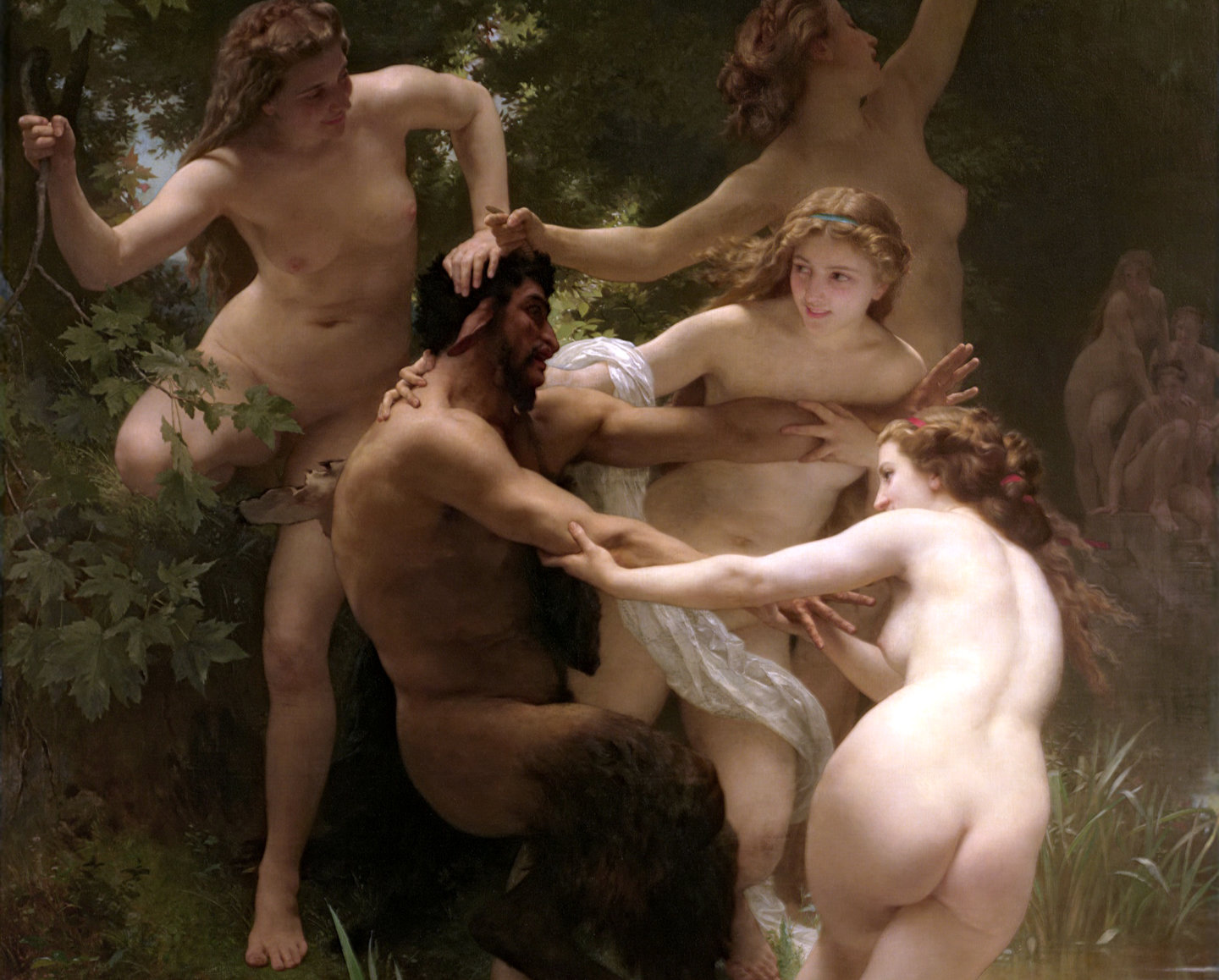
Italian artist inspired by mythology, sacred art, and the classical world.
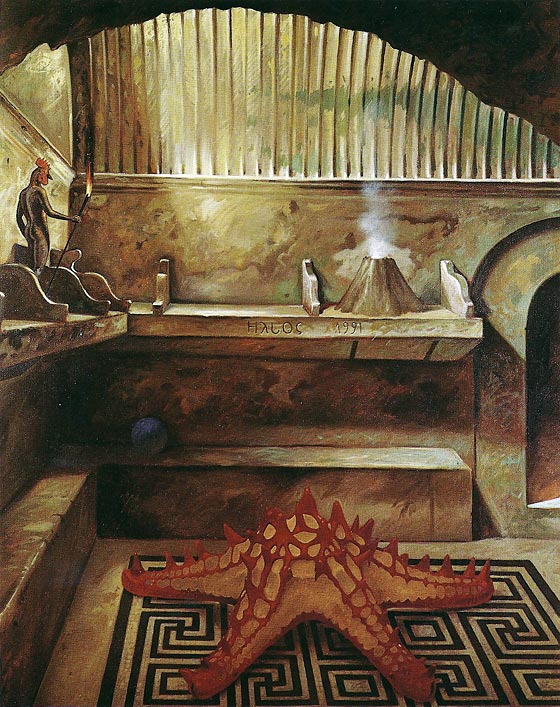
The mithraeum was the sacred space where the Mithraic brotherhood gathered for ritual, initiation, and communal meals.
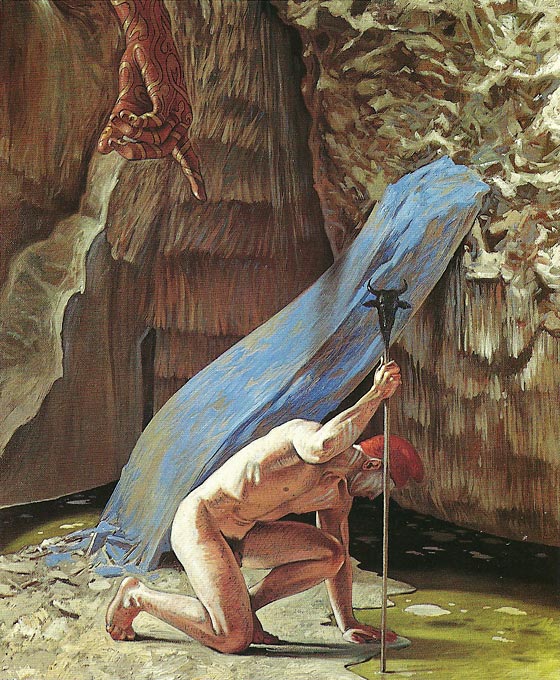
Those initiated into the Mithraic cult were called upon to climb up to seven symbolic rungs of the ladder ultimately leading to the rank of Pater.
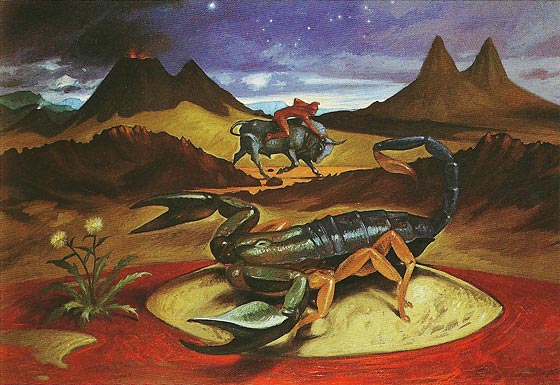
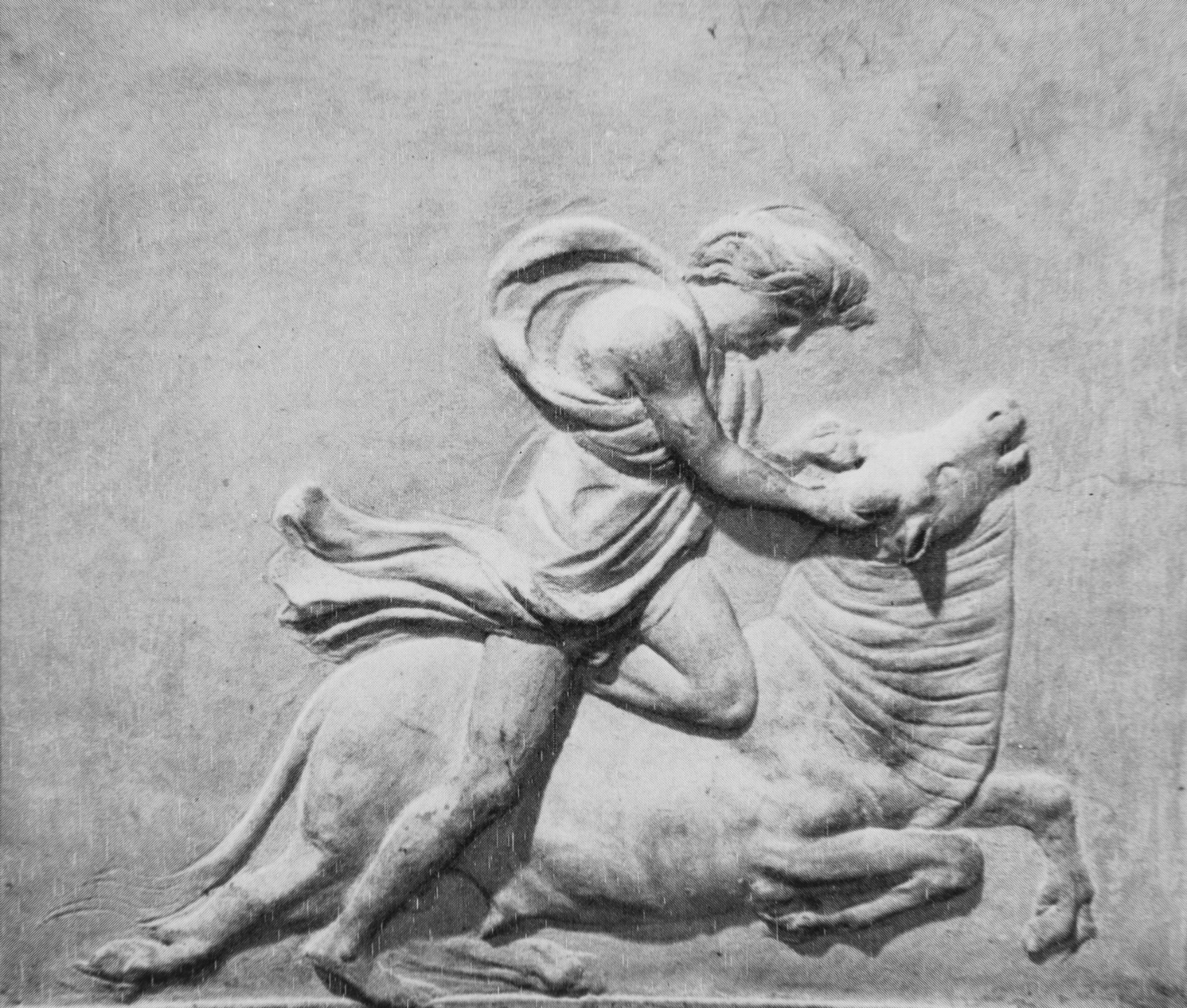
Although no written account of Mithras’ myth survives, the monuments of the Roman world preserve fragments of his sacred story.
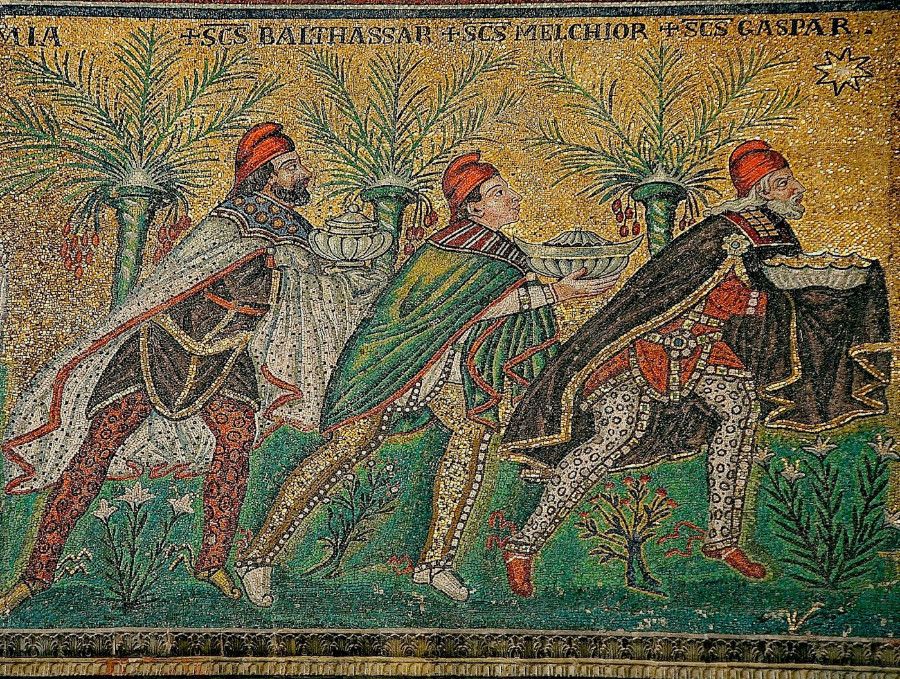
Despite the current political landscape of the US, we can look to antiquity to see that the red cap was actually once a symbol of citizenship and welcome to the foreigner.
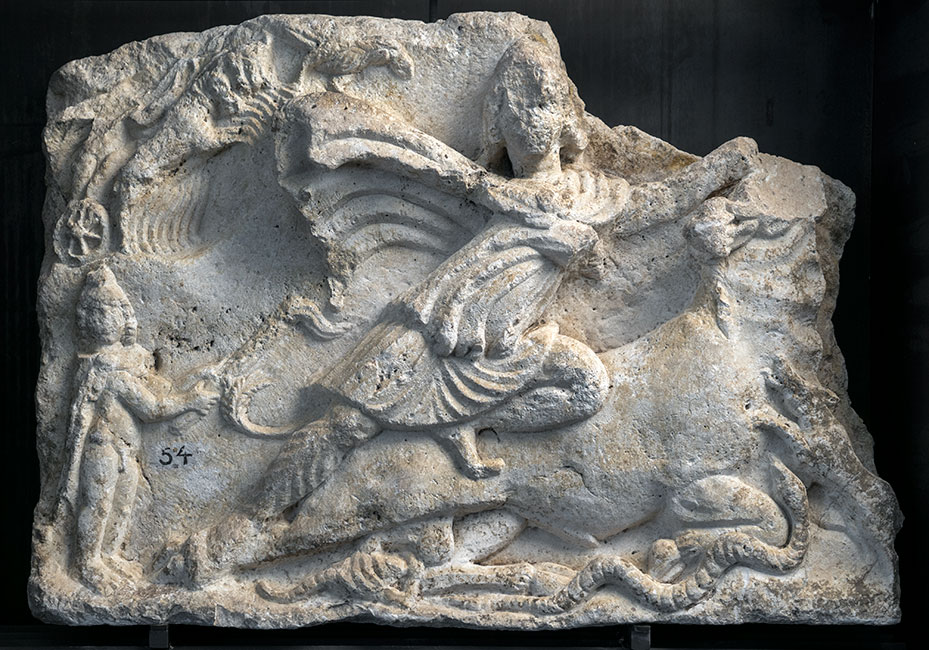
The relief of Mithras killing the bull of Zadar includes a naked Sol in a quadriga.
