Your search Al. N. Oikonomides gave 3559 results.
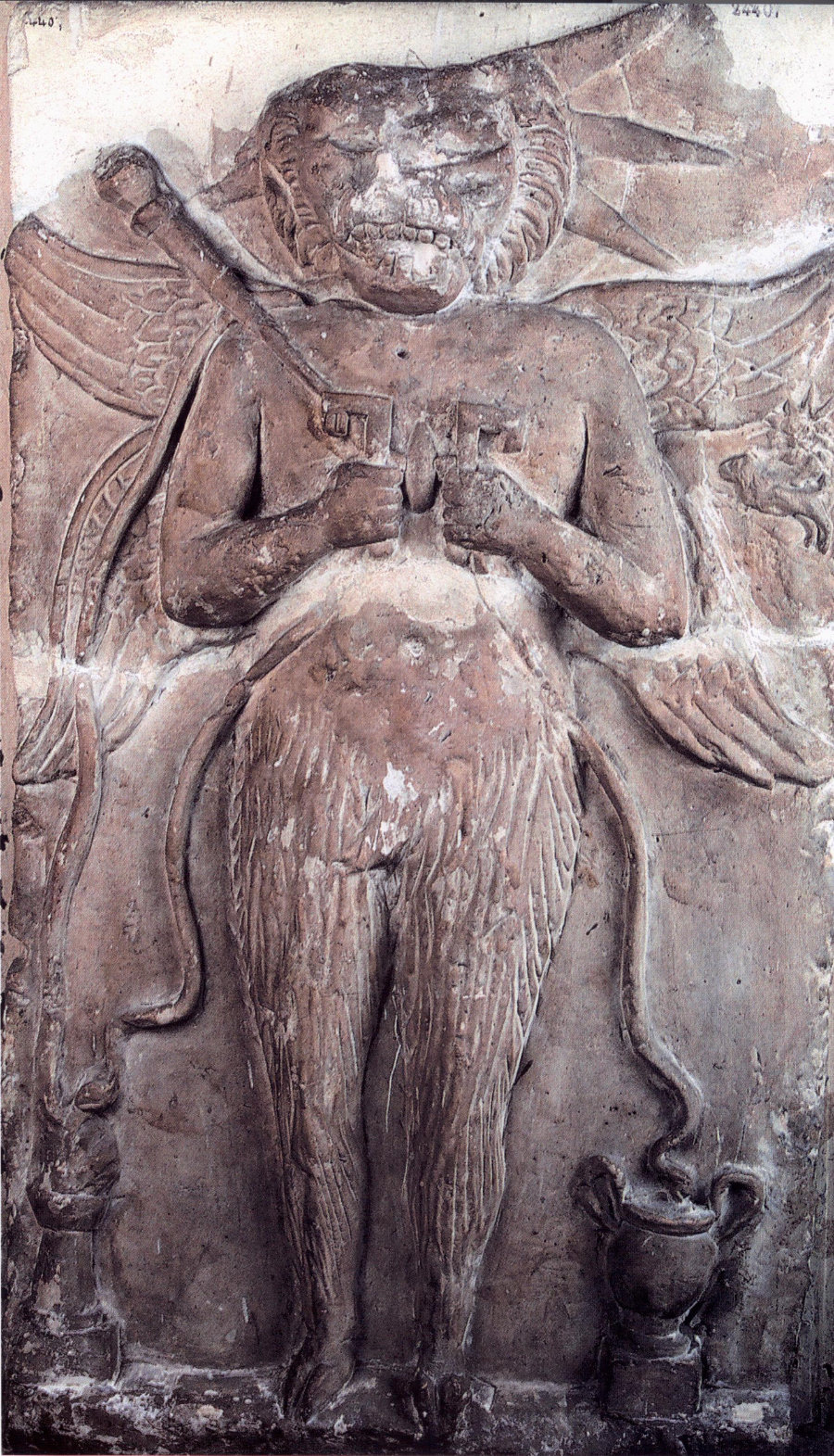
According to Pettazzoni Aion in general finds its iconographical origin in Egypt. Mithras must have been worshipped in Egypt in the third century B.C.

The dedicator of this marble basin could be the same person who offered the sculpture of Mithras slaying the bull in the Mitreo delle Terme di Mitra.
This inscription, found in the Mitreo della Planta Pedis, among some other monuments in Ostia, suggests a link between Mithras and Silvanus.

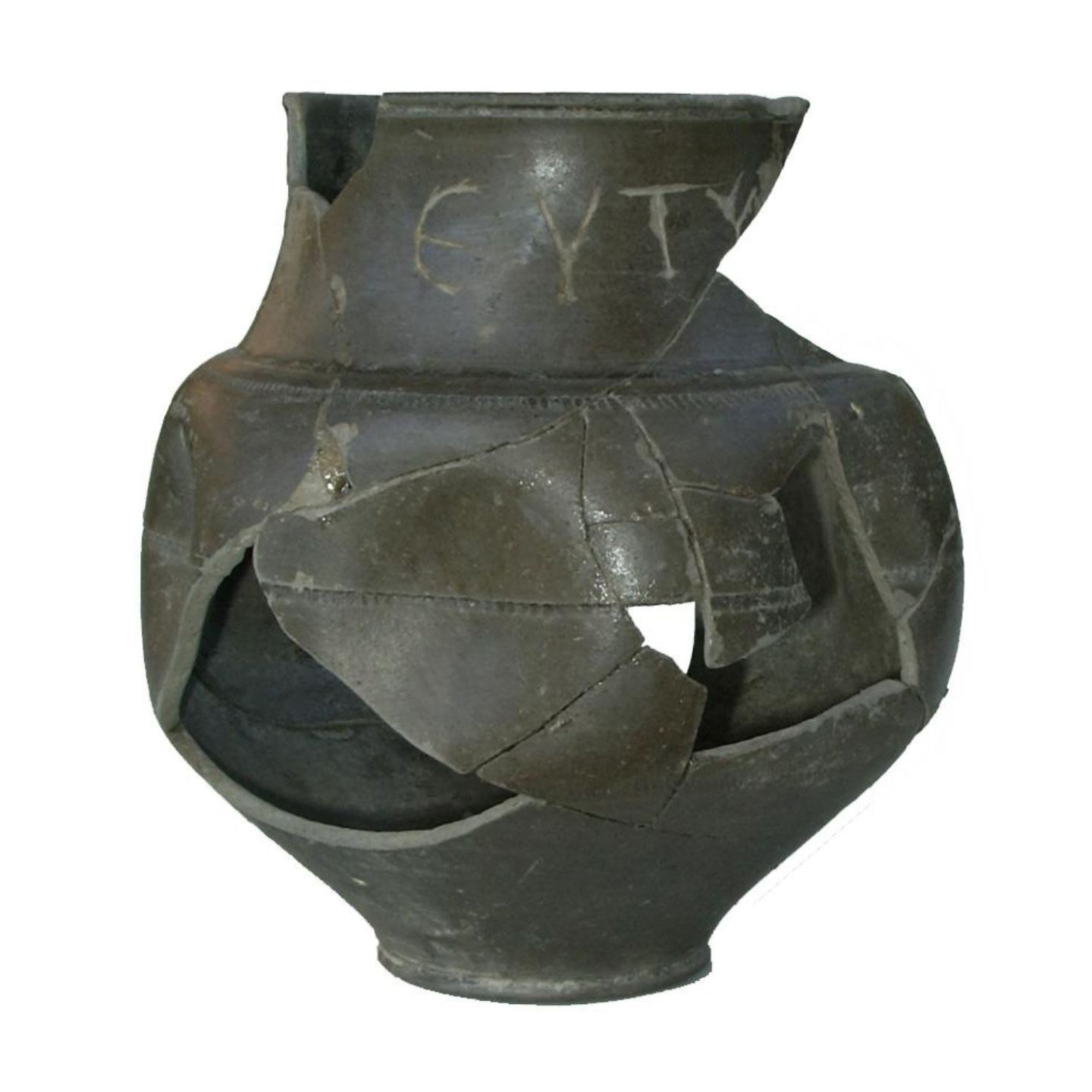
Ceramic cup inscribed with a Greek graffito and recovered from the Mithraeum of Martigny, providing evidence for the use of inscribed vessels within the sanctuary assemblage.
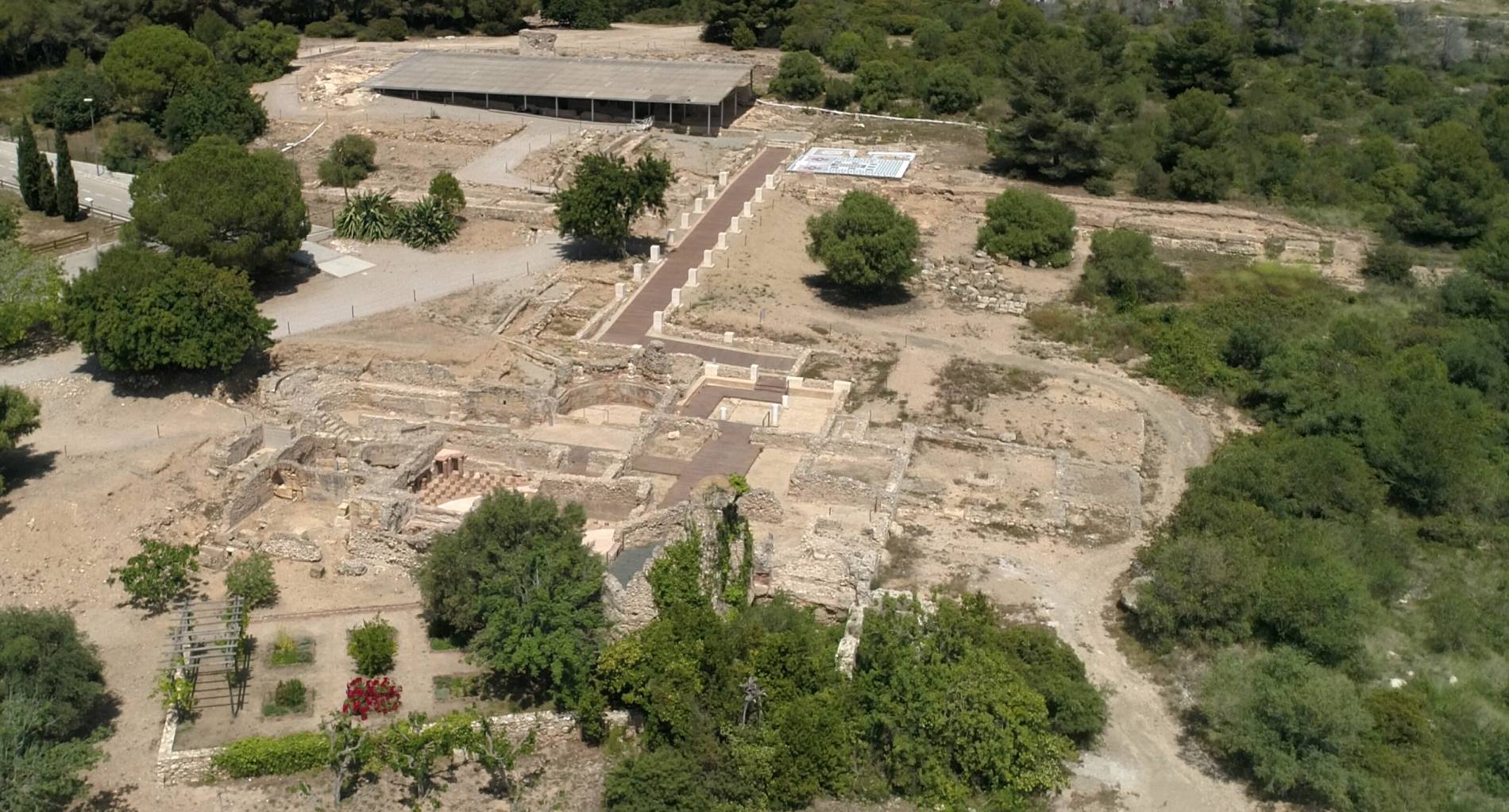
A possible Mithraic sanctuary attached to the luxurious Roman villa of Els Munts, near ancient Tarraco, whose interpretation remains disputed.

Fragments of a small bronze vase with two handles, one of which is broken off, from the Mithraic sanctuary at Angleur near Liège in Belgica.
A bronze statuette of a standing naked youth wearing a necklace and with outstretched hands, the thumb of the right hand touching the index finger, with a hole in the back for fastening, possibly representing Apollo, from the Mithraic sanctuary at Angleur near Liège in Belgica…
A group of bronze objects found in 1883 in a pit dug into the clay at Angleur near Liège in Belgica, proved by Cumont to have belonged to the decoration of a Mithras sanctuary, now in the Museum at Liège.
Two small stone fragments, possibly from a base, found at the Mithraeum of Les Bolards (ancient Venetonimagus) in Lugdunensis.
Fragments of a slab bearing an inscription mentioning Sol Aeternus and cohors II, found at the Mithraeum of Les Bolards (ancient Venetonimagus) in Lugdunensis.

Mithraic relief from Rome reproduced in figure 169 of the corpus.
Rough-hewn statuette found at Emir Ghasi in Lycaonia, once thought to represent a Mithraic soldier; according to Cumont, a modern forgery.
Small red sandstone fragment from the Mithraeum at Konjic, Dalmatia, preserving an oblong object — possibly an arm — within a border.
Inscription from Han Potoci, Dalmatia, dedicated to Deo Soli invicto Meteri by Aurelius Maximinus, Flavius Marcellinus, and Flavius Marcellus; Meteri is interpreted as a variant spelling of Mithrae.
Inscription from Nefertara, Dalmatia, dedicated to Invicto Augusto by Aurelius, probably dated to the consulship of Aspro and Orfito.
Tauroctony relief mentioned from a mountaintop at Krivošije near Risn, Boka Kotorska, Dalmatia, found before World War I; the relief was lost.
Fragmentary inscription from Aequum, Dalmatia, preserving only the phrase invicti posuit.
Upper part of an epistylium or building fragment from near the church of S. Marco at Prozor, Dalmatia, bearing the dedication to Deo invicto Mithrae.
