Your search Alba Iulia gave 153 results.
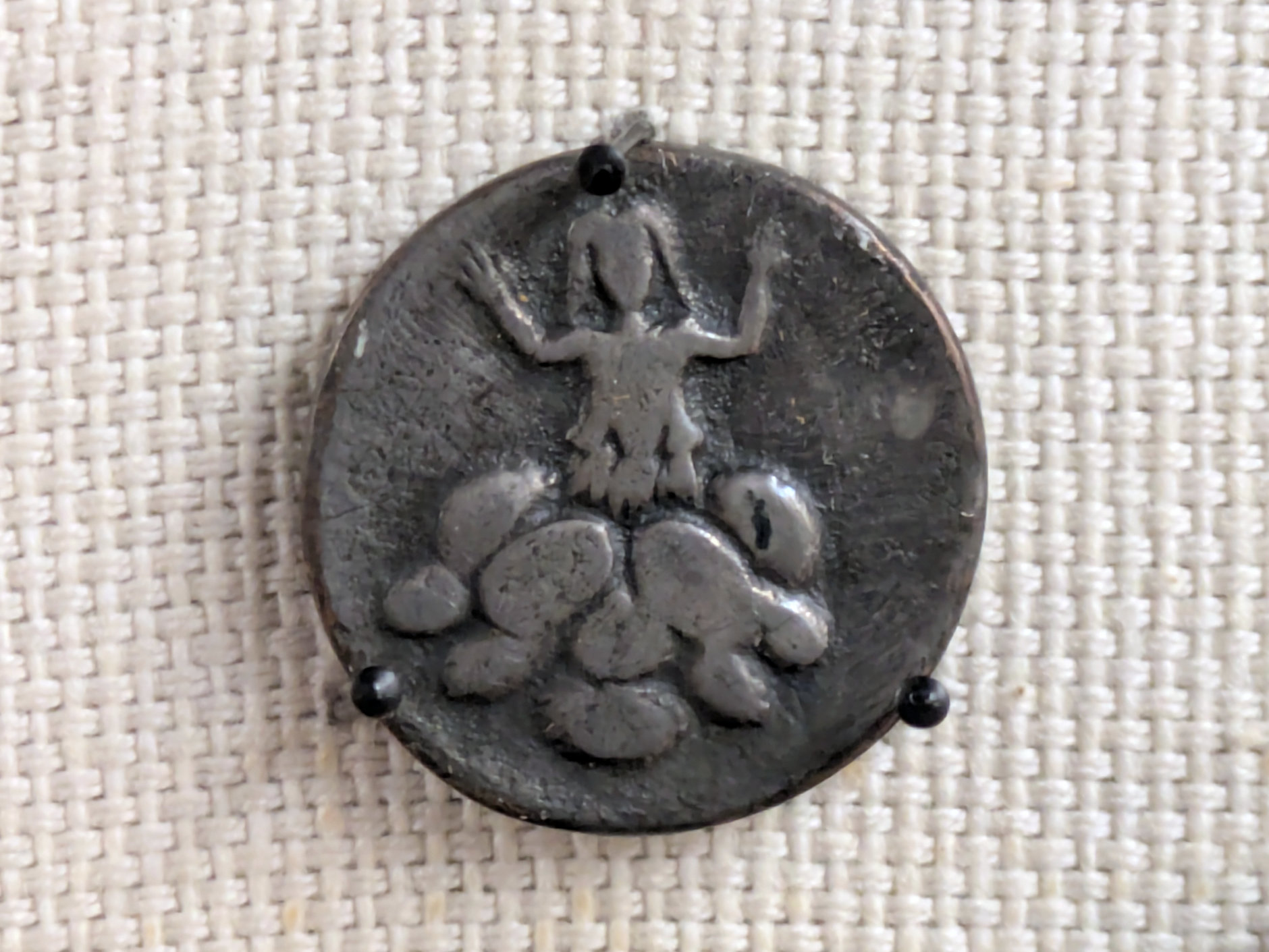
The mithraic denarius of St. Albans dates from the 2nd century.
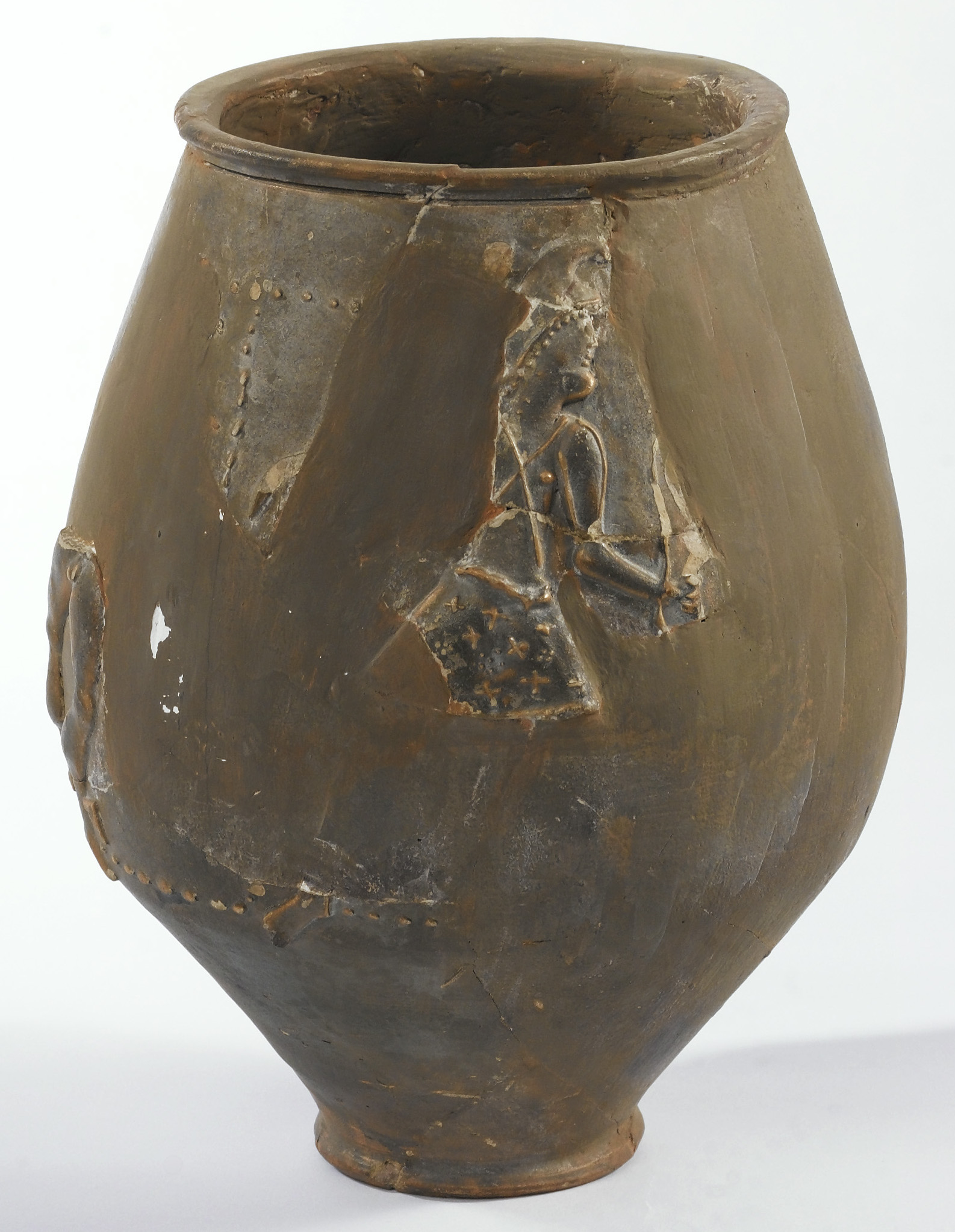
The St Albans mithraic vase depicts fragments of three figures identified by Vermaseren as Hercules, Mercury and Mithras as an archer.

Inscription from Oarda de Sus near Apulum, Dacia, dedicated to Invicto Mithrae by Potinus ex voto.
Inscription copied at Vintu de Jos near Apulum, Dacia, in the 16th century, probably from Apulum, dedicated to Invicto Mithrae by Lucius Octavius Gratus.

Marble tauroctony relief from Vintu de Jos near Apulum, Dacia, depicting the standard bull-slaying scene.
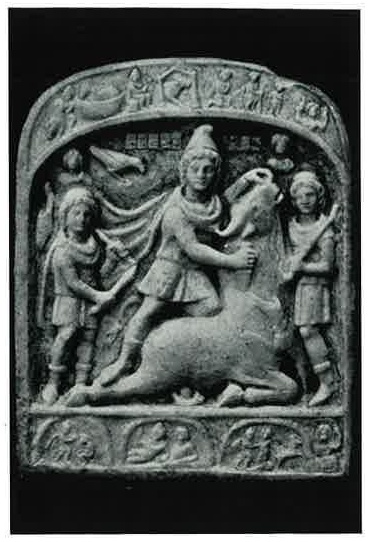
White marble tauroctony relief found in the river Mureș at Vintu de Jos near Apulum, Dacia, around 1859, depicting the bull-slaying with the full iconographic programme.
Inscription from Apulum, Dacia, dedicated to Deo bono puero Phosphoro — the Good Boy who Brings Light — a Mithraic epithet attested in several inscriptions from Apulum.
Inscription from Apulum, Dacia, dedicated to Bono Puero by Aurelius Chrestus — one of several dedications to the Bonus Puer from Apulum with Mithraic associations.
Inscription from Apulum, Dacia, dedicated to Soli invicto Mithrae by Turranius Marcellinus and Antonius Senecio Iunior, conductores armamentarii — managers of the imperial arms depots.
Inscription from Apulum, Dacia, dedicated to Mithrae sacrum by a dedicant whose name begins with M.
Small Mithras relief from Apulum, Dacia, mentioned by Buday but not published; a design shows the bust of Sol with one ray pointing towards Mithras.
Greek inscription from Apulum, Dacia, dedicated to Helios aneuketos — the invincible Sun — by Hermes, son of Gorgios.
Limestone altar from Apulum, Dacia, decorated on one side with Medusa, on another with a vase, flowers, a bull's head, and a serpent; the front bears an inscription.
Inscription from Apulum, Dacia, preserving the end of a dedication by a beneficiarius consularis.
Author's observation that several inscriptions from Apulum, Dacia (CIL III 1096, 1095, 1154, 1002) may belong to a sanctuary of Diana rather than to a Mithraeum.
Inscription from a house wall at Apulum, Dacia, dedicated to Cautes by Gaius Herennius Ermes.
White marble tauroctony relief from Apulum, Dacia, depicting Mithras killing the bull in a grotto with dog and serpent; formerly in a private collection in Budapest.
Slab from Apulum, Dacia, dedicated to Soli invicto by Quintus Caecilius Laetus, legatus Augusti of Legio XIII Gemina.
Statues of a man and a woman from the same Mithraic context at Apulum, Dacia; no further details are known.
Altar from Apulum, Dacia, dedicated to Iovi optimo maximo by Claudius Niger; included in the Mithraic corpus by proximity to other monuments from the same context.
