Your search Ancient Agora of Athens gave 661 results.
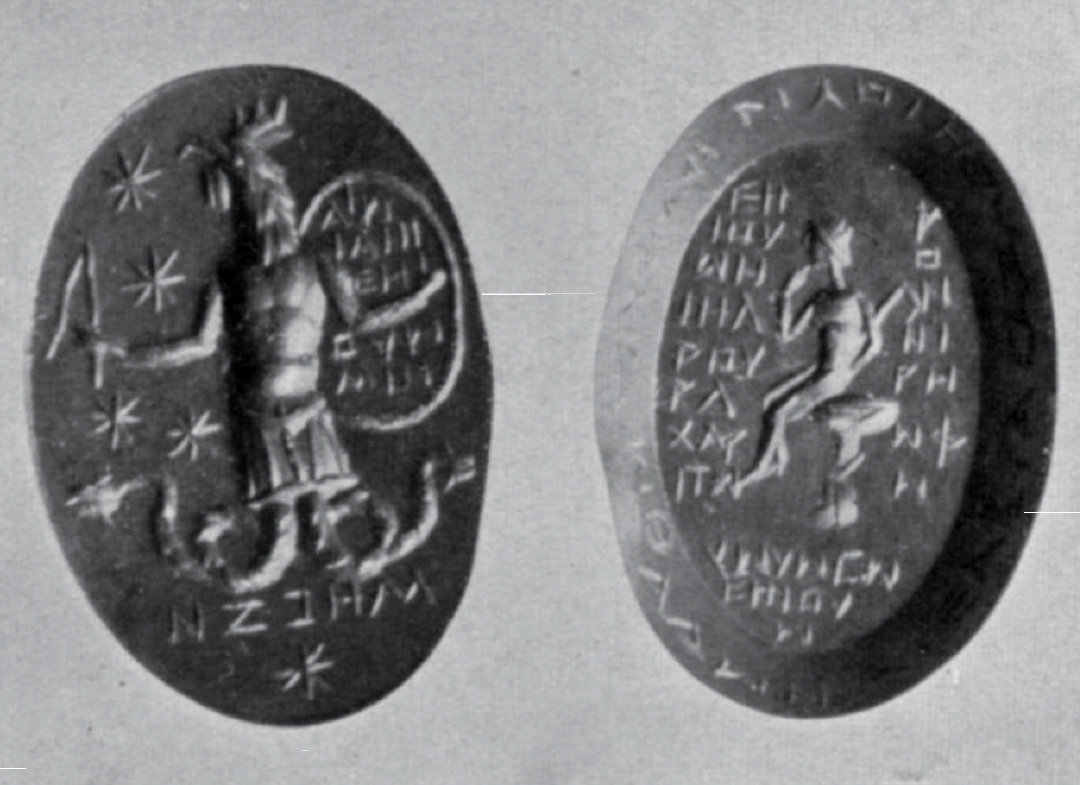
Gnostic amulet found in the ancient Agora of Athens, depicting Abraxas on one side and a Mithraic inscription on the other.
This collective volume explores the ways ancient peoples interacted with divine powers through prayer, magic, and the interpretation of the stars. Drawing on evidence from Mesopotamia to Late Antiquity, it situates these practices within broader religious and cosmological systems…
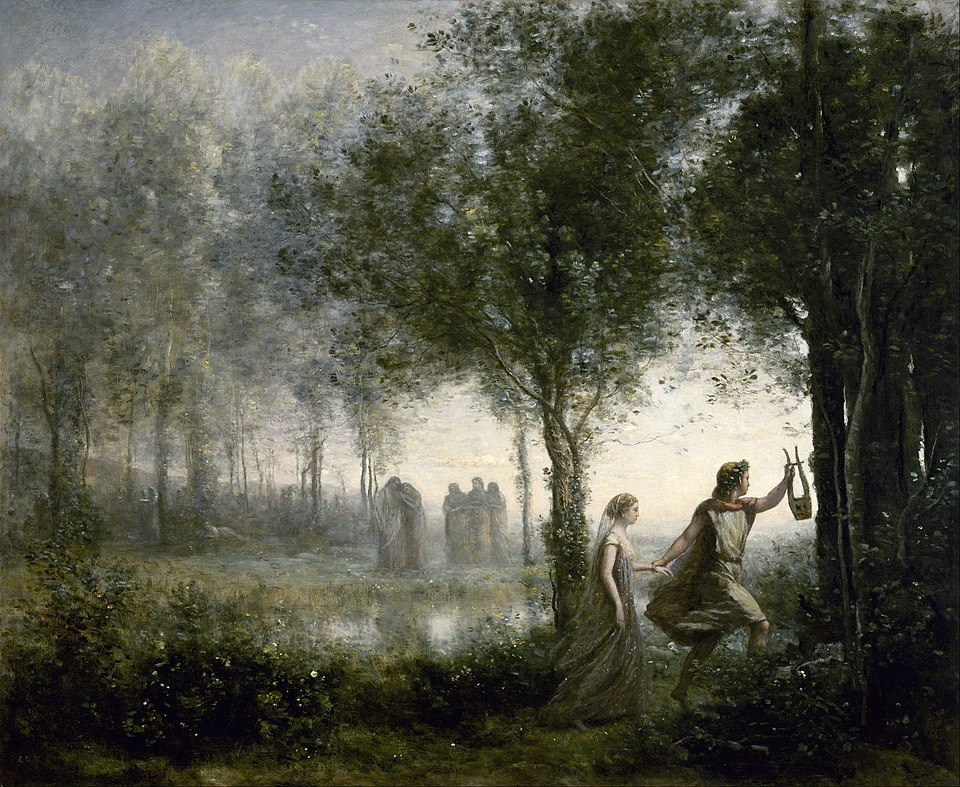
By reading Orphic theology together with Eleusinian ritual practice, the mysteries emerge as a structured mystagogy of transformation: a disciplined passage from forgetfulness (Lethe) to knowledge (aletheia), from mortality to participation in the divine.

Two embroidered pieces from an Egyptian grave, dated to the early centuries AD, now in the Benaki Museum in Athens, depicting a Mithraic procession with figures on horseback and attendants.
Marble bust from the south-east slope of the Acropolis at Athens, from the Attic mountain Pentelikon, depicting a man with an uncovered breast and mantle; probably Mithras, though the head is lost.
Algis Uždavinys presents philosophy as a sacred practice of inner rebirth, rooted in ancient Egyptian and traditional wisdom rather than a purely rational discipline.
Lenni George on Hekate’s development across ancient traditions, from mystery cults to magical practice and philosophical thought.
Between the 1st and 4th centuries, Mithraism developed throughout the Roman world. Much material exists, but textual evidence is scarce. The only ancient work that fills this gap is Porphyry’s intense and complex essay.
Greek inscription from Athens, recording that Acrisius dedicated a gift to Mithras in honour of Chrysippos.

David Ulansey argues that Mithraic iconography was actually an astronomical code, and that the cult began as a religious response to a startling scientific discovery.
An altar found in 1889 at Caldas de Reyes (ancient Iria Flavia) in Galicia, bearing a fragmentary dedication to Cautes, possibly by a person named Antonius.
An altar found at Milan (ancient Mediolanum), dedicated to the Invincible Mithras by Varia Severa, daughter of Quintus; because the dedicant is a woman, Cumont suggests it may alternatively be dedicated to the Dis Manibus.
Two small stone altars from Apt (ancient Apta Iulia) in Narbonensis, one bearing a carved upraised torch representing Cautes and the other a downturned torch representing Cautopates.
A suggestion by H. Corot that a Mithraeum may have existed near the sources of the Seine (ancient Sequana) in Lugdunensis, a hypothesis awaiting archaeological confirmation.
A funerary inscription from Besançon (ancient Vesontio) in Belgica, bearing the title mater sacrorum, but correctly excluded from the Mithraic corpus, as women were barred from Mithras sanctuaries.
A fragmentary inscription from Scaleby Castle near Cambeckfort (ancient Petrianae), preserving a partial dedication to Sol Mithras.
A marble relief found in 1851 built into the adjoining hall of White Friars at Chester (ancient Deva), now in the Grosvenor Museum, depicting a standing dressed figure with a sheep-hook in his left hand and possibly a downward-pointing torch in his right…
A stone relief from Chester (ancient Deva), now in the Grosvenor Museum, depicting a cross-legged torchbearer in Eastern attire pointing his torch downwards with his right hand.


