Your search Arsha wa Qibar gave 724 results.

Gaius Valerius Iulianus was a lion who erected an altar to Cautopates in Statio, the present-day Angera, with his brother Marcus.

Together with his uncle, he was a syndexios of the Mithraeum in Stockstadt.


Senilius Carantinus, also named Cracissius, was a citizen (civis) of Mediomatrici.


Murius Victor was an aedile of Civitas Taunensium who, in fulfilment of a vow, built an altar to Mithras.

Marcus Statius Niger was a lion who erected an altar to Cautopates in Statio, the present-day Angera, with his brother Gaius.

A comrade of Charitinus, he was a freedman who consecrated an altar to Mithras for the emperors Philip the Arab and Otacilia Severa.

I am Iranian American who is interested in learning more about the Mithraums in Europe
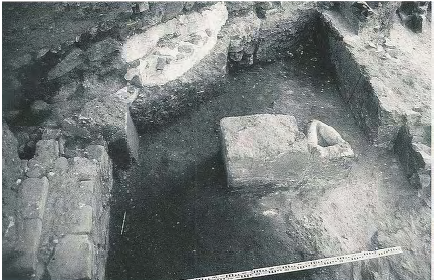
The Mithraeum at Espronceda Street, in Merida, was discovered in 2000. It is a semi-subterranean temple.
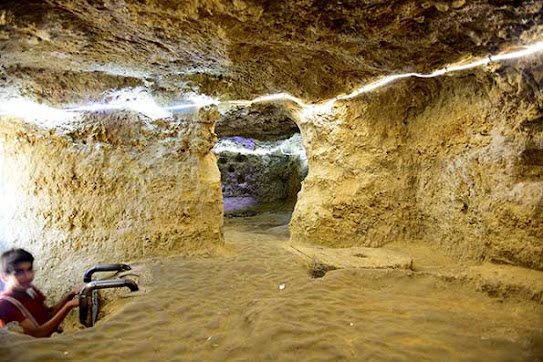
The Niasar Cave, غار نیاسر, was a temple probably devoted to Iranian Mithras that dates back to the early Partian era.

The exploration of an old pazo, a manor house, near the Roman wall, in Lugo, led to the discovery of a Roman domus, which existed continuously from the beginnings of the Christian Era until the Late Empire.
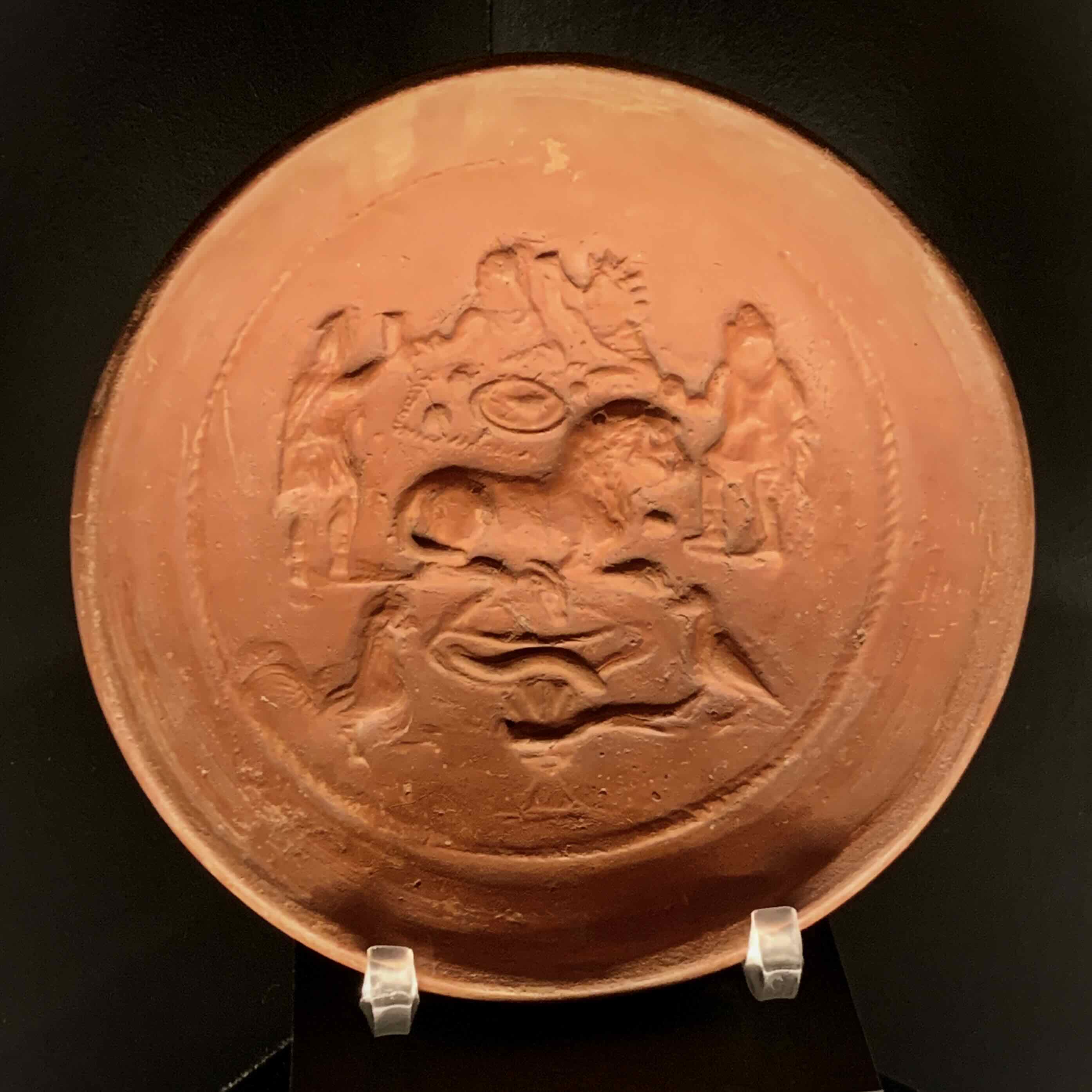
This terra sigillata was found in 1926 in a grave on the Roman cemetery of St. Matthias, Trier. An eyelet indicates that it could have been hung on a wall.
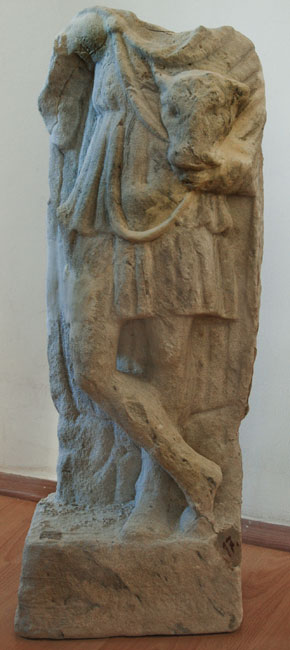
This sculpture of Cautes holding a bull’s head was found in 1882 in Sarmizegetusa, Romania.

This fragment of a sculpture depicting the birth of Mithras from a rock, intertwined with a chaotic mass of serpent coils, was discovered in Aquileia, Italy.

This very fine relief of Mithras killing the bull was discovered in 2014 in Germán, near Sofia, Bulgaria, and is now housed in the Sofia History Museum.

The Mithraeum of Visentium, near Capodimonte in Viterbo, was carved grotto-style into a tuff cliff overlooking the waters of Lake Bolsena, just a few dozen metres away.
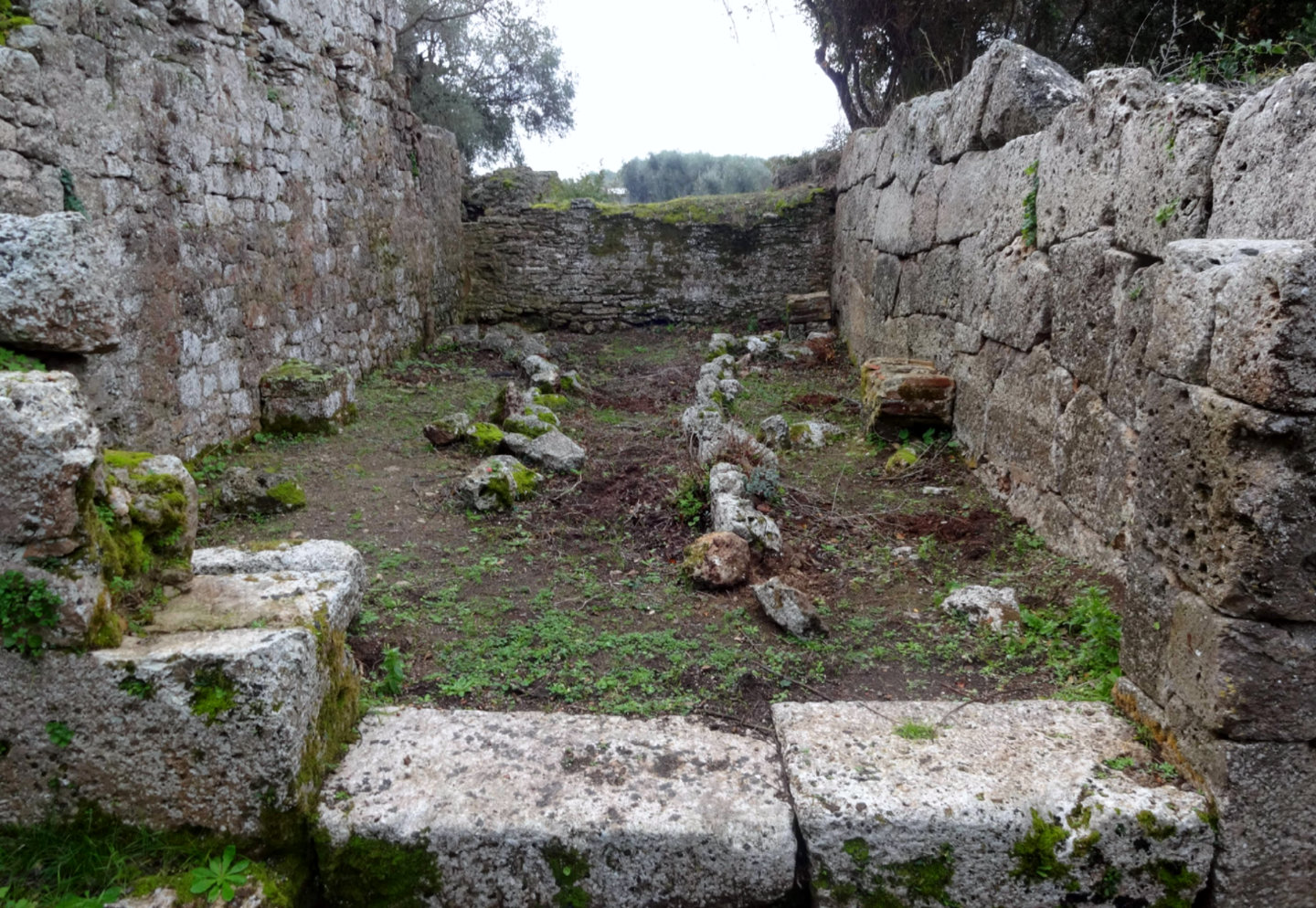
The Mithraeum was inserted into the basement of the basilica-theater by the 3rd century.

"The remaining figure on this monument, Herakles, was previously misidentified as Apollo on this remarkable black basalt tablet from Samsat, known in Roman times as Samosata.
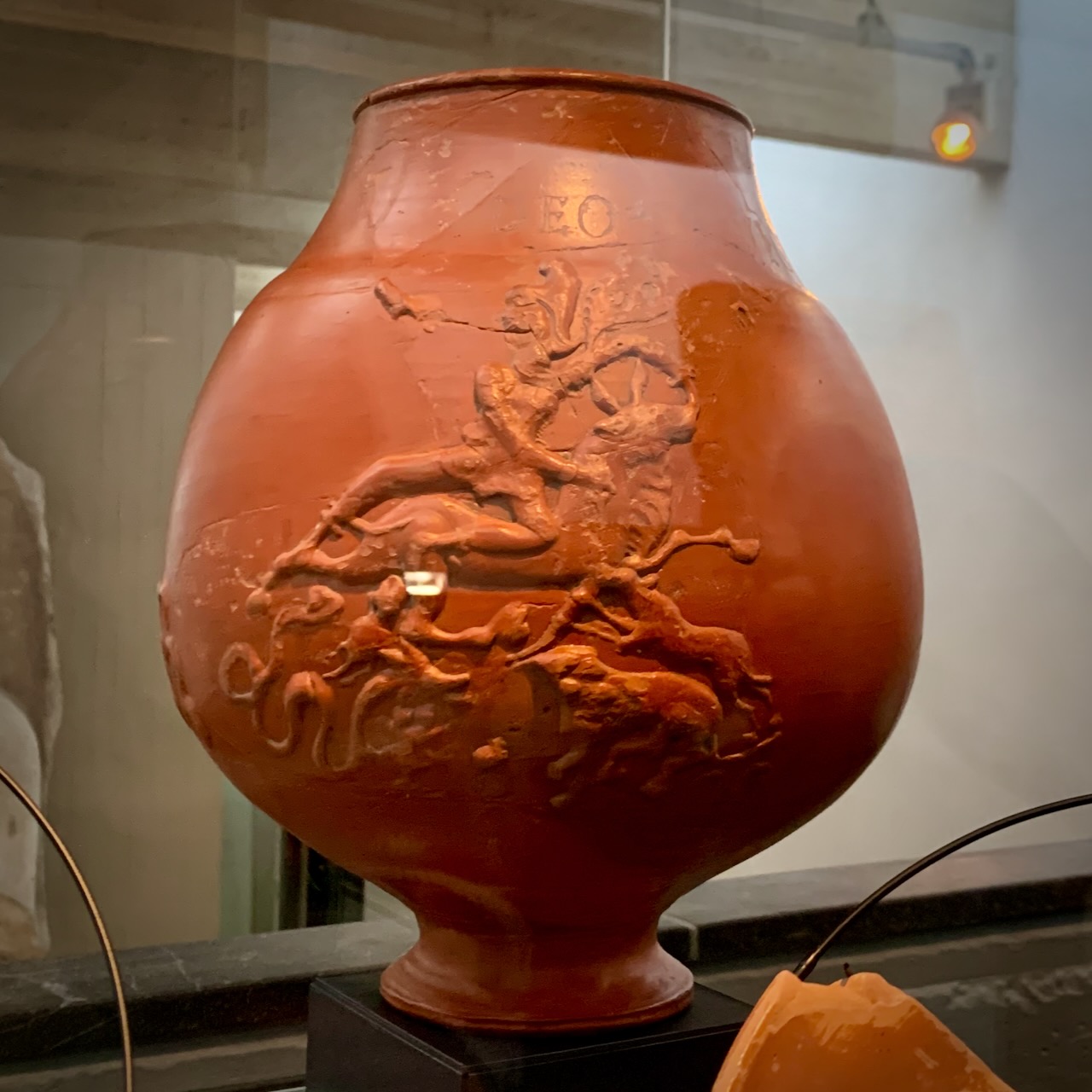
The Mühltal Mithraic crater was discovered among the artefacts of a mithraeum found in Pfaffenhoffen am Inn, Bavaria.
