Your search As Salhiyah gave 2383 results.

Red sandstone altar fragments from the Mithraeum at Königshoffen, reused as a step or threshold in the sanctuary's third building phase, preserving only the opening of a dedication to Deo invicto Mithrae.
Upper portion of a sandstone altar from the Mithraeum at Königshoffen, later reused as building material, bearing a dedication by Ianussa on both the front and reverse faces.
Grey sandstone tauroctony relief from the Mithraeum at Königshoffen, heavily restored, depicting Mithras killing the bull with Cautes and Cautopates and the busts of Sol and Luna; only the lower part of Cautopates and the crossed legs are original.
Fragment of a dark red sandstone altar from the Mithraeum at Königshoffen preserving a dedication to Deo Soli invicto Augusto; found in the eastern part of the sanctuary.
Grey sandstone hand holding a globe from the Mithraeum at Königshoffen, with a lead bar indicating attachment to a larger statue; a second globe with a partial hand was found at the same spot.
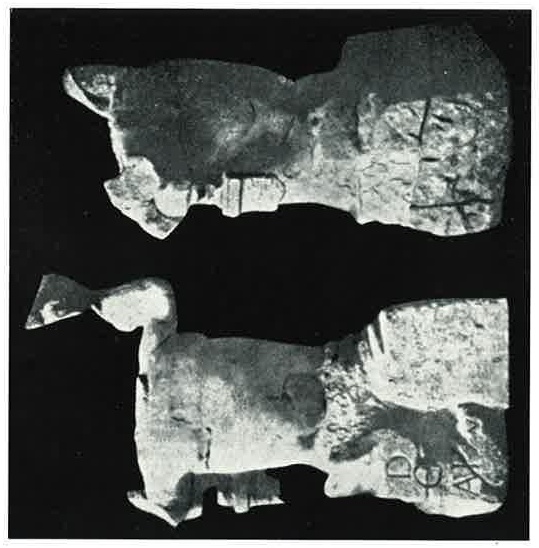
Sandstone statue from the entrance area of the Mithraeum at Königshoffen depicting the youthful naked Mithras emerging from the rock, with the sheath of a dagger still visible at his hip; head, right arm, and left hand are lost.
Stone torso of a naked winged figure from the Mithraeum at Königshoffen, identified as Aion; the head is lost, but remnants of a wing survive at the right shoulder, and the statue likely stood on a preserved base with traces of two feet.
Evidence for a Mithraeum at Sentinum (modern Sassoferrato) in ancient Umbria, attested by a marble tauroctony group and three inscriptions, with a related mosaic found on the grounds of the Countess of Leuchtenberg and later given to King Louis of Bavaria…
A marble statue fragment found at Sentinum (modern Sassoferrato) in ancient Umbria, walled in the atrium of the Palazzo Raccamadoro-Ramelli, showing Mithras tauroctone with dog, serpent and scorpion, one foot pointing towards a torchbearer; the bull's head, tail and Mithras'…
Sepulchral inscriptions from Lycaonia bearing the titles leo and aetos, previously interpreted as Mithraic grades but now understood as referring to tomb architecture.
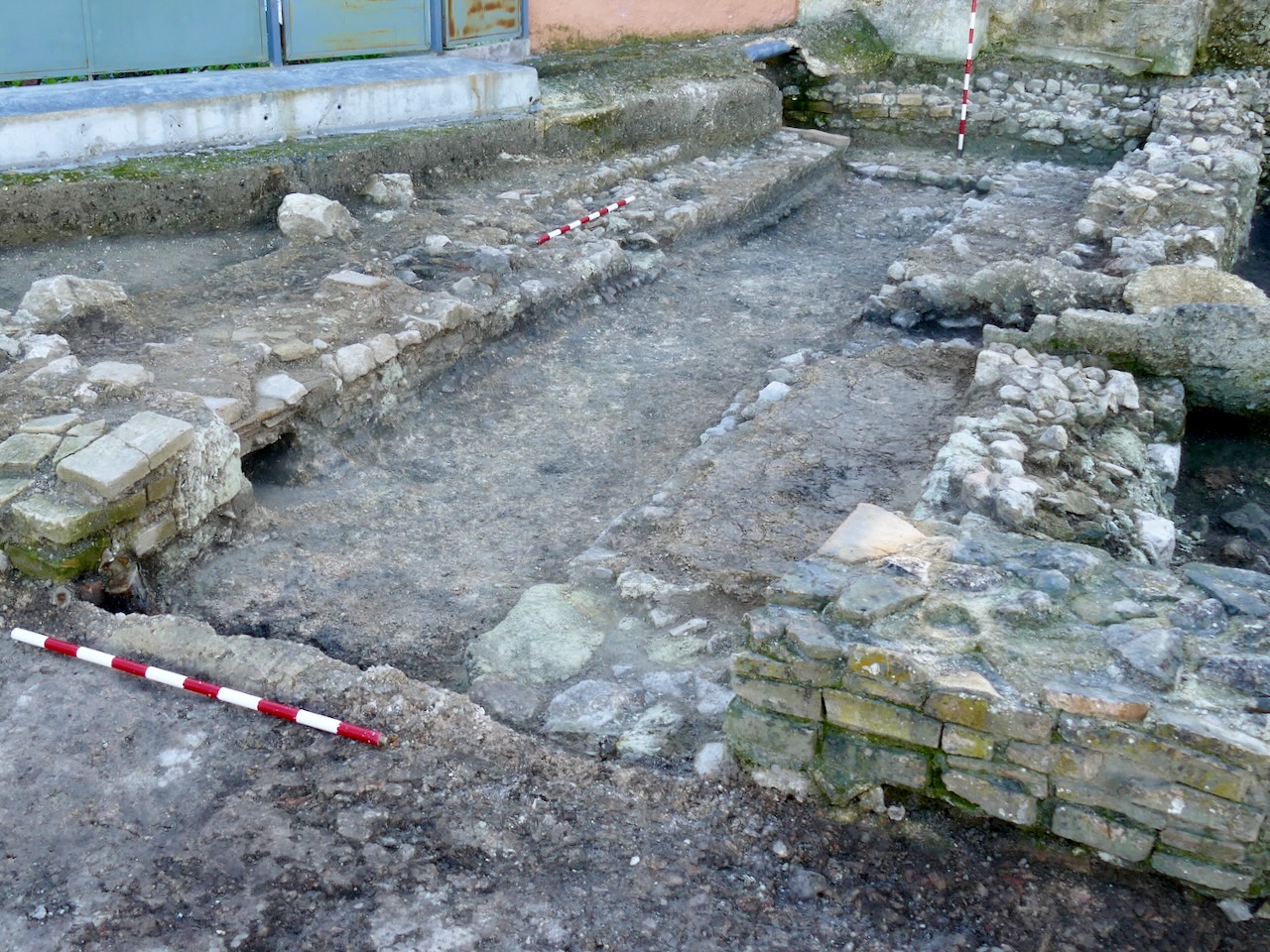
The Mithraeum of Cabra is located in the Villa del Mitra, which owes its name to the discovery in 1951 of a Mithras tauroctonus in the remains of the Roman villa.
Fragmentary tauroctony preserving Mithras, the torchbearers, Sol and Luna from the sanctuary at Aïtodor.
Scene from a bull-slaying relief preserving the dagger of Mithras, the dog and the raised torch of Cautes.
Large apsidal hall with podium discovered at Uruk-Warka, once interpreted as a possible Mithraic sanctuary.
Sassanian-period frescoes discovered at Susa whose possible Mithraic interpretation remains uncertain.
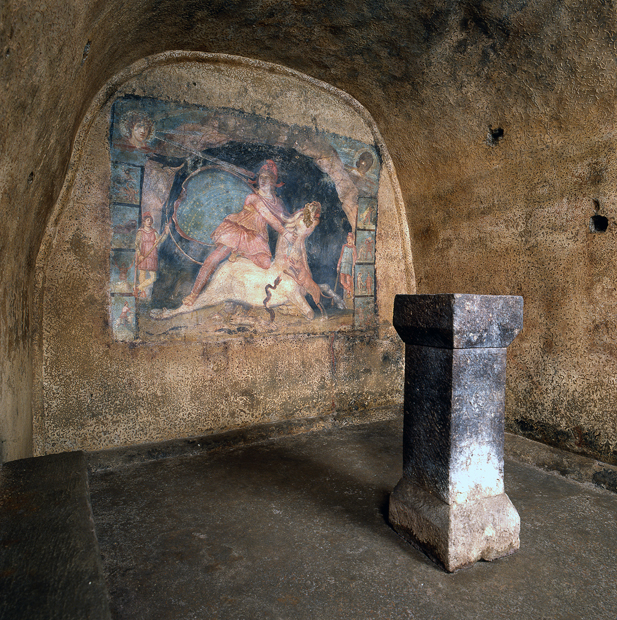
The Marino Mithraeum preserves one of the most elaborate painted cycles of Mithras’ myth, combining the tauroctony, planetary symbolism and scenes from the god’s sacred narrative.
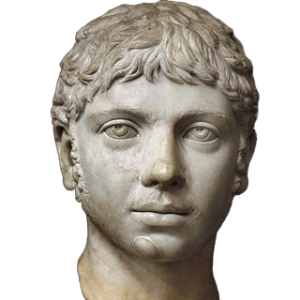
Roman emperor at the age of 14, from 218 to his death in 222, Elagabalus was a main priest of the sun god Elagabal in Emesa.

Emperor Caracalla ordered one of Rome’s largest temples to the god Mithras to be built in the baths bearing his name.
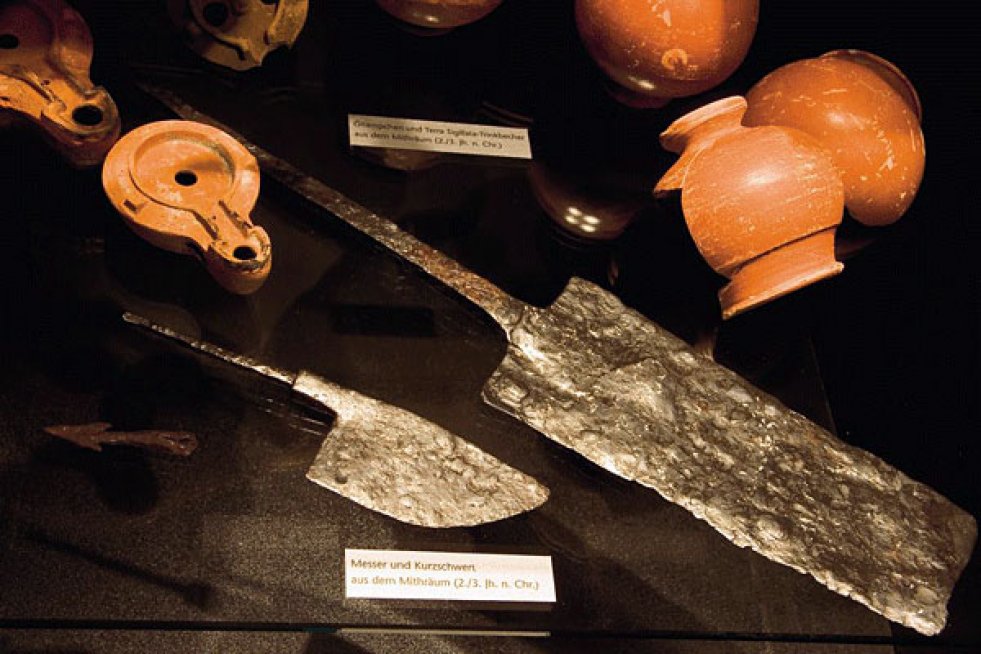
The Mithraeum of Kunzing was an underground building, oriented east-west. The entrance was probably on the east.
