Your search As Salhiyah gave 2397 results.

This rock-cut Mithraeum occupies the north-eastern slope of the Grand-Rebberg at Saarburg, featuring a stepped entrance, a sloping central aisle, lateral benches, and a spring-fed water conduit.
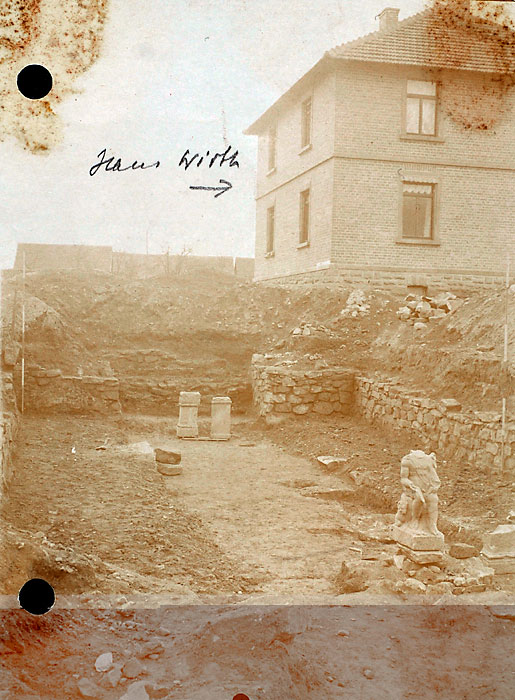
The Mithraeum I in Stockstadt contained images of Mithras but also of Mercury, Hercules, Diana and Epona, among others.
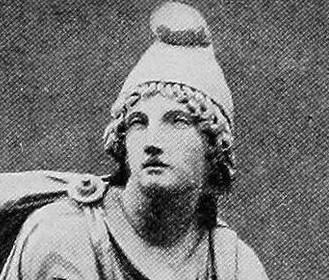
Historian, Platonist, and practicing Mithraist writing on tradition, transcendence, and the soul’s ascent through history, myth, and metaphysics.

This altar dedicated to Sol Invictus Mithras by a certain Septimius Zosimus was found in the Basilica of San Martino ai Monti in Rome.

An Algerian chemistry student interested in roman culture I hope to be able to explore Mithras culture in my country because of the vast and important rule of this religion in my city tiddis
The Rites of Hekate is a personal yet deeply rooted academic account of the current understanding of this ambivalent goddess, presented as an arcane and liminal archetype.

Retired Health Service Accounts clerk. I have been interested in Roman history probably since I was 8, many years ago.
I am a graduate trying to complete a MA in archaeology. My Master`s Dissertation is about Mistery Cults in the Roman Empire

This marble relief, found in Sisak, Croatia, shows Mithras killing the bull in a circle of corn ears, gods and some scenes from the Mithras myth.

Soy Dra. en Filosofía y Letras por la Universidad de Alicante.He escrito un libro sobre Mitra denominado
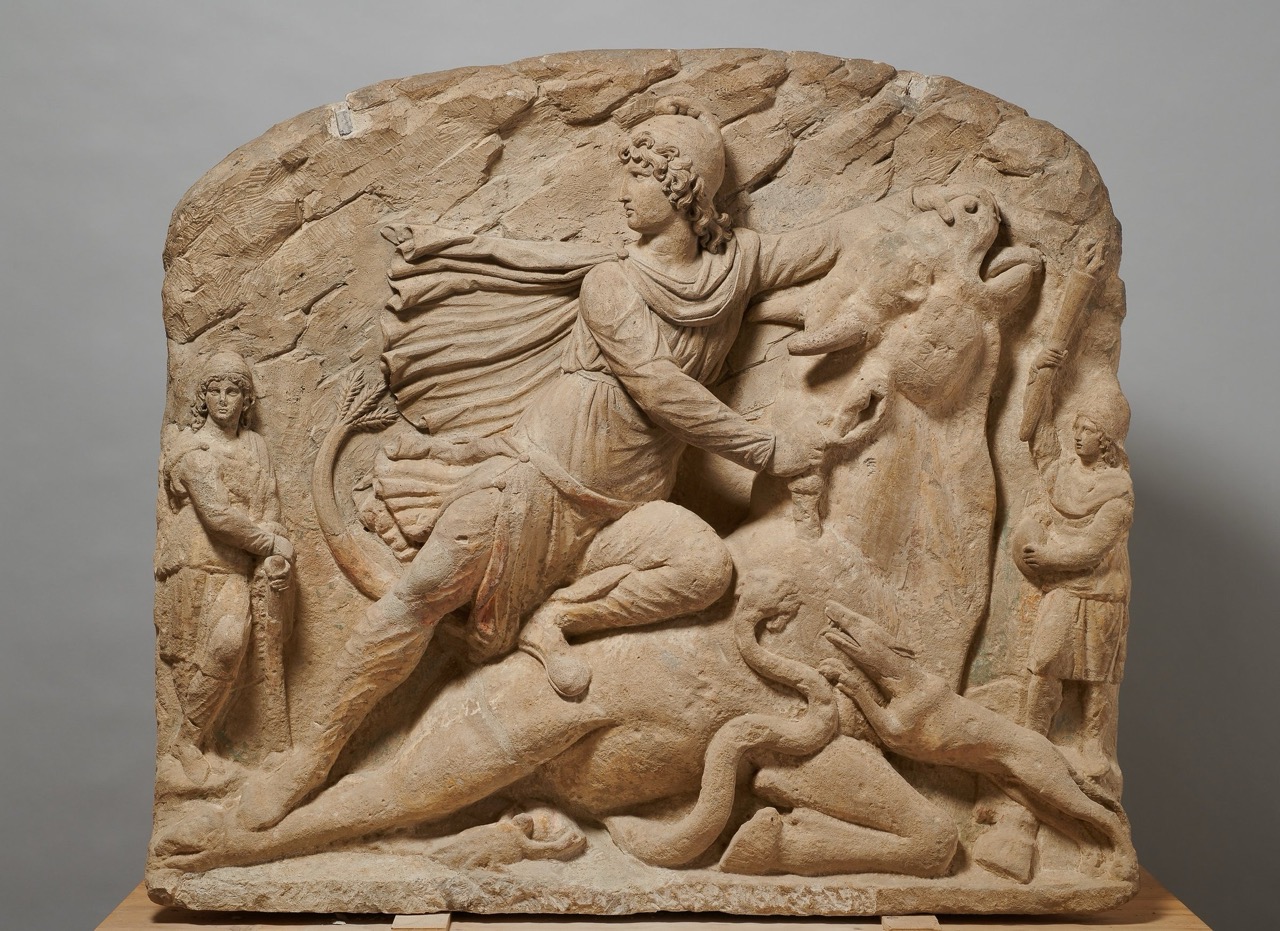
Limestone tauroctony relief from Carnuntum with traces of polychromy and a graffito on the bull’s neck. The inscribed base was carved separately.
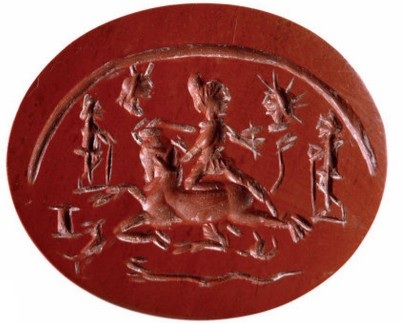
An oval carnelian gem from Carnuntum showing Mithras tauroktonos in a grotto. Sol and Luna appear above, with both torchbearers and a small altar before the bull.

Thinking of forming a weekly group for those in the Anglosphere(USA, Canada, UK, Australia and NZ) to have a webcam call, discuss all things related to Mithras and form friends sharing a niche interest:)
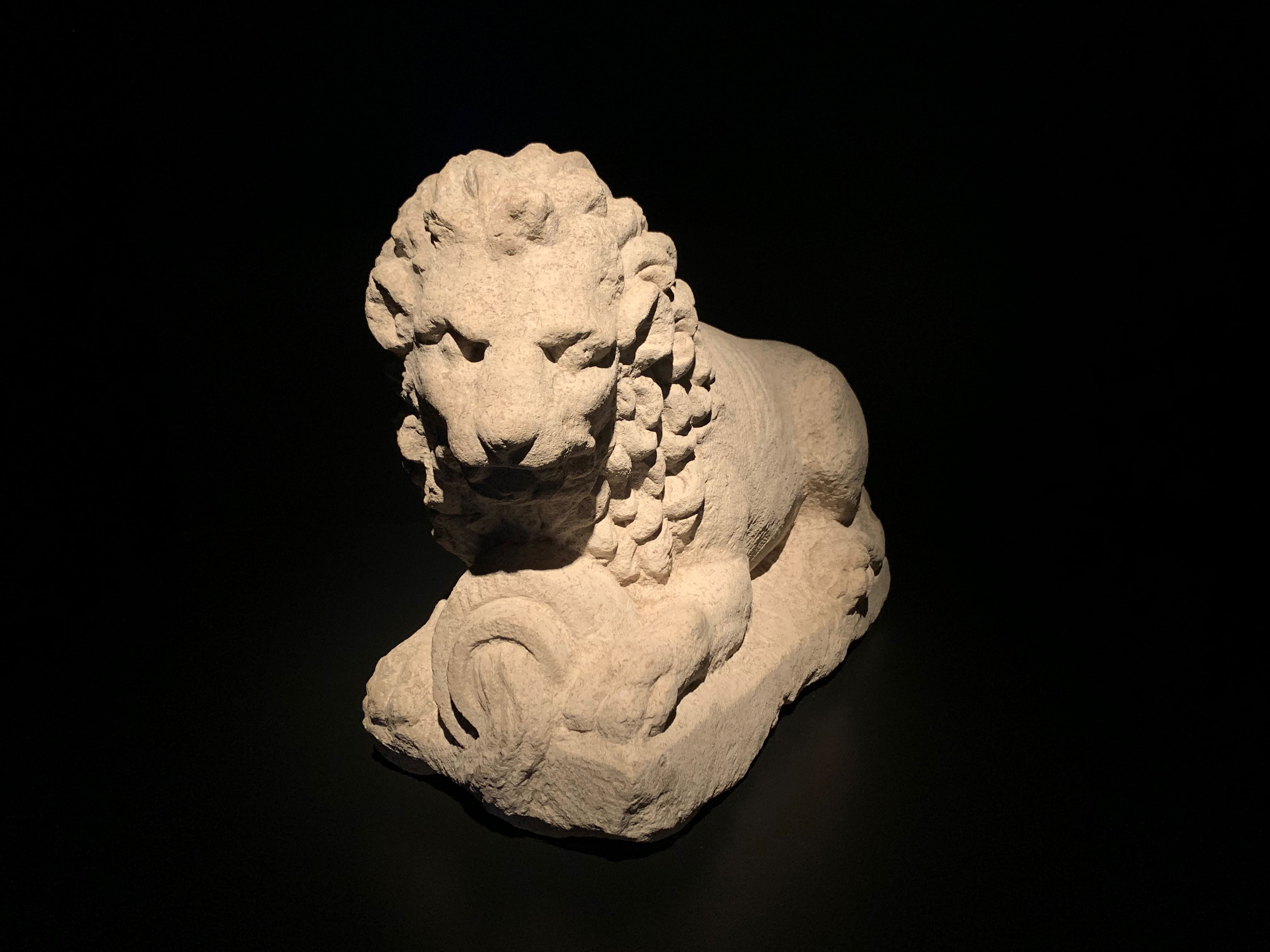
A limestone lion holding a flowing urn, discovered at the entrance of the Mithraeum of Les Bolards, reflects the ritual significance of water within the cult of Mithras.

A selection of texts gathered by Ernesto Milá that reinterprets Mithraism as an initiatory, solar, and heroic cult. It includes the so-called Great Magical Papyrus of Paris, translated and commented by Julius Evola and the Ur Group.
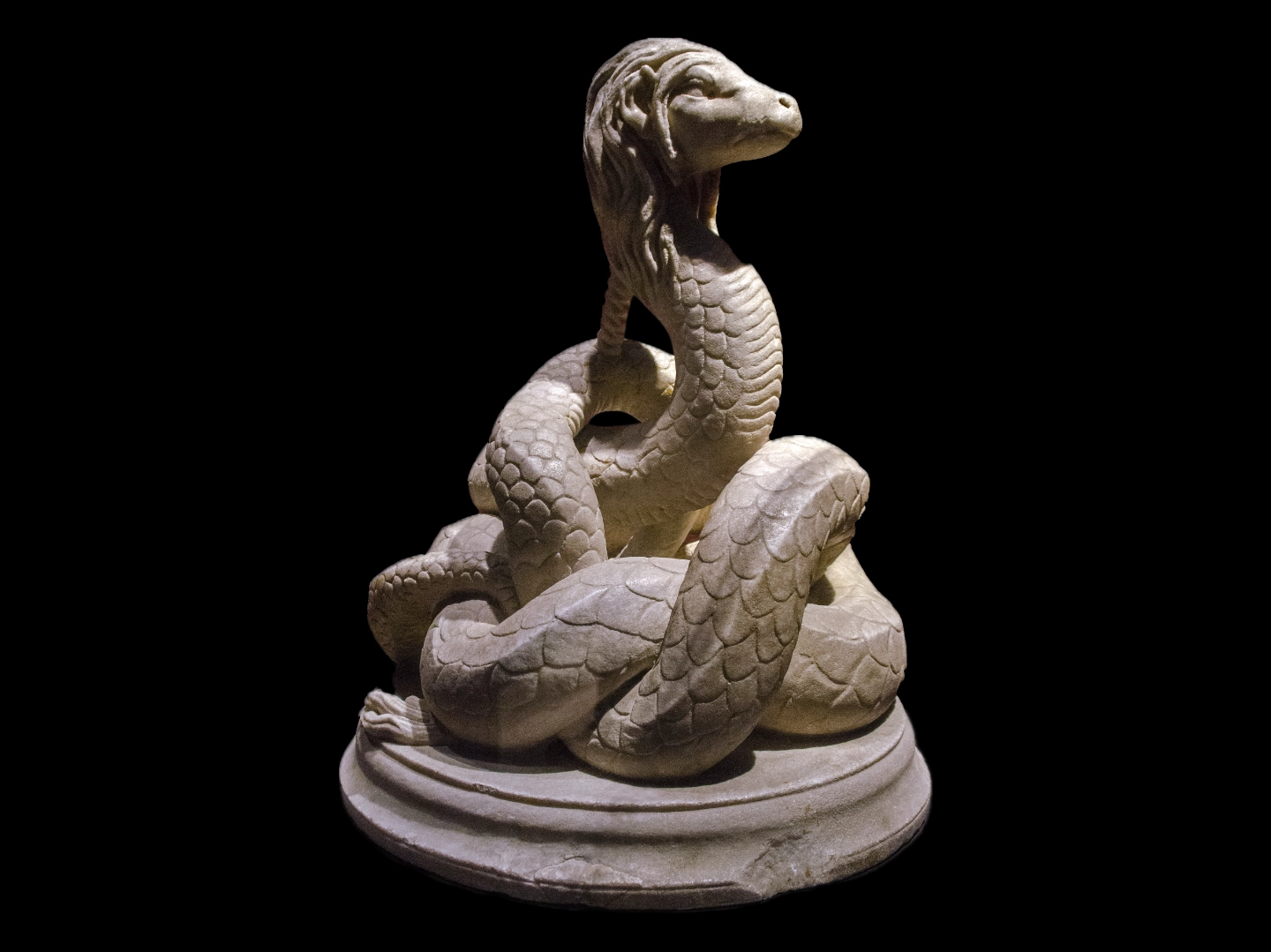
At Rome’s twilight, amid political upheaval and Christian ascendancy, Vettius Agorius Praetextatus embodied pagan intellect, virtue, and authority across senatorial, military, and mystical spheres.
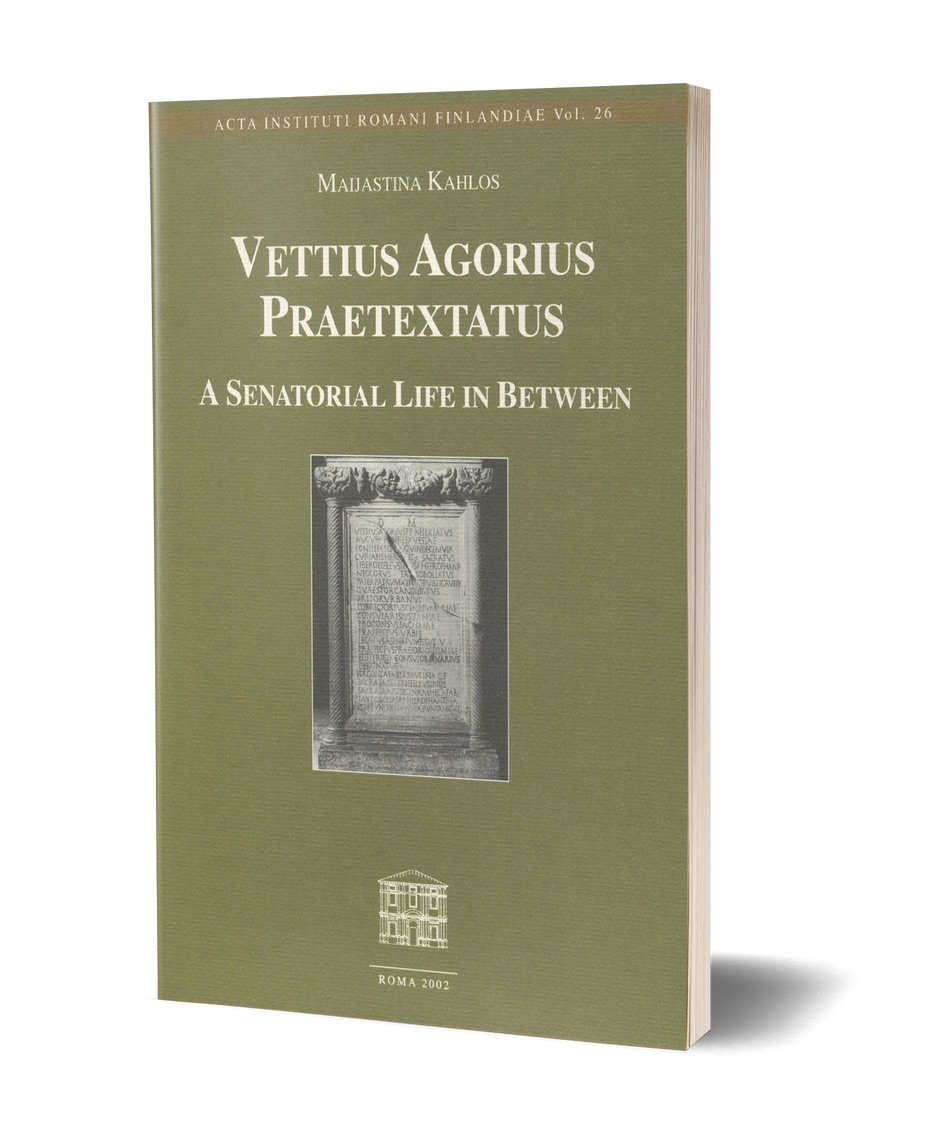
The cultural and religious world of fourth-century Rome is explored through the life and afterlife of Vettius Agorius Praetextatus. His case is set in comparison with other pagan and Christian senators of the period.
The Mithraeum of Stix-Neusiedl was discovered in the summer of 1816. Although the structure of the sanctuary is unknown, several associated monuments are preserved today in Vienna.
