Your search Bad Homburg gave 143 results.
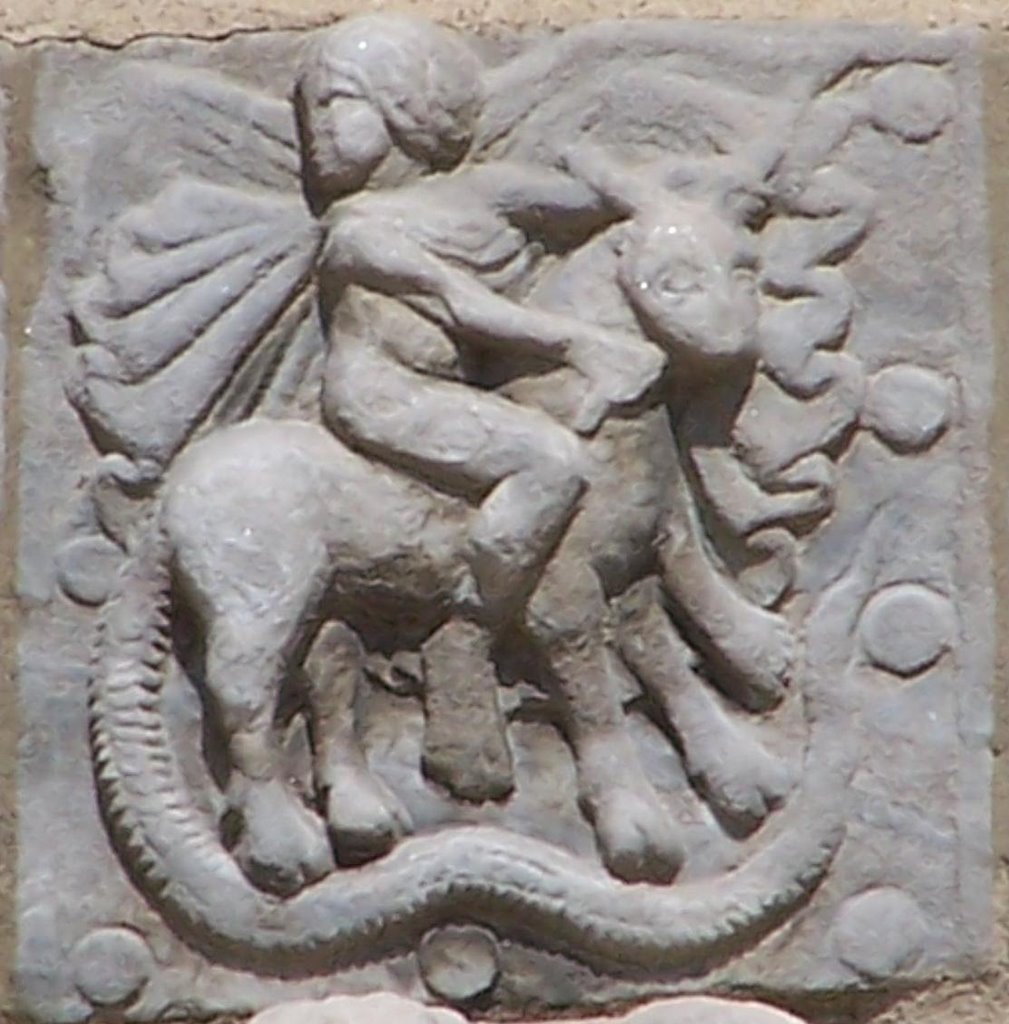
Mithras slaying the bull appears as the sign of Capricorn in a zodiacal sequence on the Pórtico del Cordero of the Abbey de Santo Domingo de Silos, Burgos, Spain.

Praeses of the Noric Mediterranean province, of equestrian rank, restaured the Mithraeum of Virunum in 311.

Syndexios in Ostia, his name Marsus suggests that he was a snake-charmer.

The locality of Lengfeld formed part of the frontier hinterland connected with the Upper Germanic limes.

A fragment of a limestone relief from Interanum (modern Entrains-sur-Nohain) in Lugdunensis, with the bull best preserved showing a belt round its body, together with traces of polychromy and remnants of the dog and serpent.
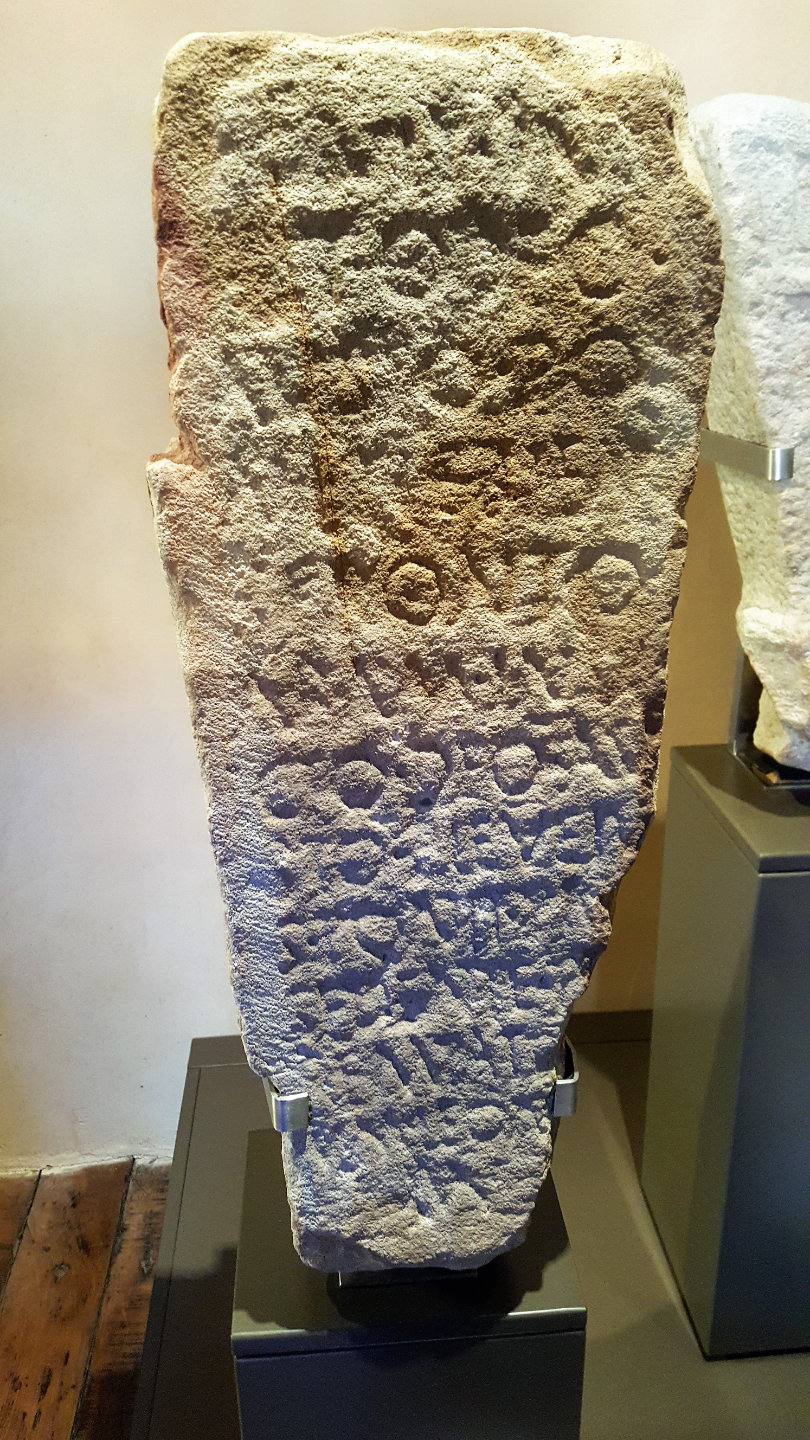
The monument of San Juan de la Isla (Asturias) devoted to Mithras was preserved in the portico of the main church until 1843.
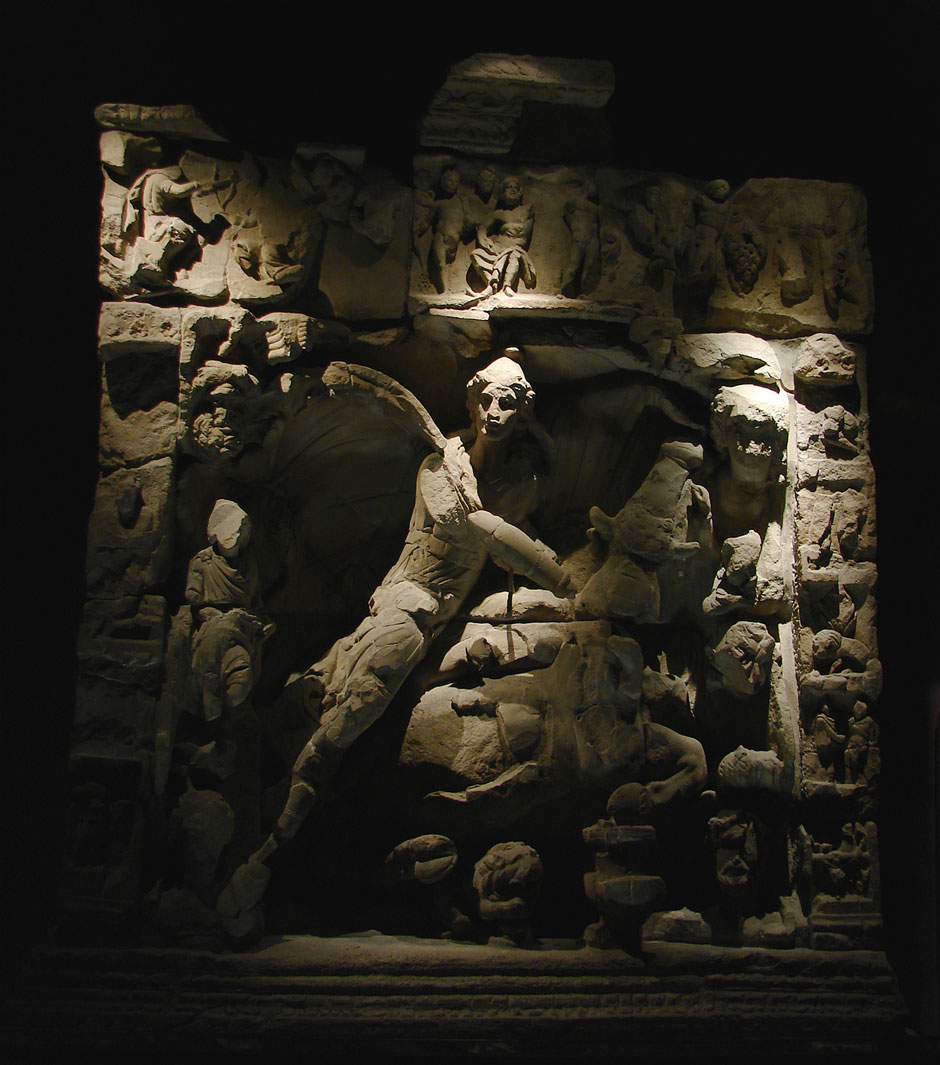
The Tauroctony of Saarbourg (Sarrebourg, ancient Pons Sarravi), France, contains most of Mithras deeds known in a single relief.
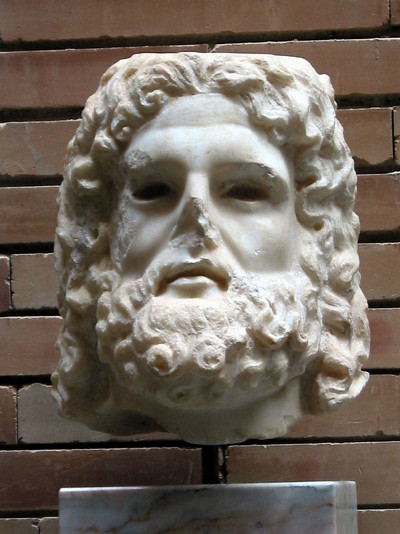
This head of Serapis from Cerro de San Albín may be unrelated to Mithras worship.
A badly damaged tauroctony relief carved in peperino, fixed high into a wall of the old farm known as Le Capanacce on the Via Cassia near Vicus Matrini in Etruria, showing Mithras as a bullkiller in a vaulted cave with serpent, the head and left arm of the god lost…
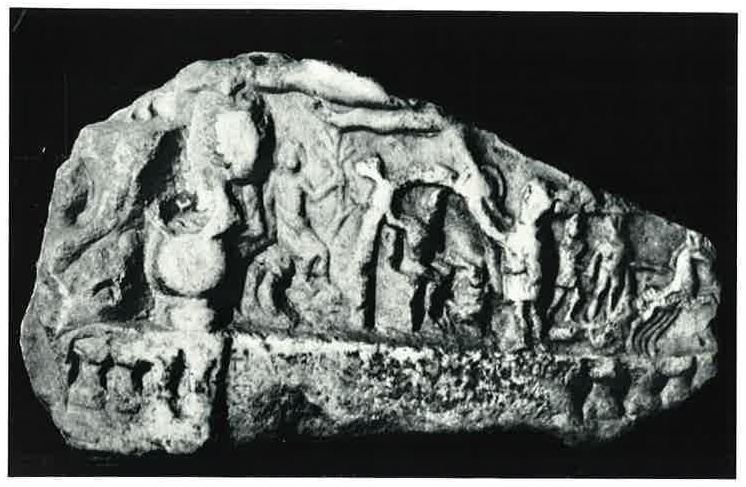
Lower part of a marble tauroctony relief from Sinitovo, Thracia, found walled into a well, depicting the lower portion of the bull-slaying scene; the Greek inscription in the lower border records a thanksgiving to Helios Mithras invictos.
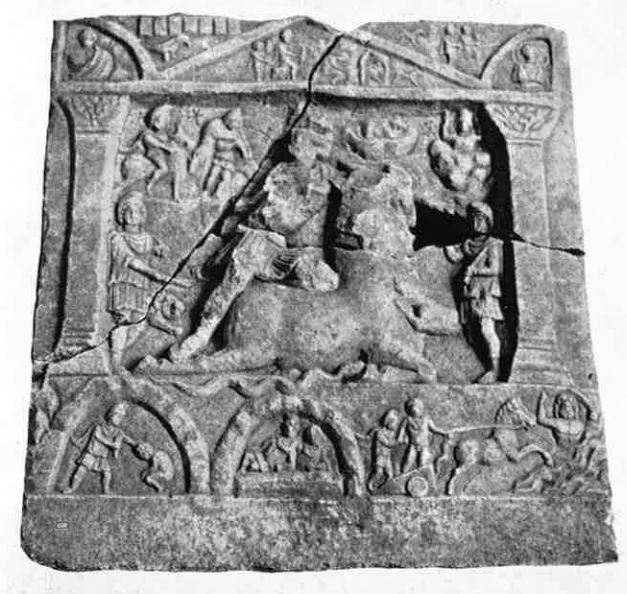
Large marble tauroctony relief from near Tavalicavo, Moesia Superior, with the shape of a temple façade: two columns supporting a pediment, the capital decorated with a head of Medusa, and the tauroctony in the central field.
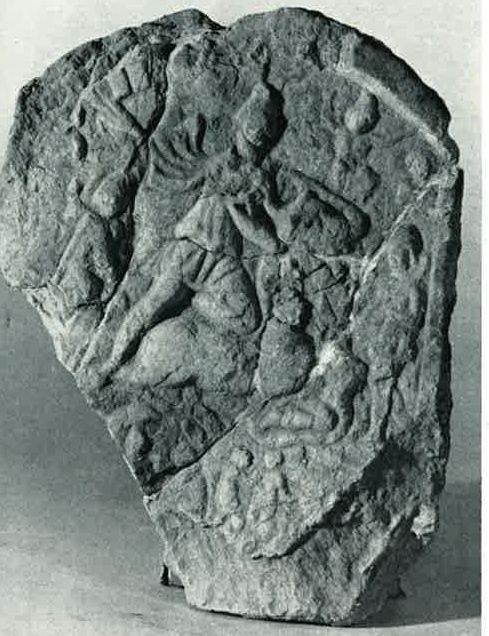
Marble tauroctony relief from the Roman camp at Sucidava, Dacia, found near tower C, depicting the standard bull-slaying with the full iconographic programme.
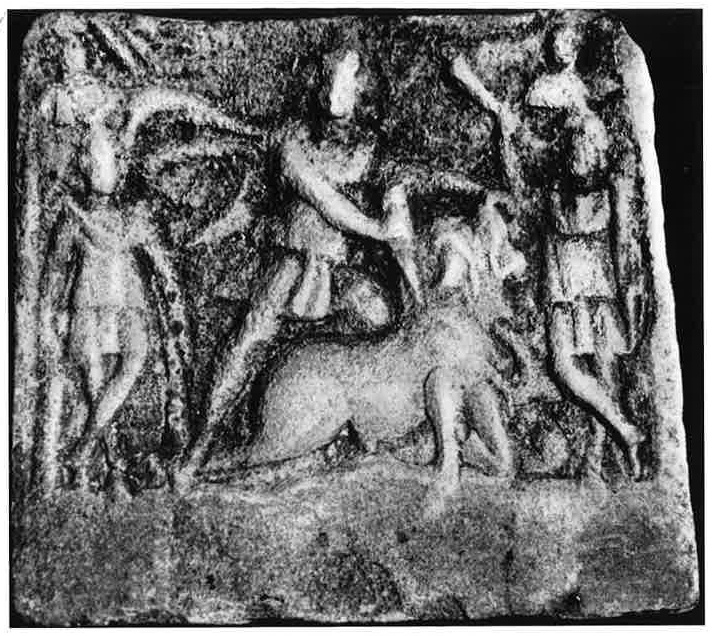
White marble tauroctony relief from Orșova, ancient Dierna in Dacia, depicting the standard bull-slaying with the torchbearers and subsidiary scenes.
Tauroctony relief carved directly into the rock of the Mithraeum on the Colle S. Giorgio near Cavtat, ancient Epidaurum in Dalmatia; the composition includes Sol, Luna, Cautes, and Cautopates flanking the central scene.
Bronze plate from Budapest, ancient Aquincum or vicinity, preserving a Mithraic representation of uncertain composition; no longer in a known collection.
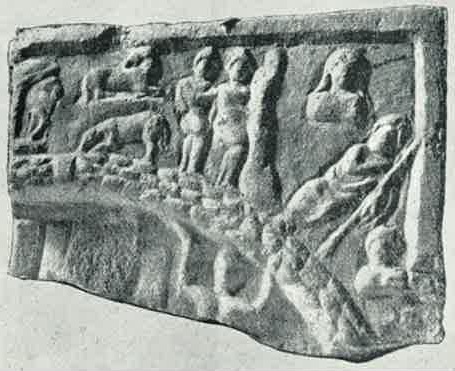
White marble statuette from Budapest, ancient Aquincum or vicinity, depicting a badly damaged Mithras killing the bull with dog and serpent; the god's head is lost.
Bearded nude statue formerly claimed to be Mithraic but later rejected as a seventeenth-century sculpture unrelated to the cult.
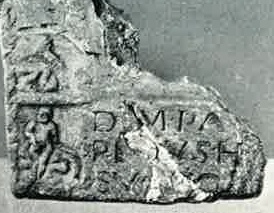
Double-sided white sandstone relief from Mithraeum I at Stockstadt, with Mithraic imagery on both faces
Large red sandstone tauroctony relief from Mithraeum I at Stockstadt, mostly thrown into the river Main when the sanctuary was destroyed
Marble statue from Intercisa, Pannonia Inferior, depicting Cautopates in Oriental dress and a high Phrygian cap, walking.
