Your search Bad Ischl im Salzkammergut gave 1088 results.
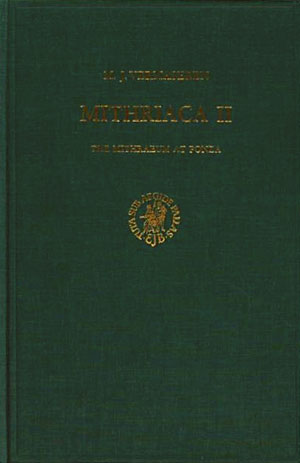
Second volume of Vermaseren's series Études préliminaires aux religions orientales dans l'Empire romain, Mithriaca, dedicated to a small Mithraic sanctuary on the island of Ponza in the Tyrrhenian Sea.

Corpus Inscriptionum et Monumentorum Religionis Mithriacae (or CIMRM) is a two volume collection of inscriptions and monuments relating primarily to the Mithraic Mysteries.
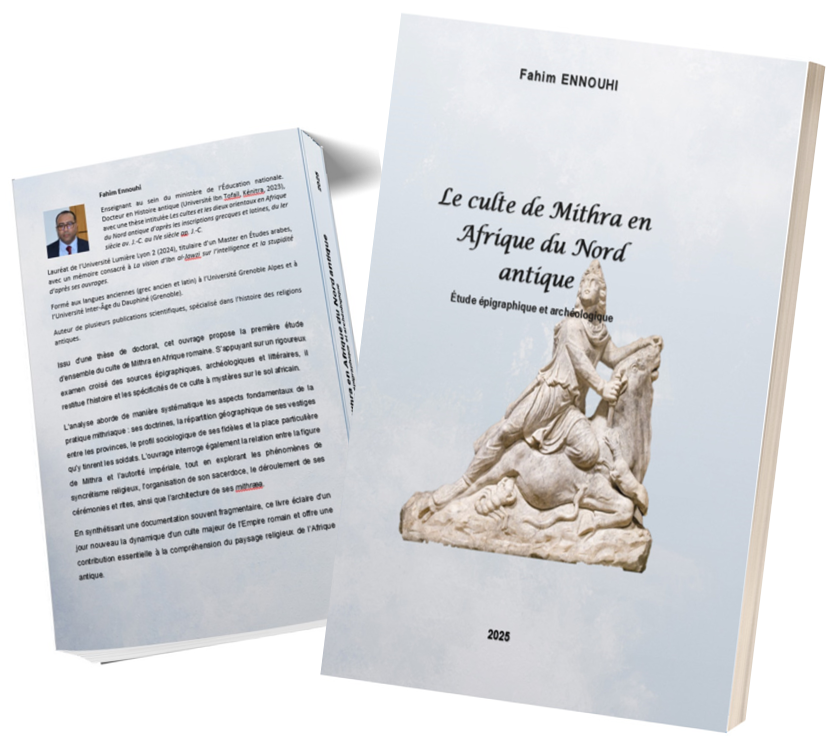
I am honored to present my first book devoted to the cult of Mithras in ancient North Africa. Structured into four main sections, it also features a catalogue of twenty inscriptions and twenty-six illustrative plates…
In his first book, Fahim Ennouhi sheds light on the cult of Mithras in Roman Africa. A marginal and elitist phenomenon, confined to restricted circles and largely absent from local religious dynamics, yet revealing.

This graffito seems to be an account of offerings made by Mithras worshippers in the Cassegiato di Diana.
Statue of a standing person in eastern attire in red, local limestone with inscription.

An inscription mentioning a speleum decorated by Publilius Ceionius suggests the location of a mithraeum in Cirta, the capital of Numidia.
Interview avec Fahim Ennouhi à l’occasion de la publication de son premier livre, Le culte de Mithra en Afrique du Nord antique, consacré à cette présence restée élitiste et marginale dans cette région de l’Empire.
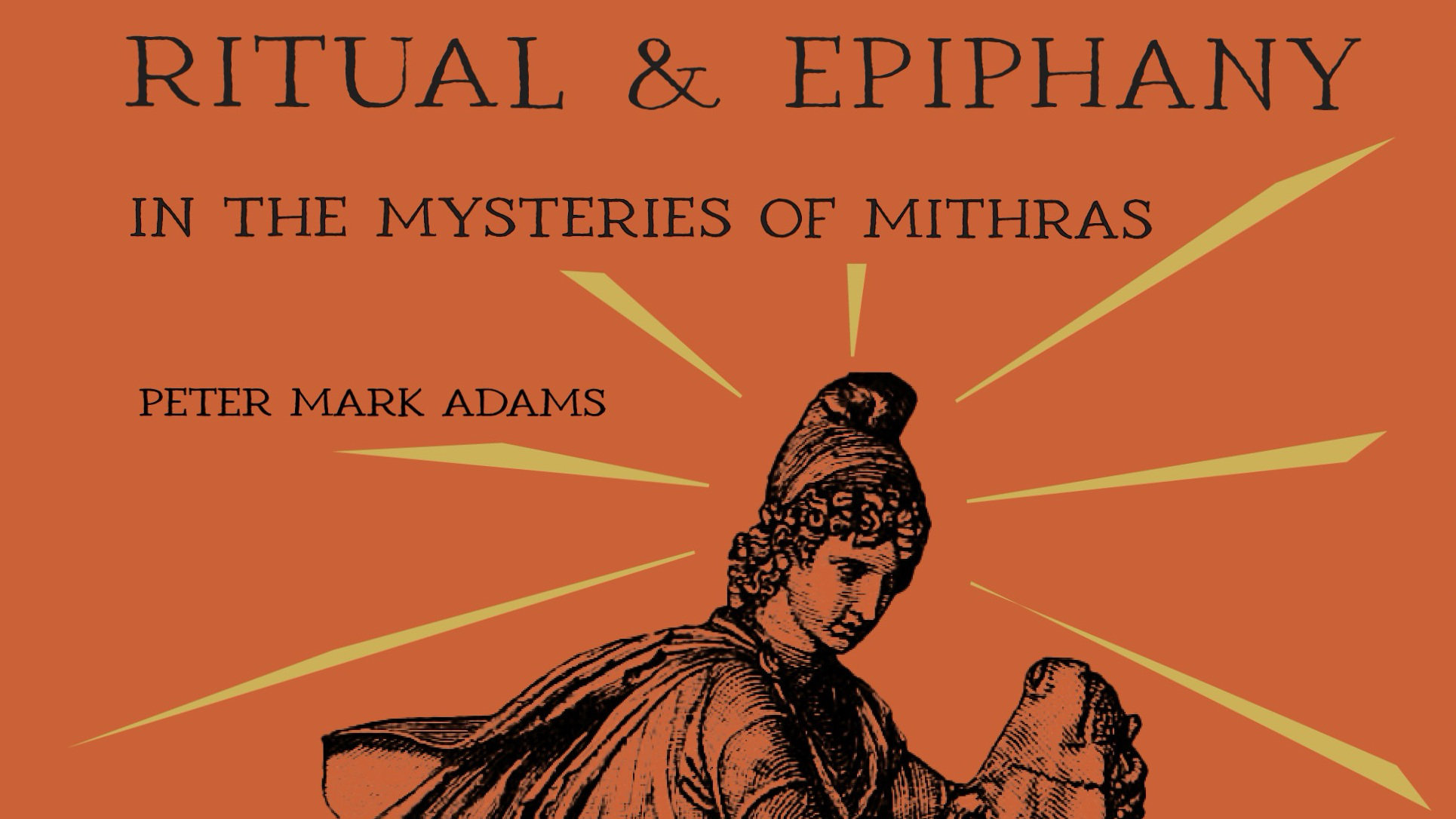
Acclaimed esoteric scholar @peter.mark.adams talks about his latest book, ‘Ritual and Epiphany in the Mysteries of Mithras’, interviewed by professor, writer and host of The New Mithraeum podcast @andreu.abuin.
Running the virtual Mithraeum in Roman region in opensim: https://opensimworld.com/hop/78477

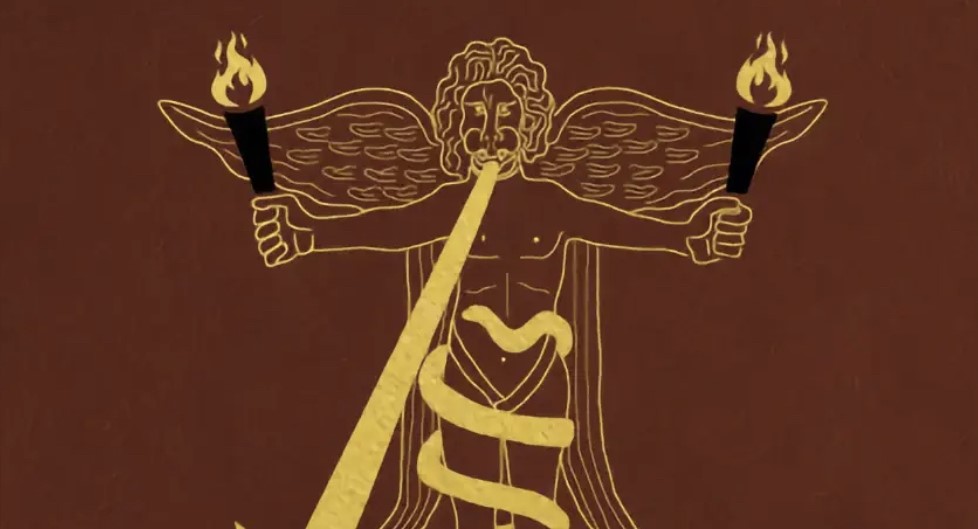
Join us for a special webinar with professor, writer and host of The New Mithraeum podcast @andreu.abuin, interviewing acclaimed esoteric scholar @peter.mark.adams on his ground breaking latest book, Ritual and Epiphany in the Mysteries of Mithras…

Two extracts from De abstinentia ab esu animalium by Porphyry on sacrifices and the importance of abstinence from animal food among Persian Magi.

Commentaries by Pseudo-Nonnus, also known as Nonnus the Abbot, on Gregory Nazianzen’s In Julianum Imperatorem Invectivae Duae and In Sancta Lumina.
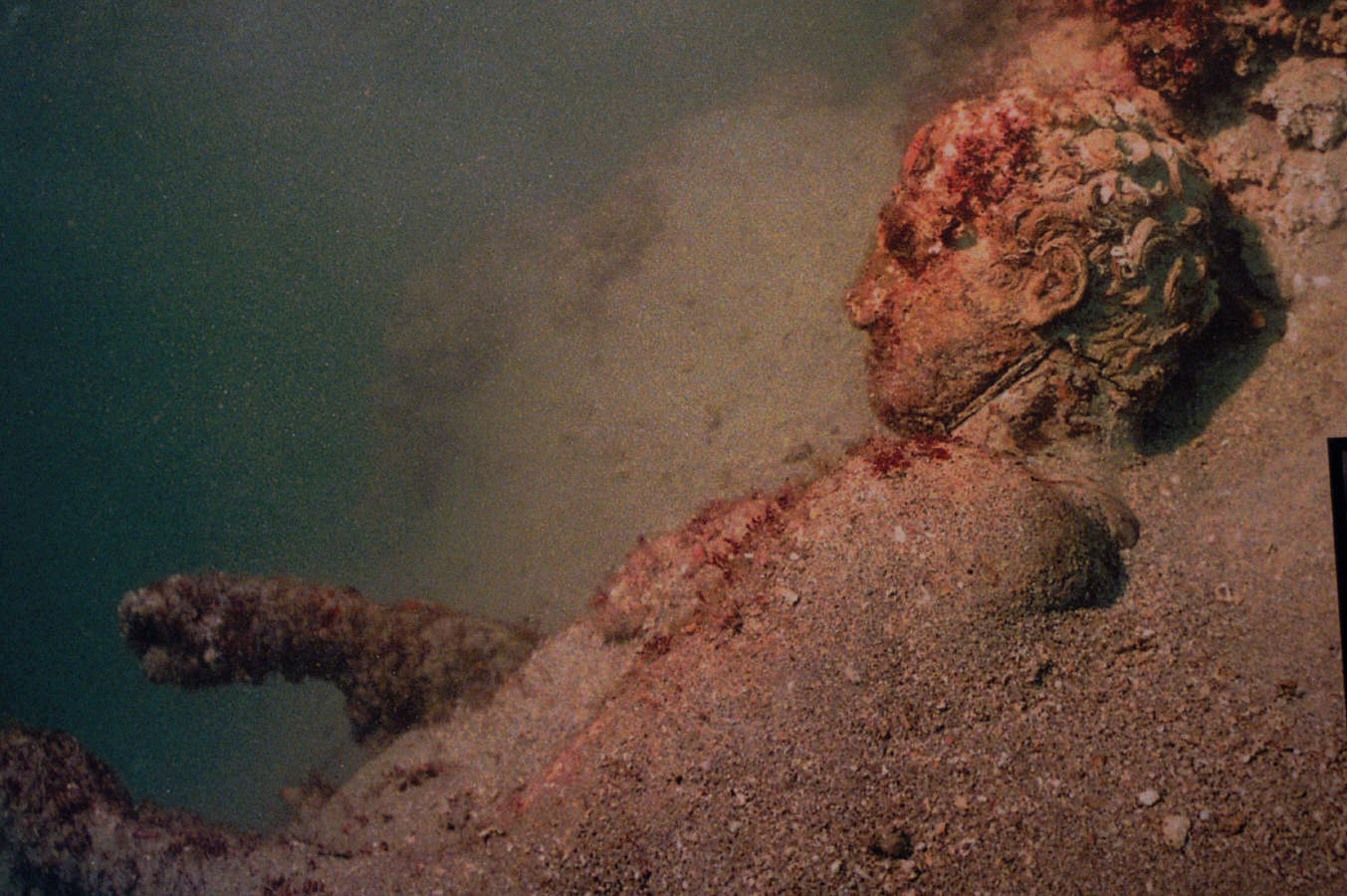
Two excerpts from the ’Life of Commodus’ in Lampridius’ Historia Augusta, dating from the 4th century CE.

White marble statue of Lion-head god of time, formerly in the Villa Albani, nowadays in the Musei Vaticani.

Vir clarissimus and governor of Numidia, who dedicated a temple to Mithras with its images and ornaments in Cirta.

He commissioned the main cult relief found in the Mithraeum of Circo Massimo.

He was cornicularius, supply officer, to the prefect of the Legion XXII Primigenia.

He built the sacred area of the Mitreo del Circo Massimo at his own expense.
