Your search Bingen am Rhein gave 1055 results.

One of the clearest examples of the late Roman aristocracy’s involvement in the mysteries of Mithras and other initiatory cults during the fourth century.
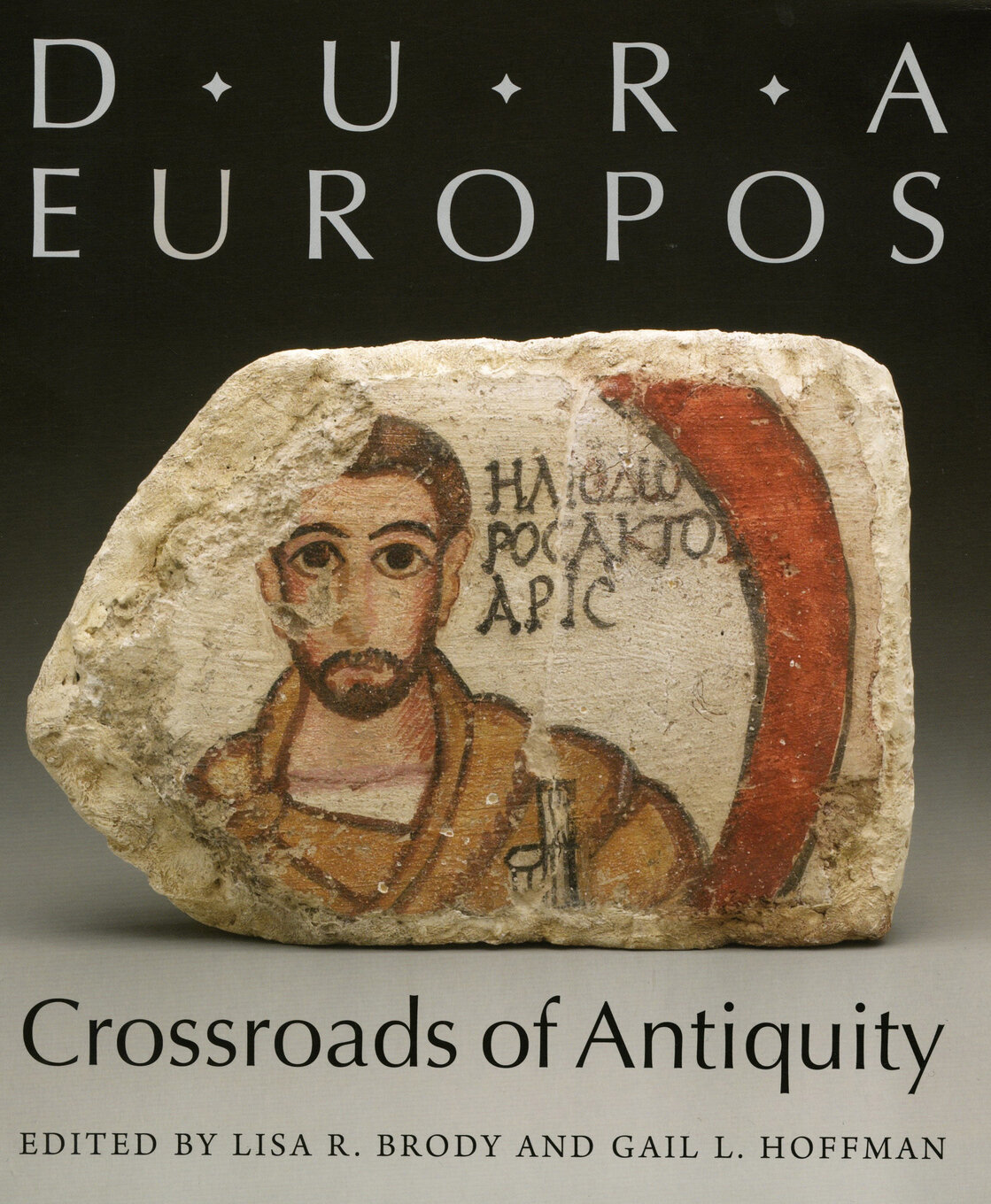
An interdisciplinary volume exploring the history, archaeology, and cultures of Dura-Europos from the Hellenistic to the Islamic period.
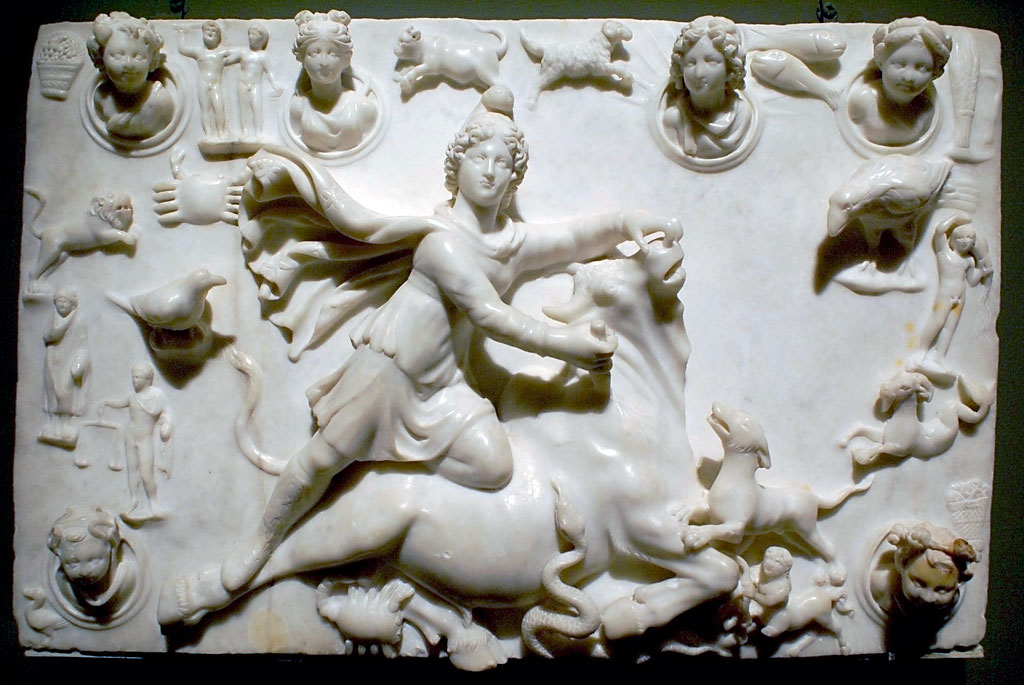
The tauroctony relief of Sidon depicts the signs of the zodiac and the four seasons, among other familiar features.
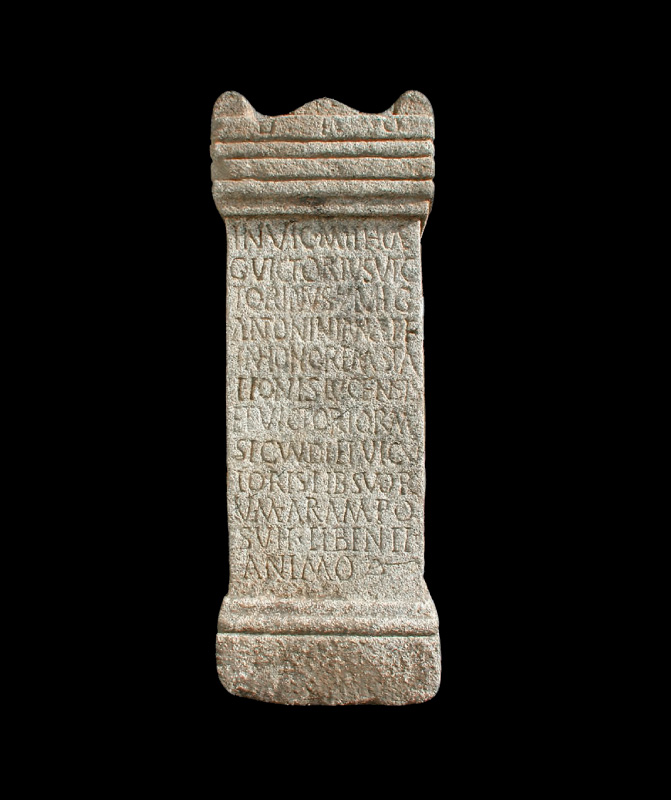
Victorius Victorious, centurion of the Legio VII, erected the altar in honour of the Lugo garrison and of the Victorius Secundus and Victor, his freedmen.

Nuzi at modern Yorghan Tepe, Iraq was an ancient Mesopotamian city 12 kilometers southwest of the city of Arrapha and 70 kilometers southwest of Sātu Qala, located near the Tigris river.
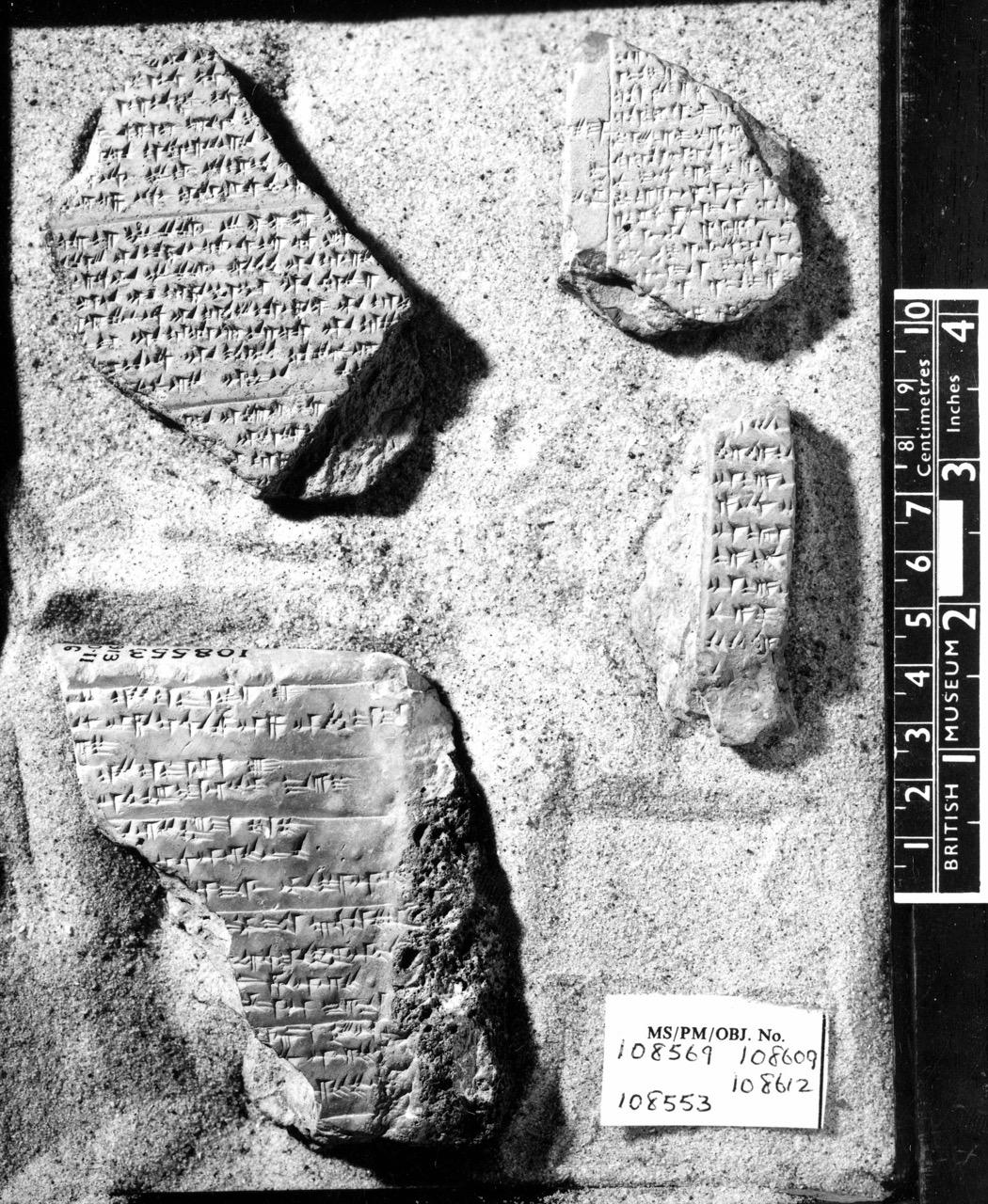
Late Bronze Age treaty from Ḫattuša invoking Mitra, Varuna, Indra and the Nāsatyas among the divine witnesses of the Hittite-Mitanni oath.

Dedicator of a rare altar jointly honouring Mithras and Silvanus at Emona, whose ambiguous name has fuelled debate over whether the dedicant was a man or a woman.

A Romano-Germanic woman whose inscription became central to debates on female participation in the Mithraic cult.

One of the freedmen of Gaius Victorius Victorinus named in the dedication of the Mithraeum of Lugo.

One of the freedmen of Gaius Victorius Victorinus named in the dedication of the Mithraeum of Lugo.

His name was added to the main tauroctony sculpture of the Mitreo Fagan.

IT freaky guy protected by Cautes and Cautopates (both at once), made in Barcelona, willing to engage with other guys or gals into the same trips.


Donor of a small altar from the Mithraeum of the Seven Gates, Sextus Fusinius Felix may belong to a family attested among Ostia’s augustales.

A votive altar dedicated to Deus Invictus Mithras by Paterna, among the few women explicitly associated with Mithraic worship.
The dedicator of this marble basin could be the same person who offered the sculpture of Mithras slaying the bull in the Mitreo delle Terme di Mitra.
This inscription, found in the Mitreo della Planta Pedis, among some other monuments in Ostia, suggests a link between Mithras and Silvanus.

Altar from Vratnik near Senia, Dalmatia, dedicated to Soli invicto Mithrae by Faustus, slave of Tiberius Saturninus, for himself and his family.
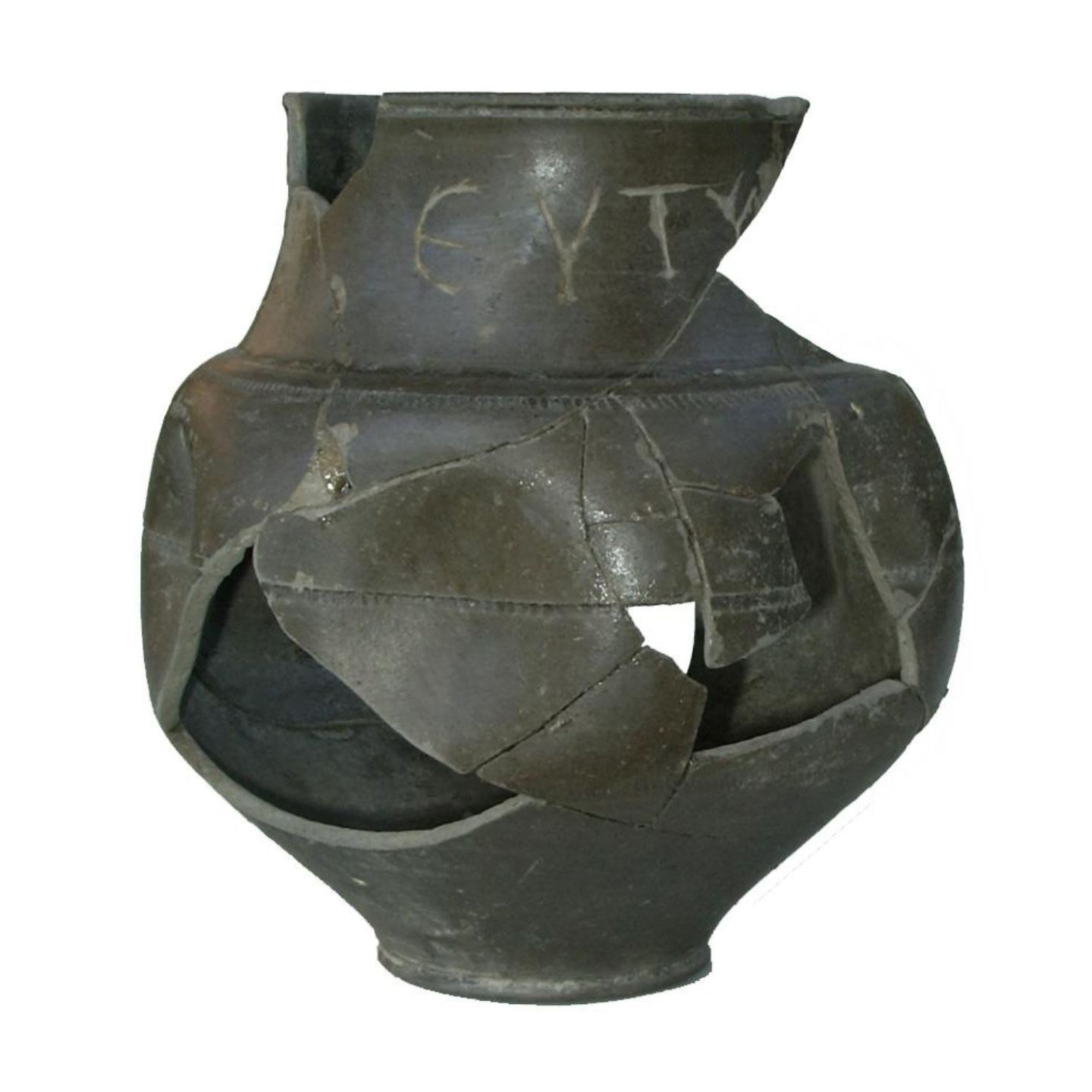
Ceramic cup inscribed with a Greek graffito and recovered from the Mithraeum of Martigny, providing evidence for the use of inscribed vessels within the sanctuary assemblage.
