Your search Bu Njem gave 1882 results.

Mithraic sanctuary excavated in a quarry at Kreta near Nikopol, Moesia Inferior, carved into the rock and including a small niche with a sandstone tauroctony relief, a base, and several altars.
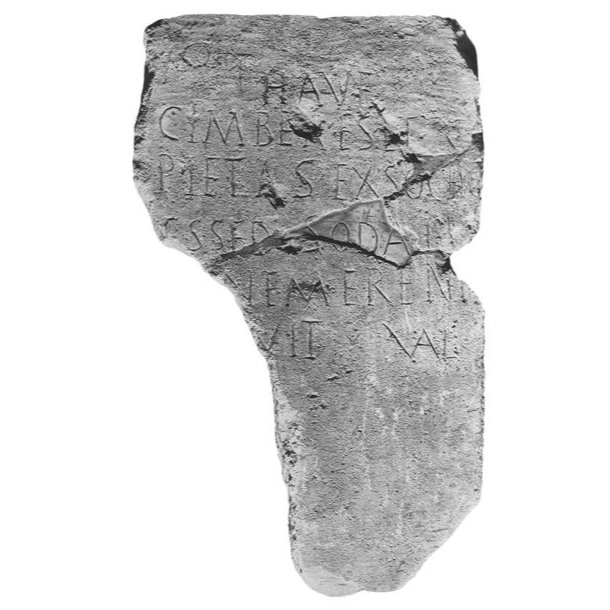
This monument with an inscription by two individuals was found in the first mithraeum of Cologne, Germany.
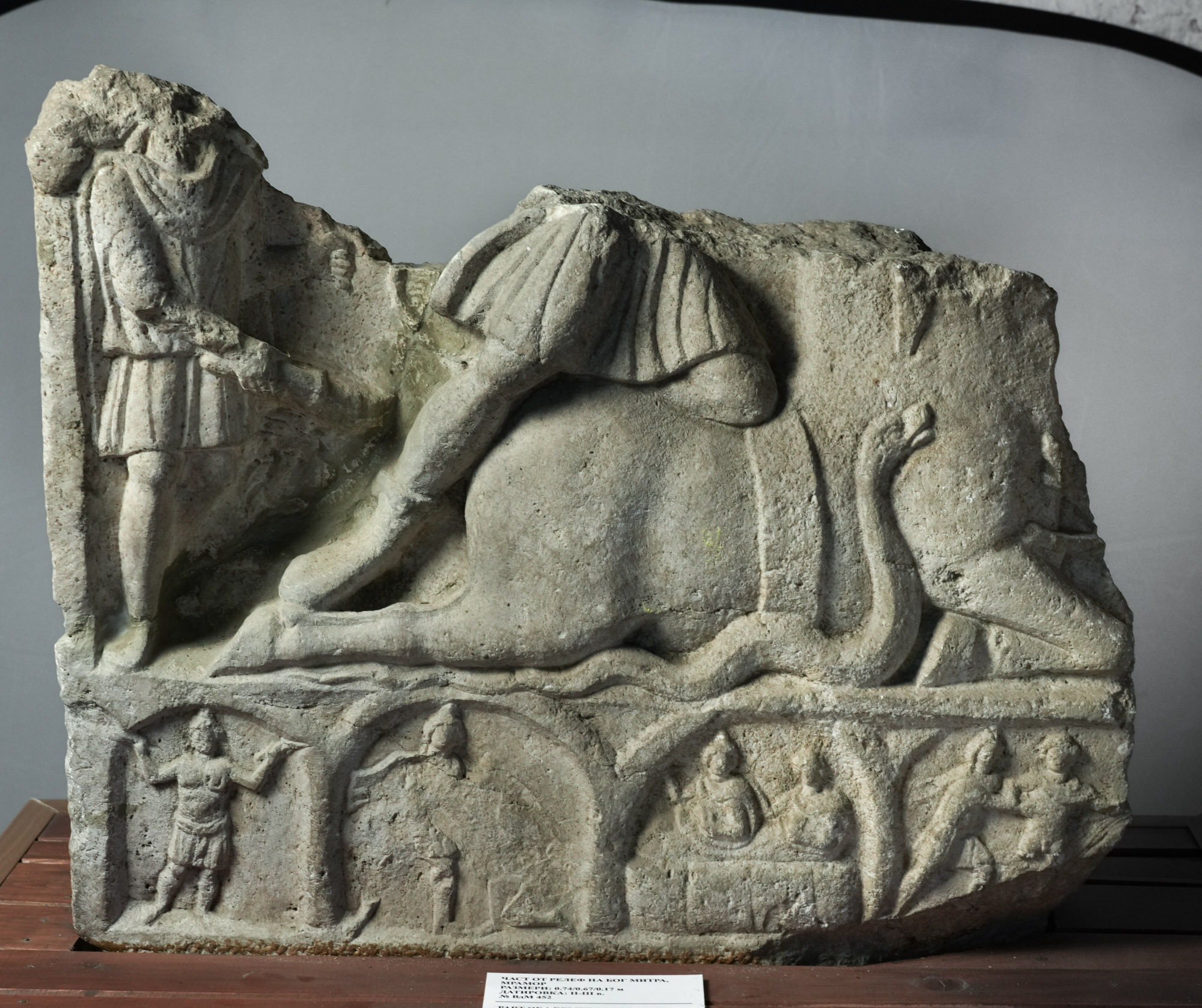
Fragmentary Mithraic relief from Ratiaria depicting the tauroctony above a series of narrative scenes from the myth of Mithras and Sol.
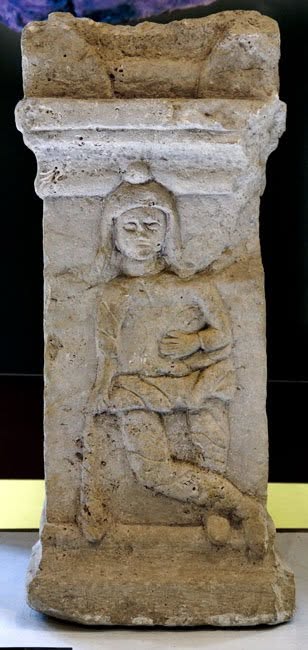
Votive altar depicting Cautopates from the Roman city of Durostorum, modern-day Silistra in Bulgaria.
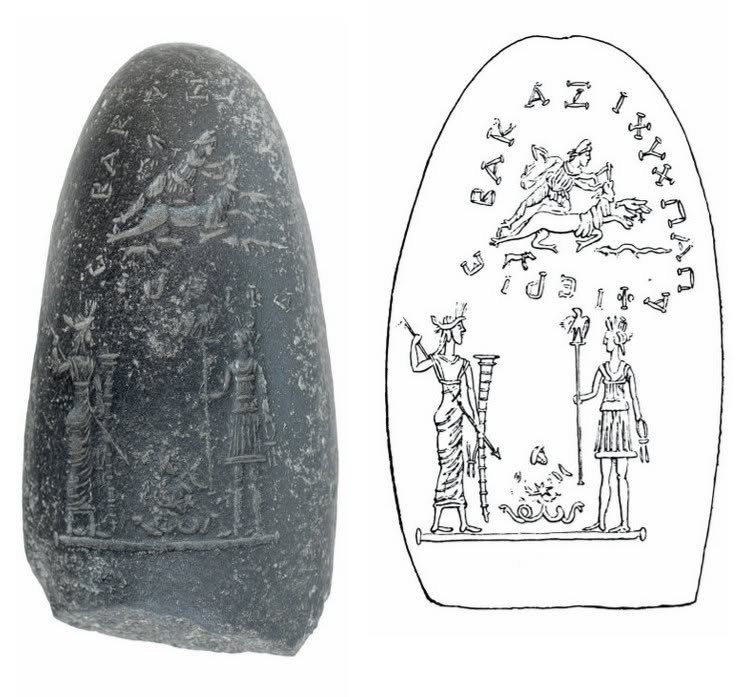
Black polished cone-shaped prehistoric axe from Argolis, now in the Athens National Museum, interpreted by some scholars as having Mithraic votive associations.
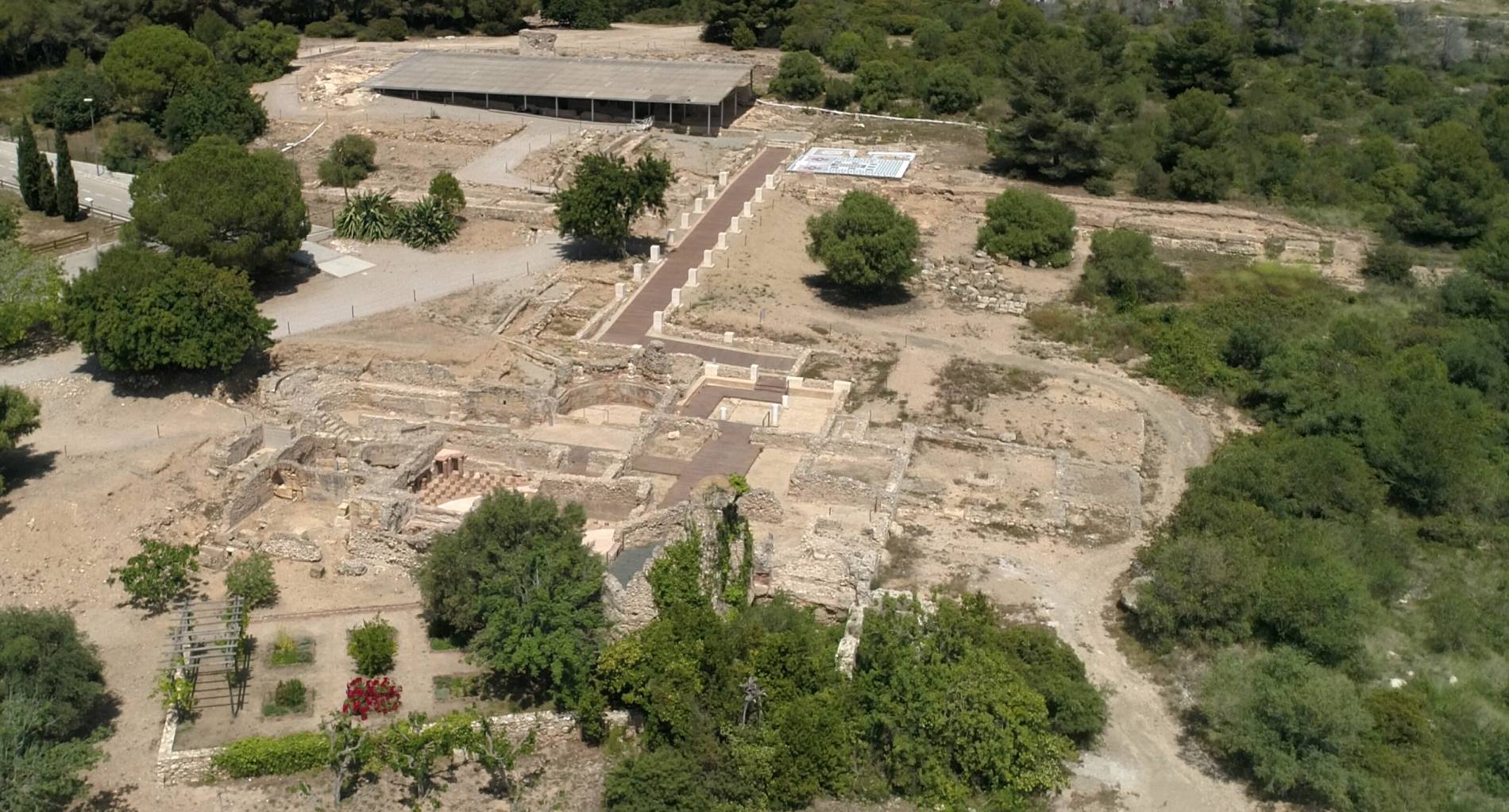
A possible Mithraic sanctuary attached to the luxurious Roman villa of Els Munts, near ancient Tarraco, whose interpretation remains disputed.

A devotee of Mithras who dedicated an altar for the health of Commodus alongside his father, a procurator castrensis, in Rome.

Senior Mithraic priest of Ostia whose inscriptions preserve rare and unique epithets of Mithras, including Incorruptus Juvenis and Indeprehensibilis.
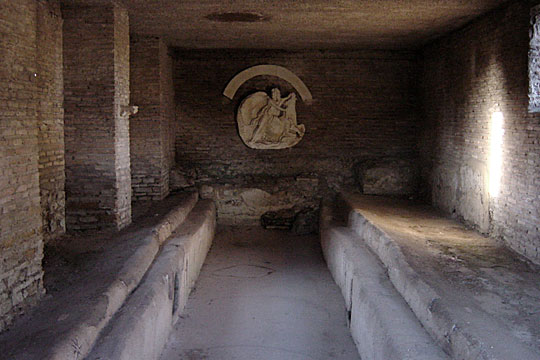
The Mithraeum of the Seven Spheres (Sette Sfere) is of great importance for the understanding of the cult, because of its black-and-white mosaics depicting the planets, the zodiac and related elements.
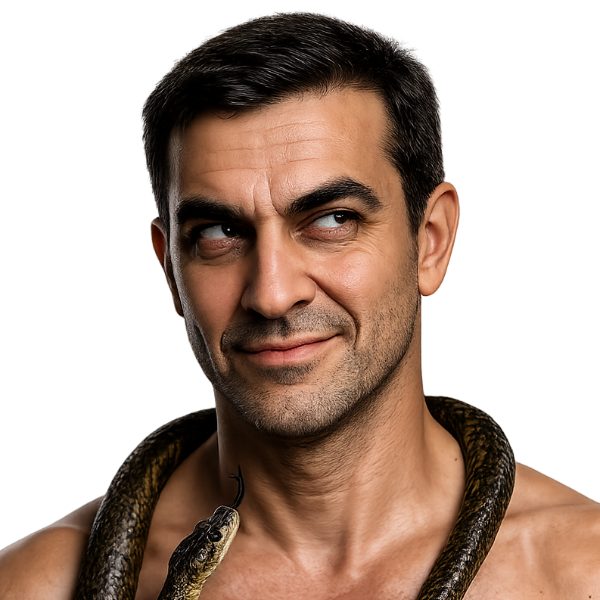
Syndexios in Ostia, his name Marsus suggests that he was a snake-charmer.
.jpg)
The statue of Arimanius/Ahriman was found in 1874 under the city wall of York during the construction of the railway station.
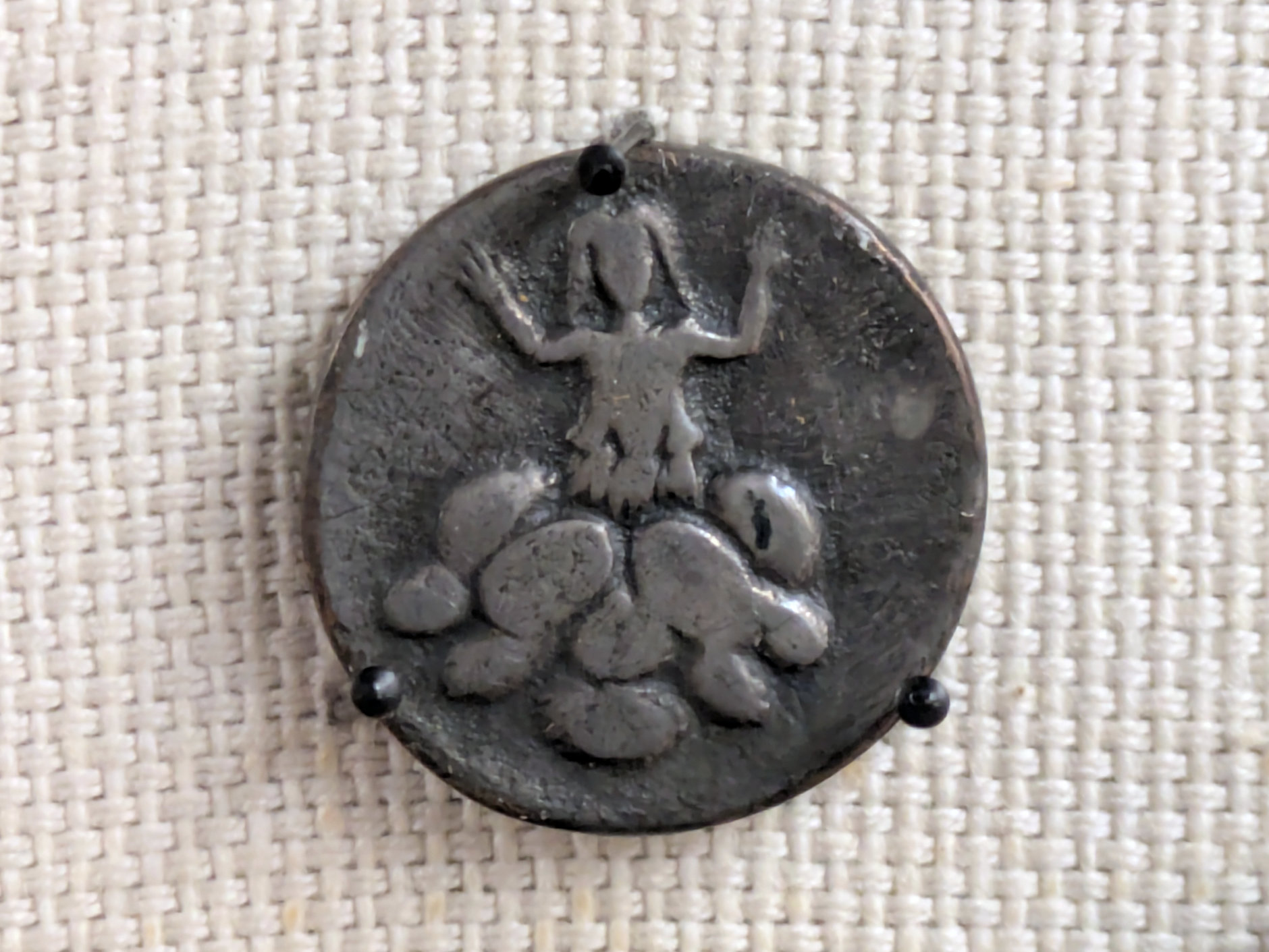
The mithraic denarius of St. Albans dates from the 2nd century.

A historical role-playing game inspired by the archaeology of Roman Mithraism. Applications are now open and places are limited. The next campaign begins on 24 June.
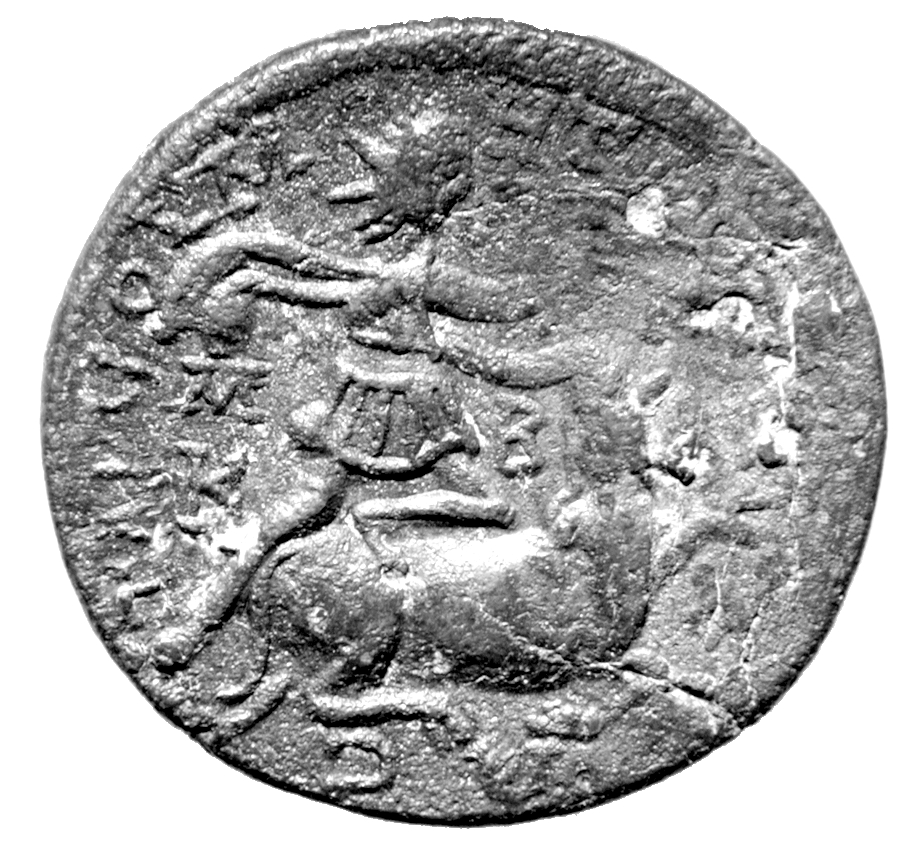
The bronze medallion, from Cilicia, shows Mithras Tauroctonus on the revers.

Professional author with a special interest in Greco-Roman ritual and sacred landscapes, art and philosophy.

Late Roman senator and governor of Numidia whose inscriptions present him as a Mithraic pater and initiate in several mystery cults.

Magister of a Bracaran sodalicium associated with the cult of Mithras in Roman Lusitania.
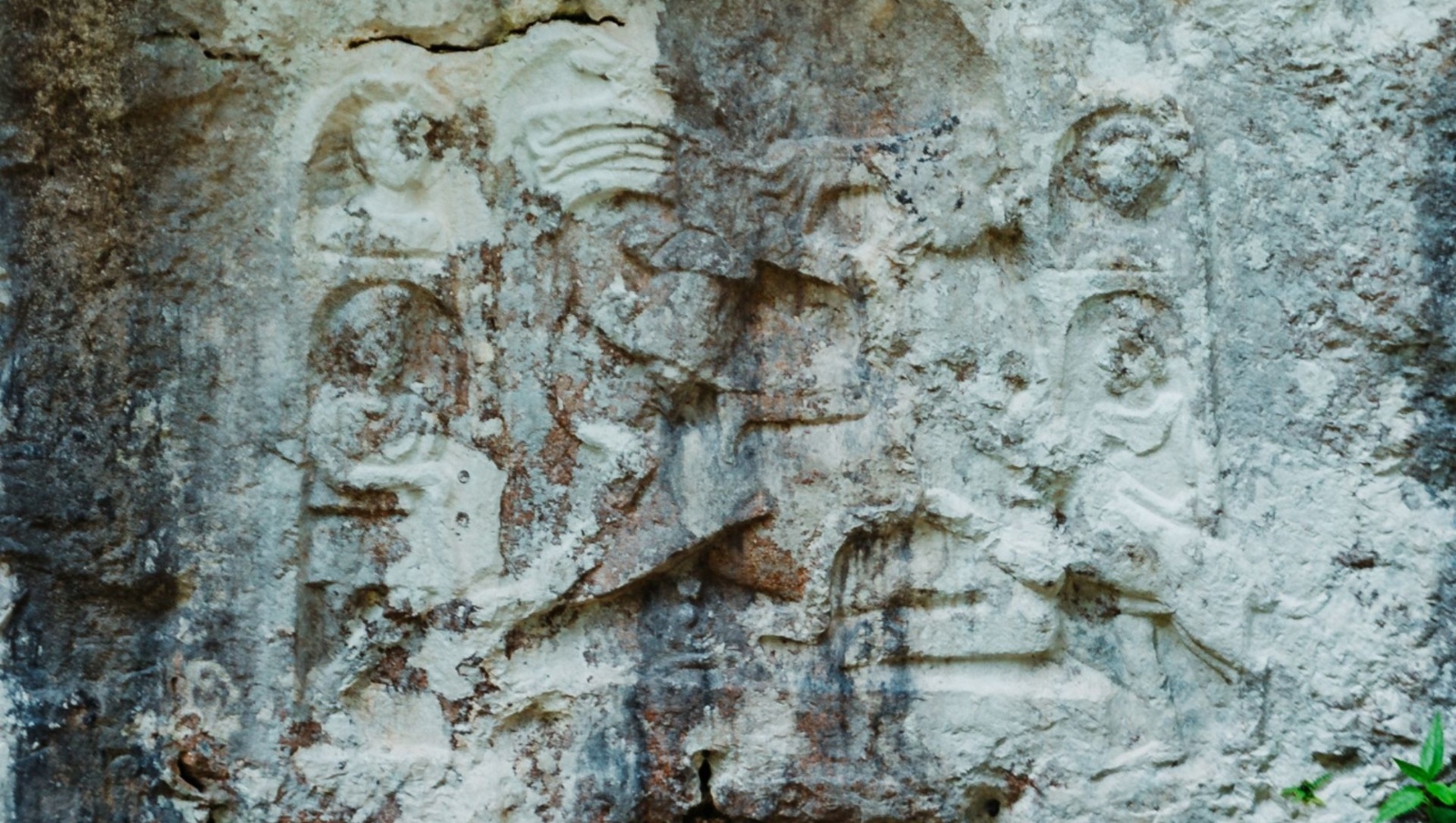
Carved directly into the rock of the Rožanec sanctuary, this tauroctony relief preserves an unusually complete composition.

A powerful and wealthy man, founder of a mithraeum in the city of Aquincum of which he was the mayor.
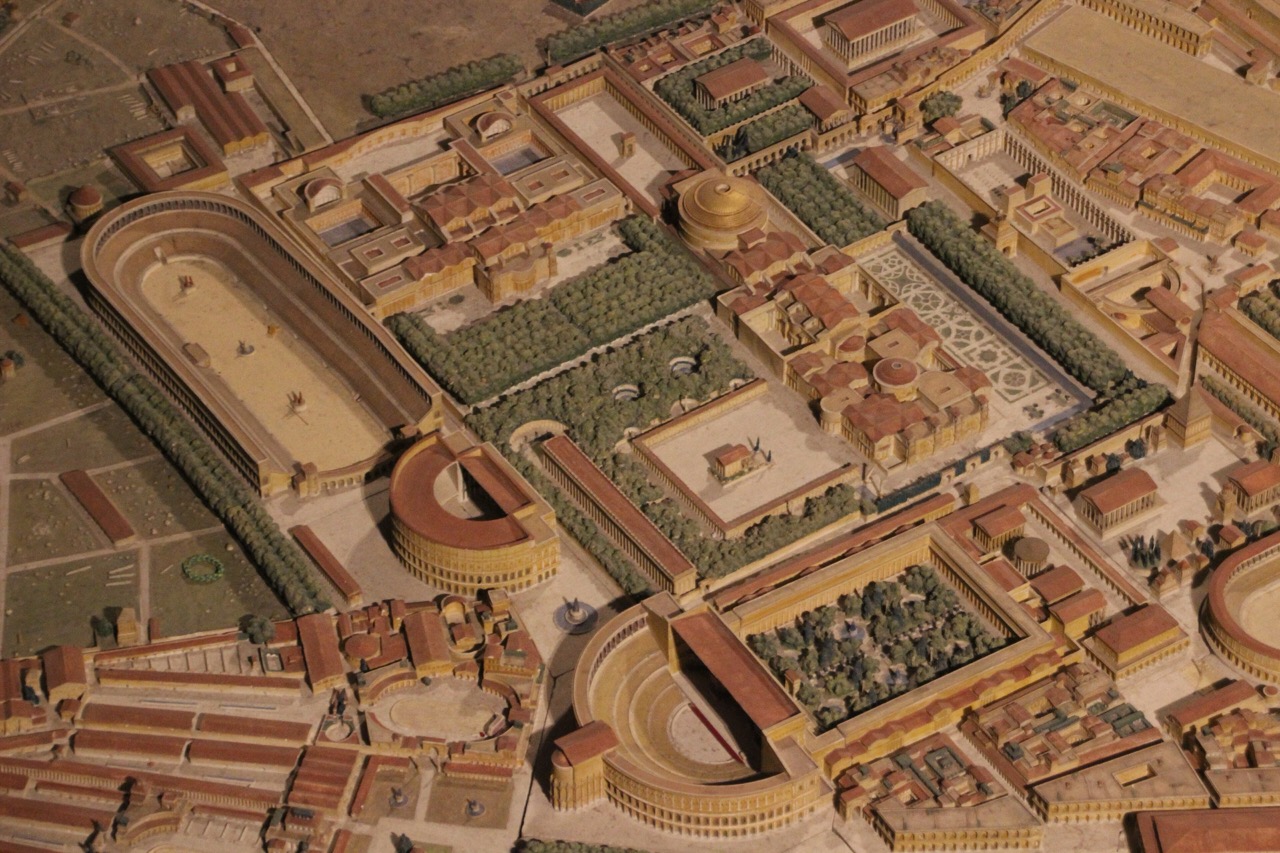
Archaeological evidence shows that the area around Rome has been inhabited since around 14,000 years ago. Excavations support the theory that Rome grew from pastoral settlements on the Palatine Hill, which was built over the area of the Roman Forum.
