Your search Casa del Mitreo gave 219 results.

The name of this domus comes from the fact that some authors once associated one of its mosaics with the cult of Mithras, a connection that has since been dismissed.

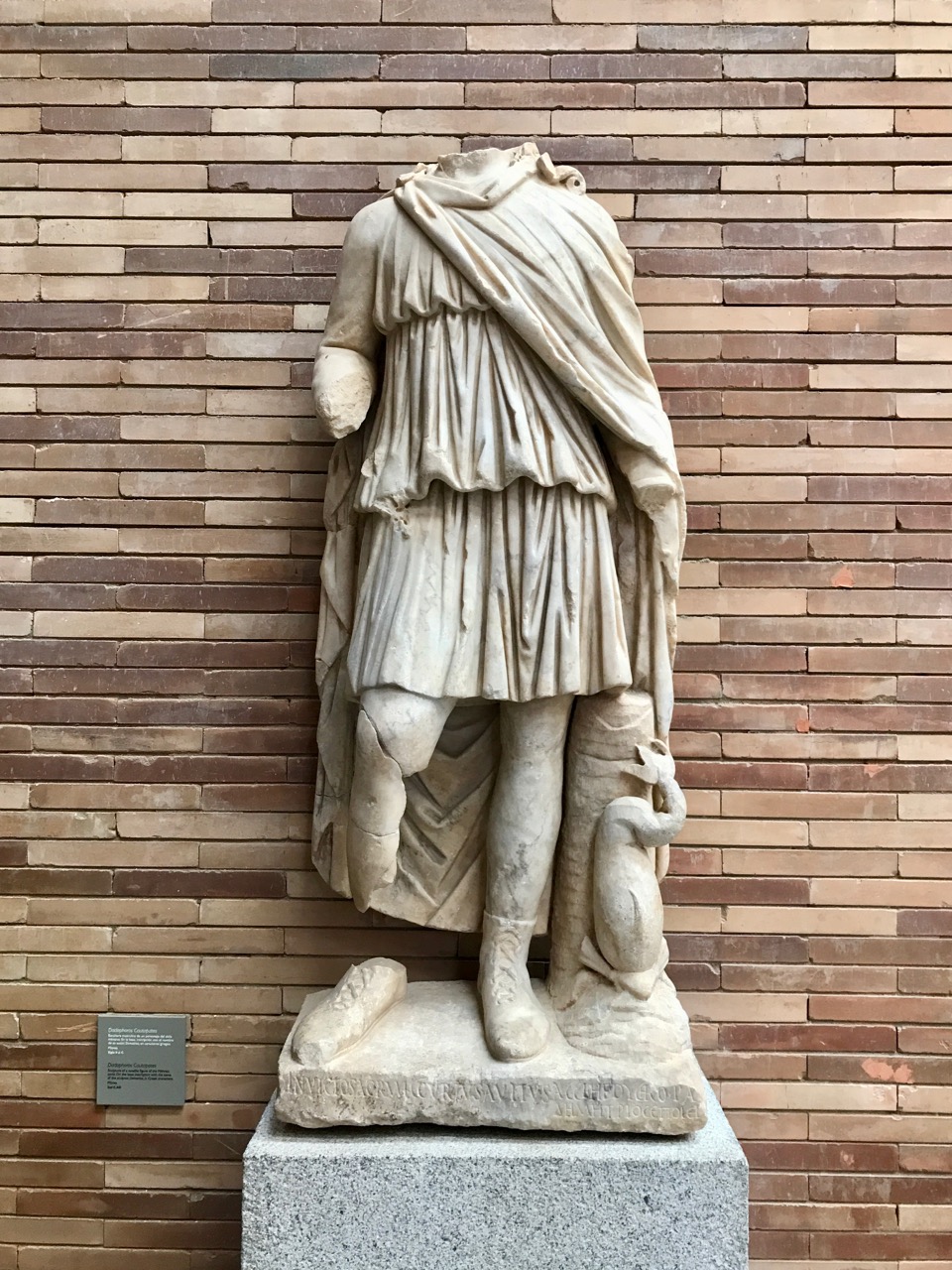
The sculpture of the solar god is signed by its author, Demetrios.

Marble cap mentioned by Visconti, subsequently identified as certainly belonging to the finds of the Mitreo degli Animali rather than the Mitreo del Palazzo Imperiale, Ostia.
Two small tuff altars walled into the corners of the benches, each bearing a representation of a jug, from the Mitreo delle Sette Sfere at Ostia.
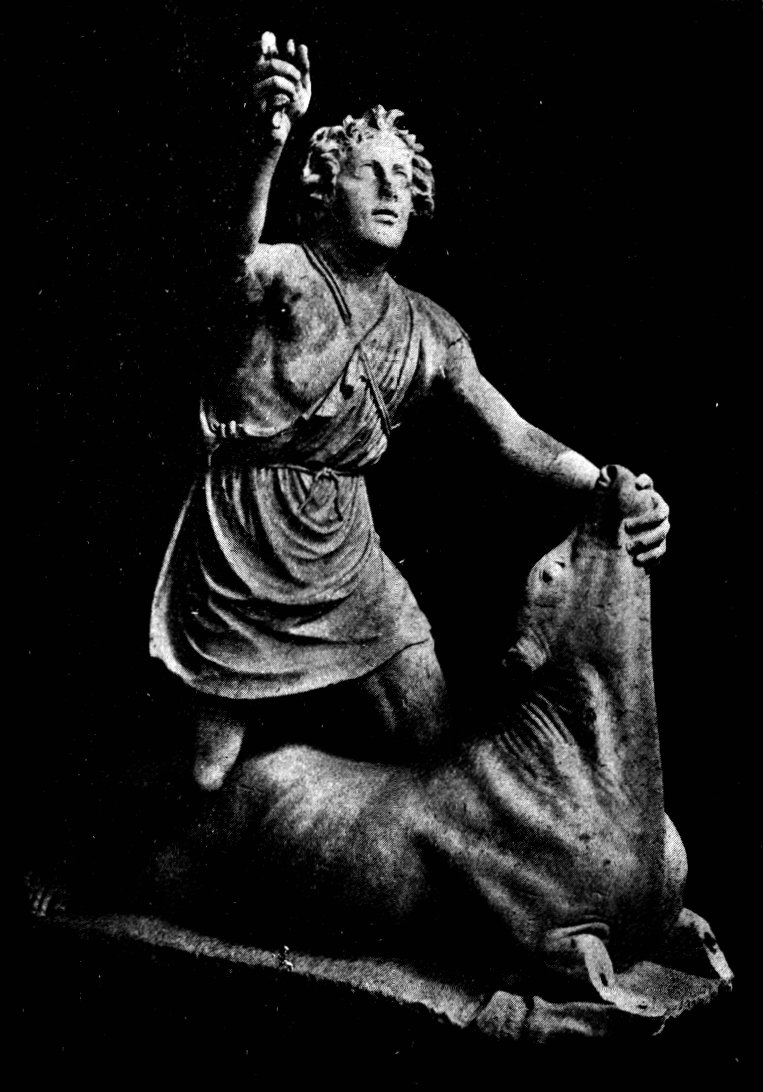
The person who commanded the sculpture may have been M. Umbilius Criton, documented in the Mitreo della Planta Pedis.
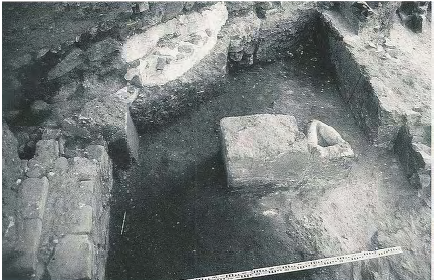
The Mithraeum at Espronceda Street, in Merida, was discovered in 2000. It is a semi-subterranean temple.
This marble slab found near the Casa de Diana in Ostia bears two inscription with several names of brothers of a same community
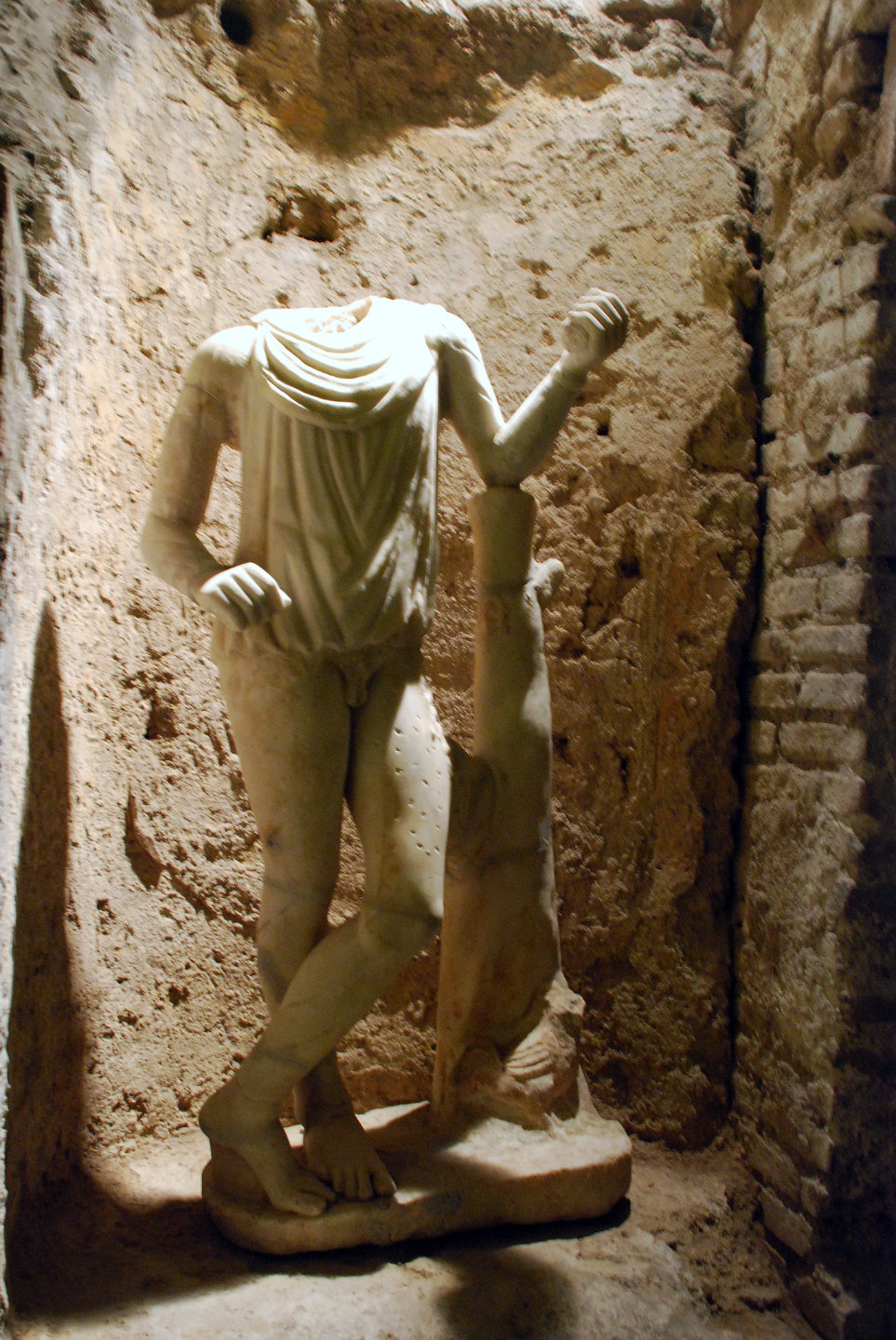
The marble statue of Cautes, found in the Mithraeum of Santa Prisca, was originally a Mercury.
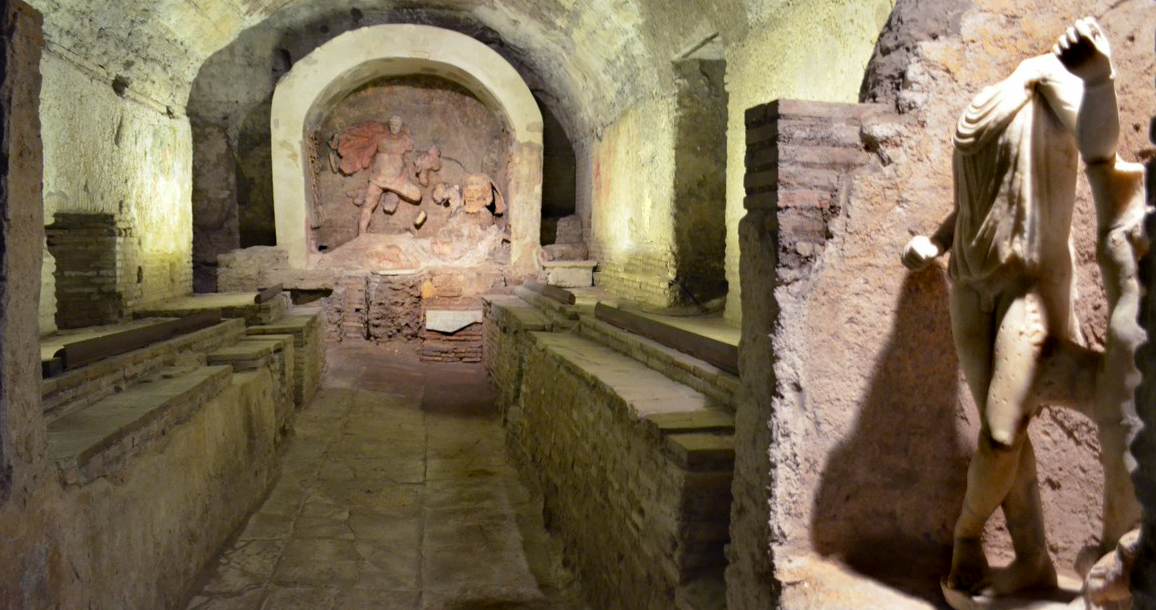
The Mithraeum of Santa Prisca houses remarkable frescoes showing the initiates in procession.
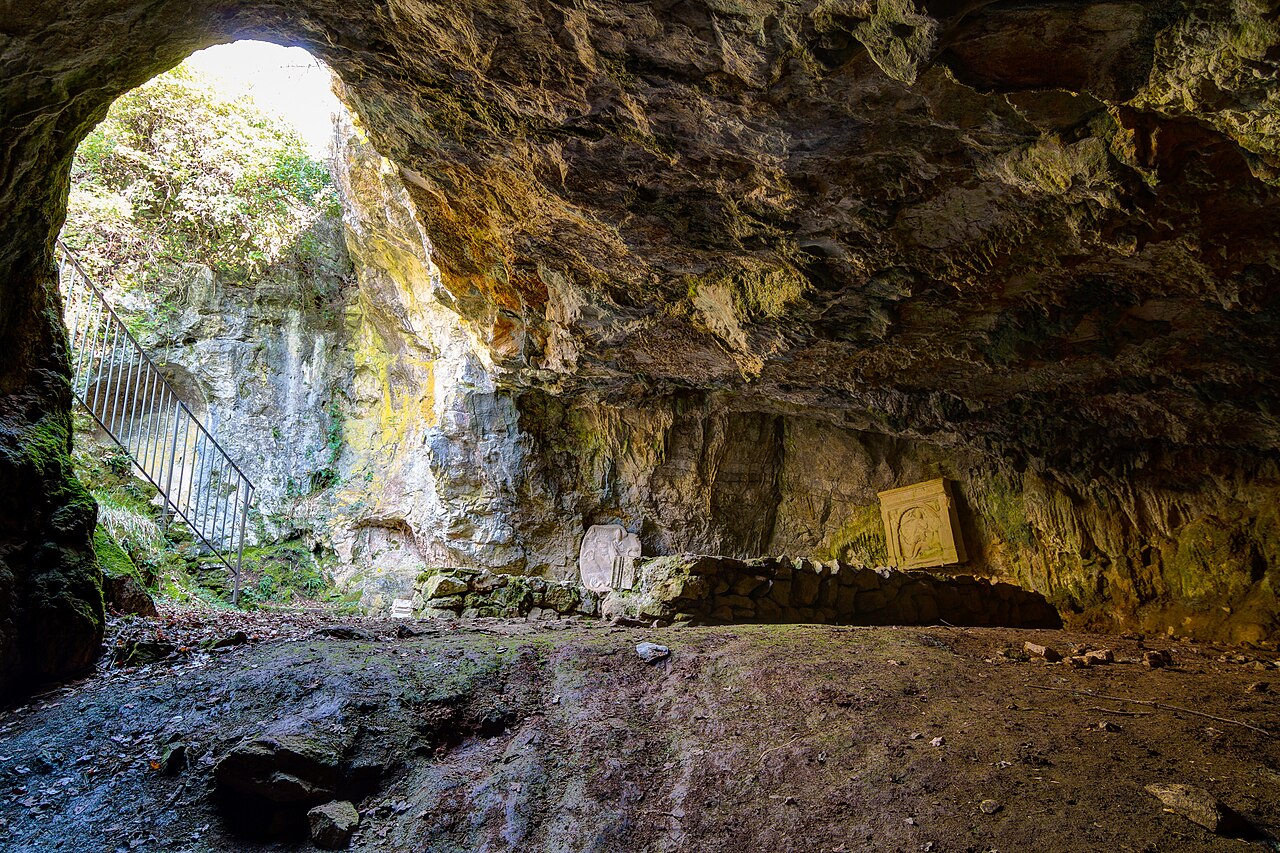
The site was destroyed in the 5th century but some elements, including the benches, can still been seen.
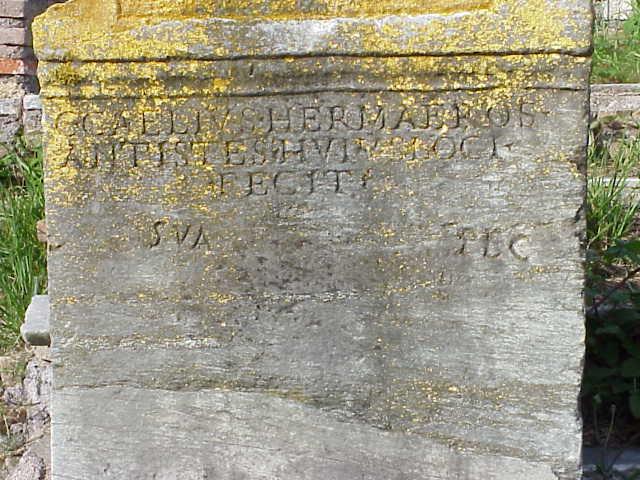
This is one of several marble inscriptions made by a certain Caelius Ermeros, who was the antistes of the Mithraeum of the Imperial Palace.
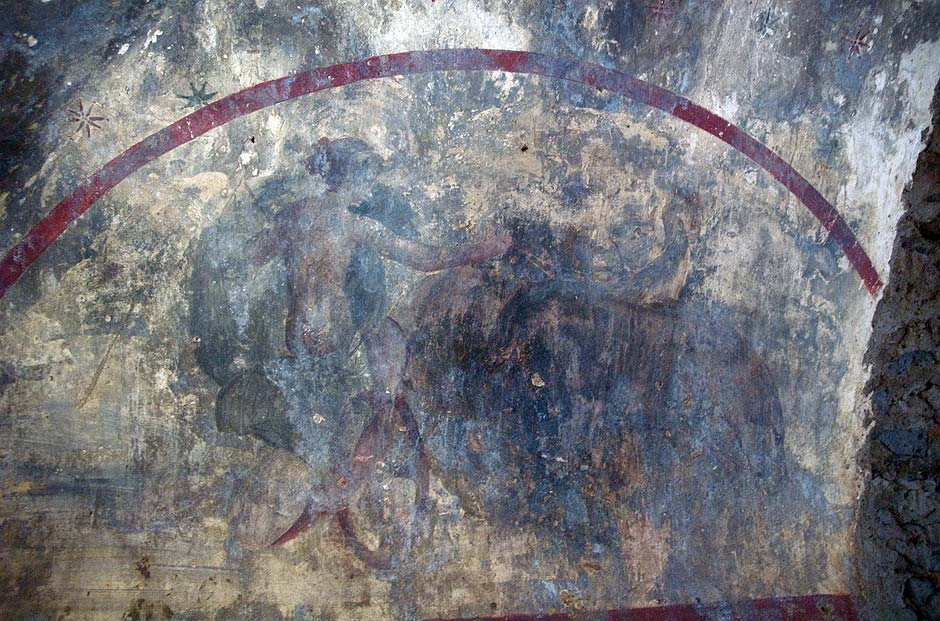
Luna riding a biga in the Mithraeum of Santa Capua Vetere.

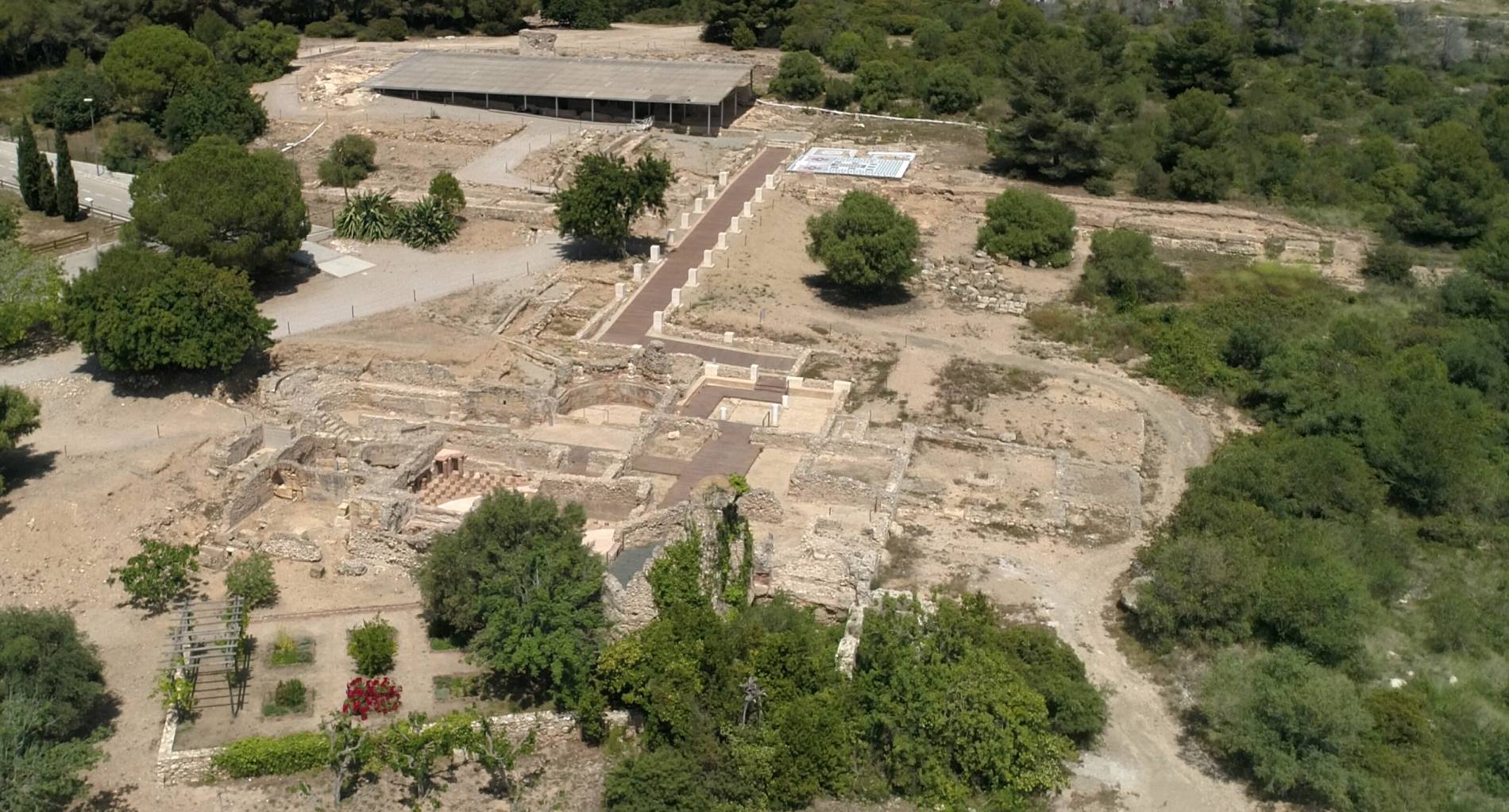
The Mithraeum of Els Munts, near Tarragona, is one of the largest known to date.
Graffito on a wall of the Caseggiato del Sole adjacent to the Mitreo dei Serpenti at Ostia, reading "Dominus Sol hic avitat" (Lord Sun dwells here).
Base in the form of an altar with five small bacchic herms and eleven lamps, from the Mitreo Sabazeo at Ostia.
Inscription dedicated to Sol Invictus, Omnipotent and Holy Caelestis, with Fortuna Lares and Tutelae, found near the Mitreo Sabazeo at Ostia, dedicated by Venerandus.


