Your search Casa del Mitreo gave 219 results.
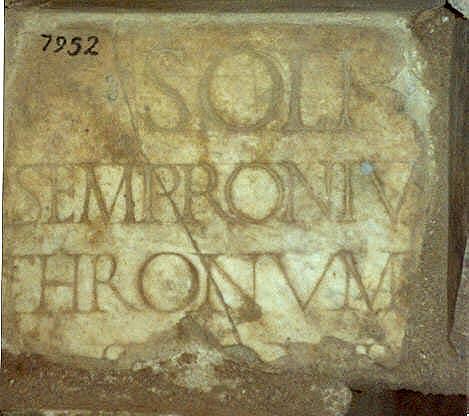
Slab marble indicates that Lucius Sempronius has donated a throne to the Mitreo delle Pareti Dipinte.
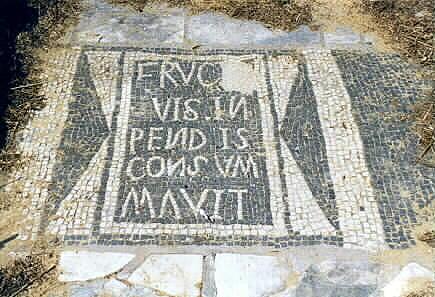
The mosaic bears an inscription indicating the name of the owner.
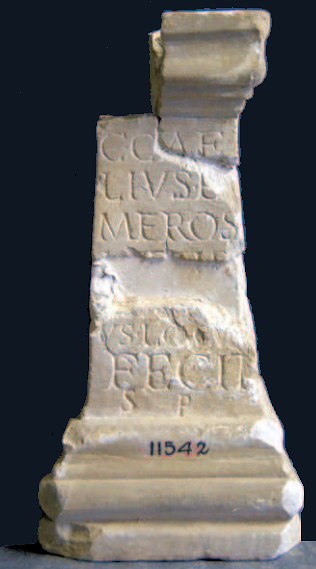
This small monument bears the inscriptions of a certain Caelius Ermeros, antistes at the Mithraeum of the Painted Walls.
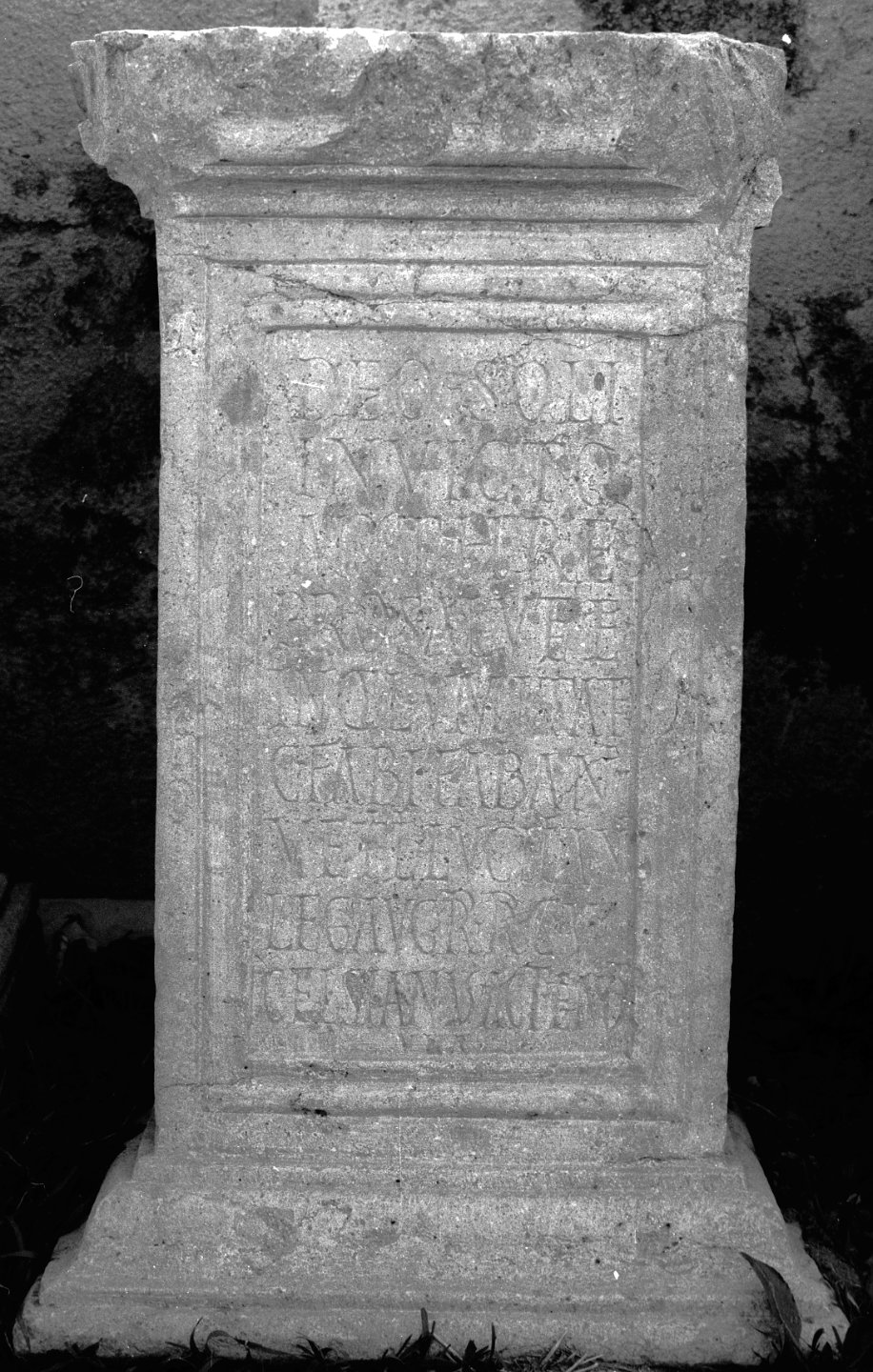
This altar found in Lambèse, now Tazoult, Algeria, bears the inscription of a certain Celsianus for the health of two men to the god Sol Unconquered Mithras.
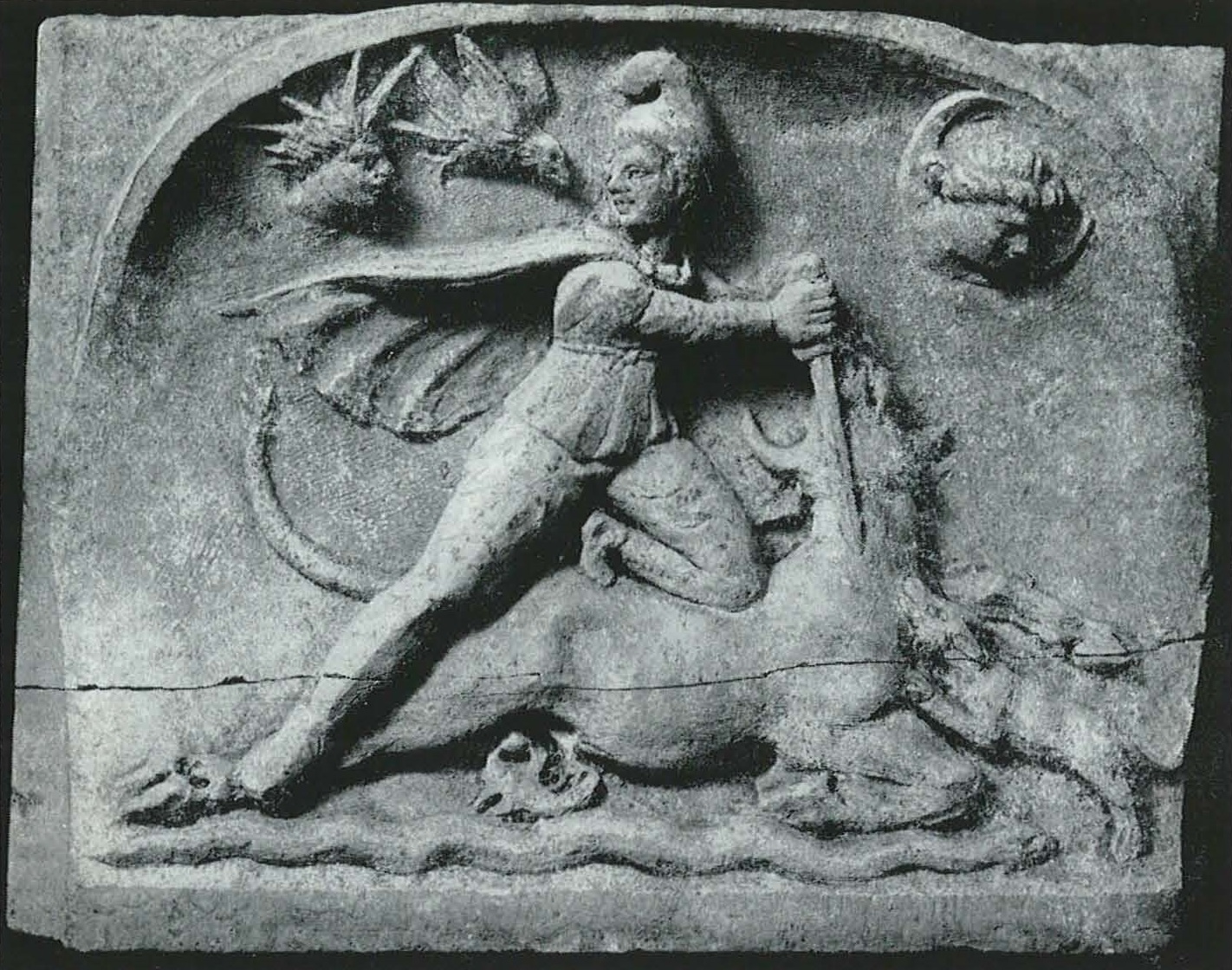
This simple relief of Mithras killing the bull without his companions Cautes and Cautopates was found in the so-called Mithraeum of the Esquilino, Rome.

Epigraphic monuments reveal the presence of a Mithraeum in the ancient municiple of Carsulae, in Umbria.
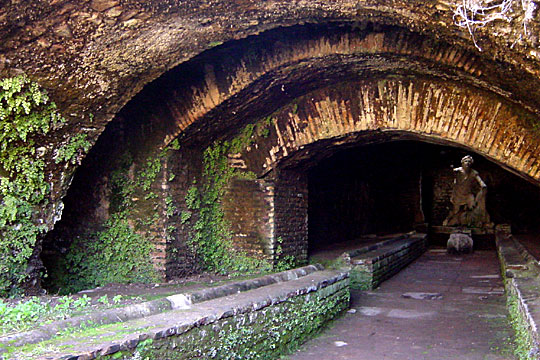
The Mithraeum of the terms of Mithras takes its name from being installed in the service area of the Baths of Mithras.
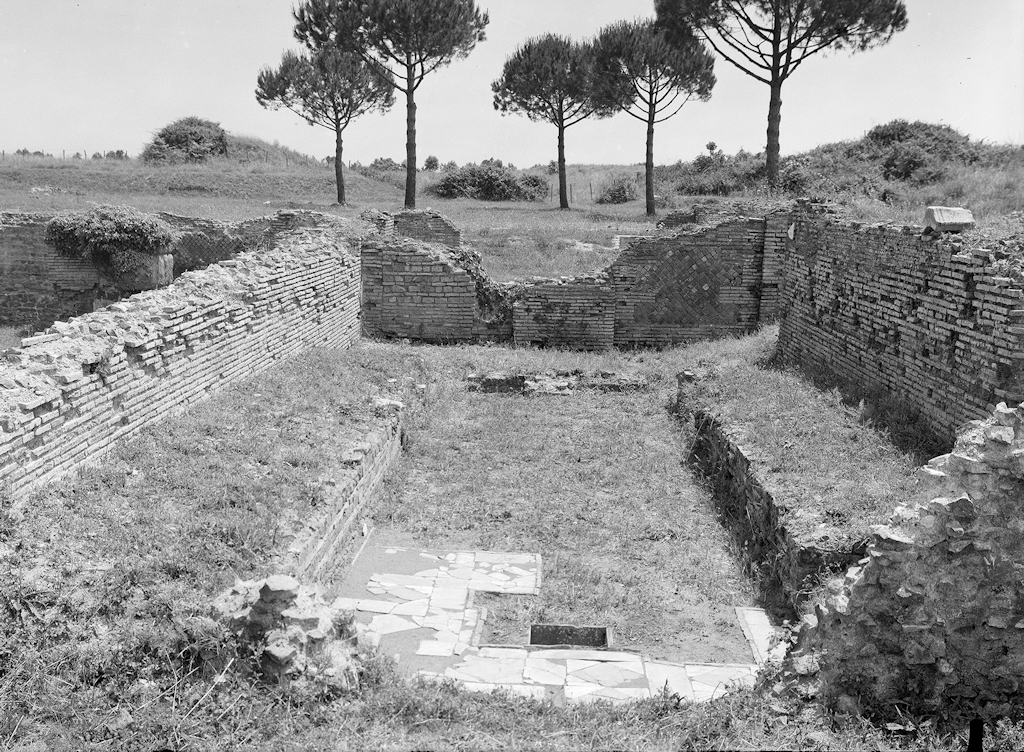
Excavated in 1919, the Mithraeum near the Roman Gate was installed in the 3rd century within a larger building complex.
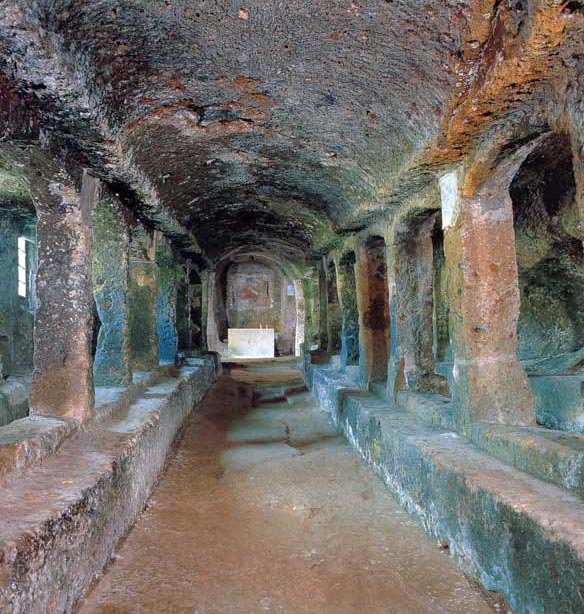
The Mithraeum of Sutri was built inside a rocky hill that also hosted the Roman theatre of the city.
This Mithraic temple, also known as the Mithraeum of the Olympii, dates to the 3rd century and was rediscovered in 15th-century Rome, but it has not been preserved.
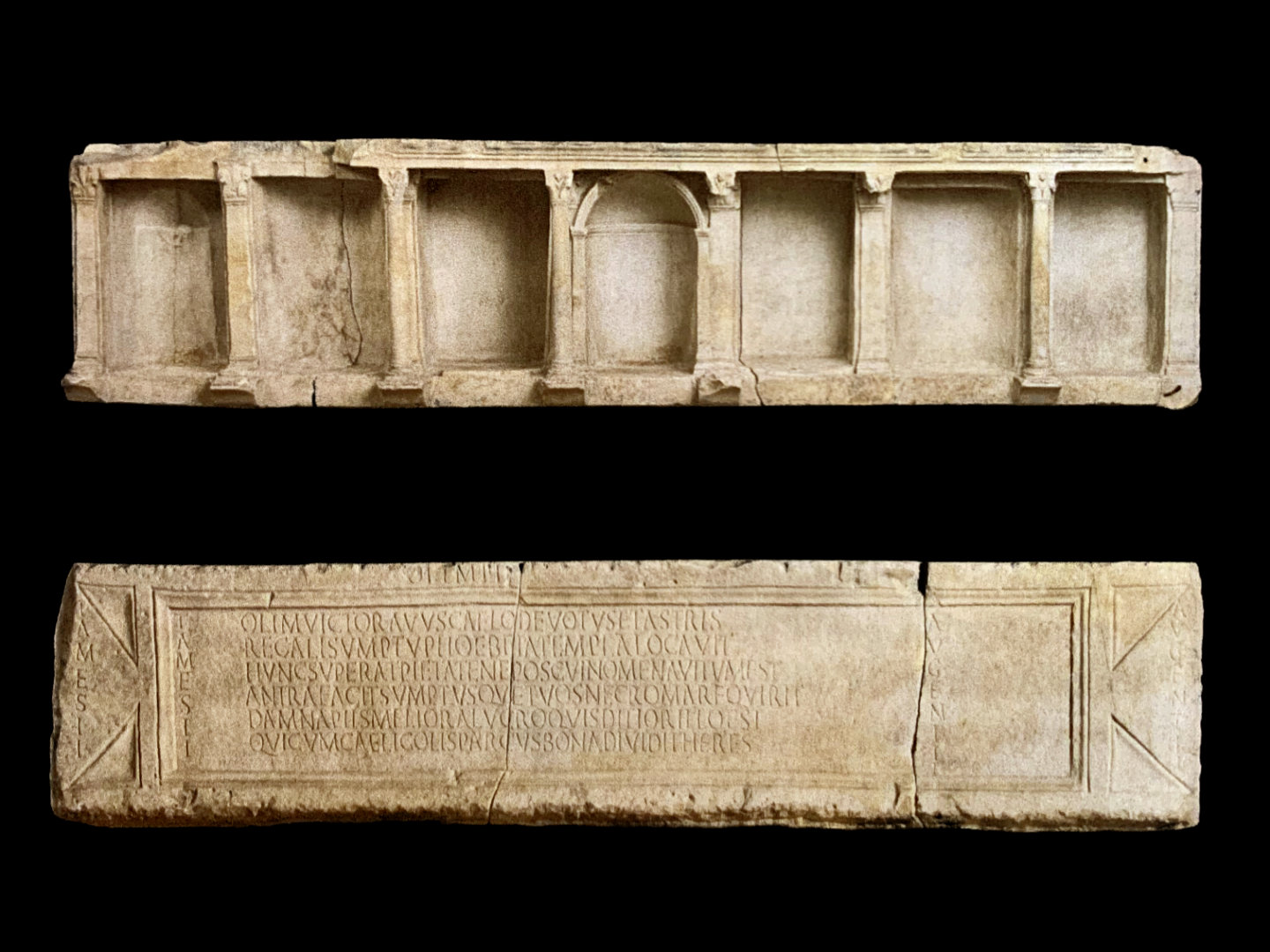
This monument is the only one still available from the disappeared Mithraeum in Piazza S. Silvestro in Capite.
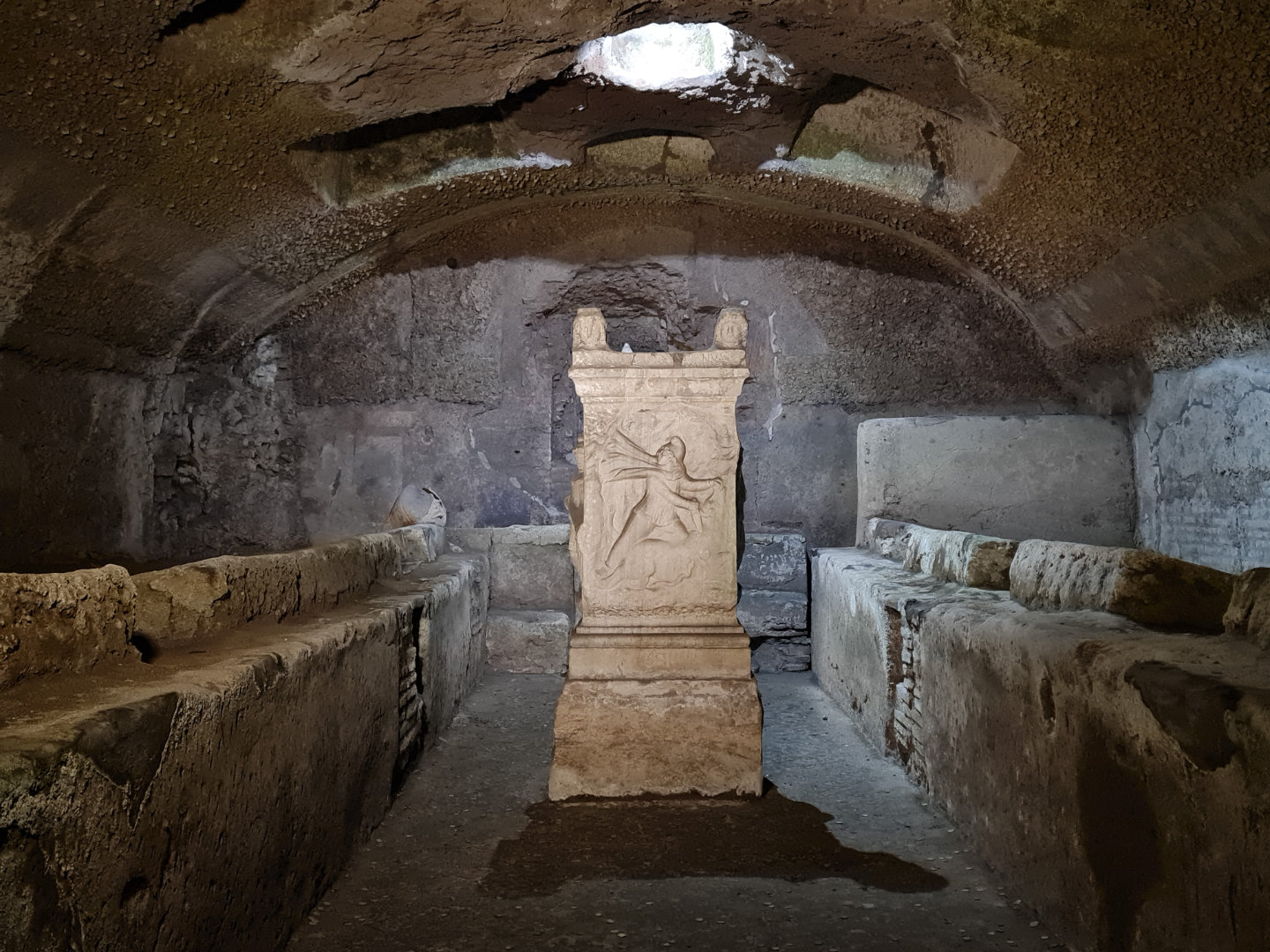
The Mithraeum under the Basilica of San Clemente made part of a notable Roman house.

Este es un libro que pretende esbozar un panorama general de los documentos mitraicos repartidos a lo largo del Imperio romano.

Papers of the international conference "Roman Mithraism: the Evidence of the Small Finds". Tienen 7-8 November 2001.

Una novela negra, adictiva e irreverente sobre un triángulo amoroso perdido en la España vaciada.

Roger Beck describes Mithraism from the point of view of the initiate engaging with the religion and its rich symbolic system in thought, word, ritual action, and cult life.

This magnificently illustrated publication renews the Mithraic dossier on the basis of concrete data, with caution and penetration. Marino's discovery is disconcerting and rekindles the controversy about the order in which bands should be read.
This graffito seems to be an account of offerings made by Mithras worshippers in the Cassegiato di Diana.

White marble statue of Lion-head god of time, formerly in the Villa Albani, nowadays in the Musei Vaticani.