Your search Castellammare di Stabia gave 2069 results.

Around 300 BC, Burdigala was the settlement of a Celtic tribe, the Bituriges Vivisci. The Romans conquered the area in 60 BC and made Burdigala the capital of the Roman province of Aquitania during the reign of Emperor Vespasian.
Mediolanum, the ancient city where Milan now stands, was originally an Insubrian city, but afterwards became an important Roman city in northern Italy.
Londinium was the capital of Roman Britain for most of the period of Roman rule. It was originally a settlement founded around 47-50 AD in an uninhabited area.

Neapolitan senator who dedicated a tauroctonic relief to Mithras tauroctonus to the Almighty God Mithras.

This small Greek dedication from the island of Aenaria invokes Helios Mithras under the epithet “unconquered”.
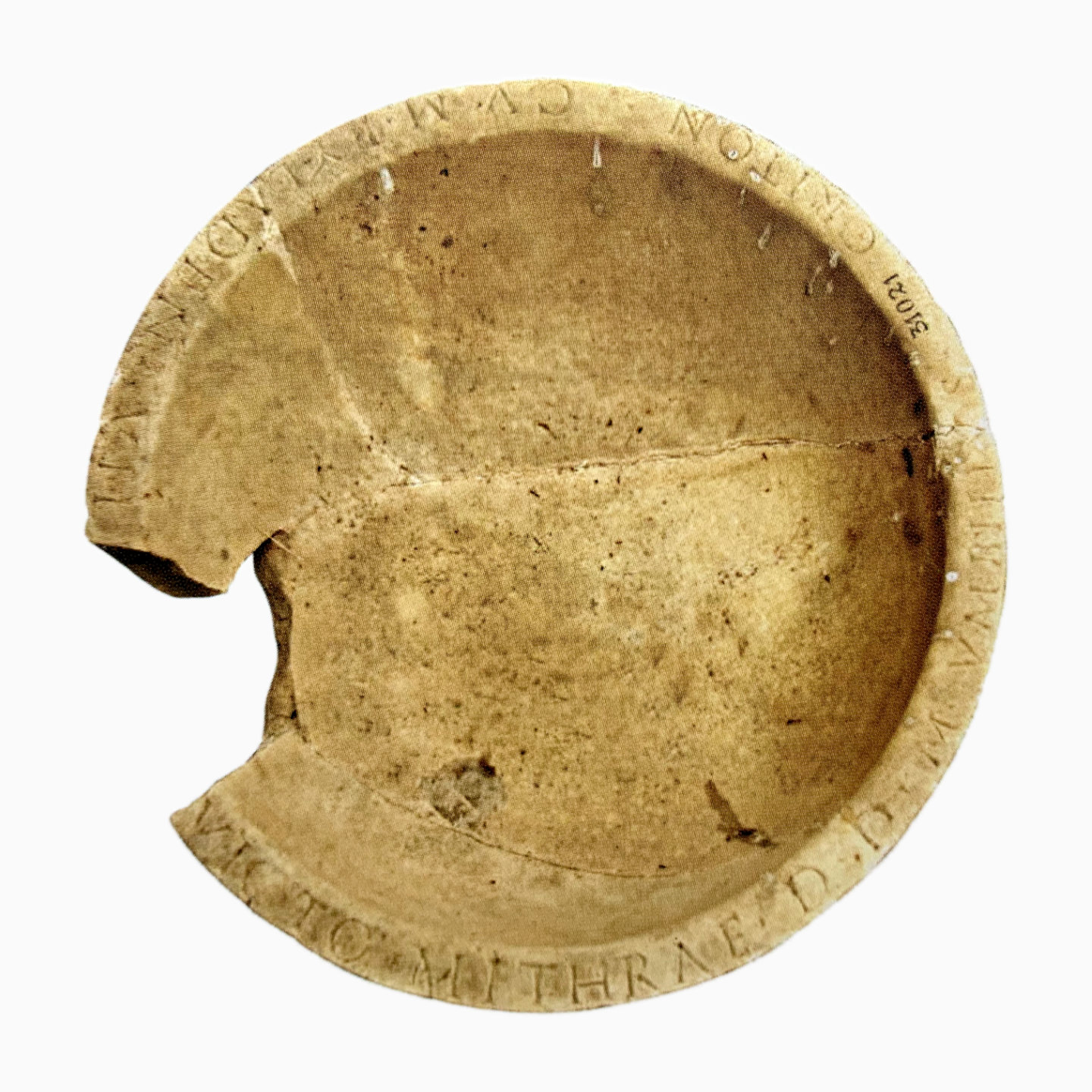
This marble basin found in the Mithraeum of the Footprint bears an inscription of a certain Umbilius Criton, associated with a monumental tauroctonic sculpture also found in Ostia.
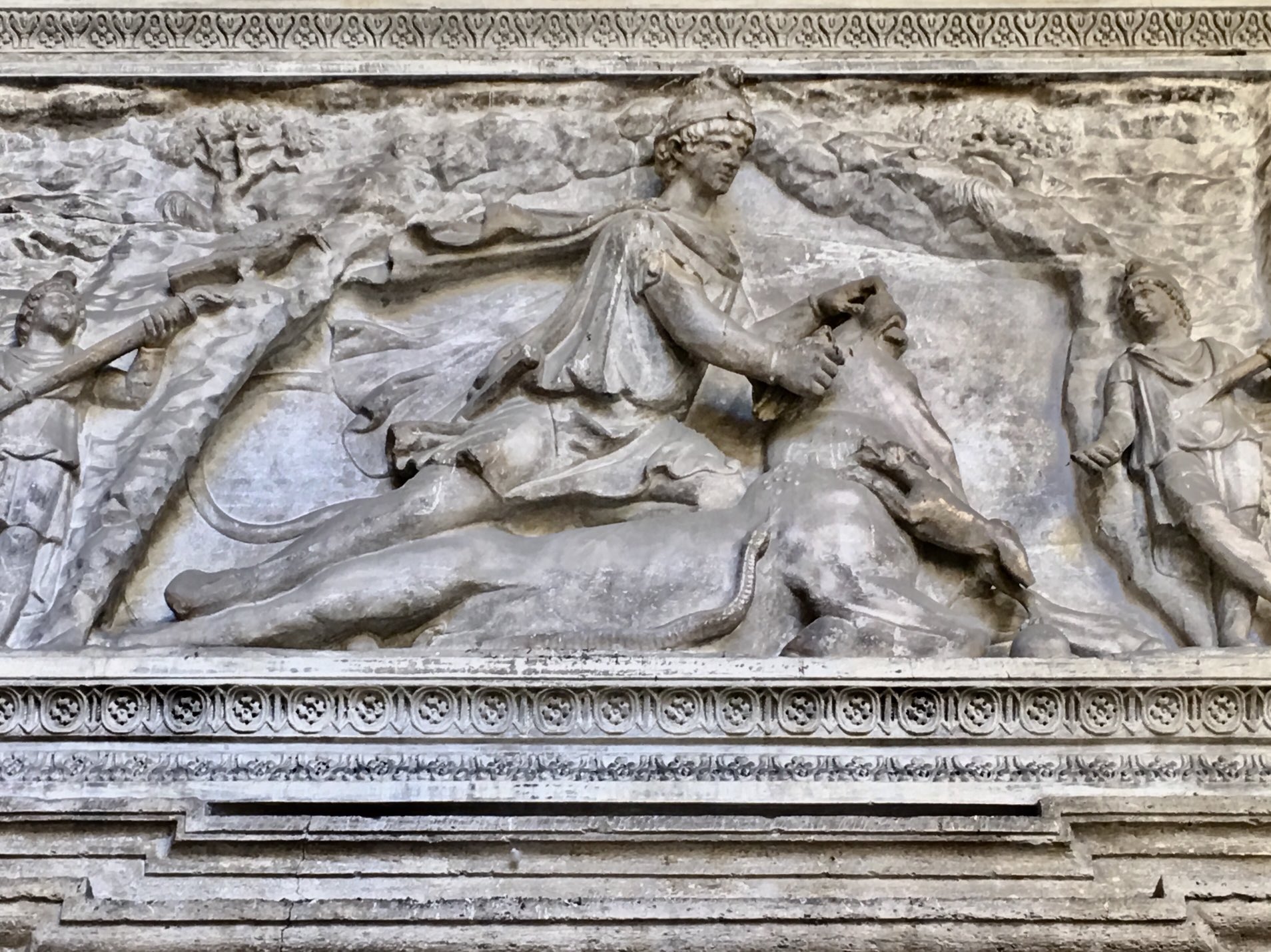
This relief of Mithras as a bullkiller, probably found in Rome, has been part of the Palazzo Mattei collection since at least the end of the 18th century.
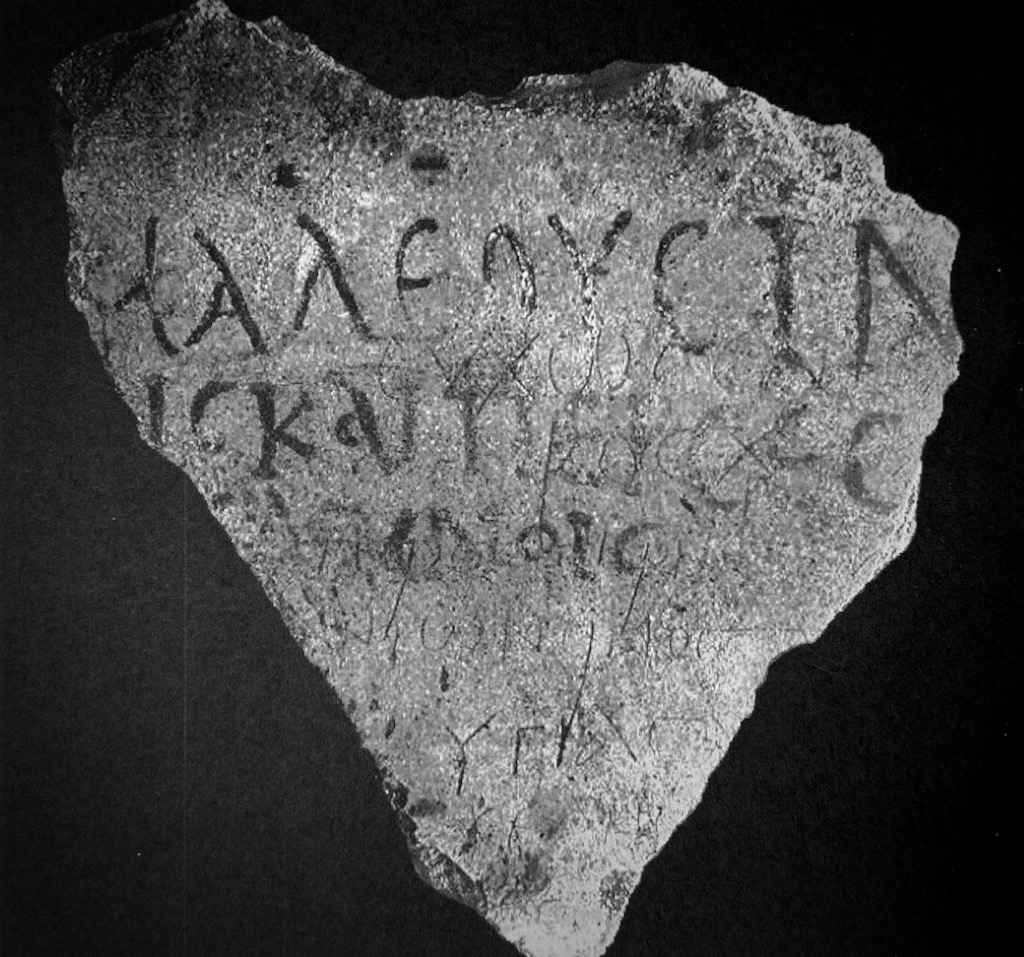
This short dipinto pays homage to the Lions and the Persians, the 4th and 5th Mithraic degrees.
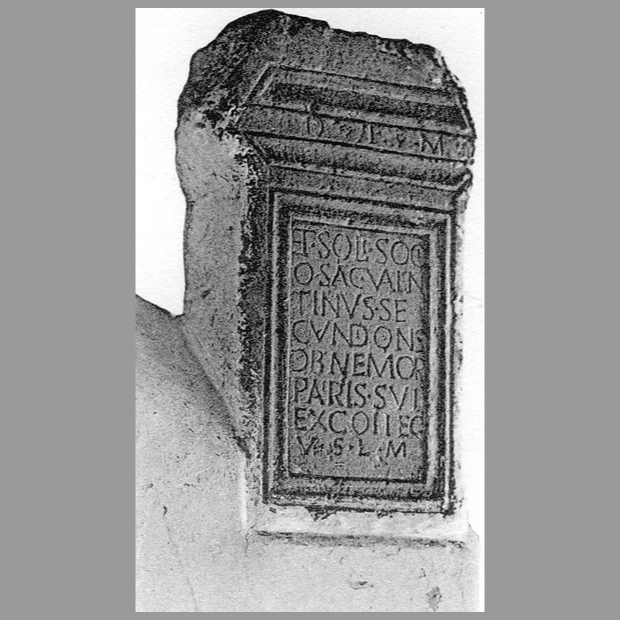
This monument, now lost, was discovered in the 16th century, probably on the site of Sublavio statio.
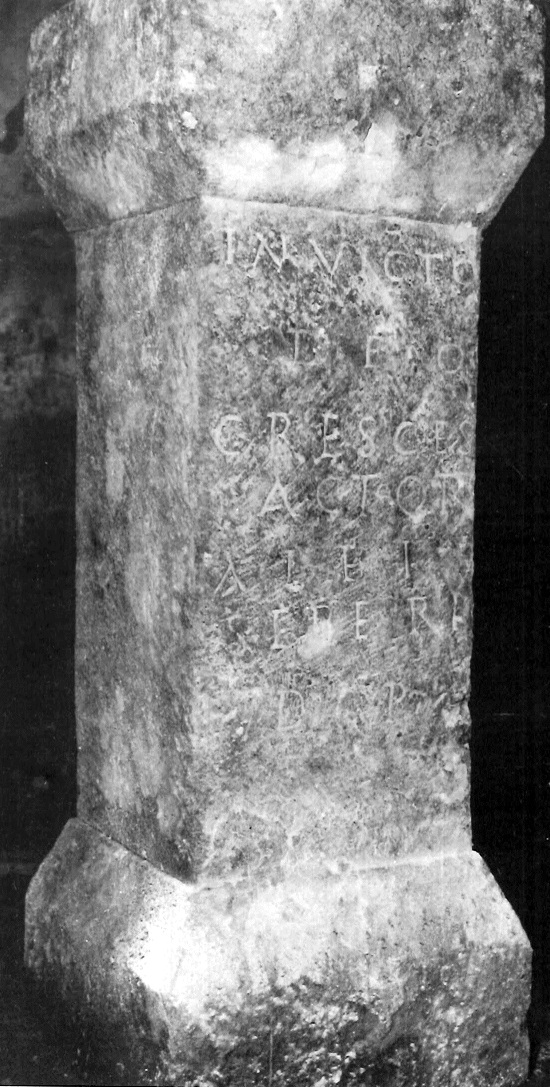
The monument is engraved with an inscription by Cresces, the donor.
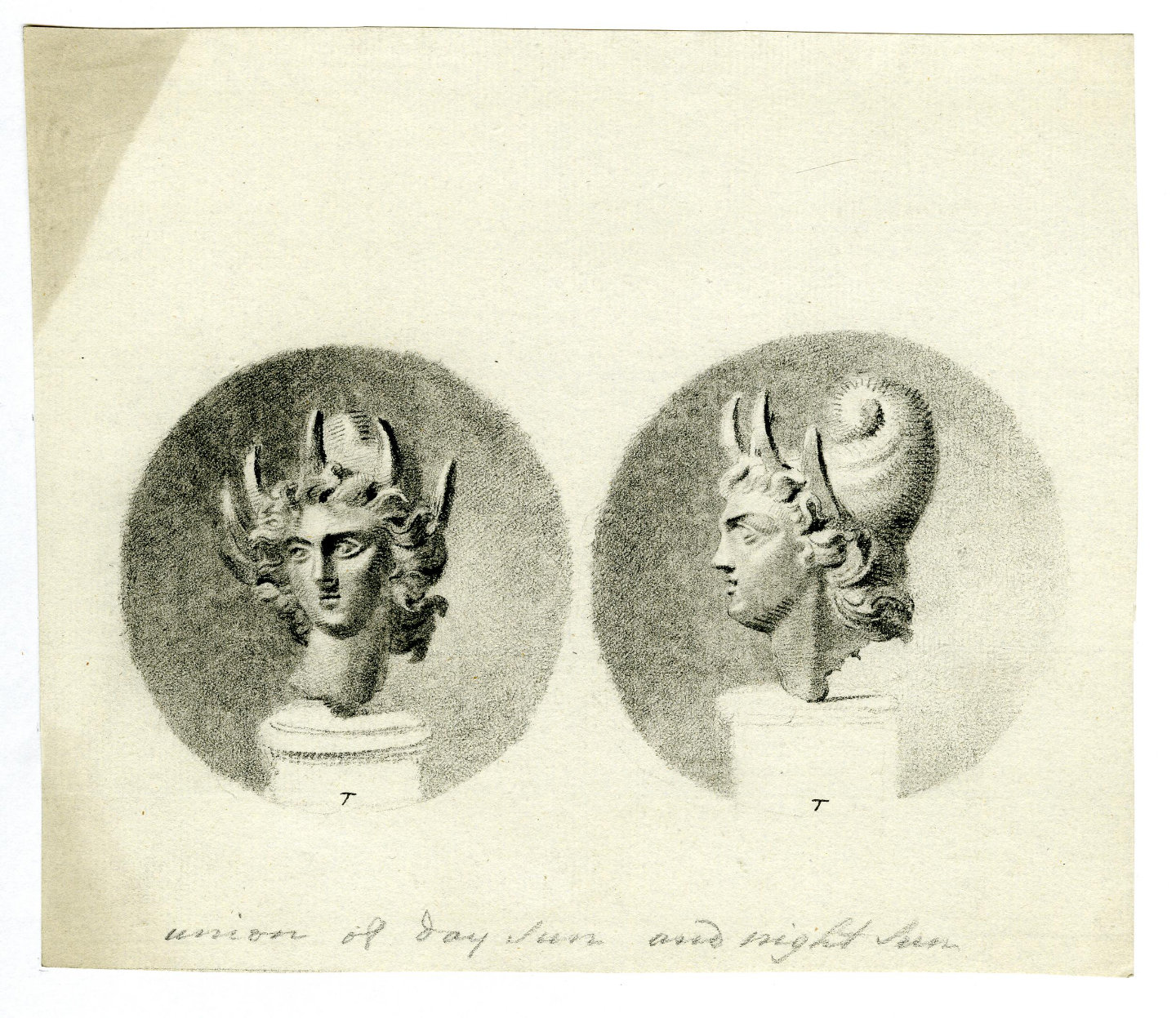

The importance of the Mithraeum of Marino lies in its frescoes, the most significant of which is that of Mithras slaying the bull, surrounded by mythological scenes.
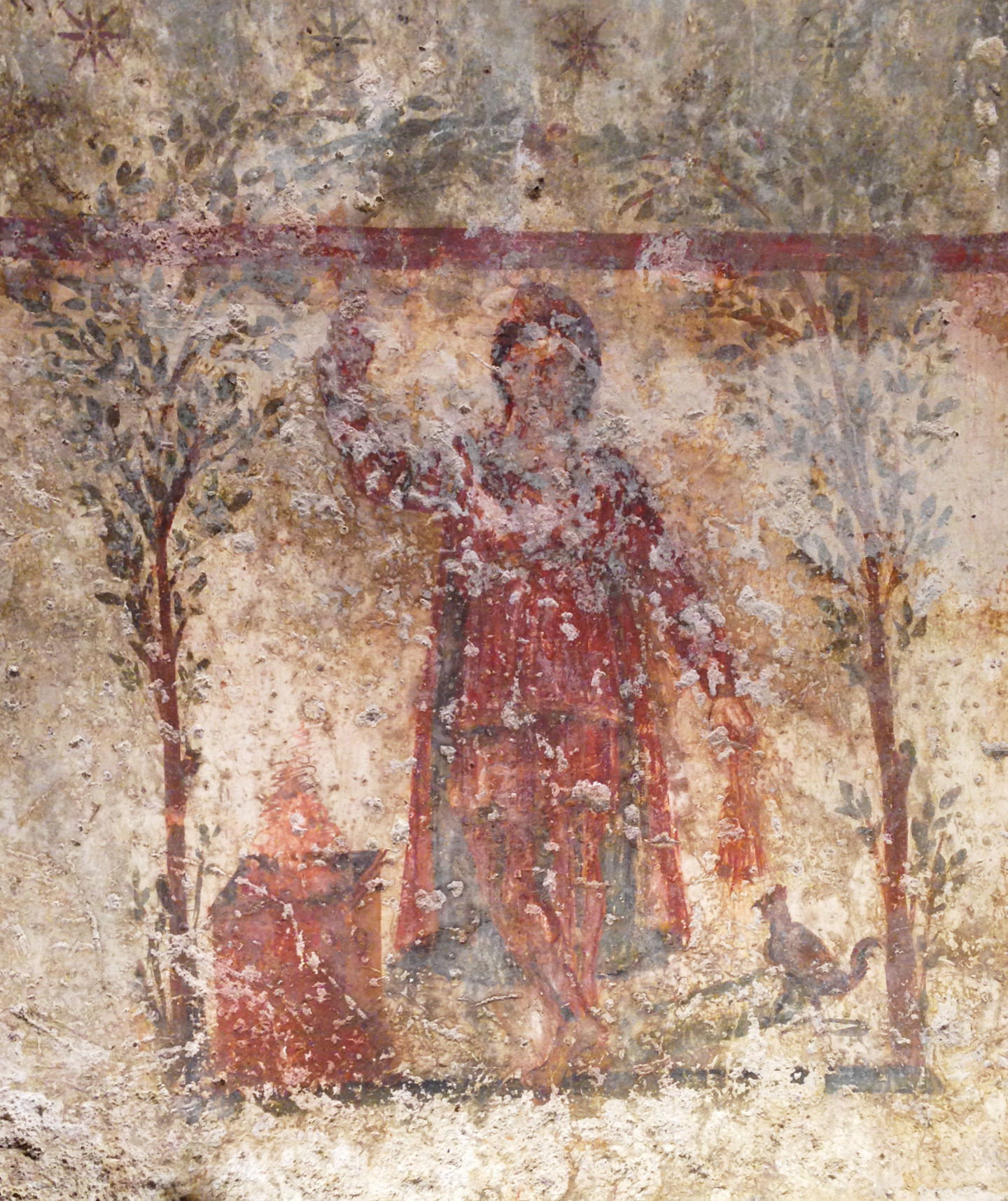
In the Mithraeum of S. Capua Veteres, Cautes stands between two laurel trees.
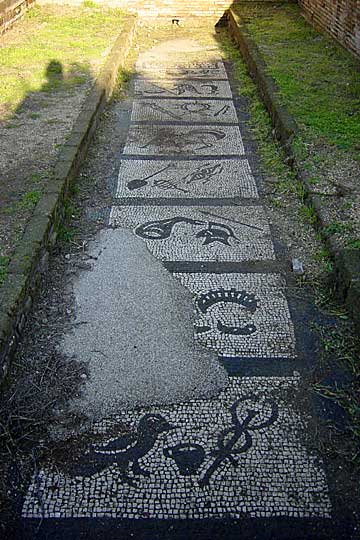
The Felicissimo Mithraeum has a floor mosaic depicting the seven mithraic grades.
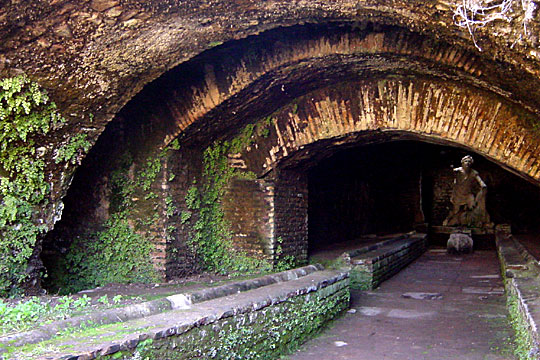
The Mithraeum of the terms of Mithras takes its name from being installed in the service area of the Baths of Mithras.

Maarten Vermaseren, qui a publié un corpus des inscriptions et des monuments de la religion mithriaque et un certain nombre d'études savantes sur le même sujet est certainement l'un des meilleurs spécialistes de la question.
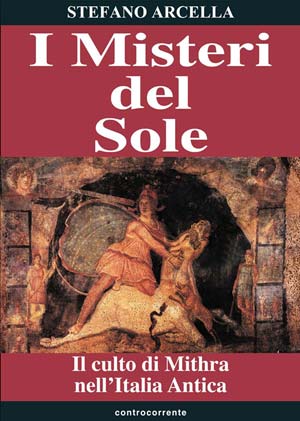
A study of Roman Mithraism that combines historical evidence with a symbol-centred interpretive approach, exploring Mithraic iconography, ritual experience, and the cult’s encounter with Christianity in the Late Empire.

This Mithraic temple, also known as the Mithraeum of the Olympii, dates to the 3rd century and was rediscovered in 15th-century Rome, but it has not been preserved.


Este es un libro que pretende esbozar un panorama general de los documentos mitraicos repartidos a lo largo del Imperio romano.
