Your search Castellammare di Stabia gave 2069 results.
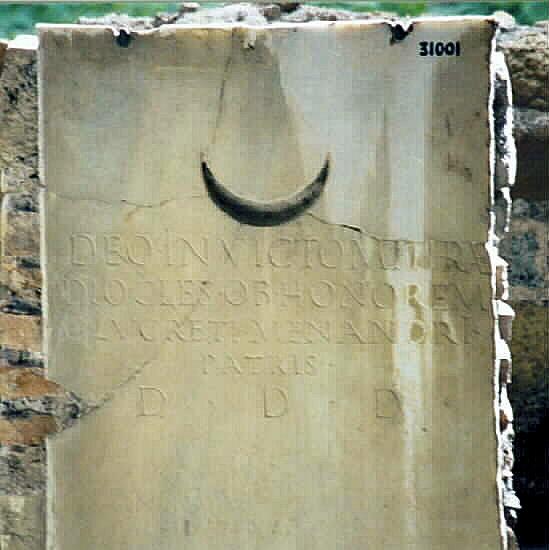
The brick altar of the Mithraeum Menander was covered with marble slabs bearing a crescent and an inscription.

Late Roman funerary inscription from Antium commemorating the senator, governor of Numidia and Mithraic pater Alfenius Ceionius Iulianus Kamenius.
Oolitic stone statuette of the torchbearer Cautopates discovered in Drury Lane, Londinium.
Major Mithraic sanctuary in the City of London with east-west orientation, multiple building phases and rich sculptural finds.
Group of nearby religious dedications associated with soldiers of the Legio III Augusta and the wider sacred landscape around the Mithraeum.
Reworked limestone altar dedicated by the governor of Numidia during the period of the Diocletianic persecutions.
Dedication for the safety of the provincial governor erected by an actarius and notarius within the Mithraic sanctuary of Lambaesis.
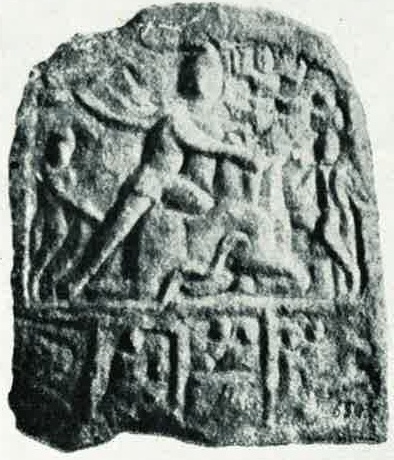
Small arched marble tauroctony relief from Philippovtsi near Sofia, Thracia, divided into two parts by a horizontal rim.
These twin inscriptions found in the Mithraeum of Tazoult were dedicated by the legate Marcus Valerius Maximianus.

This dedicatory inscription by Aurelius Seleucus, found in Cilicia, aligns with Plutarch’s account of Cilician pirates performing foreign sacrifices and secret rites of Mithras.

Szombathely is the oldest recorded city in Hungary. It was founded by the Romans in 45 AD under the name of Colonia Claudia Savariensum, and it was the capital of the Pannonia Superior province of the Roman Empire.
Aphrodisias was a small ancient Greek Hellenistic city in the historic Caria cultural region of western Anatolia, Turkey.
Claudium Virunum was a Roman city in the province of Noricum, on today's Zollfeld in the Austrian State of Carinthia.
Colonia Claudia Ara Agrippinensium, usually just called Colonia, was the Roman settlement in the Rhineland that became the modern city of Cologne, now in Germany. It was the capital of Germania Inferior and the military headquarters of the region.
Tripolitania connected the southern Mediterranean coast to caravan routes and maritime exchange networks of Roman North Africa.
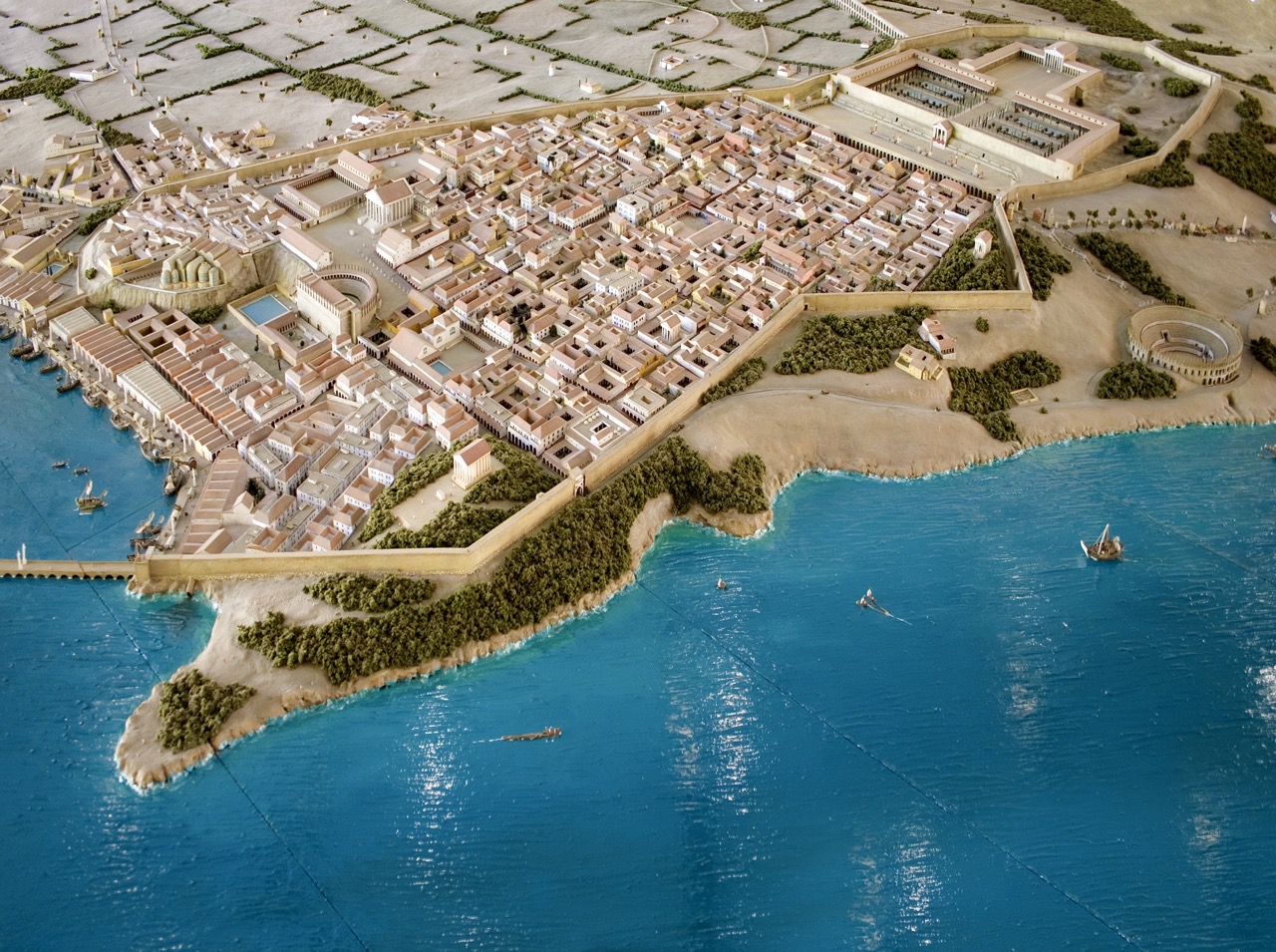
Across Tarraconensis, Mithraic evidence appears in diverse urban, military and Mediterranean environments of Roman Hispania.
Lusitania preserves one of the most important bodies of Mithraic evidence in Roman Hispania, centred above all on Augusta Emerita and its urban religious landscape.
Bactria occupied a distant eastern horizon associated with Iranian cultural traditions and the wider background of Mithraic interpretations.
Cyrene linked North Africa to the Greek East through long-standing urban traditions and eastern Mediterranean maritime exchange.
Persia occupied a central place in ancient and modern interpretations concerning the origins and eastern background of Mithraic traditions.
