Your search Cioroiu Nou gave 234 results.

Two extracts from De abstinentia ab esu animalium by Porphyry on sacrifices and the importance of abstinence from animal food among Persian Magi.

Of Isis and Osiris or Of the Ancient Religion and Philosophy of Egypt, Plutarch, The Moralia.

Deux extraits rapportés par Eznik de Goghp, Ve siècle, sur la création du Soleil selon les mythologies des mages.

Dion Chrysostom, c. 100 A.D., a philosophical writer under the emperors Nerva and Trajan, composed a series of discourses or essays (λόγοι) on various subjects, in one of which he reports concerning the doctrines and practices of the magi.

Commentaries by Pseudo-Nonnus, also known as Nonnus the Abbot, on Gregory Nazianzen’s In Julianum Imperatorem Invectivae Duae and In Sancta Lumina.

The scholiast Lactantius Placidus comments on Statius’ passage identifying the Sun as Titan, Osiris, and Mithras, interpreting the Persian cave figure with the bull.

Questions on the old and new testaments, 113.11. Ambrosiaster, 5th cent.

Vir clarissimus and governor of Numidia, who dedicated a temple to Mithras with its images and ornaments in Cirta.

He commissioned the main cult relief found in the Mithraeum of Circo Massimo.

A slave of a certain Flavius Baeticus, Quintio dedicated an altar to the health of a companion.

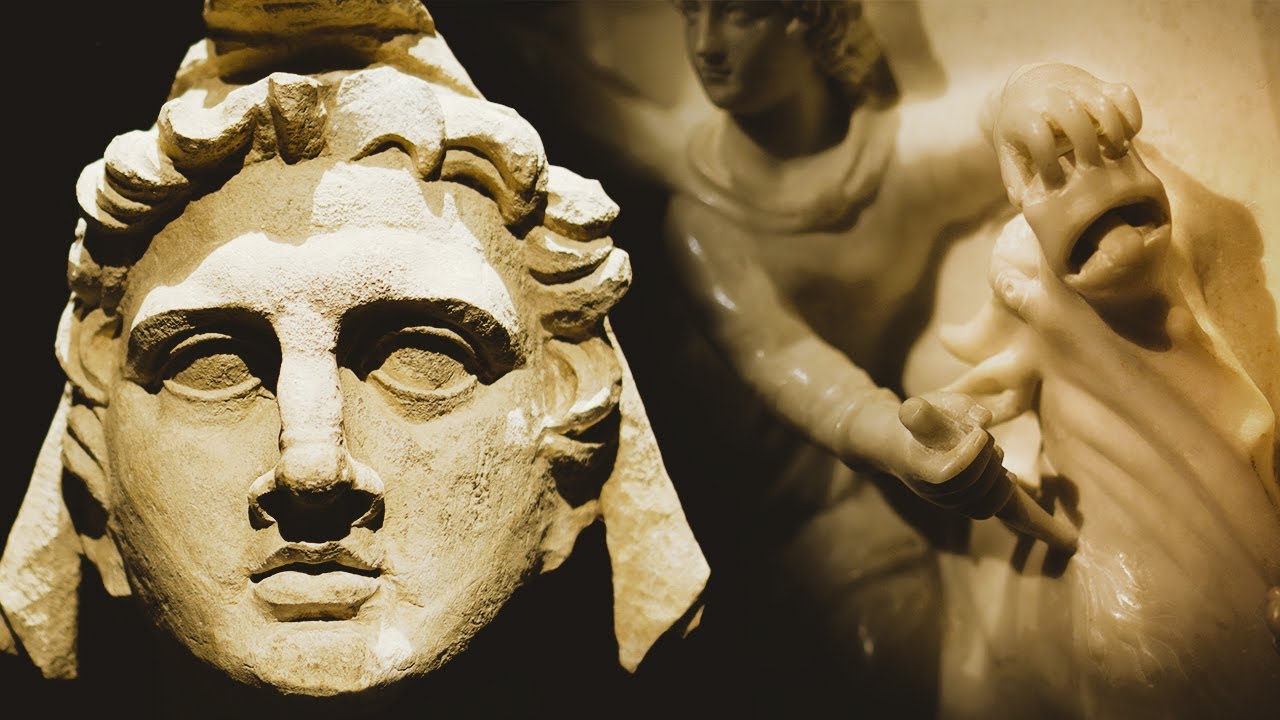
Nouveau video de Mysteria dédié au culte de Mithra à partir de l'exposition Le mystère de Mithra au Musée Saint Raymond.

The cenders of Chyndonax were found on an urn with an inscription that reads High Priest of Mithras.

Pater who offered several monuments, including a temple, in Augusta Treverorum.

Offered the famous Tauroctony of Osterburken to the unconquerable sun god Mithras.

Valerius was a discharged veteran was a worshipper of the Undefeated Mithras in Künzing.

Dedicated multiple monuments to Mithras, Fortuna Primigenia and Diana in Etruria.

Murius Victor was an aedile of Civitas Taunensium who, in fulfilment of a vow, built an altar to Mithras.

Pater Patrum of Ostia, he officiated at the Mitreo Aldobrandini where he is mentioned in a couple of inscriptions.
The Cilician pirates incorporated significant divine feminine elements, notably Anahita, into their Mithraic practices, profoundly influencing the initiation rites within the Roman Empire.
