Your search Csaba Szabó gave 24 results.

Exploring religion, rituals, archaeological insights, and historical impact of the Cult of Mithras in the Danubian provinces.

Exploring religion, rituals, archaeological insights, and historical impact of the Cult of Mithras in the Danubian provinces.
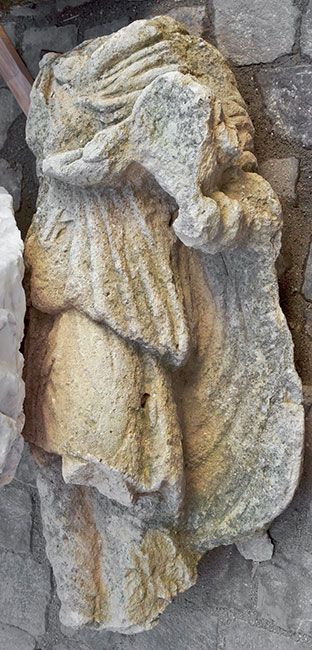
This weathered limestone statue from the Mithraeum of Apulum depicts a standing figure in Oriental attire holding the head of a bull or ram.

Why did the Romans worship a Persian god? This book presents a new reading of the Mithraic iconography taking into account that the cult had a prophecy.

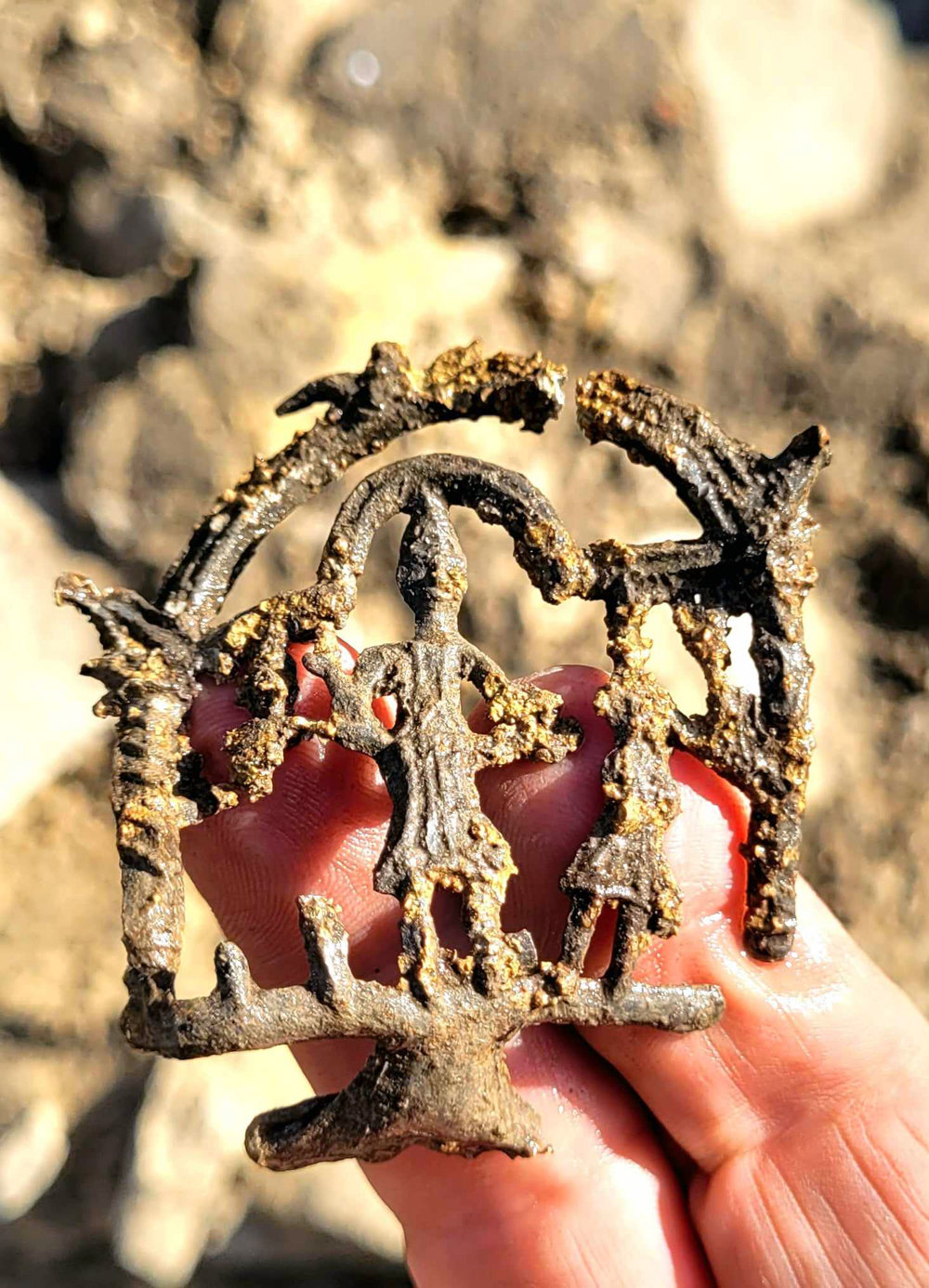
A sixth temple dedicated to Mithras has been identified for the first time in the military sector of the ancient Roman city of Aquincum.
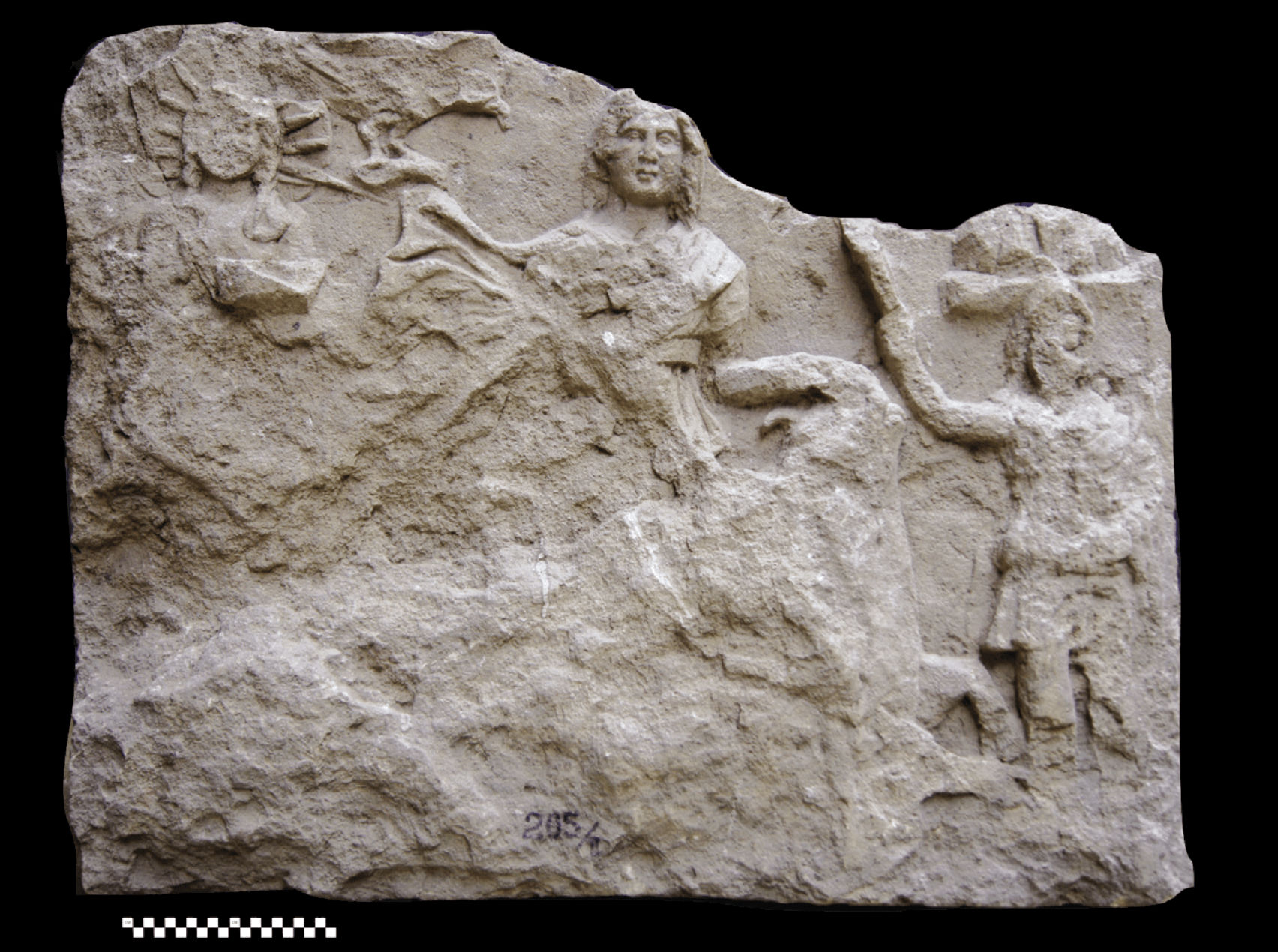
The relief of Mithra slaying the bull from Apulum, Romania, has been missing until the scholar Csaba Szabó identified it in the diposit of the Arad Museum.
The Digital Atlas of Roman Sanctuaries in the Danubian Provinces (DAS) is the first comprehensive and open access representation of sacralised spaces in the area.

The article examines two recently discovered Mithraic representations of Cautes from Alba Iulia, focusing on a rare iconographic type showing the torchbearer with a bucranium.

Born in the mists of history, Mithras, the deity of light, known for at least 3,500 years and still revered today, has appeared in different ages, religions and forms. This volume explores the sources of the god's history, with a focus on the Roman myths of Mithras…

This catalogue proposes, thanks to the contributions of some 75 international experts, a new synthesis for a complex and fascinating cult that reflects the remarkable advances in our knowledge in recent decades.


This remarkable Greek marble relief of Mithras killing the bull was discovered in 1705 and remained in private collections until it was bought by the Louvre.

Donor of the monumental tauroctony that served as the central cult image of Mithraeum IV in Aquincum.

Freedman, he offered a relief of Mithras as a bull killer for the well-being of his two former masters in Apulum.

The tauroctonic relief from Dragus includes a naked flying figure that Vermaseren has identified as Phosporus or Lucifer.

Clarissimus knight and legate born in Poetovio that helped to disseminate the cult of Mithras in the African provinces.
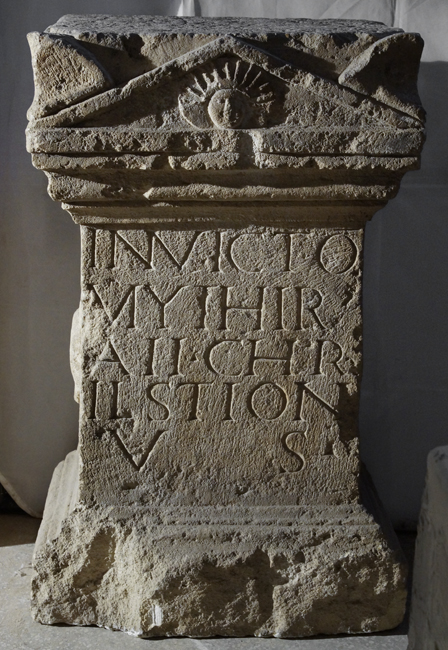
In 1852, Károly Pap, a naval captain, unearthed several Mithraic monuments in his garden at Marospartos, including this altar.

