Your search Ernest Will gave 217 results.
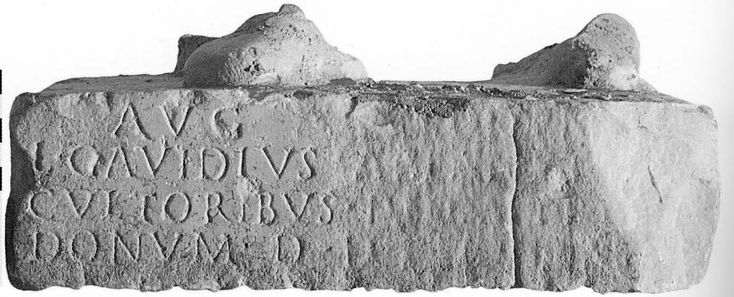
This inscription on white marble by Lucius Gavidius uses the term ther cultores to refer to his Mithraic community in Stabiae, Italy.
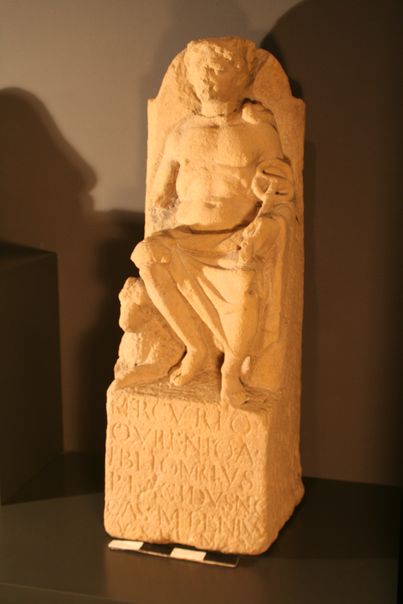
The statue was dedicated to Mercury Quillenius, an epithet used to refer to a Celtic god or the Greek Kulúvios.
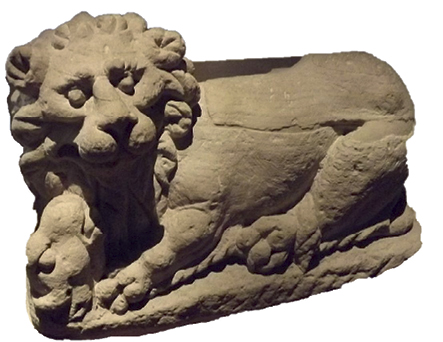
Exceptional sculpture of a lion devouring a bull’s head founded in 1894 in Carnuntum, Pannonia.
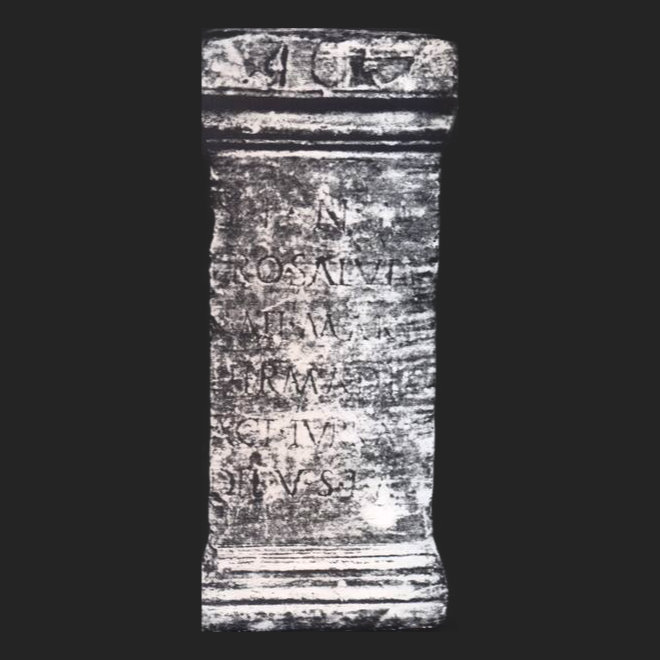
This altar was erected by Hermadio, who also signed other monuments in Dacia and even in Rome.
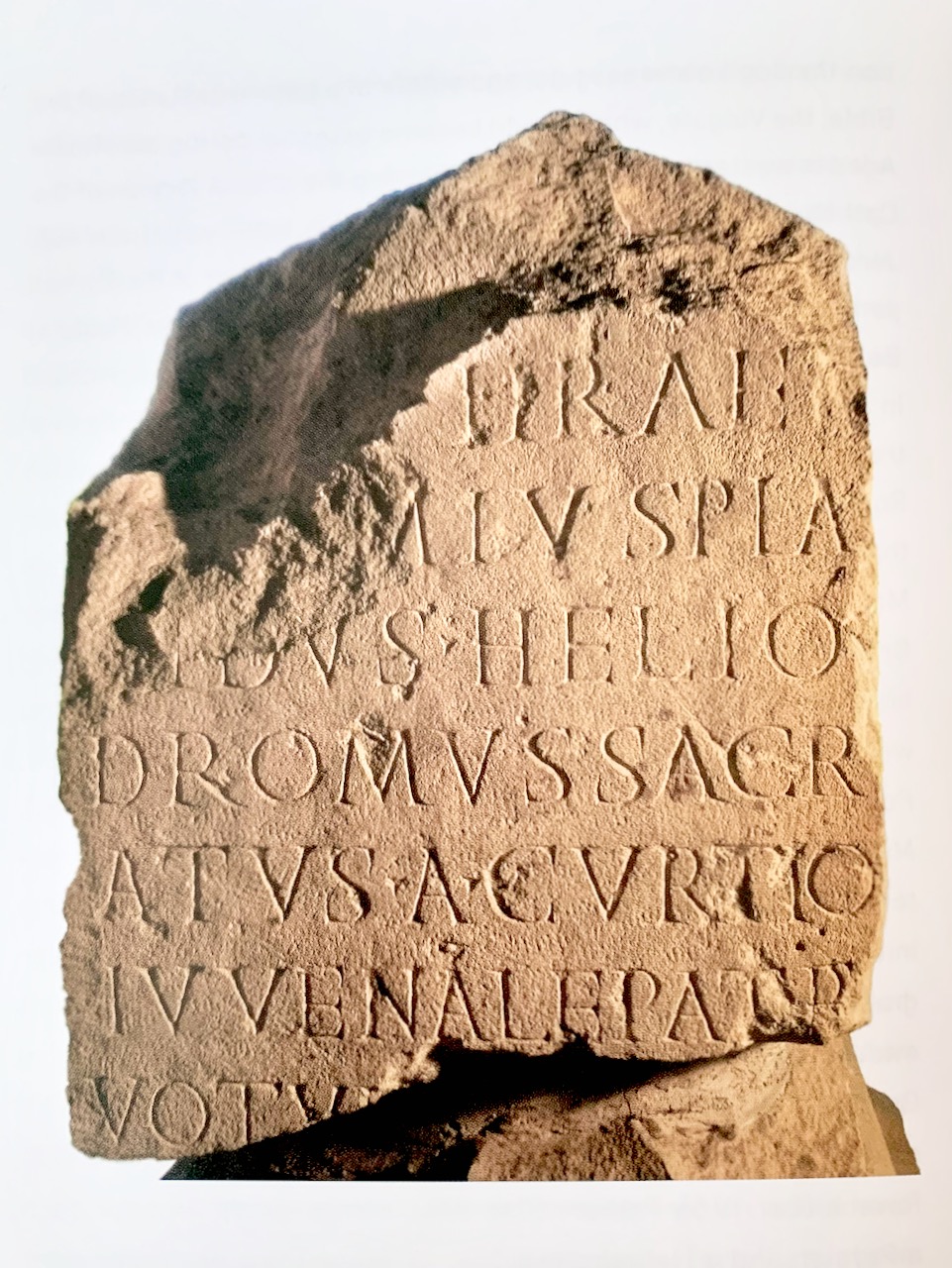
This inscription by a certain Memmius Placidus is the first ever found signed by a Heliodromus.
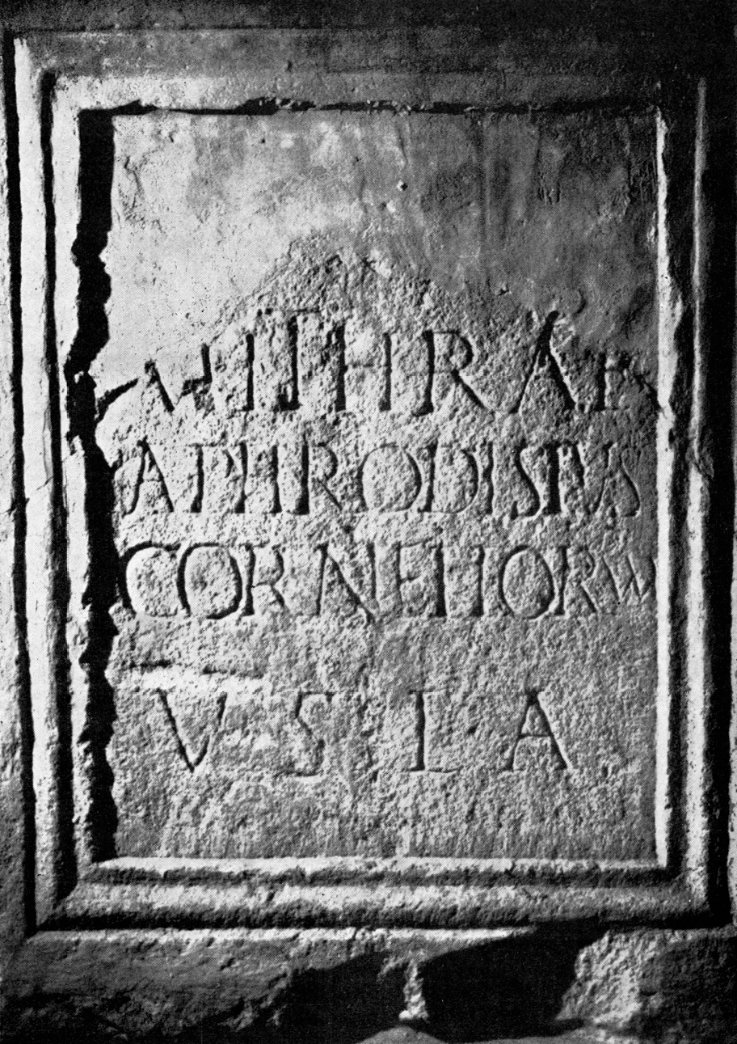
This inscription by a certain Aphrodisius was found under the old city hall of Algiers.

This is one of the at least three inscriptions of Dioscorus, servant of Marcus to Mithras Invictus found in Alba Iulia, Romania.

This altar to Invictus Mythra (sic) was found in 1867 in ancient Maros Portum, now Sighișoara, Romania.
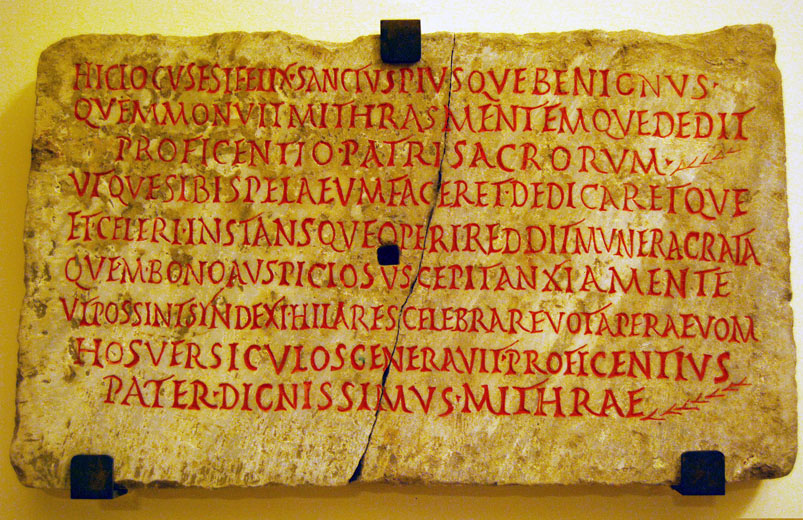
This marble slab bears an inception be the Pater Proficentius to whom Mithras has suggested to build and devote a temple.
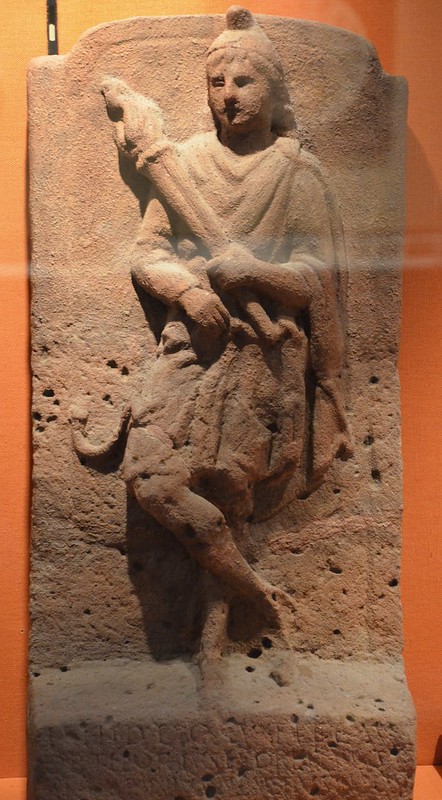
Reliefs of Cautes and Cautopates dedicated by Florius Florentius of Saalburg and Ancarinius Severus.

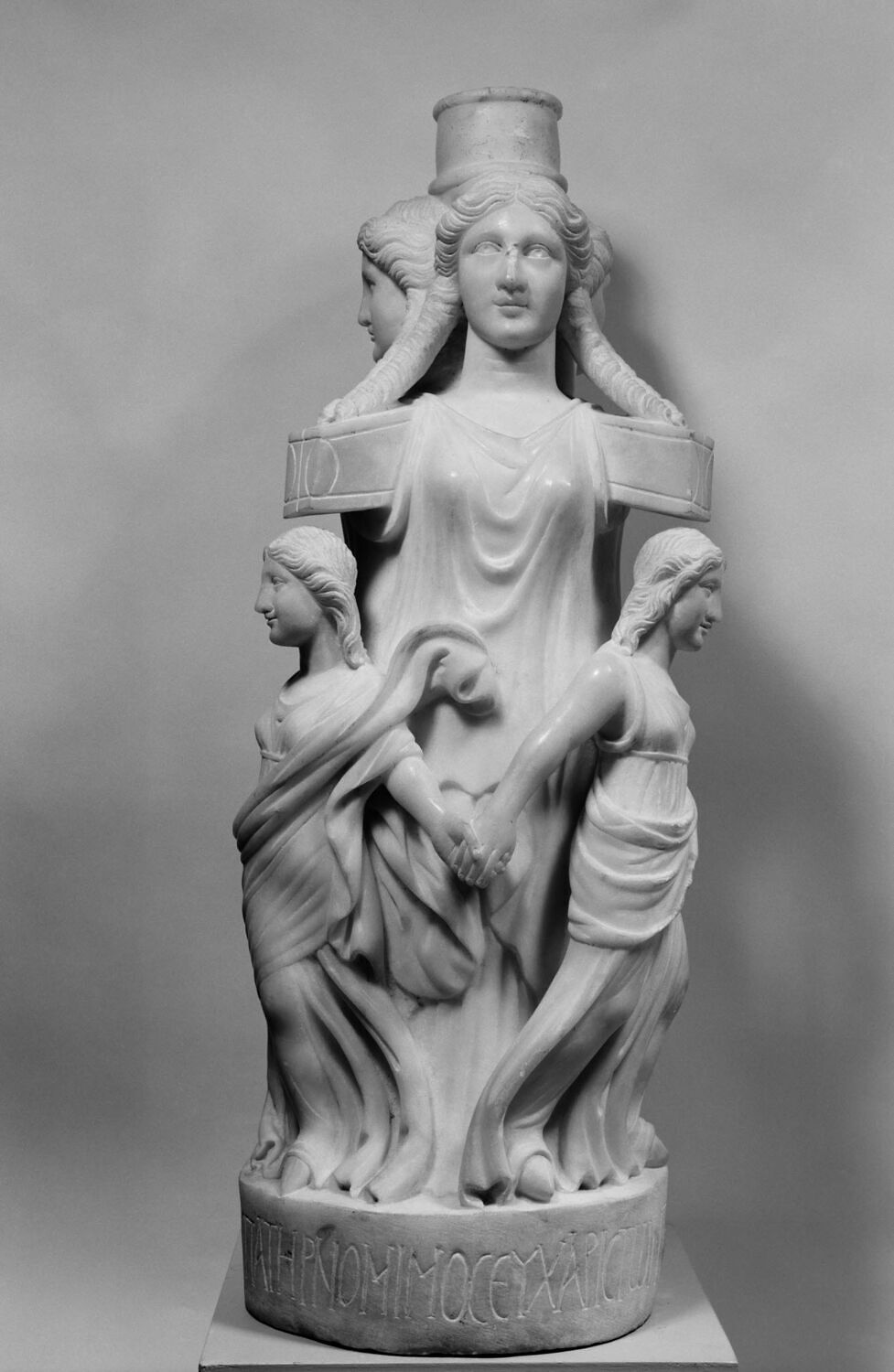
The Hekataion of Sidon, which depicts Hekate in her trimorphic form surrounded by three dancing girls, is the only example found to date in connection with the Mithraic cult.
Lenni George on Hekate’s development across ancient traditions, from mystery cults to magical practice and philosophical thought.
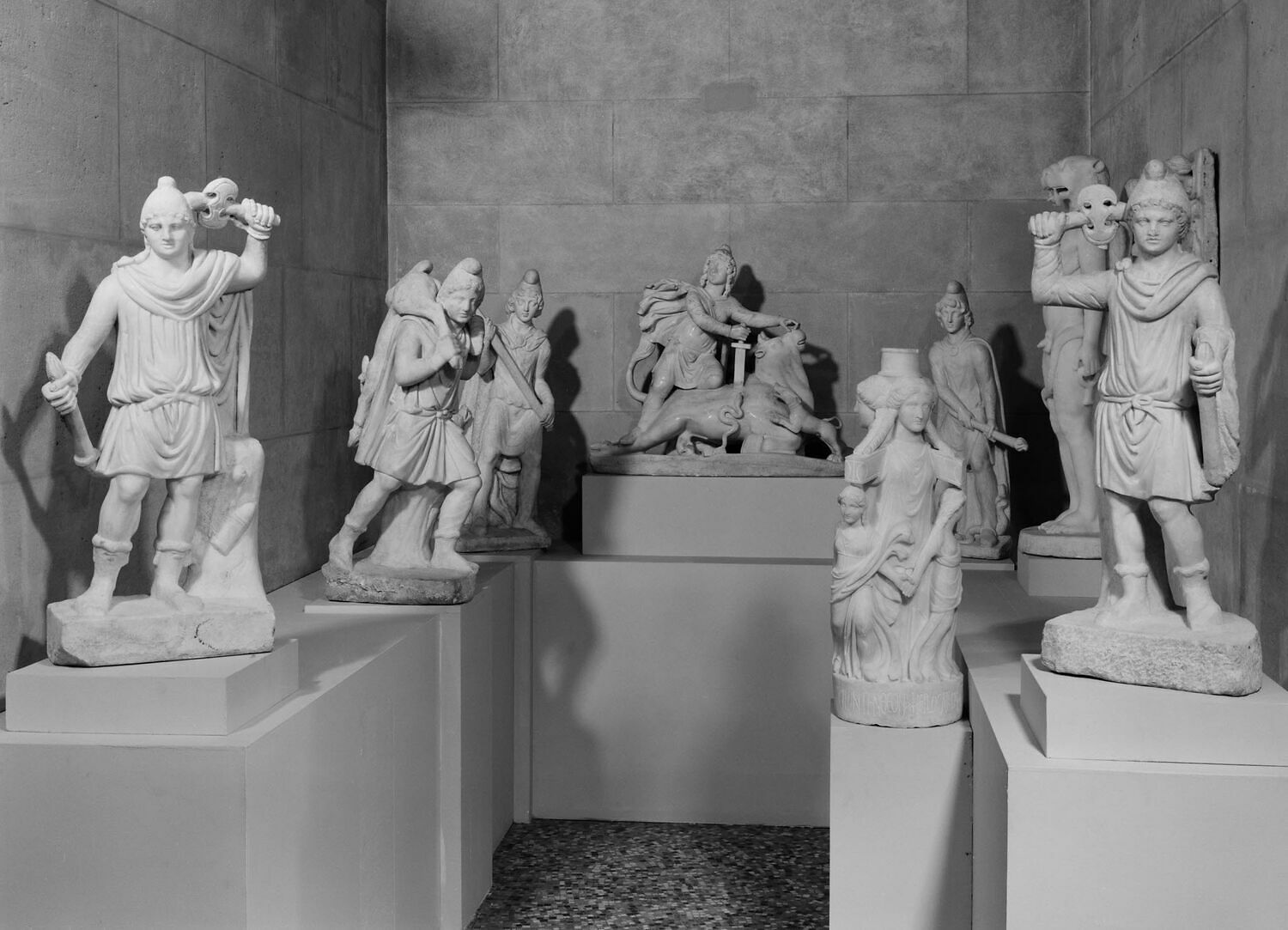
The Mithraeum of Sidon may have escaped destruction because the Mithras worshippers walled up the entrance to the underground sanctuary.

IT freaky guy protected by Cautes and Cautopates (both at once), made in Barcelona, willing to engage with other guys or gals into the same trips.
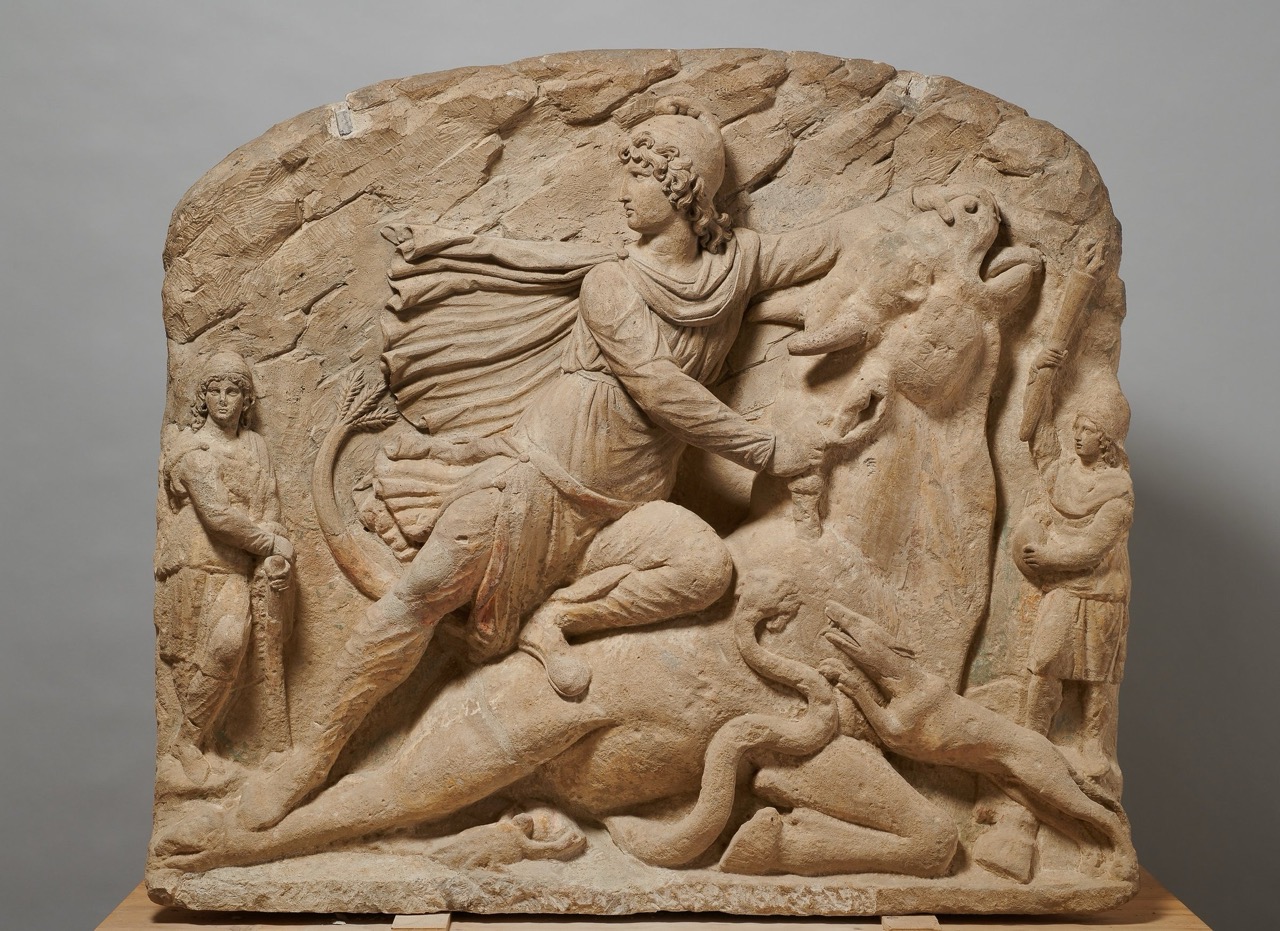
Limestone tauroctony relief from Carnuntum with traces of polychromy and a graffito on the bull’s neck. The inscribed base was carved separately.
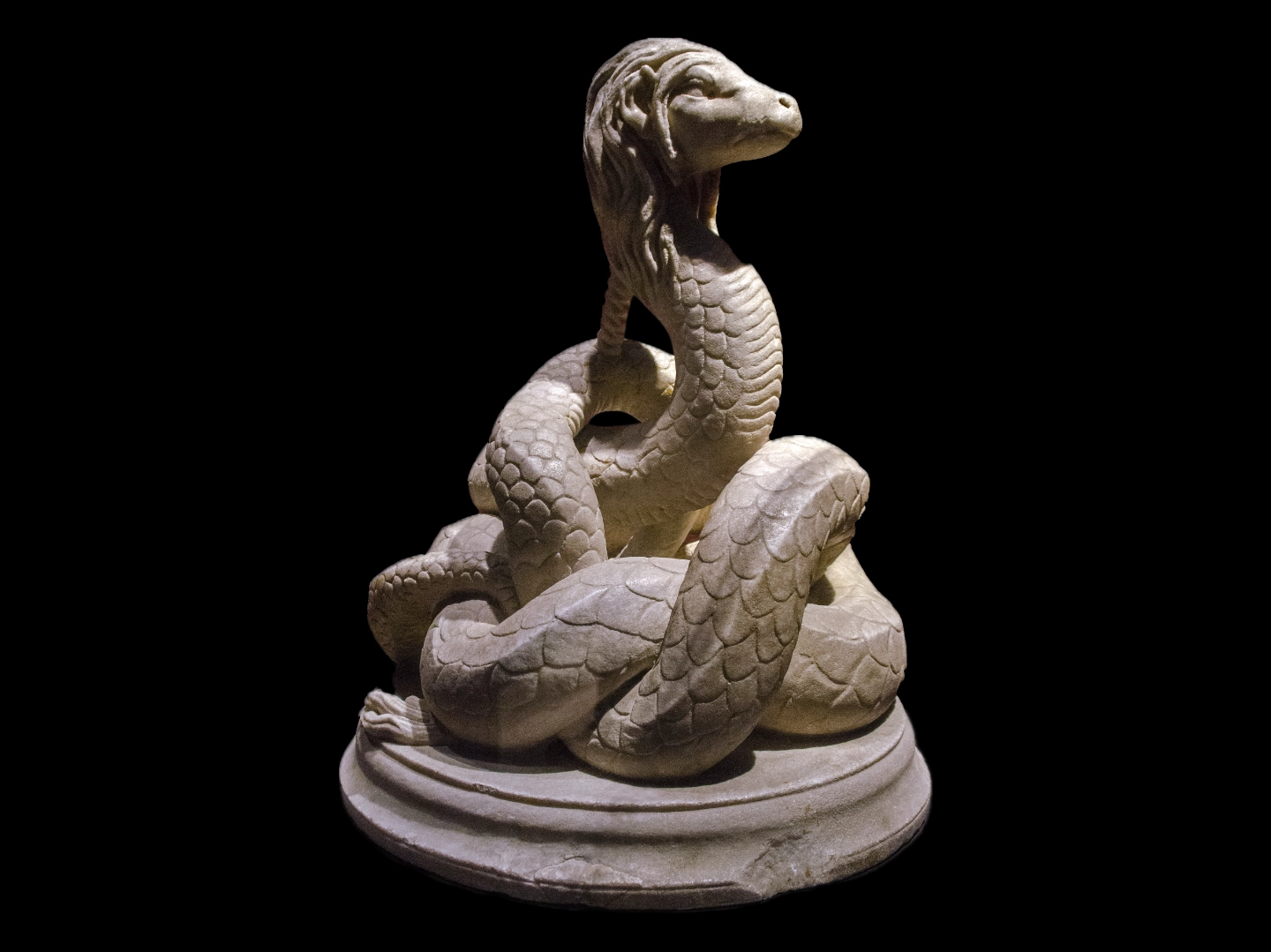
At Rome’s twilight, amid political upheaval and Christian ascendancy, Vettius Agorius Praetextatus embodied pagan intellect, virtue, and authority across senatorial, military, and mystical spheres.
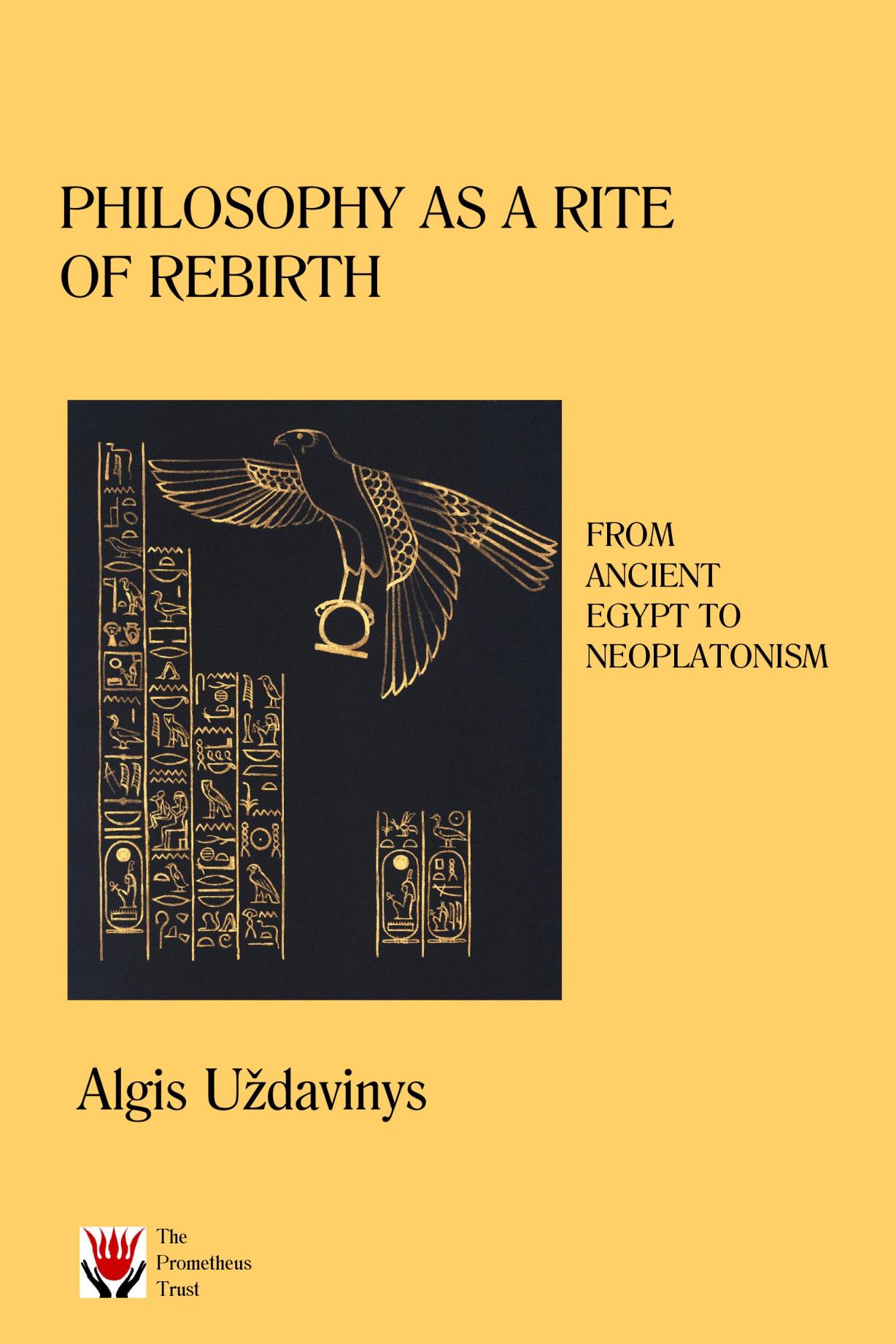
Algis Uždavinys presents philosophy as a sacred practice of inner rebirth, rooted in ancient Egyptian and traditional wisdom rather than a purely rational discipline.
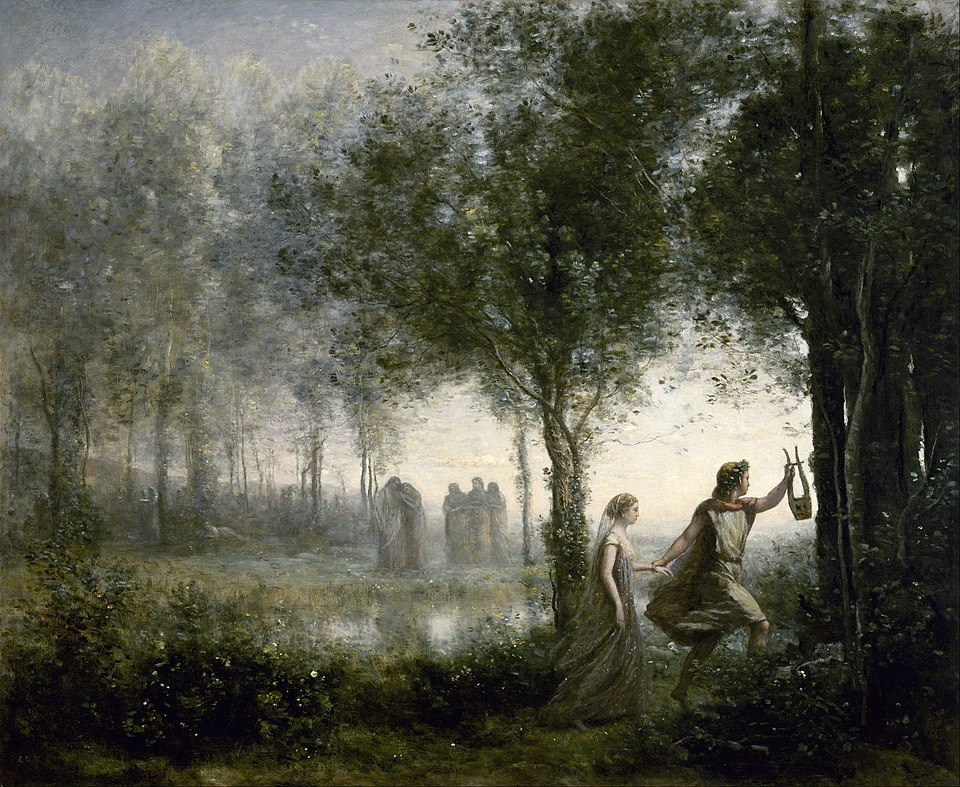
By reading Orphic theology together with Eleusinian ritual practice, the mysteries emerge as a structured mystagogy of transformation: a disciplined passage from forgetfulness (Lethe) to knowledge (aletheia), from mortality to participation in the divine.
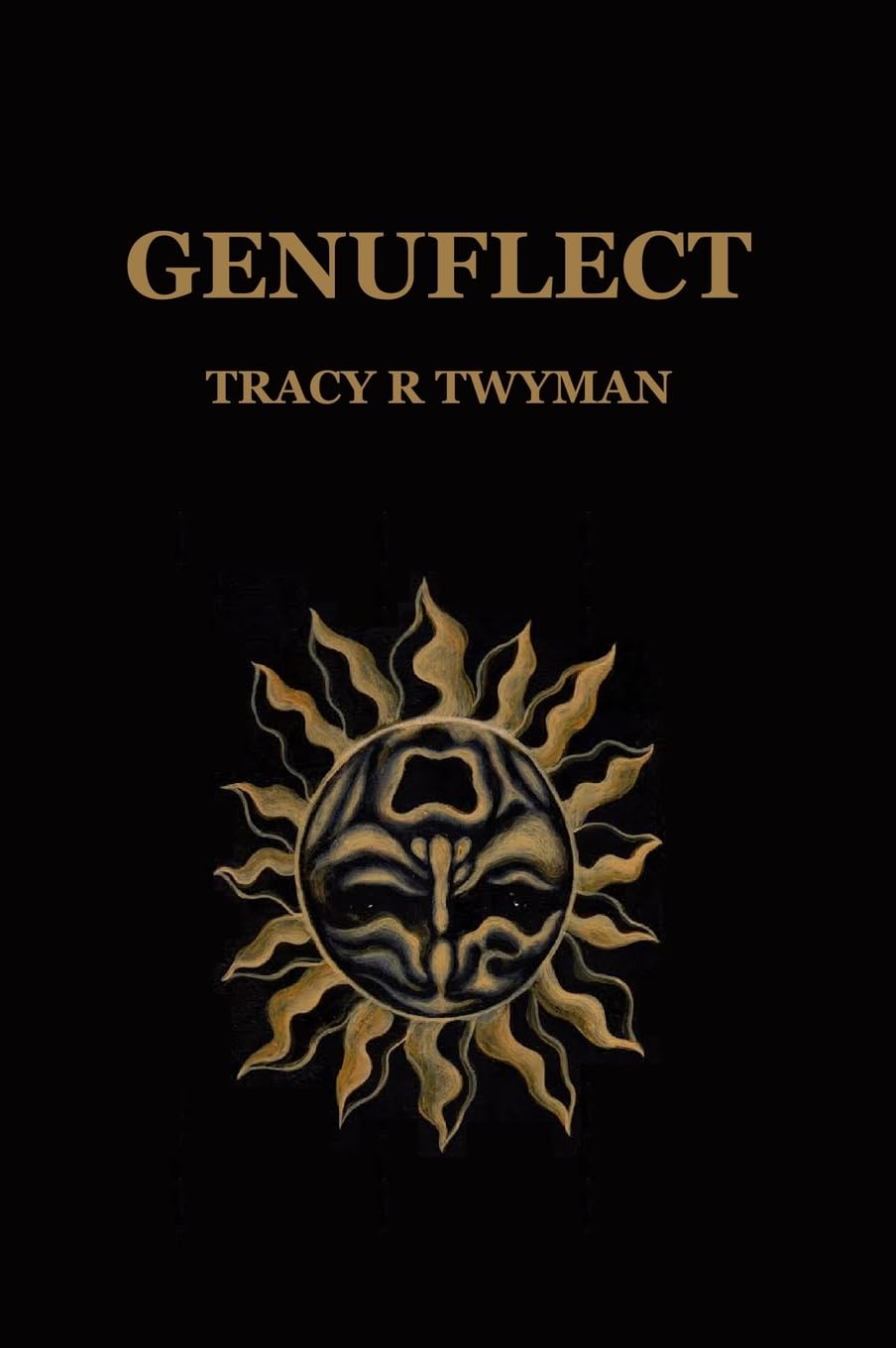
A dark occult novel intertwining Templar mythology, ritual magic, and modern conspiracy, with Mithraic and gnostic motifs woven into its esoteric narrative. It explores the persistence of hidden initiatory currents in the contemporary world.
