Your search Ernesto Milá gave 22 results.

A selection of texts gathered by Ernesto Milá that reinterprets Mithraism as an initiatory, solar, and heroic cult. It includes the so-called Great Magical Papyrus of Paris, translated and commented by Julius Evola and the Ur Group.
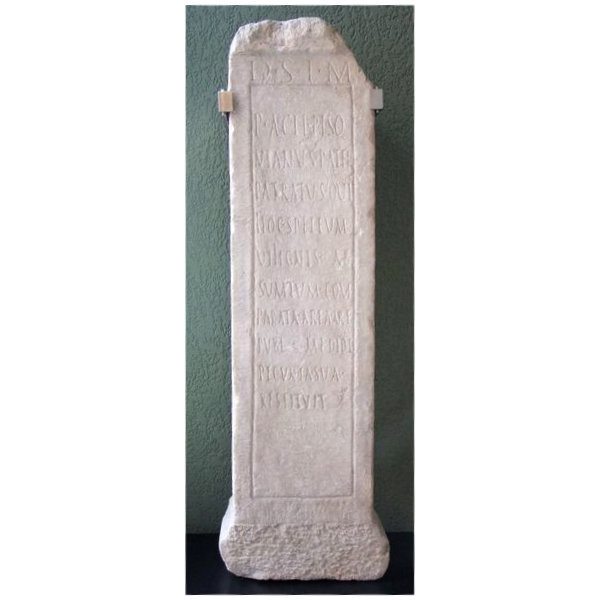
This high stele by a certain Acilius Pisonianus bears an inscription commemorating the restoration of a Mithraeum in Mediolanum, today's Milan.

Altar of Varia Severa from Mediolanum, modern Milan, one of the few women associated with a possible Mithraic dedication.

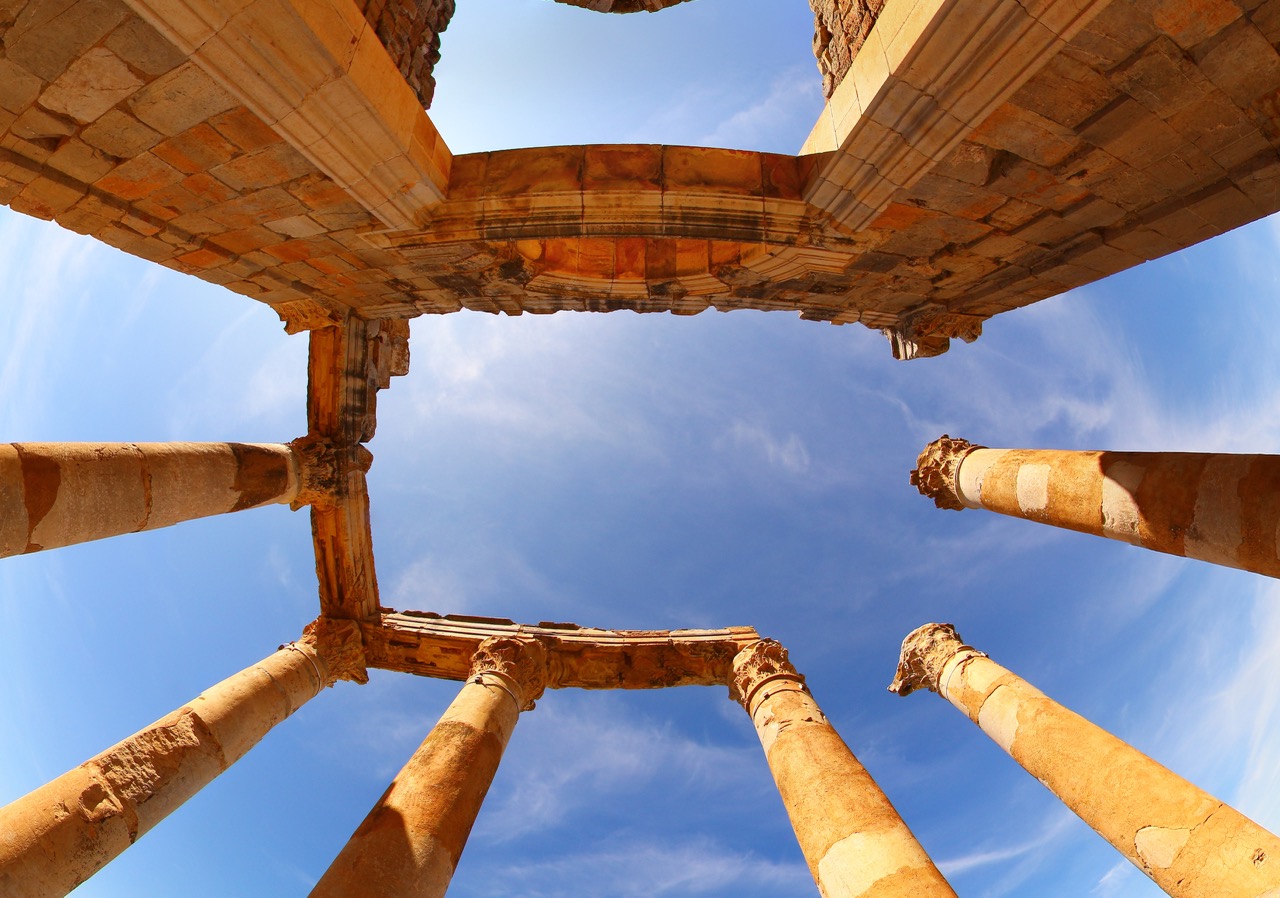
Roman colonial city of Numidia, later known as Djémila, renowned for its exceptionally well-preserved late antique urban remains.
An inscription from the vicus Vicciomitum in Milan (ancient Mediolanum), recording a votive dedication to the Invincible Mithras by L. Atilius Pupinius on a site granted by decree of the town council.
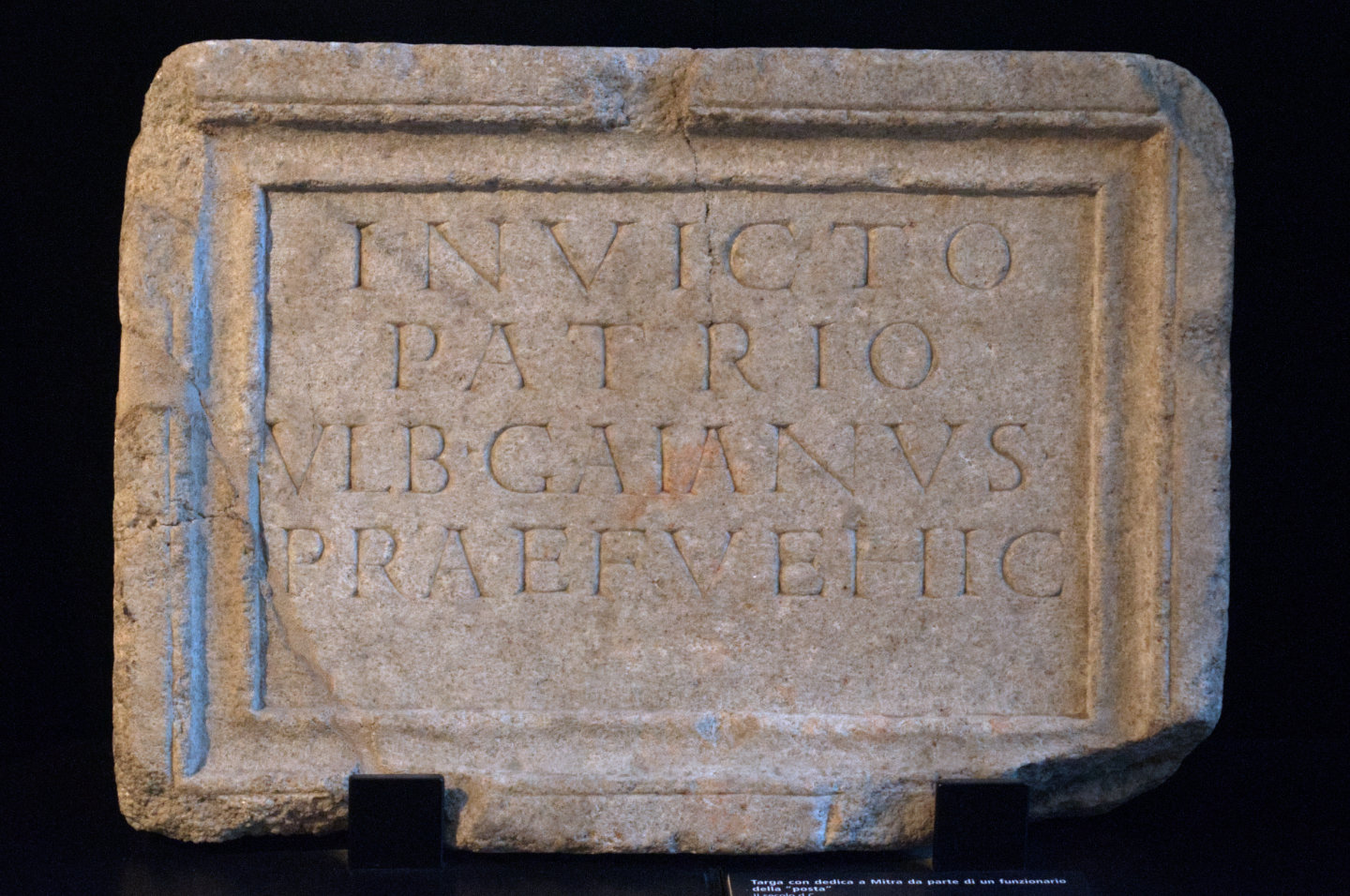
This monument dedicated to 'Invicto Patrio' was found in Milan in 1869.
The inscription on the votive altar No. 756 from Pola (modern Pula), reading Soli above the head of Sol and Milace / Atticus under the head, recording the dedication by a person named Atticus.

Mediolanum, the ancient city where Milan now stands, was originally an Insubrian city, but afterwards became an important Roman city in northern Italy.
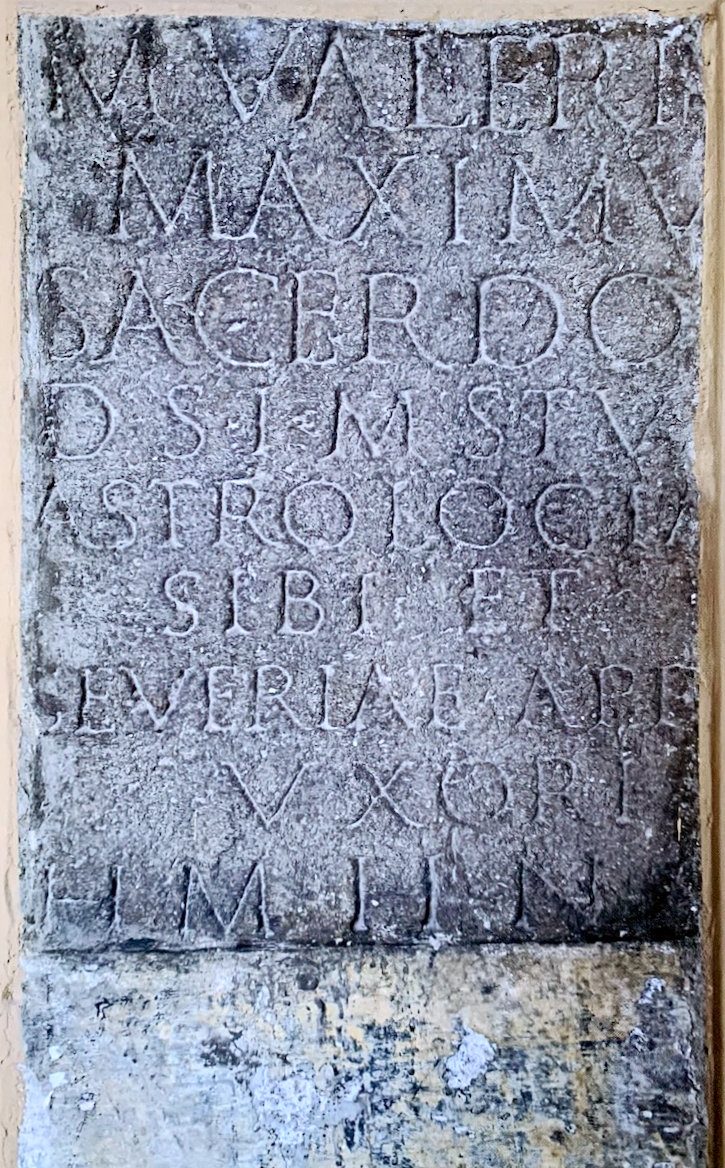
Marcus Valerius Maximus records in this inscription his knowledge of astrology as well as the name of his wife.
A small figure of Aion, said to have been found in the Auvergne region of Lugdunensis, resembling a similar piece in the Museum of Constantine, though no further details are known.
Terracotta relief showing Victoria slaying a bull from the S. Prisca Mithraeum; a similar relief was found in 1953 and probably does not belong to the original Mithraic inventory.
Similar red painted vase from Mithraeum II at Stockstadt, preserving only the serpent's body and tail
Limestone relief of Silvanus found south of the Krempelmühle near Mithraeum III at Aquincum, Pannonia Inferior, in 1895; mentioned because similar representations of Silvanus are attested at other Mithraic sites.
Bergamo is a city in the alpine Lombardy region of northern Italy, approximately 40 km northeast of Milan, and about 30 km from Switzerland, the alpine lakes Como and Iseo and 70 km from Garda and Maggiore.
Novara aːra] is the capital city of the province of Novara in the Piedmont region in northwest Italy, to the west of Milan.
This inscription shows that Publilius Ceionius, most distinguished man, dedicated a temple to Mithras at Mila, in the modern Constantina, Algeria.

Pater patratus, he financed the restoration of a Mithraeum in Milan.
