Your search Han Potoci gave 881 results.
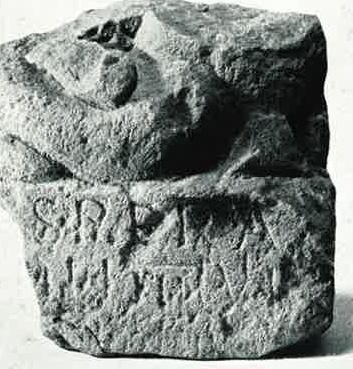
Fragment of a sandstone statue found during cellar excavations at Gross-Krotzenburg in 1848, possibly belonging to the Mithraeum

Terracotta vase fragment from Gross-Krotzenburg bearing a graffito reading furit, found in association with the Mithraeum
Red sandstone altar from the Mithraeum at Gross-Krotzenburg, with decorated cornice, found at 1.30 metres from the cult relief
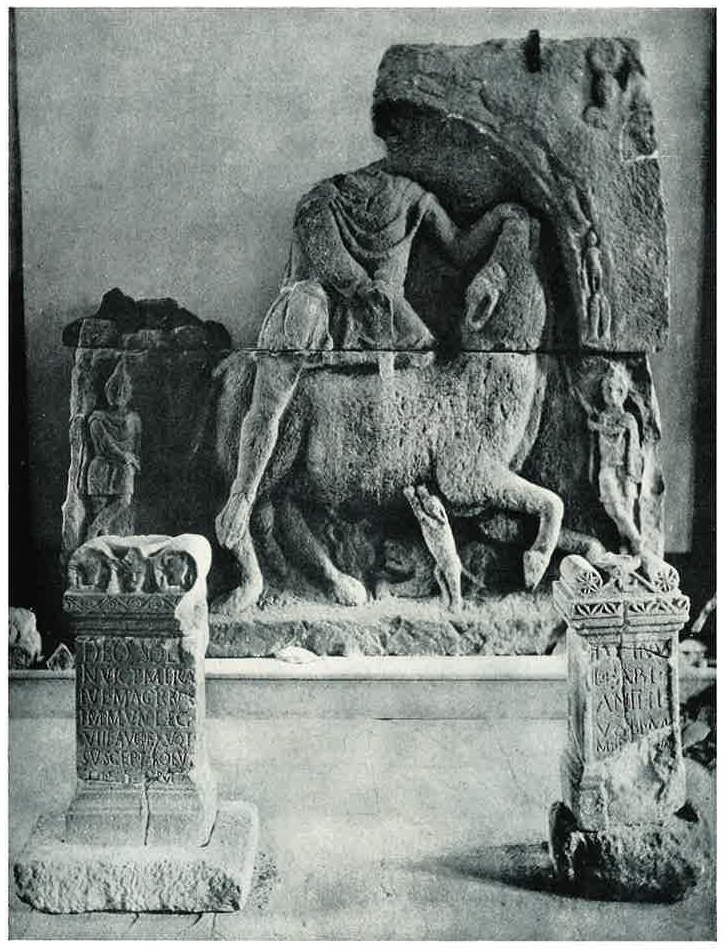
Large two-fragment sandstone tauroctony relief from the Mithraeum at Gross-Krotzenburg, one of the most significant Mithraic monuments in the region
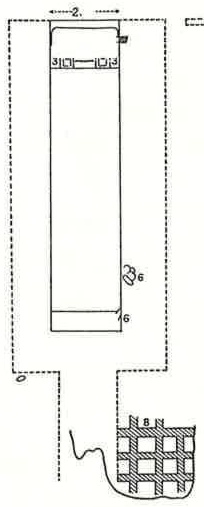
Mithraic sanctuary discovered behind the west part of a Roman cemetery near the camp at Gross-Krotzenburg in 1881, finds destroyed in World War II
Marble relief showing Mithras slaying the bull inside a vaulted cave accompanied by Sol, Luna and the torchbearers.

The tauroctonic relief from Dragus includes a naked flying figure that Vermaseren has identified as Phosporus or Lucifer.
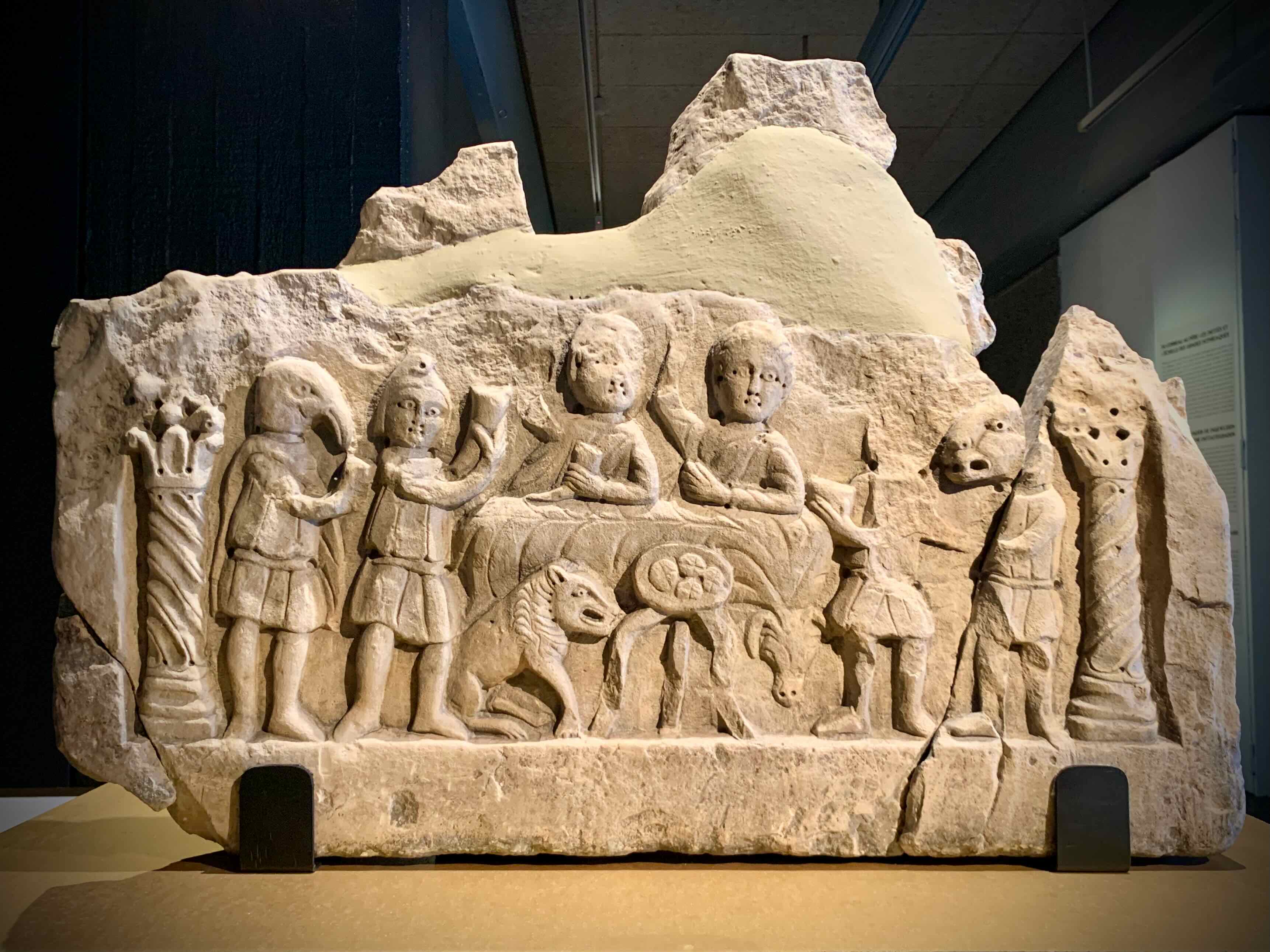
The mithraic relief of Konjic shows a Tauroctony in one side and a ritual meal in the other.
Two surviving wall paintings from the side-benches of the Mithraeum at Spoleto, out of an original six, depicting a cloaked bearded man identified as Saturn holding a sickle and a youth in a red shoulder-cape holding a money-bag, probably representing the seven planets…
A statue found along the Via Cassia about six kilometres from Rome, tentatively identified as an Aion entwined by a serpent but possibly representing Atargatis according to Vermaseren, now in the Museo Nazionale delle Terme.
A white marble relief fragment found with its companion piece near Nomento on the Via Nomentana, showing only the lower body of a cross-legged torchbearer in a short tunic, now in the storerooms of the Museo Nazionale in Rome.
A white marble tauroctony relief fragment found at the hill known as Carnale near Nomento on the Via Nomentana, about twenty kilometres from Rome, now in the storerooms of the Museo Nazionale in Rome, dated to the third century AD.
A white marble tauroctony statue found in 1925 at the ancient site of Lorium near the eleventh milestone on the Via Aurelia outside Rome, showing Mithras slaying the bull with dog, serpent and scorpion, accompanied by Cautes and Cautopates; now in the Palazzo Doria…
A stone statue probably found in Rome, depicting a naked Mithras emerging from the rock with his index finger raised to his lips and his right arm broken off, described by Cumont as an unfinished work never completed.
Marble base formerly in the Villa Negroni and then the Museo Borgia at Velletri, with bas-reliefs on three sides showing Sol in a quadriga, initiates in Oriental dress and other Mithraic scenes; the collection is now dispersed among museums in Naples and Rome…
Large marble altar found near S. Giovanni in Laterano, dedicated by Sextilius Agesilaus Aedesius, pater patrum of Sol Invictus Mithras, to the Great Mother and Attis following his taurobolium and criobolium, dated to 376 A.D.
White marble statue of a cross-legged torchbearer in Eastern attire from Rome with a broken upraised torch and head and feet lost, probably the companion piece of No. 504, now in the Museo Nazionale delle Terme.
White marble statuette of a cross-legged Cautes with an upraised torch and a cock at his feet, with traces of blue and red paint, found during regularisation works in the Tiber and now in the Museo Nazionale delle Terme.
Marble slab from the S. Prisca Mithraeum with a dedication to Sol Invictus Mithre thanking his divine will for repeatedly answering prayers and enjoining the fulfilment of vows.
Marble statue of Venus entirely naked in the act of leaving her bath, wringing her hair which streams over her shoulders, with a dolphin by her side, found in the small room of the Caracalla Mithraeum; the head is lost.
