Your search Hashem Razi gave 19 results.

The locality of Dražinovići is associated with archaeological remains from the central Balkan region.

The legend of two twins from the original, Abin Mitra Ahriman Izad in Abin Mitrai: Diq The Lion God on the Interpretation of the Mysteries and Preferences of the Originality of Algebra in the Zoroastrian Religion.

Stone altar with akroteria from Dražinovići, Moesia Superior, found in 1934 near the brook Savina Voda, dedicated to Invicto deo Mithrae for the welfare of Emperor Severus Alexander.
Mithraeum discovered towards the end of the 16th century in a vineyard of Horazio Muti opposite S. Vitale, between the Quirinal and Viminal hills, known from Vacca's report of a sealed room with many terracotta lamp-holders.
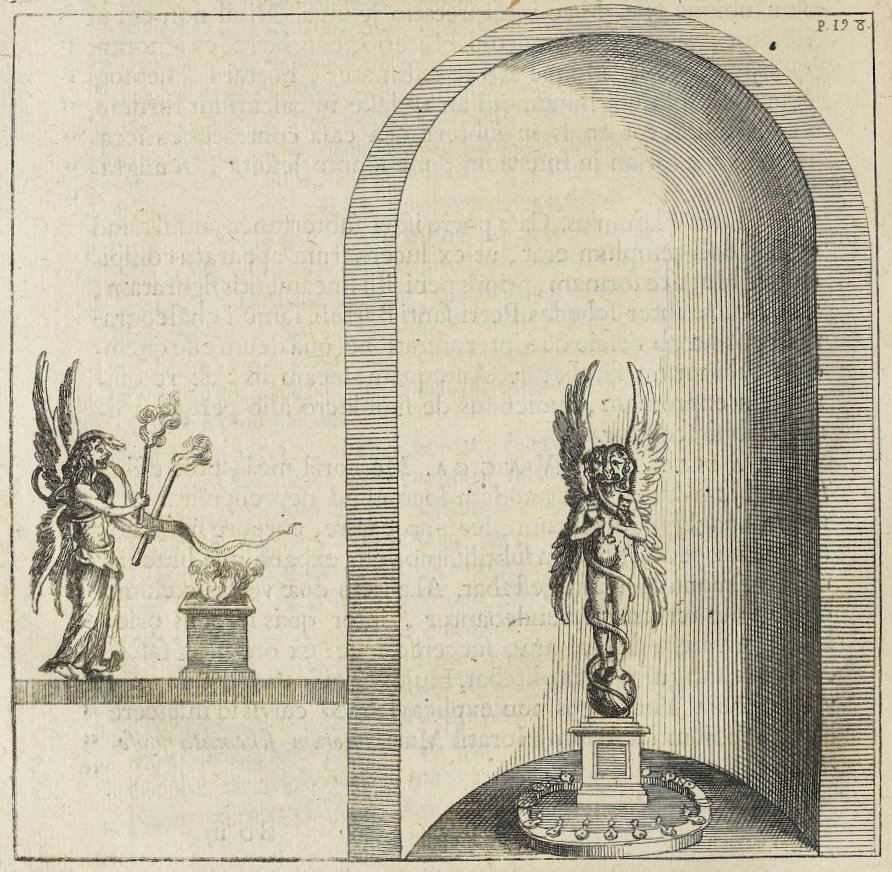
This monument has been identified from ’Memorie di varie antichità trovate in diversi luoghi della città di Roma’, a book by Flaminio Vacca of 1594.

This remarkable Greek marble relief of Mithras killing the bull was discovered in 1705 and remained in private collections until it was bought by the Louvre.
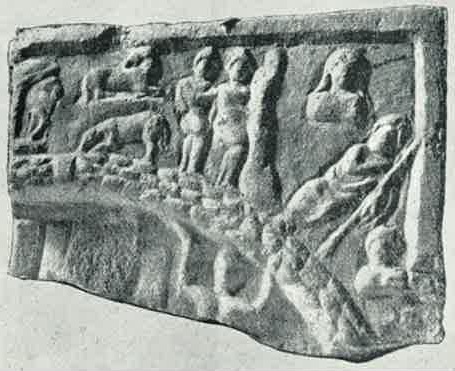
White marble statuette from Budapest, ancient Aquincum or vicinity, depicting a badly damaged Mithras killing the bull with dog and serpent; the god's head is lost.
Marble inscription discovered near the Via Cupa mentioning an offering to the invincible Mithras by Apollonius Tetes Syras of Marcianopolis.
A study of Roman Mithraism that combines historical evidence with a symbol-centred interpretive approach, exploring Mithraic iconography, ritual experience, and the cult’s encounter with Christianity in the Late Empire.
A study that re-examines Roman Mithraism through epigraphic evidence and comparative analysis, exploring its links with Orphism, Platonism, and Iranian traditions, and presenting the cult of Mithras as a solar path of individual spiritual awakening between East and West…

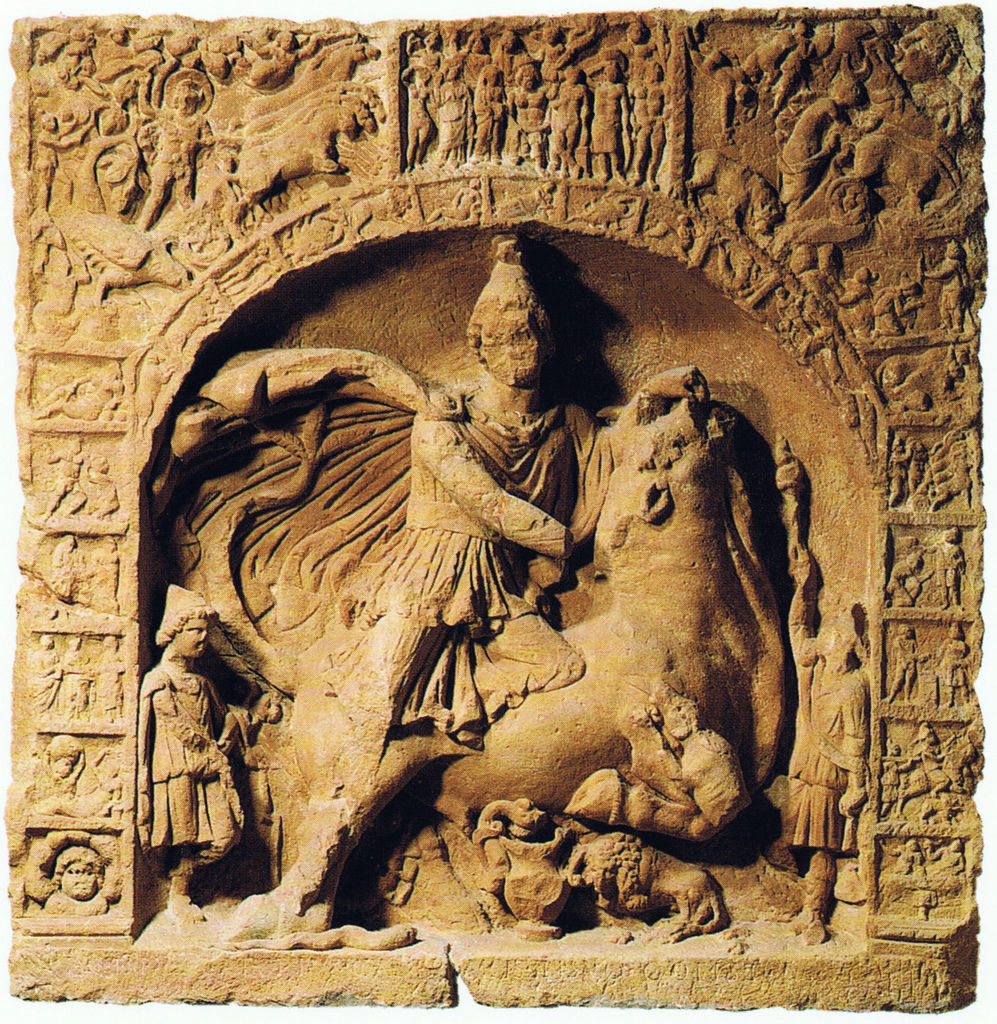
Franz Cumont considers the bas relief of Osterburken ’the most remarkable of all the monuments of the cult of Mithras found up to now’.

Tracing the links between the cult of Mithras and the Proud Boys’ quest for identity, power, and belonging. How ancient rituals and brotherhood ideals resurface in radical modern movements.
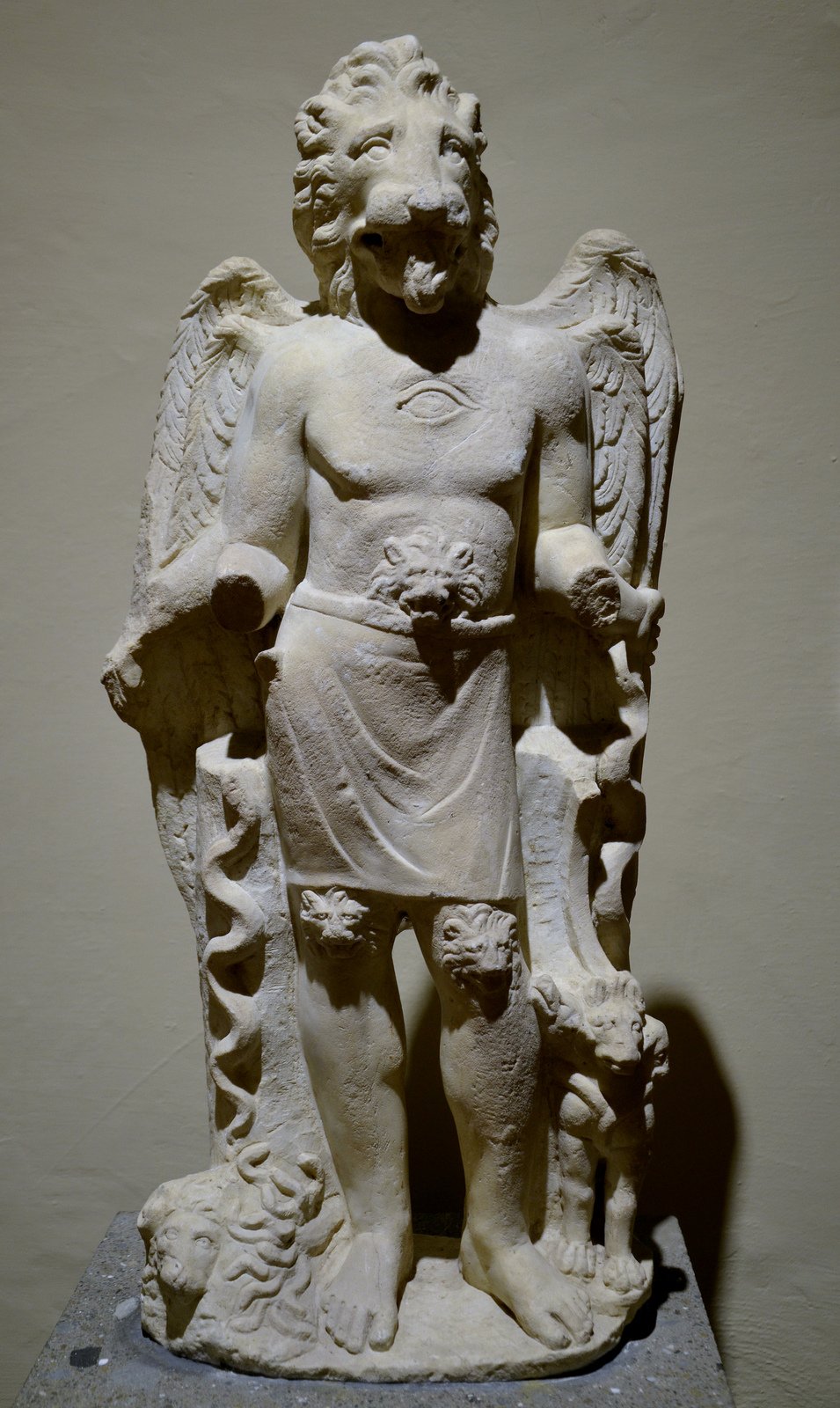
This lion-headed marble was found on the ruins of the Alban Villa of Domitianus.
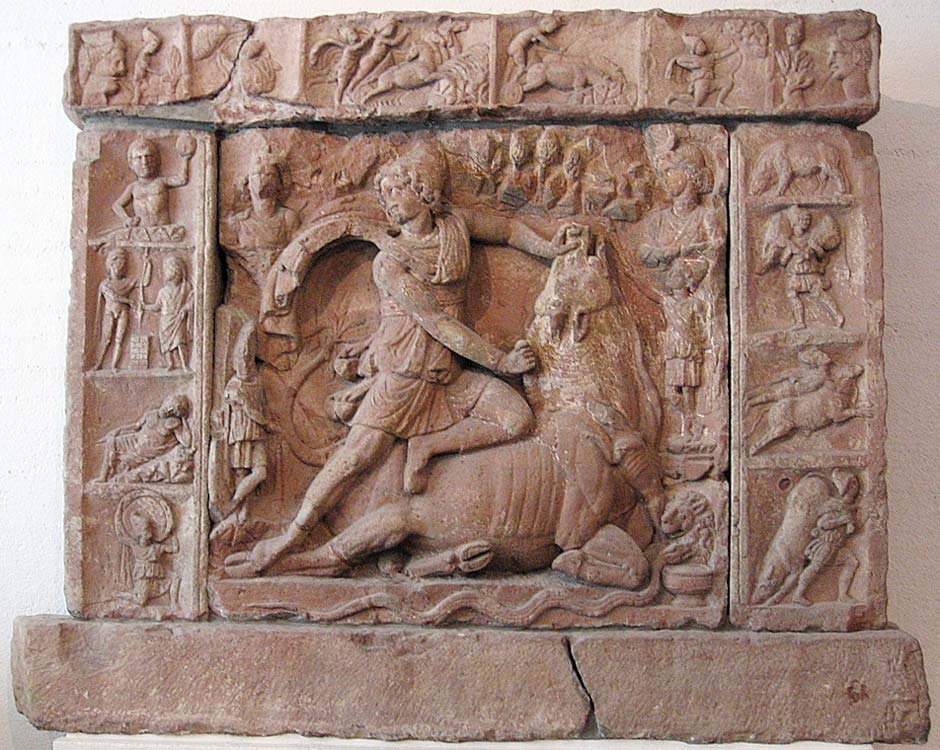
The Tauroctony relief of Neuenheim, Heidelberg, includes several scenes from the deeds of Mithras and other gods.
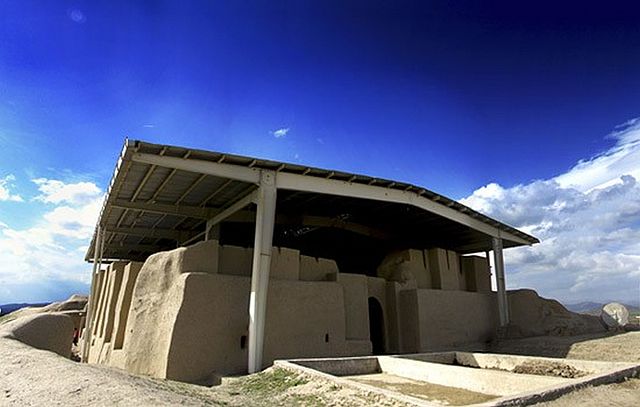
The Nushijan Mithraeum testifies to the worship of Mithra in the region since before the Zoroastrian reform.
This Mithraic temple, now disappeared, is known thanks to the numerous remains recorded since 1594 in the 'Memorie di varie antichità trovate in diversi luoghi della città di Roma'.

