Your search Ines Siemers-Klenner gave 221 results.
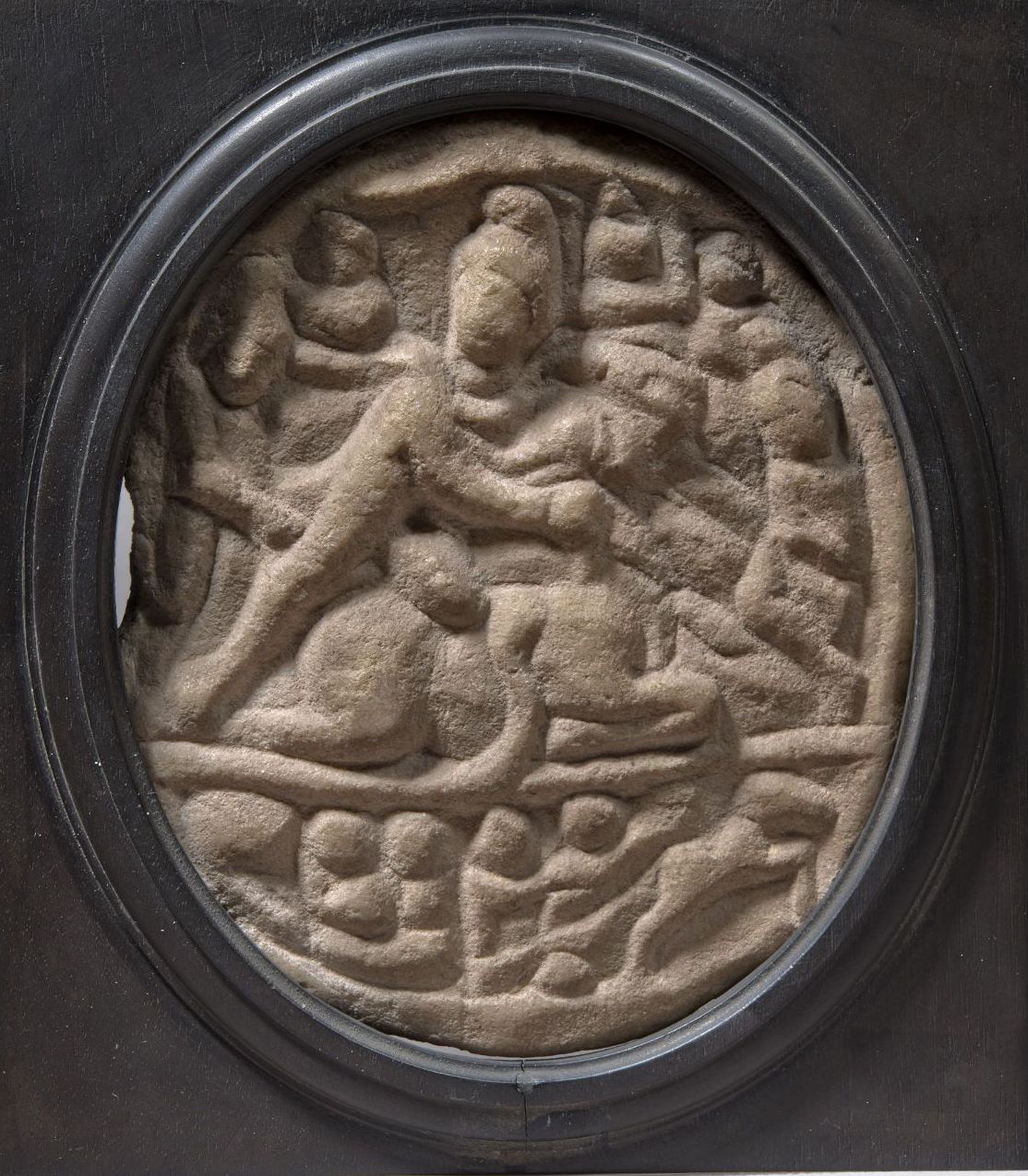
This medallion belongs to a specific category of rounded pieces found in other provinces of the Roman world.
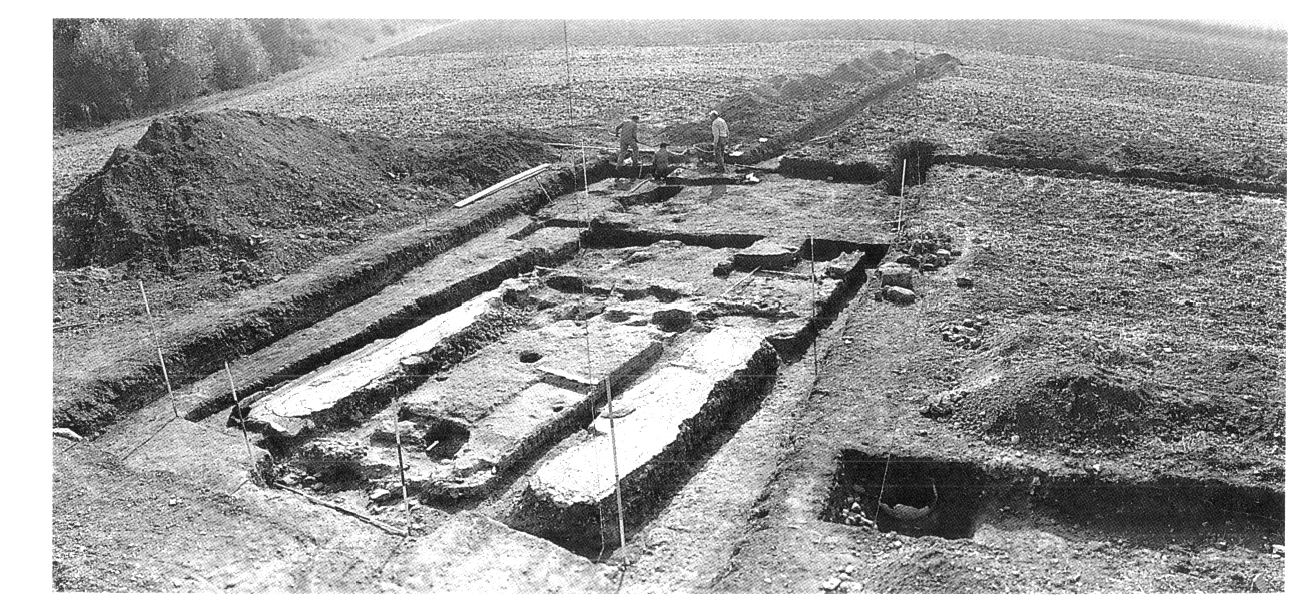
The Mithraeum of Biesheim-Kunheim is located near the ancient village of Altkirch, near the Rhin.

This temple of Mithras has been discovered under the Church in Vieux-en-Val-Romey, in 1869.
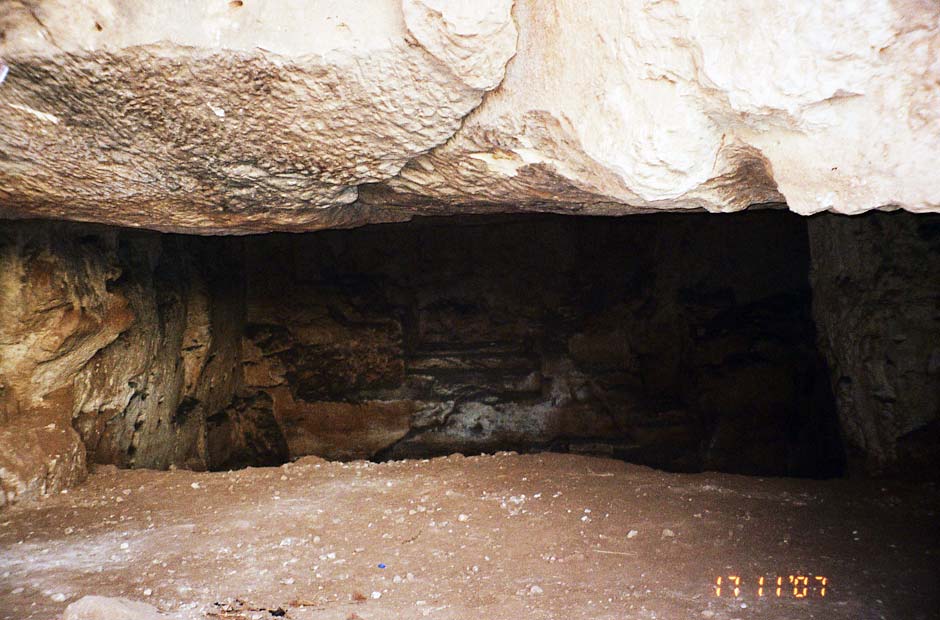
The Mithraea of Doliche, ancient Dülük, Turkey, are unique in that they represent two distinct shrines on the same site.
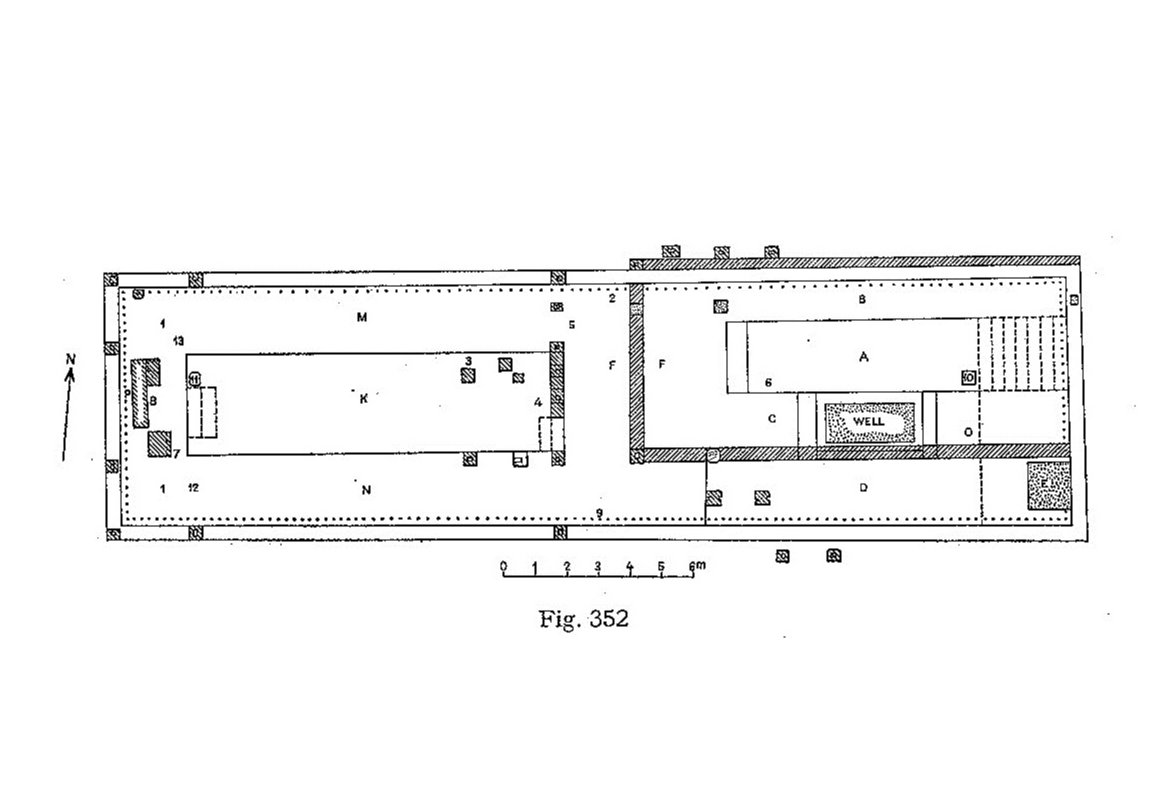
Lors de la construction de l’église Saint-Paul en 1911, un mithraeum a été mis au jour à Königshoffen, vicus gallo-romain situé aux abords du camp légionnaire de Strasbourg-Argentorate.
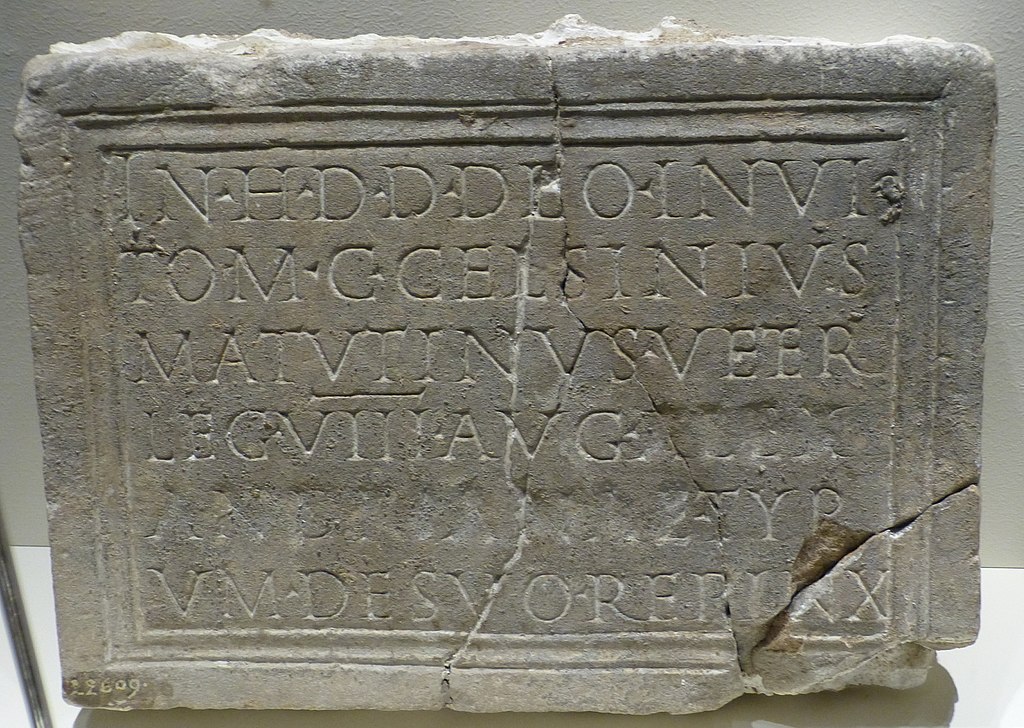
The inscription reports the restoration of the coloured painting of the main relief of the Mithraeum by a veteran of the Legio VIII Augusta.
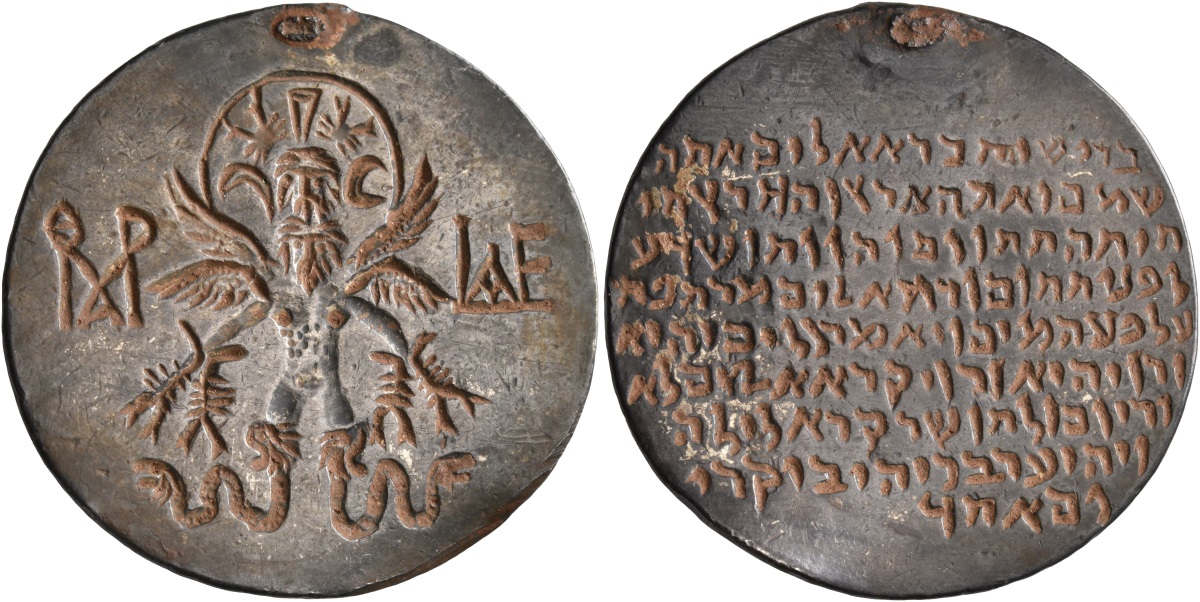
This silver amulet depicts Abraxas on one side and the first verses of the Book of Genesis in Hebrew on the other.
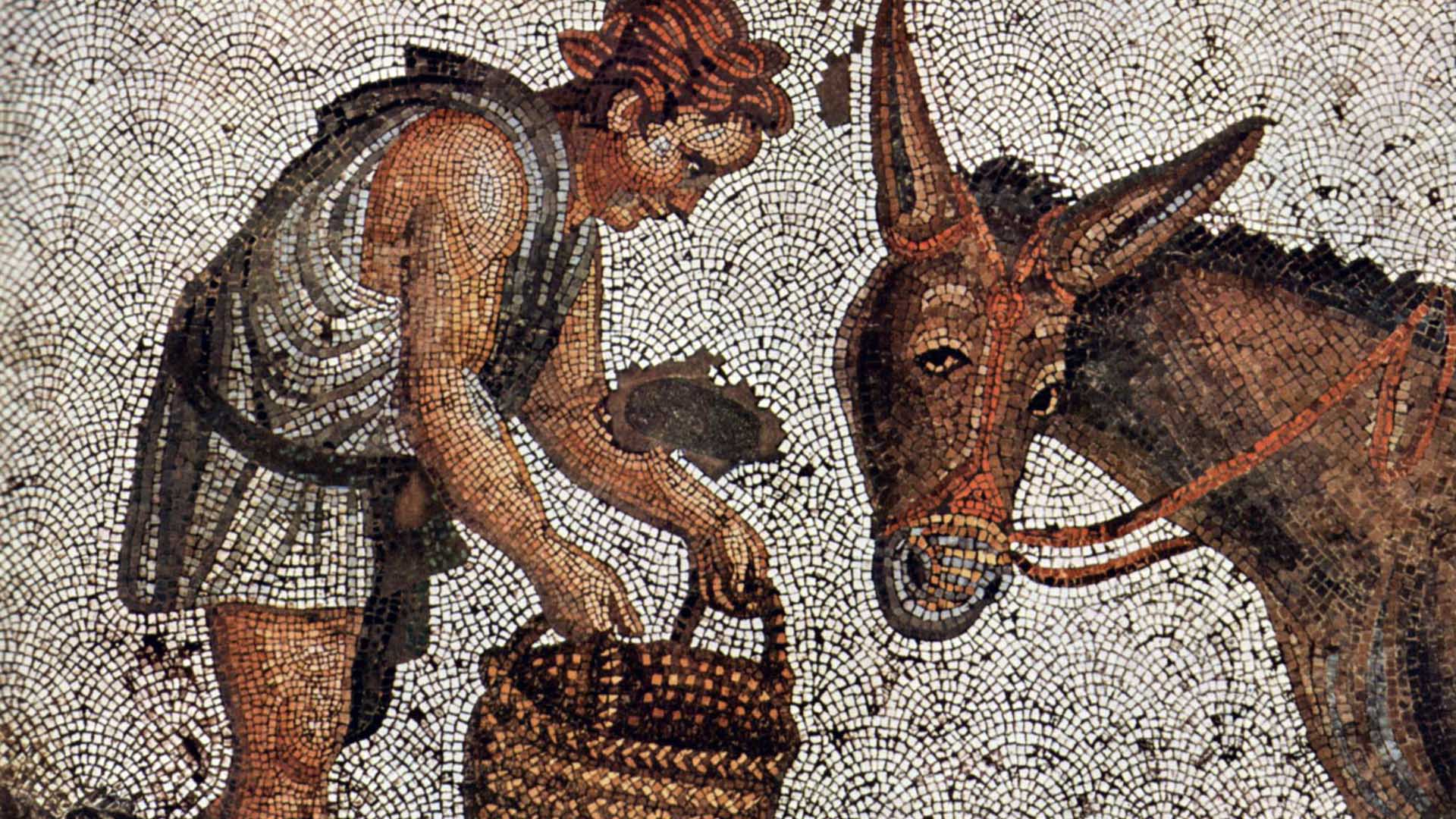
The concluding book of Apuleius’ Golden Ass (or Metamorphoses), where Lucius, the story’s protagonist, undergoes initiation into the mysteries of Isis and Osiris.
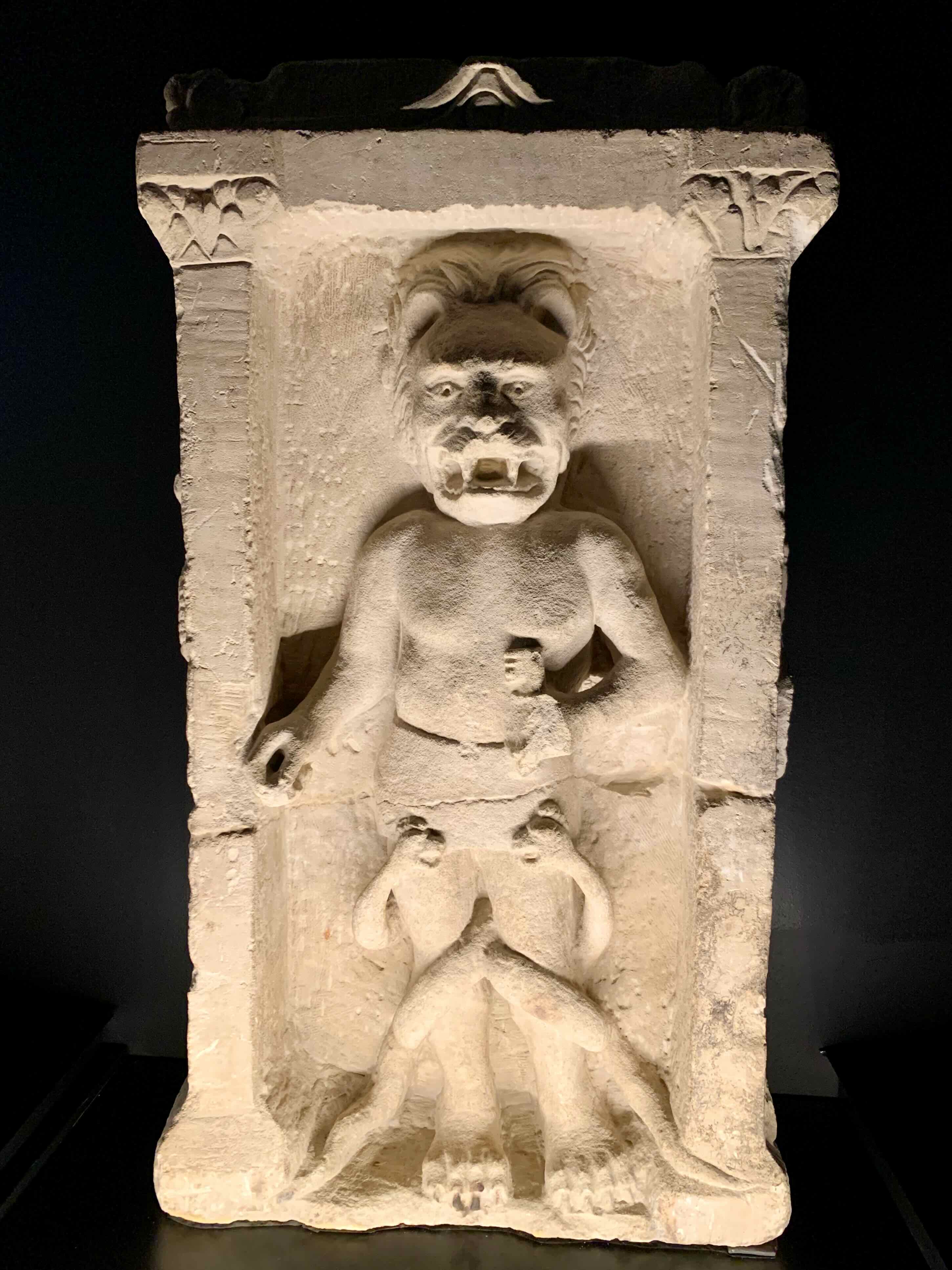
The altar depicting a lion-headed figure from Bordeaux includes a sculpted ewer and a patera on the sides.
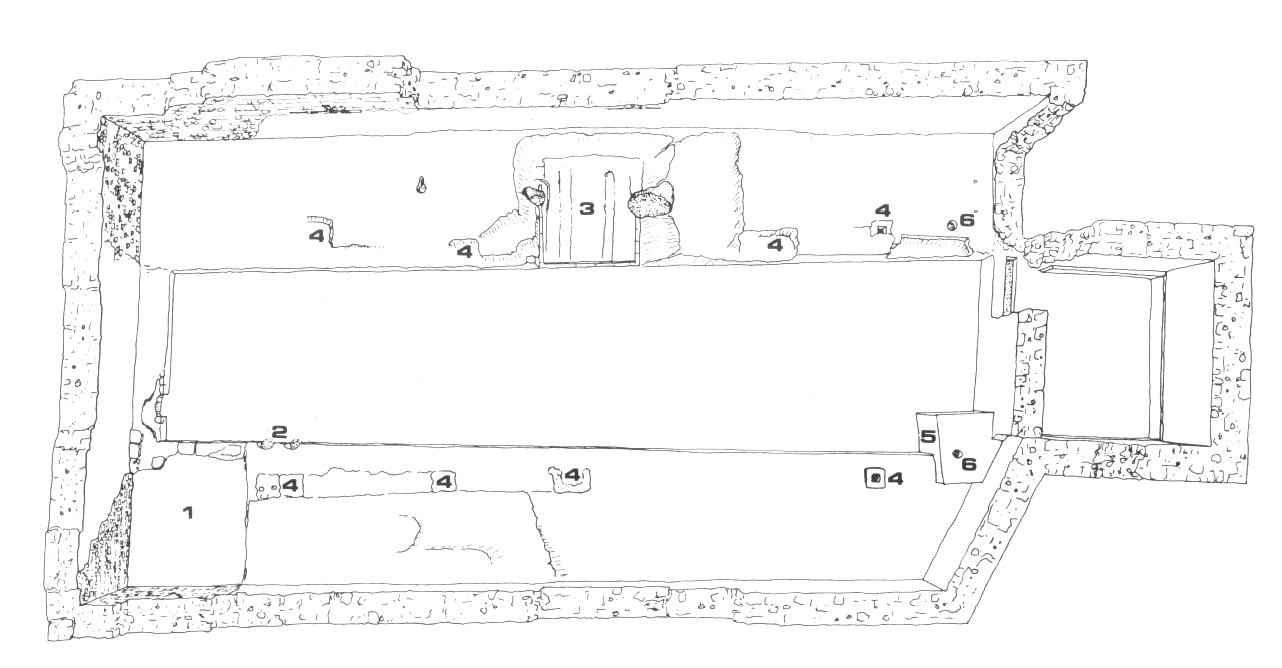
C’est en 1986, à l’occasion de la restructuration de l’ancien magasin Parunis, qu’une fouille de sauvetage archéologique fut réalisée cours Victor Hugo.

On the occasion of the discovery of a Mithraeum in Cabra, Spain, we talk to Jaime Alvar, a leading figure in the field of Mithraism. With him, we examine the testimonies known to date and the peculiarities of the cult of Mithras in Hispania.
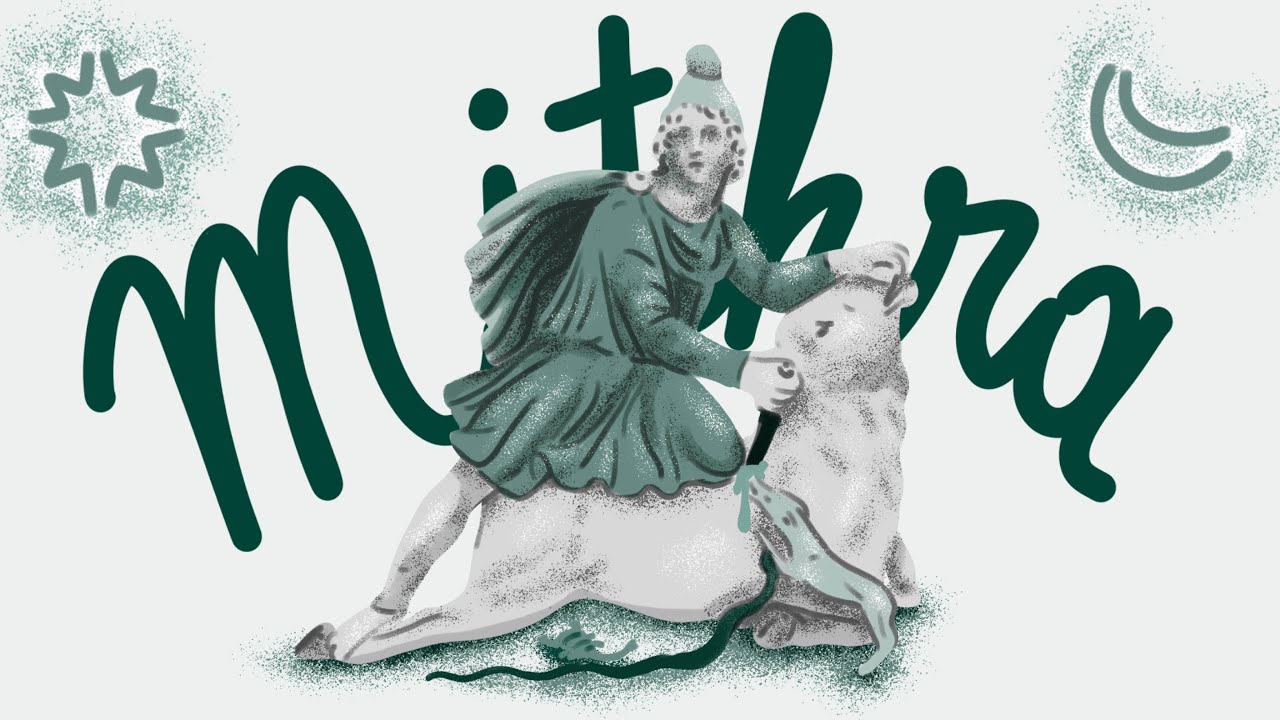
Le culte romain de Mithra. Entre réalités antiques et fantasmes contemporains ! Par Richard Veymiers, directeur du Domaine et Musée royal de Mariemont.

In this article, Chalupa examines the scant evidence that has been found for the presence of women in the Roman cult of Mithras.
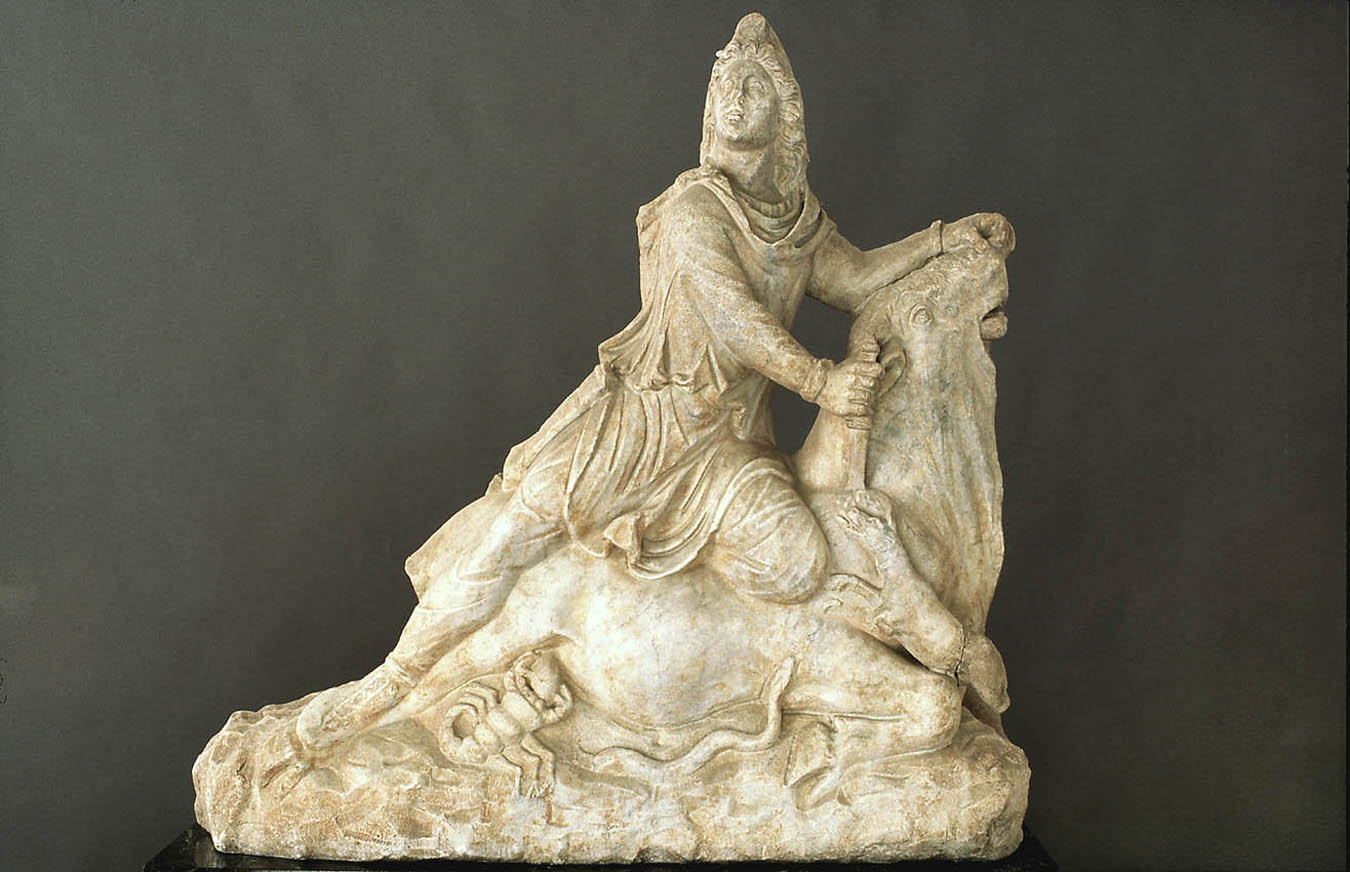
The Mithras of Cabra is the only full preserved Tauroctony sculpture found in Spain yet.
This inscription reveals the names of 36 cultori of Sentinum, one of whom bears the title of pater leonum.
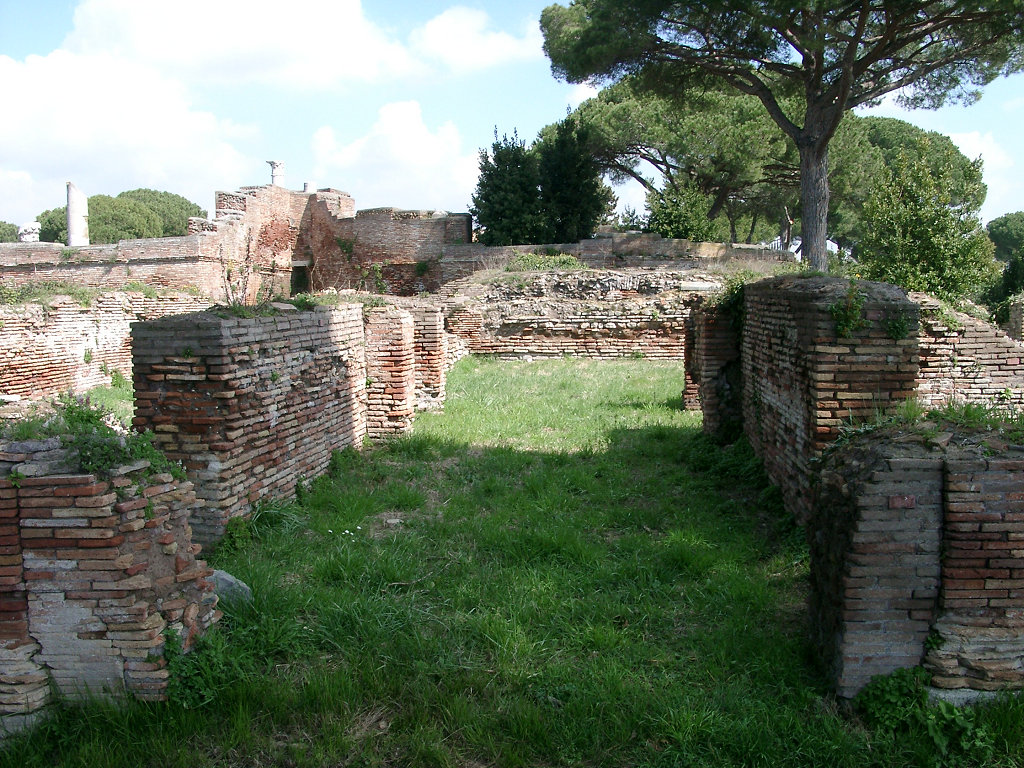
The Mithraeum of Frutosus was in a temple assigned to the guild of the stuppatores.
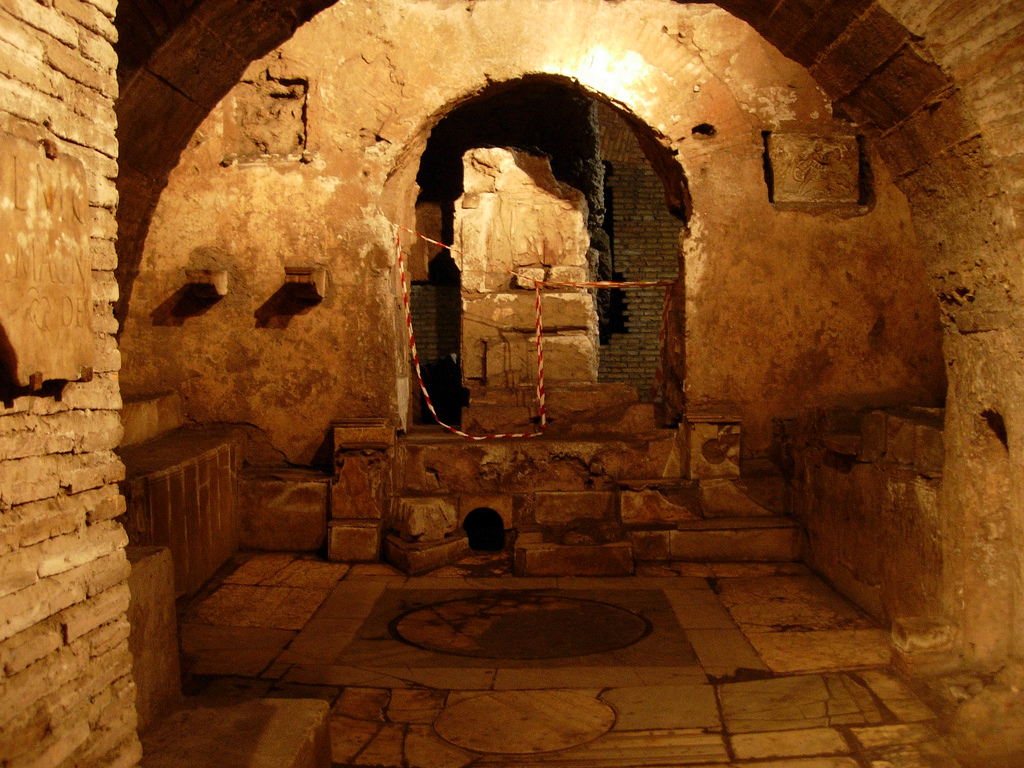
The Mithraeum of the Circus Maximus was discovered in 1931 during work carried out to create a storage area for the scenes and costumes of the Opera House within the Museums of Rome building.
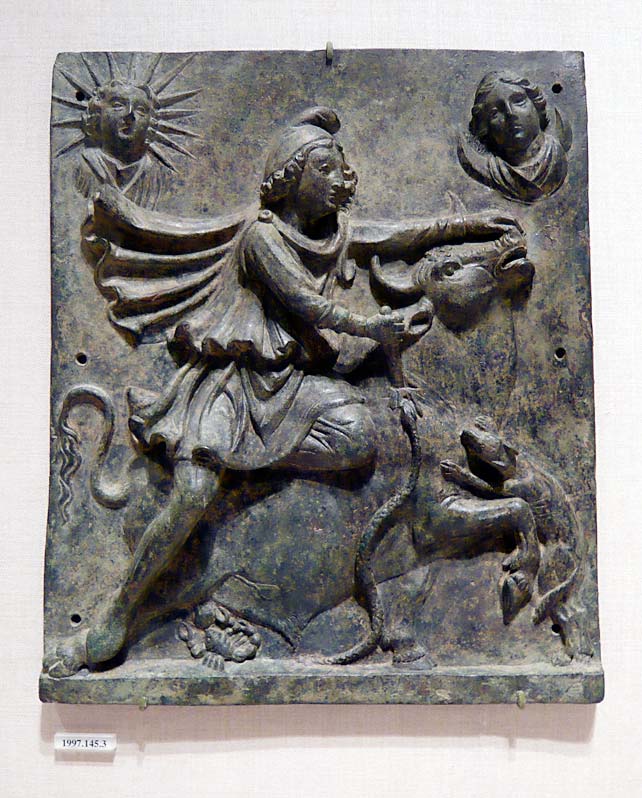
Mithras Tauroctony on bronze exposed at the Metropolitan Museum of New York.
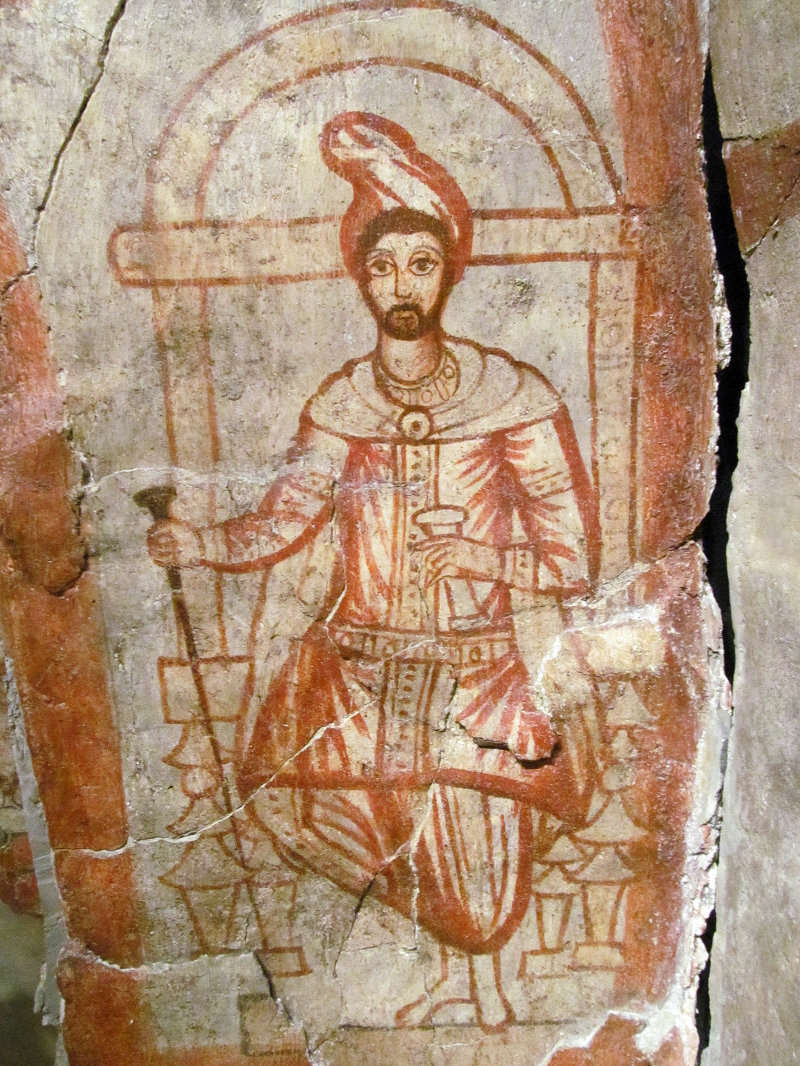
Some scholars have speculated that the scrolls both figures hold in their hands represent Eastern doctrines brought to the Western world.
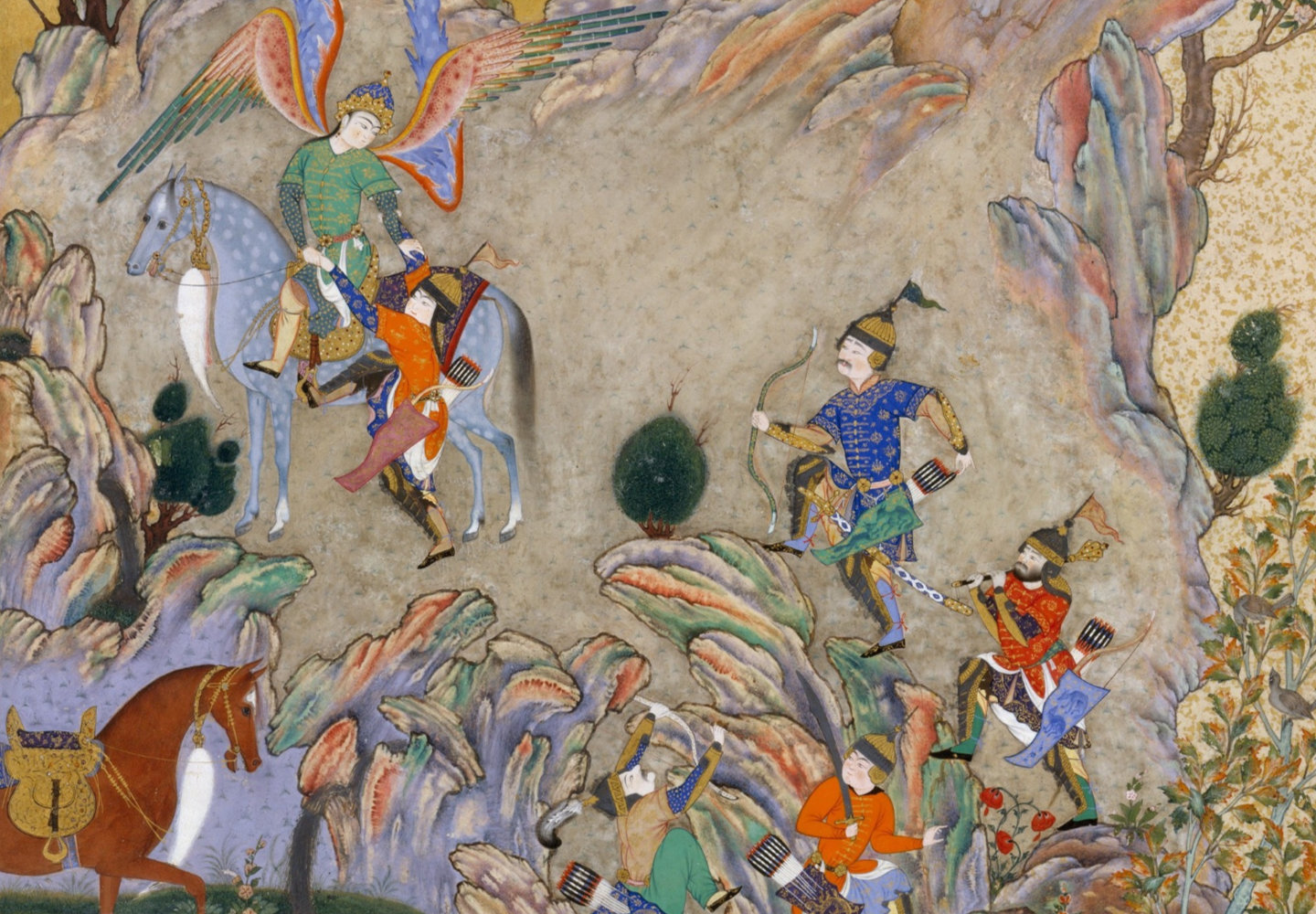
We propose to revisit a passage by the prolific author Marteen Vermaseren that highlights correspondences today forgotten between the Roman Mithras and its Eastern counterparts.
