Your search Ines Siemers-Klenner gave 221 results.

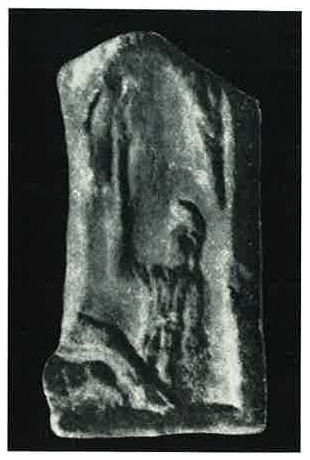
Fragment of a limestone altar from Wiesbaden, ancient Aquae Mattiacae, preserving the crossed legs of a torchbearer
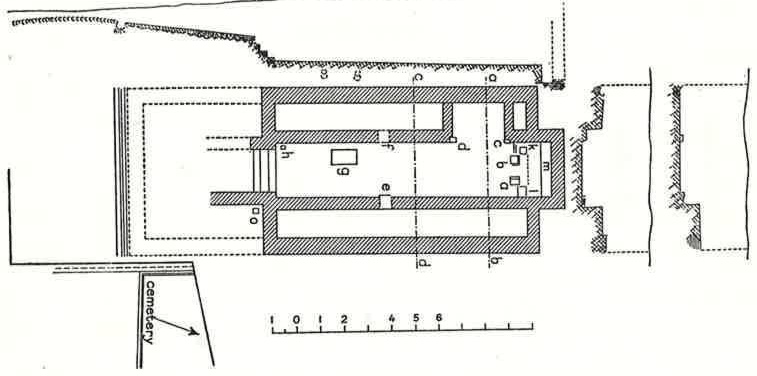
Third Mithraic sanctuary found north-west of the cemetery at Heddernheim, ancient Nida, in 1887 and fully excavated by G. Wolff in 1890
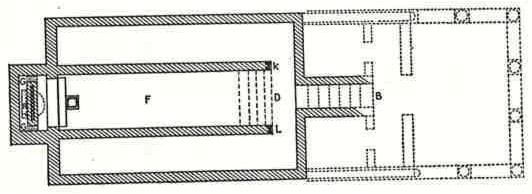
First Mithraic sanctuary discovered at Heddernheim (ancient Nida) in 1826, with finds preserved in the Städtisches Museum at Wiesbaden.
The site of Ay-Todor in Crimea revealed a Roman camp, a temple with votive offerings, and a Mithraeum.

This dedicatory inscription by Aurelius Seleucus, found in Cilicia, aligns with Plutarch’s account of Cilician pirates performing foreign sacrifices and secret rites of Mithras.

Spoleto is an ancient city in the Italian province of Perugia in east-central Umbria on a foothill of the Apennines.

Garlic merchant, probably from Lusitania, who dedicated an altar to Cautes in Tarraconensis.
Samnium occupied a mountainous region of central Italy linked to Rome through military movement and regional urban networks.
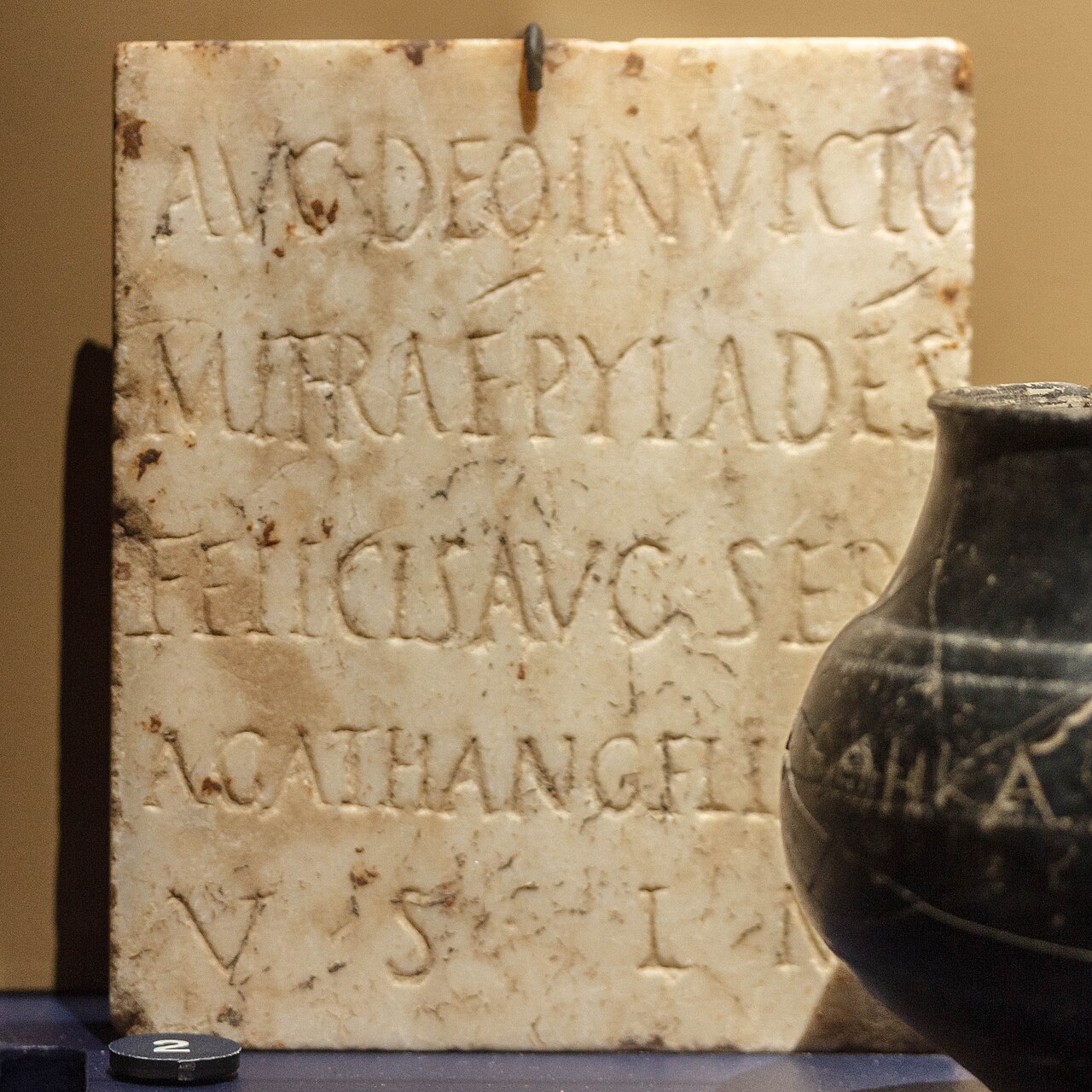
This marble plaque from Iuliomagus, Roman Angers, bears a rare dedication to Mithras by Pylades, a slave of an imperial slave connected to the Roman administration in Gaul.
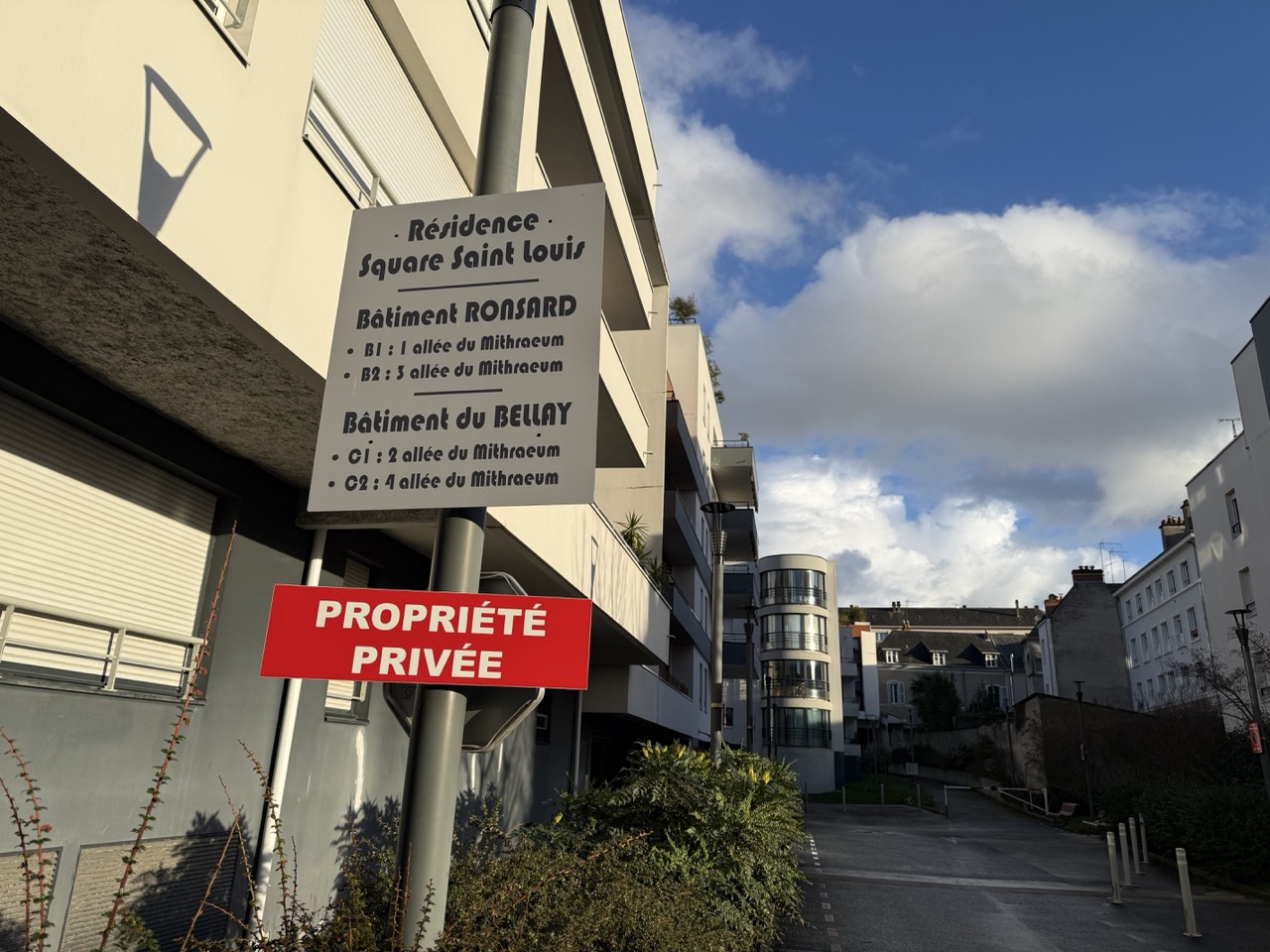
The Mithraeum of Angers, excavated during a preventive operation and subsequently dismantled in 2010, yielded numerous objects, including coins, oil lamps, and a ceramic vessel bearing a votive inscription to the invincible god Mithras.

Late Roman senator, public augur and Mithraic pater active in the second half of the fourth century CE.
This fragment of pottery depicting Mithras may have come from Gallia.
This inscription shows that Publilius Ceionius, most distinguished man, dedicated a temple to Mithras at Mila, in the modern Constantina, Algeria.
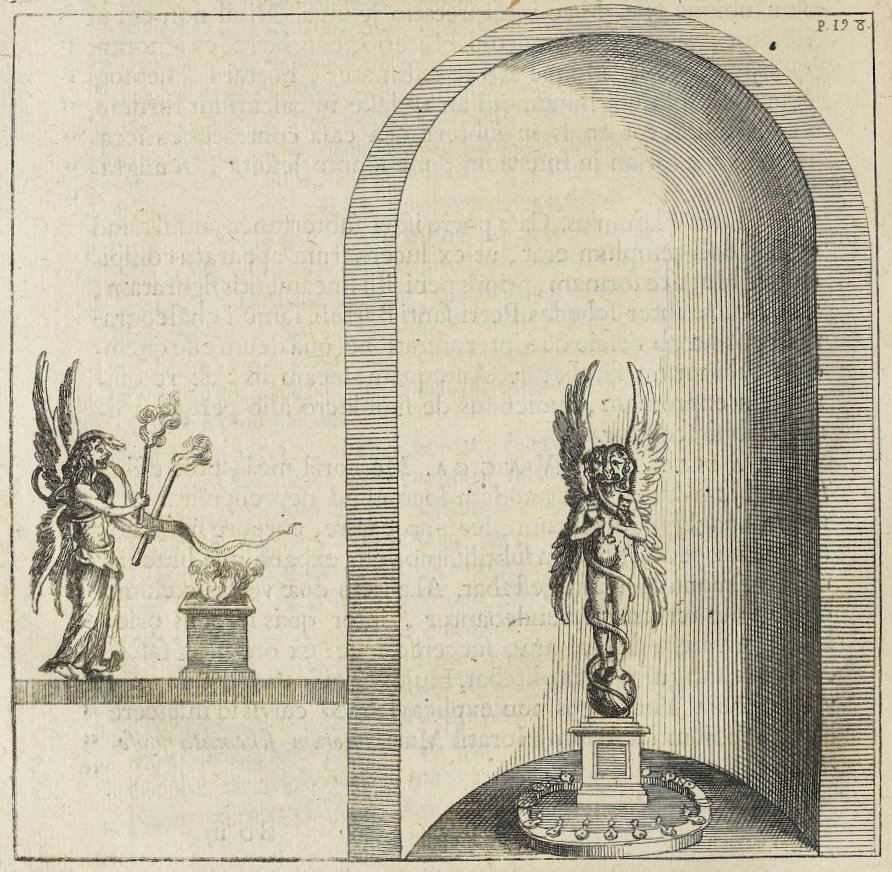
This monument has been identified from ’Memorie di varie antichità trovate in diversi luoghi della città di Roma’, a book by Flaminio Vacca of 1594.
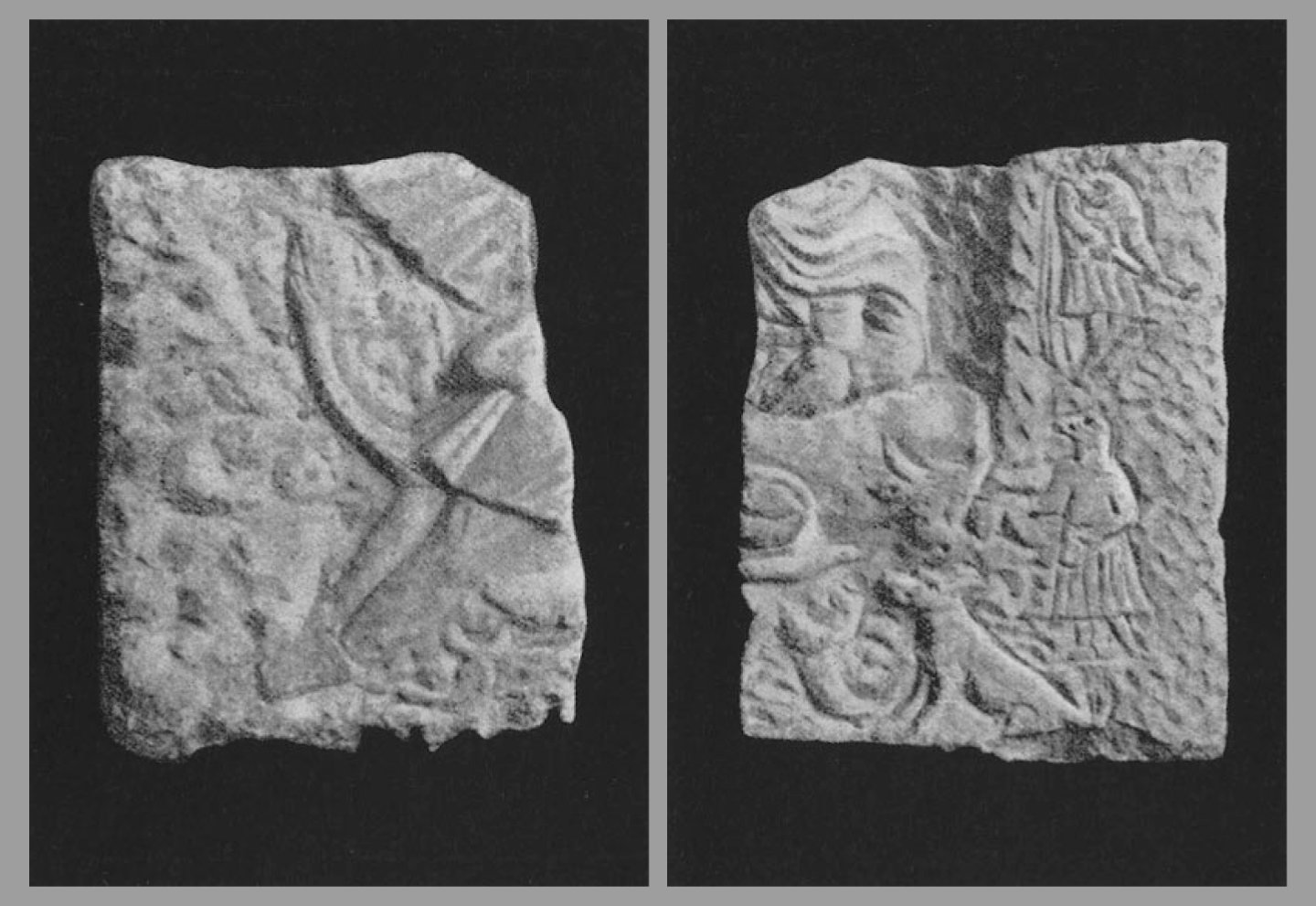
This fragment of a double relief shows a tauroctony on one side and the sacred meal, including a serving Corax, on the other.
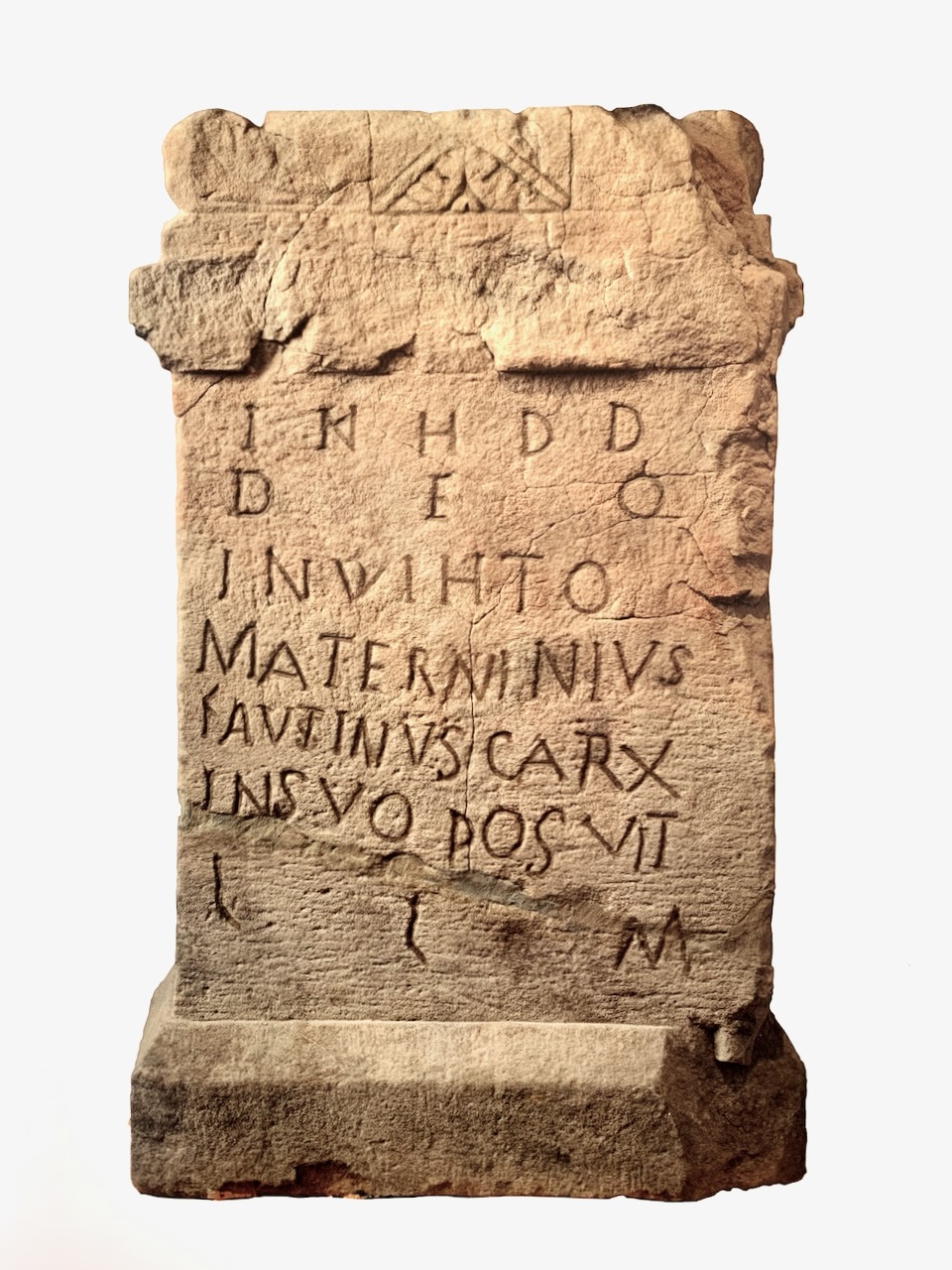
Corax Materninius Faustinus dedicated other monuments found in the same Mithraeum in Gimmeldingen.

This plaque, located on the western staircase of the Palace of Darius, mentions the god Mithra together with Ahura Mazda as protectors of King Artaxerxes III Ochus.

Séminaire du 5 mai 2026 : The Lord of the Covenant: Mihr the judge and the celebration of Mihragān.
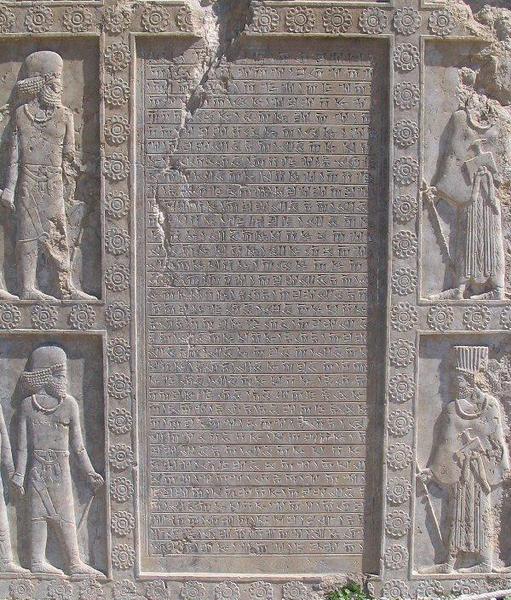
Located at the western entrance to the Palace of Darius in Persepolis, this tablet bears an inscription mentioning Ahuramazda and Mithra.
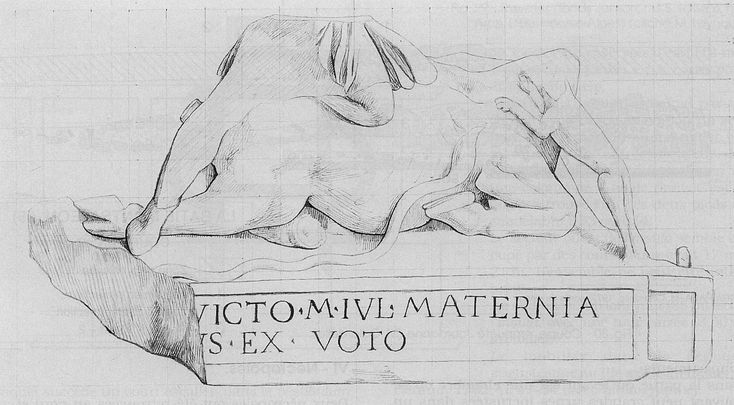
This damaged relief of Mithras killing the bull found in 1804 and formerly exposed at Gap, is now lost.
