Your search Jan Theo Bakker gave 214 results.
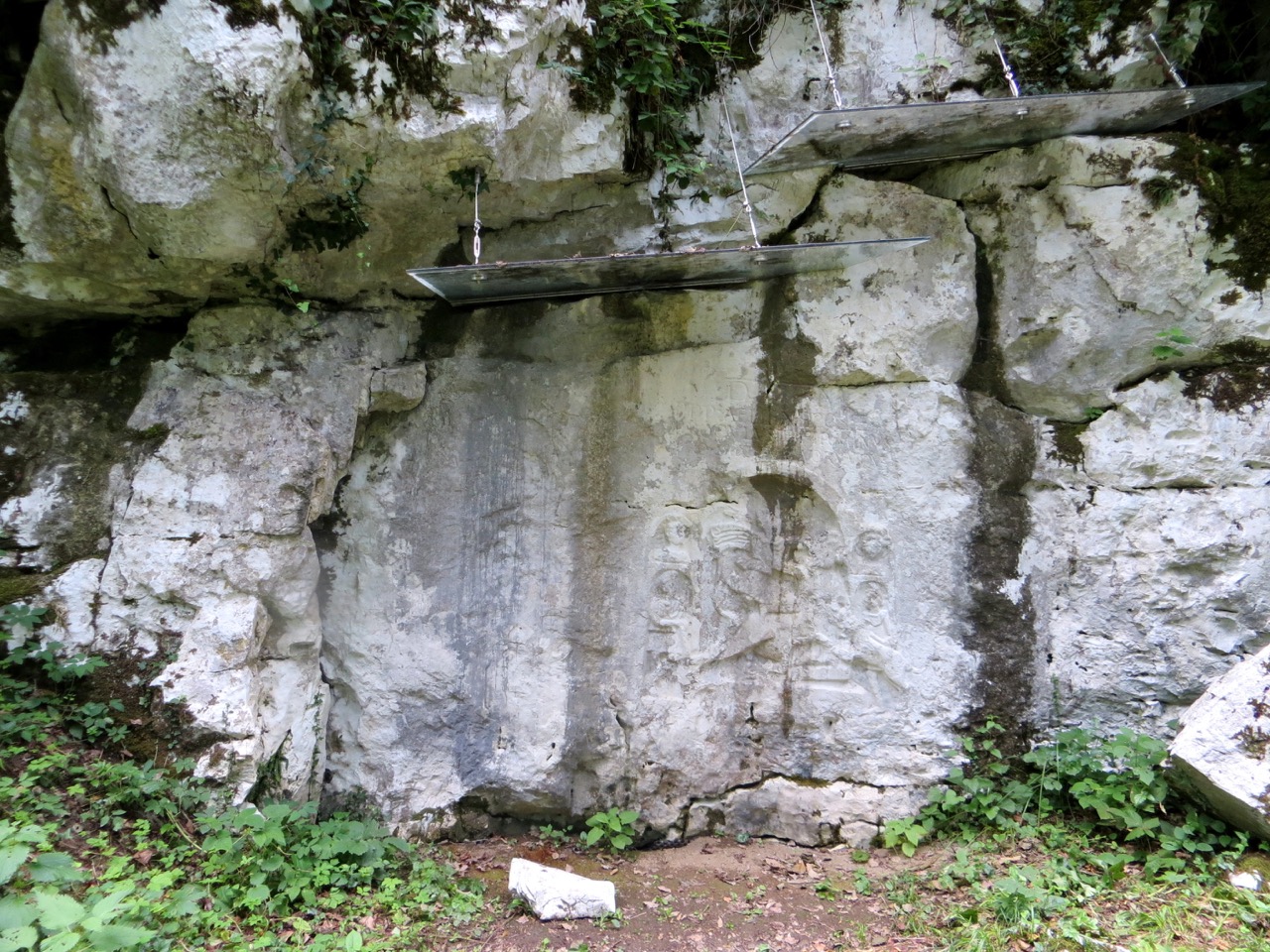
According to Hitzinger remnants of animal bones were found in front of the relief of the Mithraeum at Rozanec.

This eulogy of Saint Eugene of Trapezos tells how, in the time of Diocletian, he and two other Christian fellows destroyed a statue of Mithras.
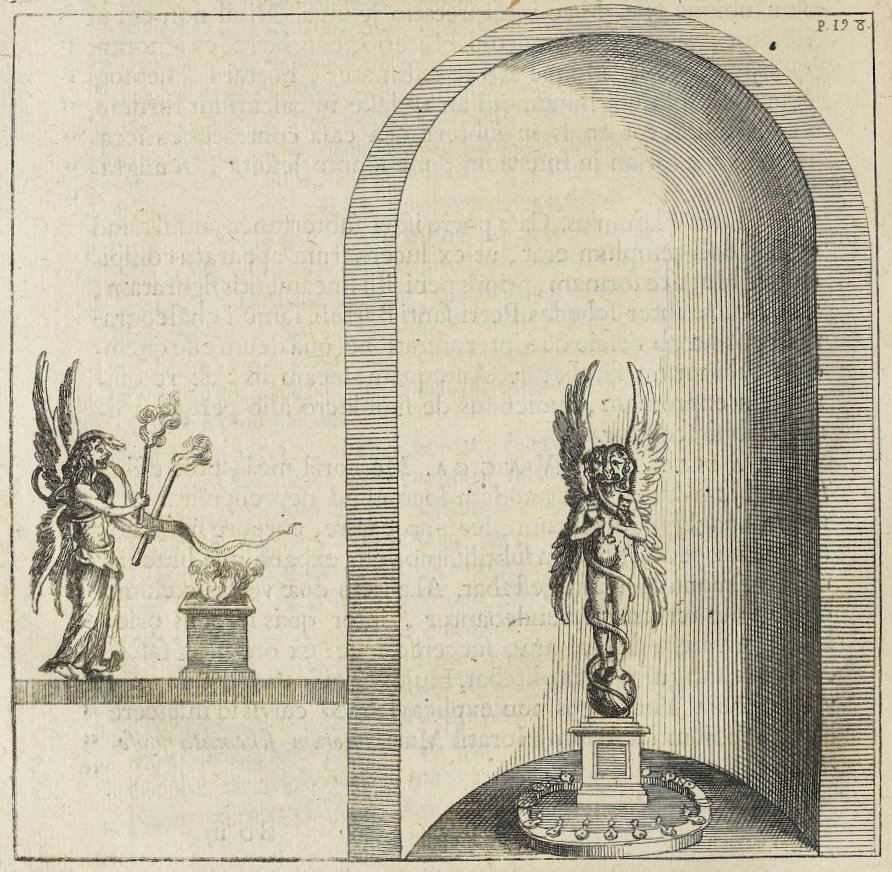
This monument has been identified from ’Memorie di varie antichità trovate in diversi luoghi della città di Roma’, a book by Flaminio Vacca of 1594.
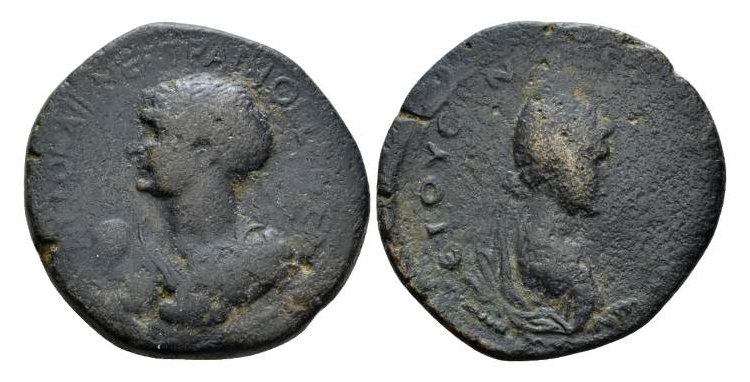
These bronze medallions associates the image of several Roman emperors with that of Mithras, usually as a rider, in the province Pontus.
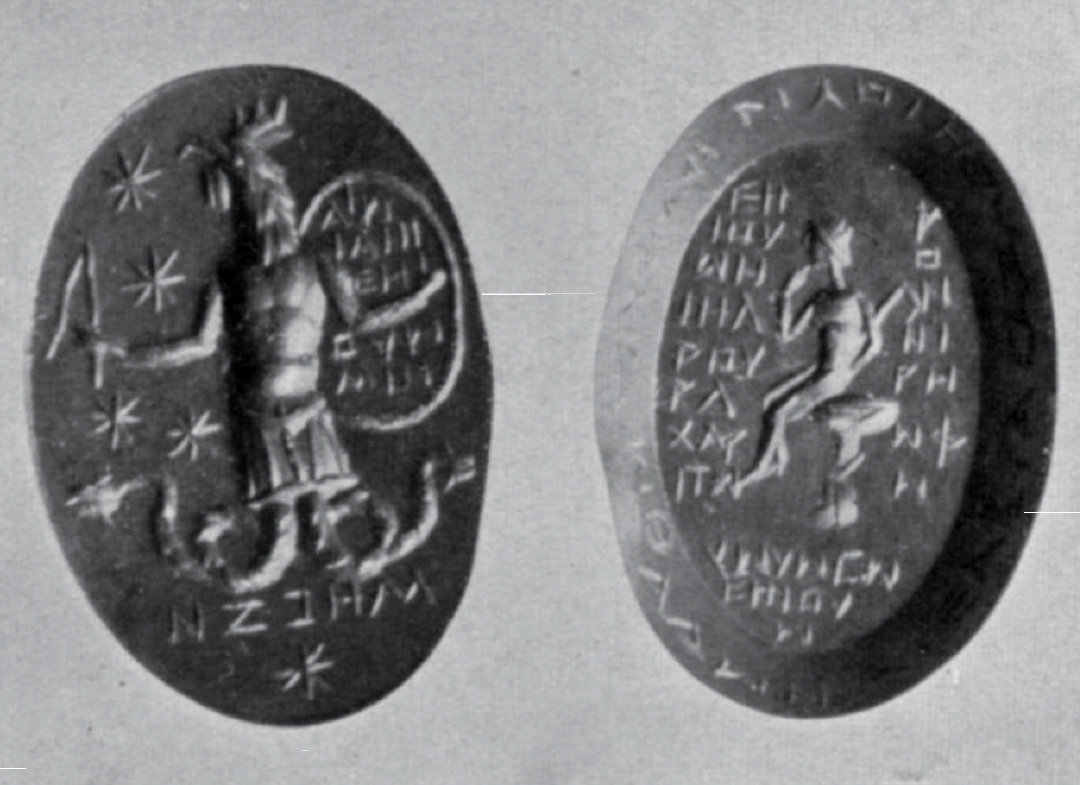
Gnostic amulet found in the ancient Agora of Athens, depicting Abraxas on one side and a Mithraic inscription on the other.
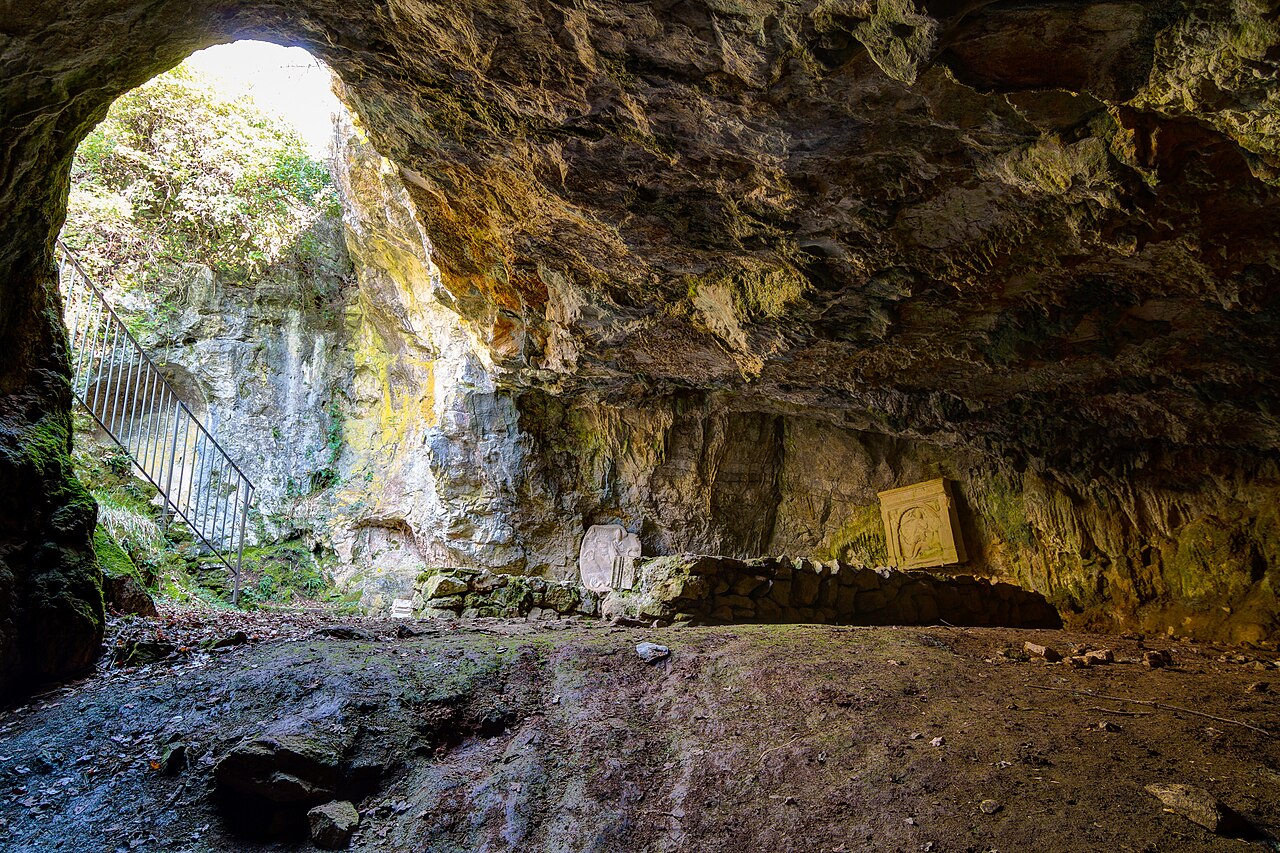
The site was destroyed in the 5th century but some elements, including the benches, can still been seen.
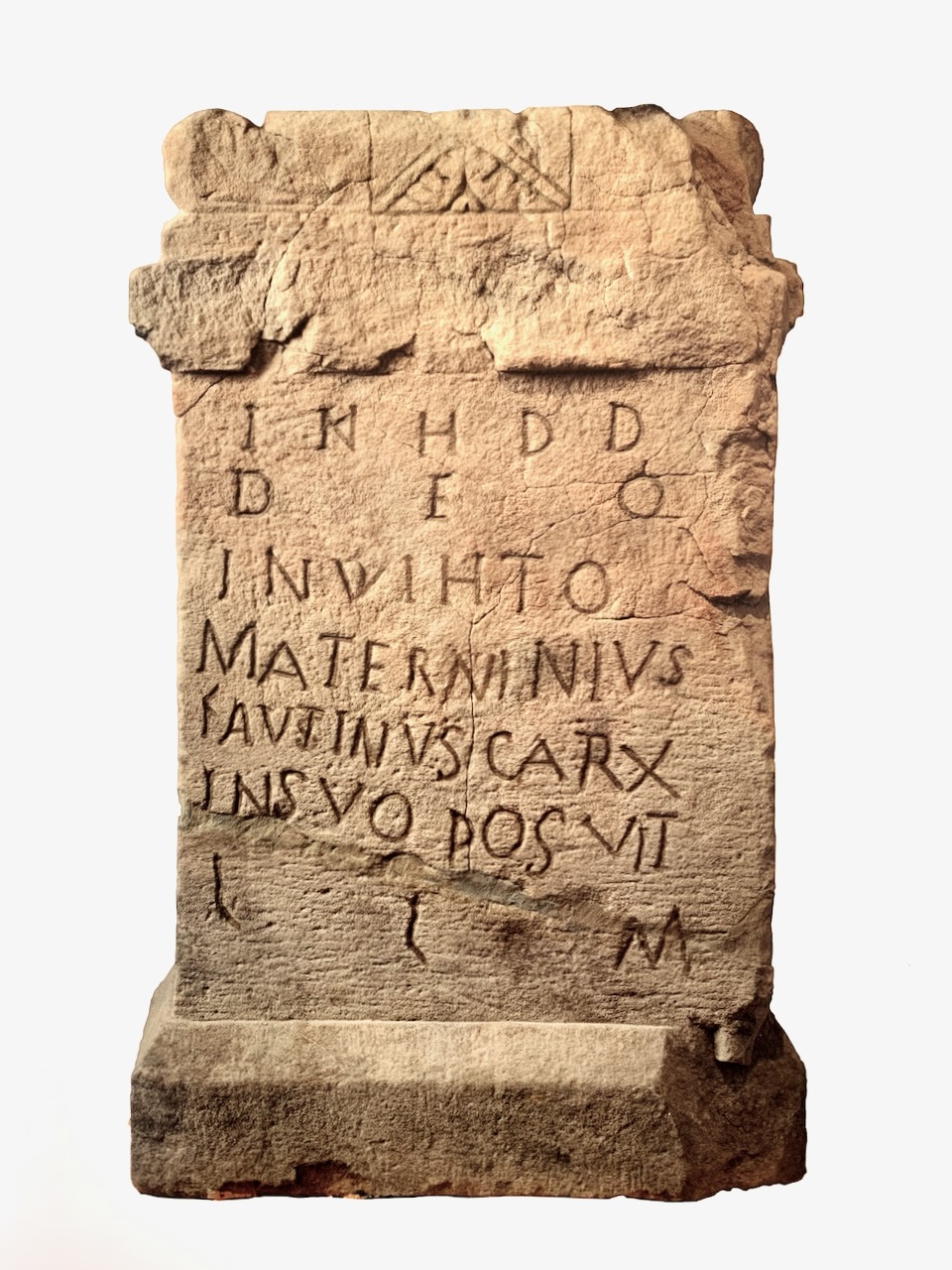
Corax Materninius Faustinus dedicated other monuments found in the same Mithraeum in Gimmeldingen.
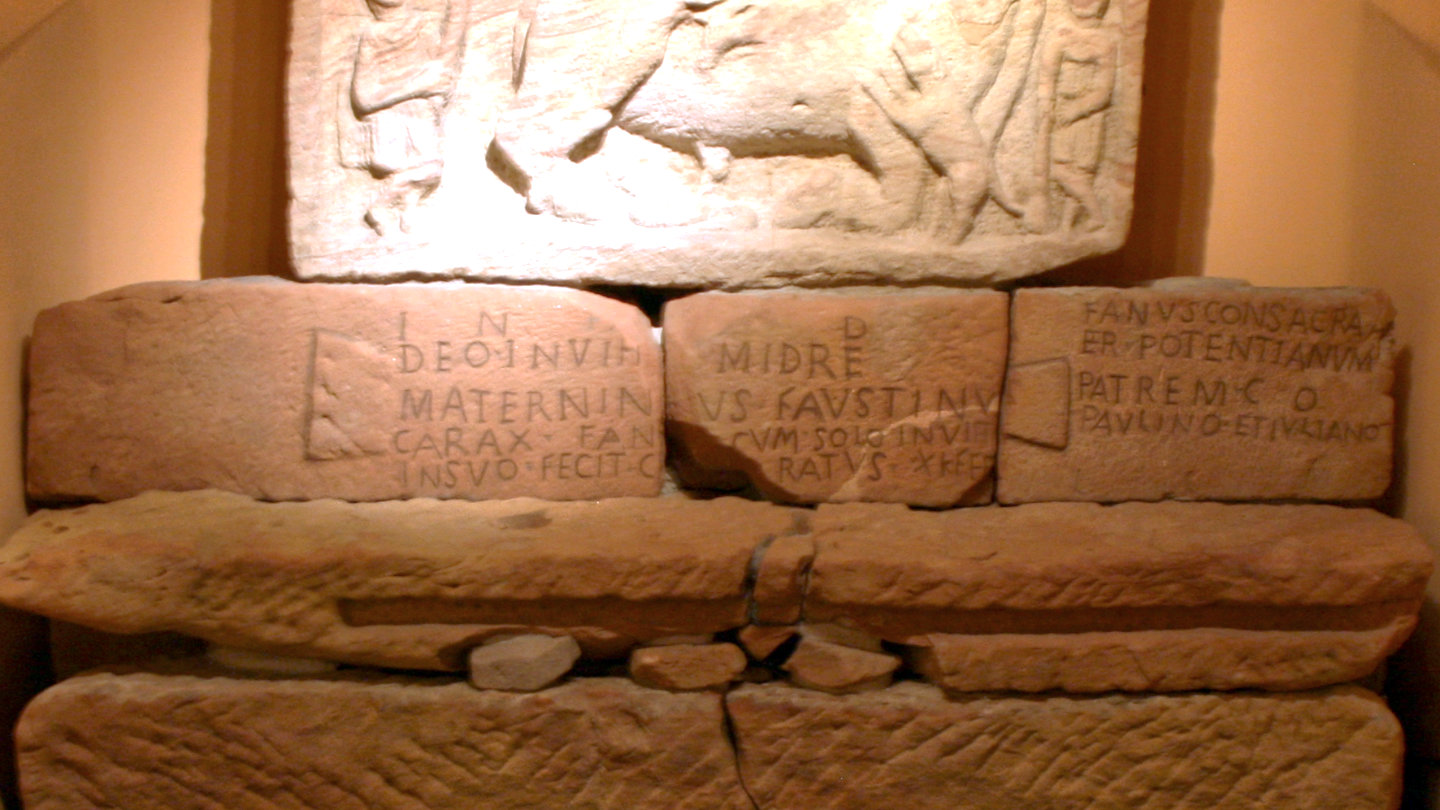
The inscription was located at the base of the main Tauroctony of the Gimmeldingen Mithraeum.
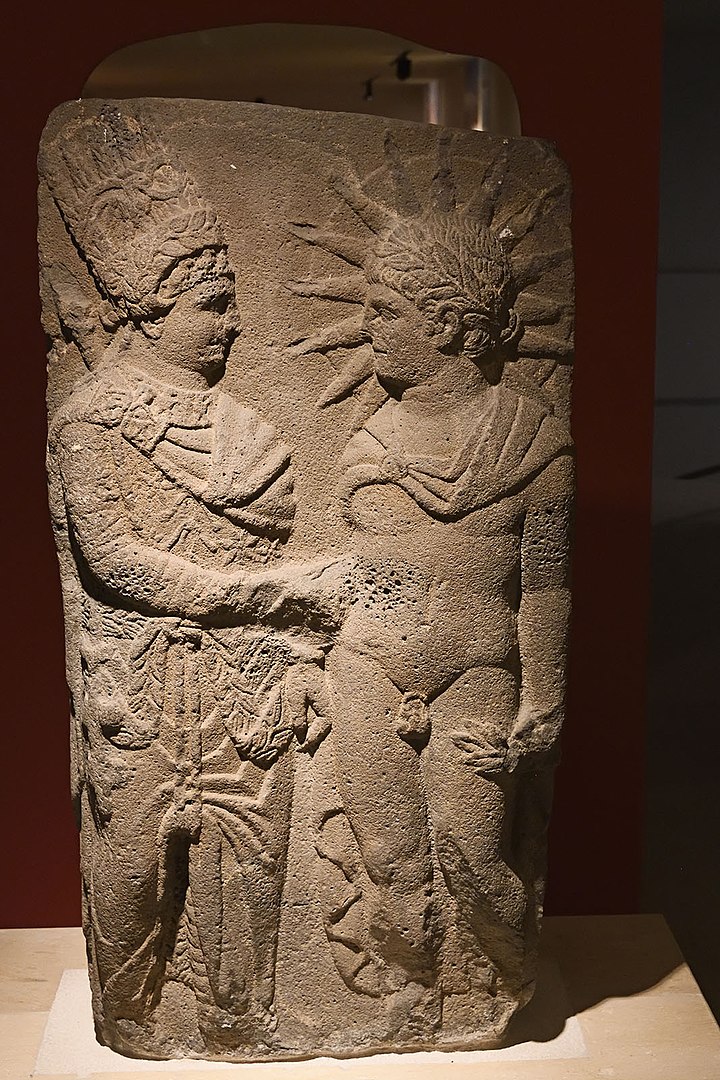
Stele representing Apollo-Mithras-Helios in a Hellenistic nude fashion, shaking hands with Antiochus I.
This inscription by a certain Ioulianos, found at the entrance to the Dolichenum at Dura Europos, bears an inscription to Zeus Helios Mithras et Tourmasgade.

This altar was dedicated by a certain Marcus Aurelius Decimus to Sol Mithras and other gods in Diana, Numibia, present Argelia.
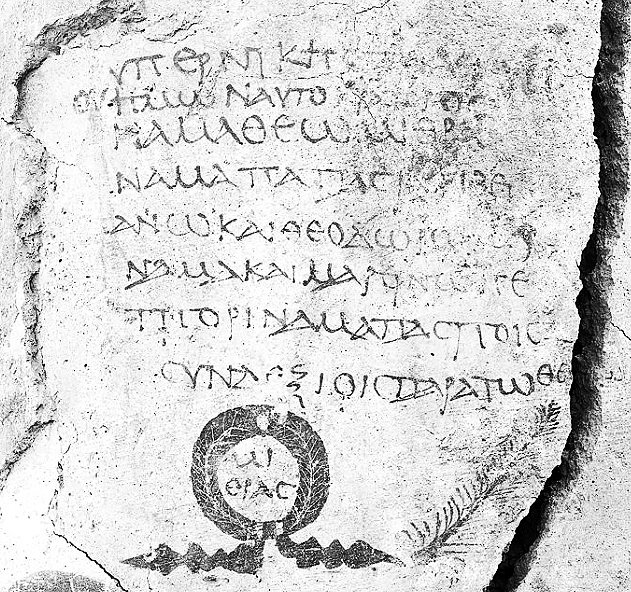
The inscription pays homage to the emperor, probably Caracalla, to Mithras, the fathers, the petitor and the syndexioi.
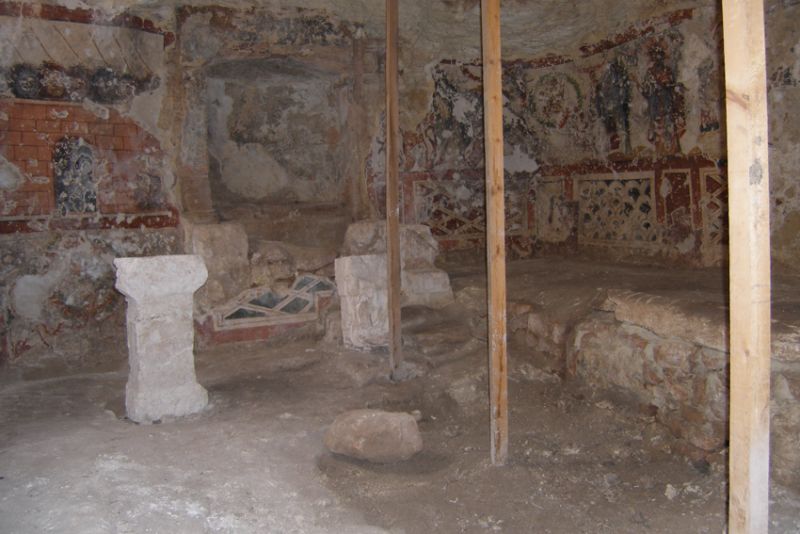
The Mithraeum of Hauarte or Hawarte, which preserves colourful frescoes, it’s the latest know and used.
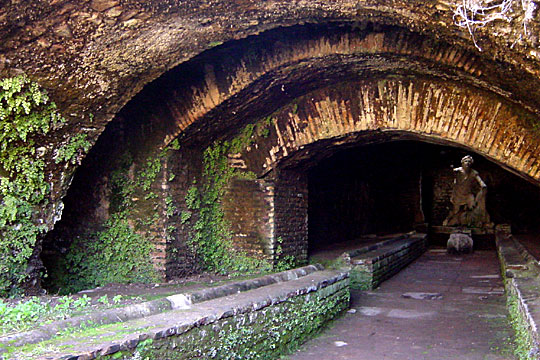
The Mithraeum of the terms of Mithras takes its name from being installed in the service area of the Baths of Mithras.
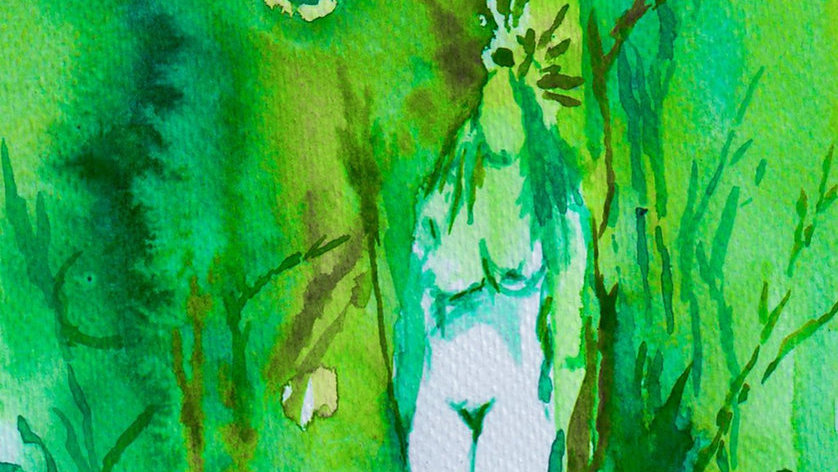
Lenni George on Hekate’s development across ancient traditions, from mystery cults to magical practice and philosophical thought.
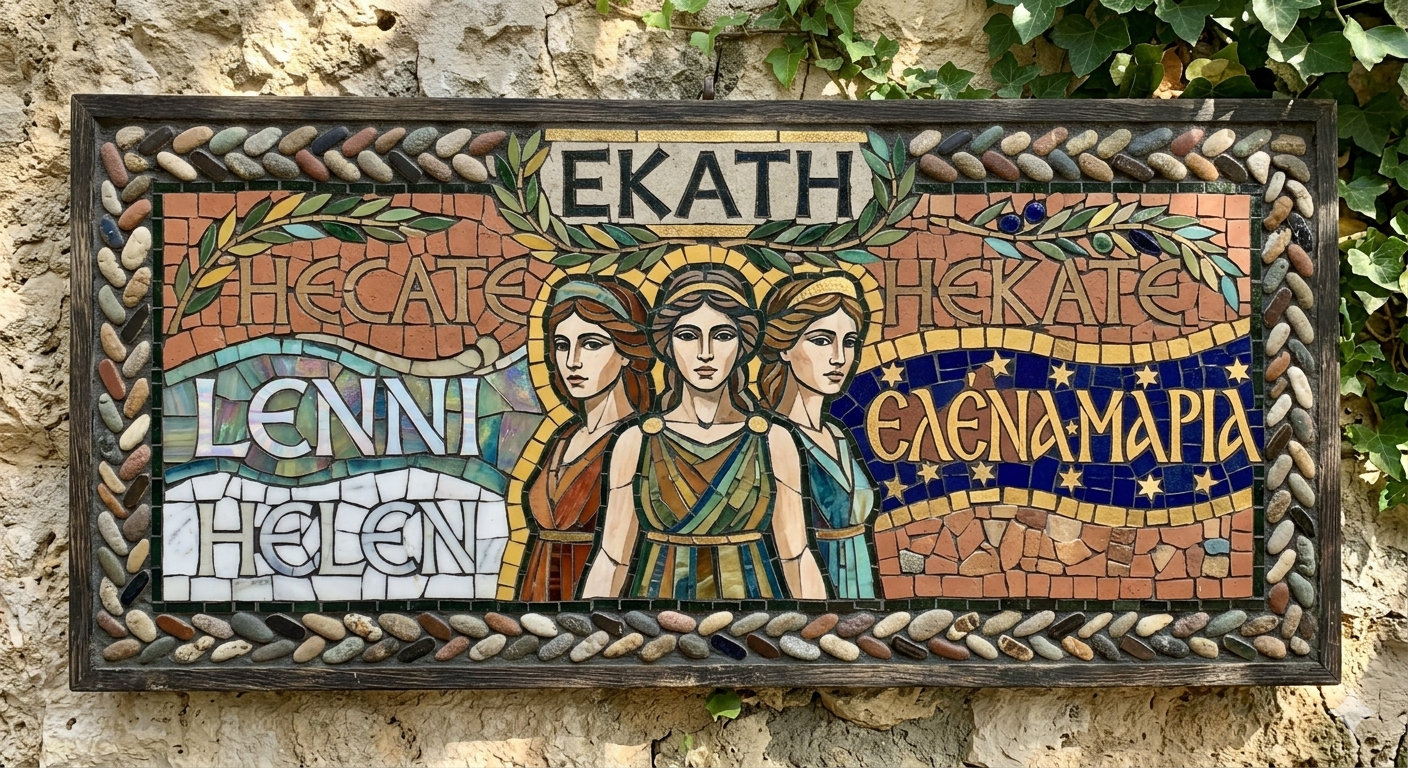
On what Hekate’s name may or may not tell us, and why the uncertainty matters.
This altar dedicated to Sol Invictus Mithras by a certain Septimius Zosimus was found in the Basilica of San Martino ai Monti in Rome.

Dominique Persoons proposes a reconstruction of Mithraic ritual based on archaeological remains, frescoes, and zodiacal symbolism. He interprets the mithraeum as a liturgical microcosm governing the descent, purification, and ascent of souls.
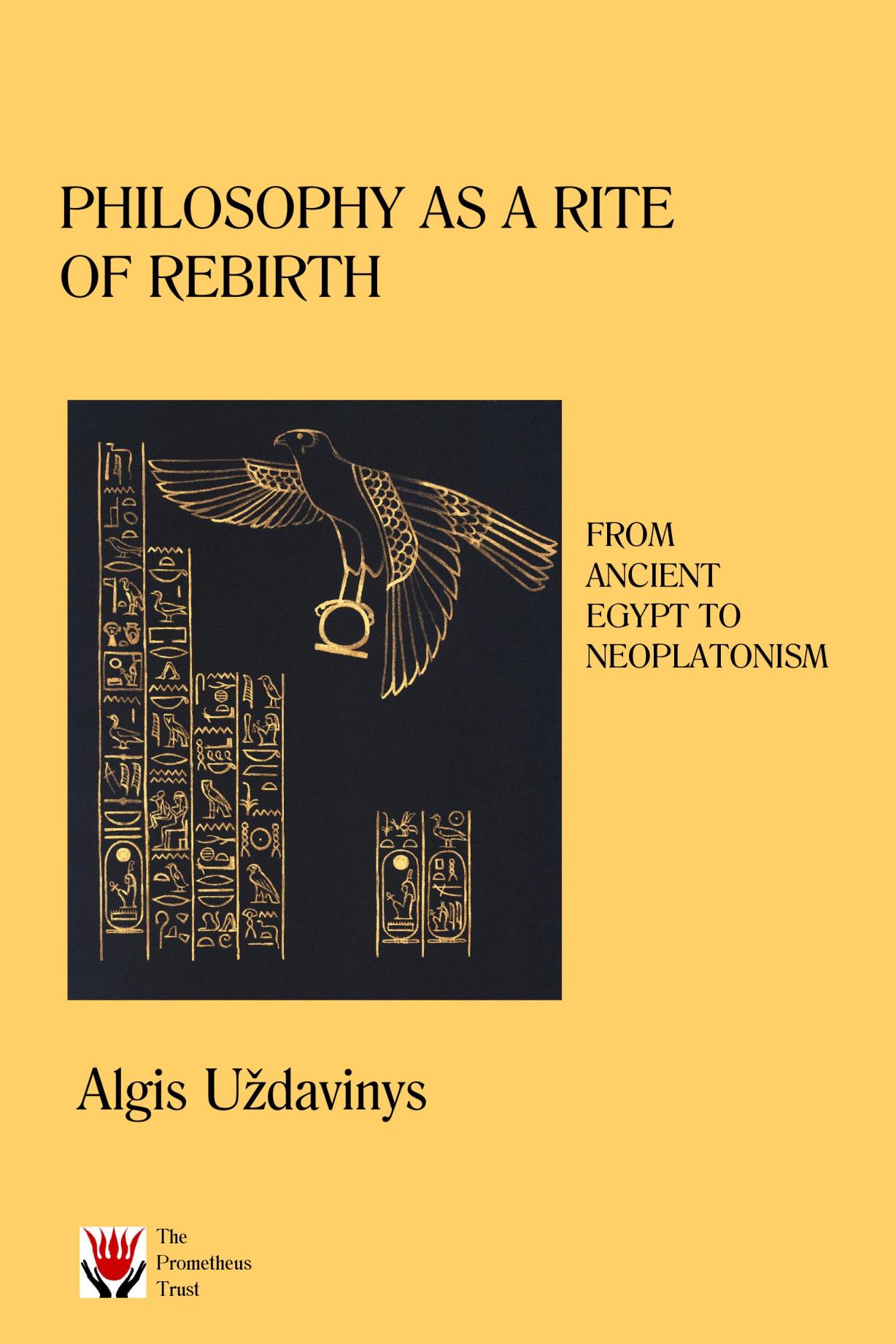
Algis Uždavinys presents philosophy as a sacred practice of inner rebirth, rooted in ancient Egyptian and traditional wisdom rather than a purely rational discipline.

