Your search Jas Elsner gave 34 results.

Fragment of a relief from Jassen, Moesia Superior, with three scenes: Mithras and kneeling Sol, the sacred repast, and Mithras ascending Sol's chariot; known from a personal communication.
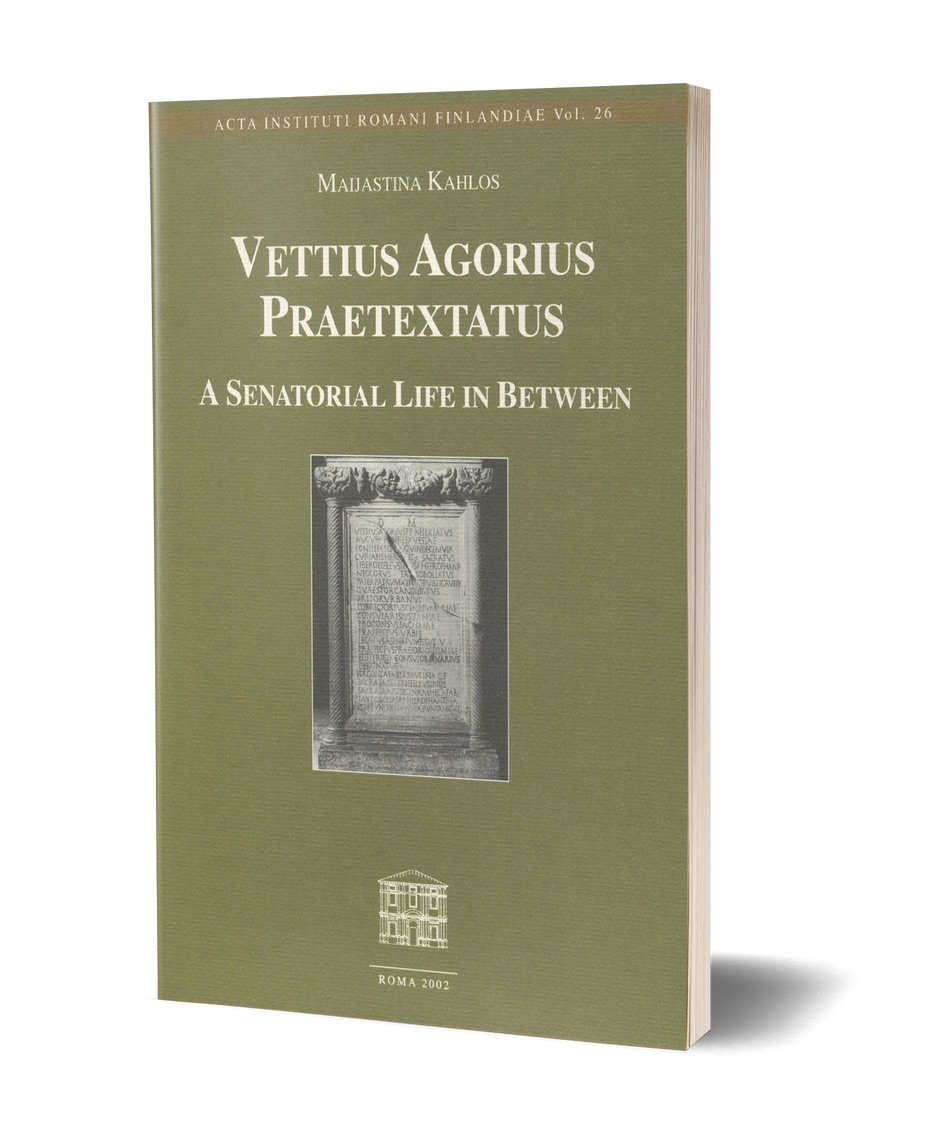
The cultural and religious world of fourth-century Rome is explored through the life and afterlife of Vettius Agorius Praetextatus. His case is set in comparison with other pagan and Christian senators of the period.
A philosophical study of Iranian civilization that explores its spiritual foundations, including the legacy of Mithraic and Zoroastrian traditions, in order to reflect on Iran’s historical continuity and civilizational meaning.


Black jasper gem from the Seyrig collection, depicting Mithras radiate slaying the bull, with the god grasping the muzzle with the left hand and driving a knife into the animal's neck with the right.
Oval jasper gem in the Cairo Museum depicting Mithras slaying the bull with Sol, Luna, a leontocephalic figure and seven stars.
Yellow jasper fragment of unknown provenance, formerly in the Museo Borgiano, with a tauroctony on the obverse and a Mithraic figure on the reverse.

Jason Reza Jorjani, PhD, is a philosopher and author of Prometheus and Atlas, World State of Emergency, Lovers of Sophia, Novel Folklore: The Blind Owl of Sadegh Hedayat, and Iranian Leviathan: A Monumental History of Mithra's Abode.


The locality of Jassen belongs to the inland communications landscape of the Balkan provinces.
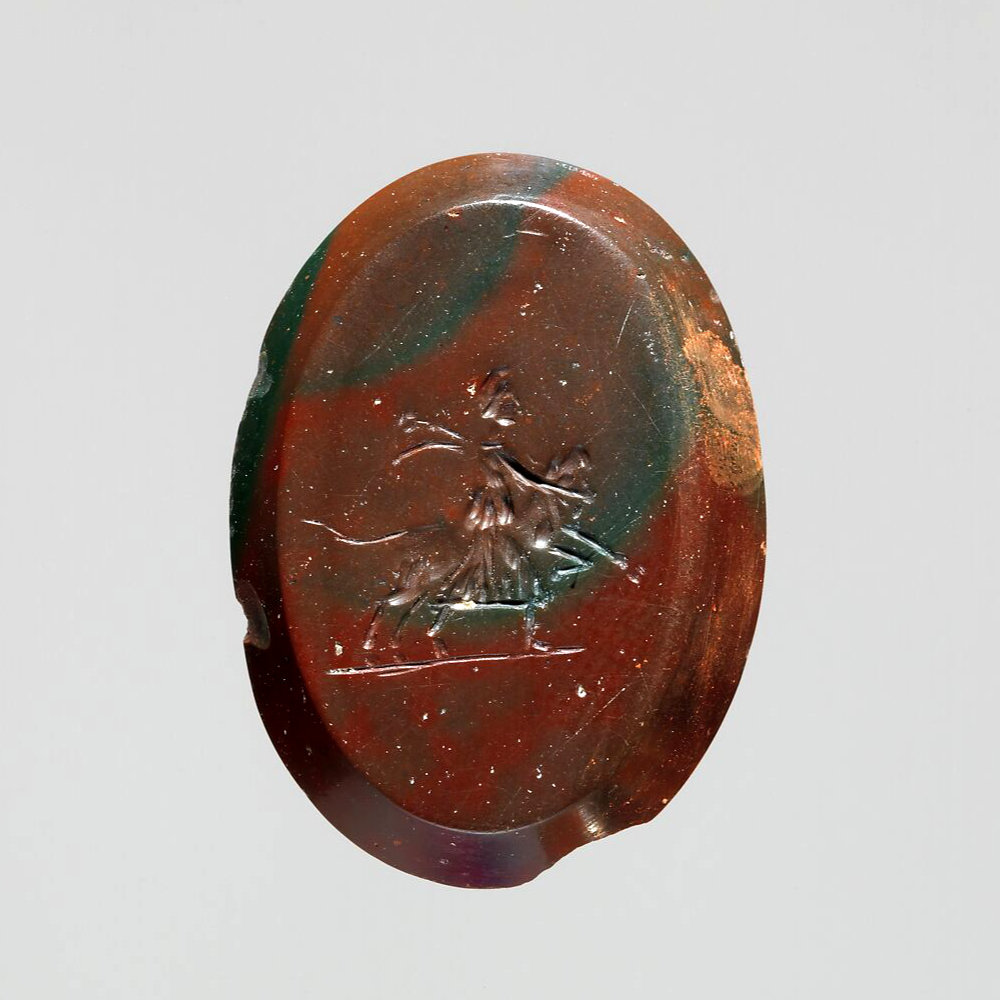
This small magical jasper gem shows Sol in a quadrigra on the recto and Mithras as a bull slayer on the verso.
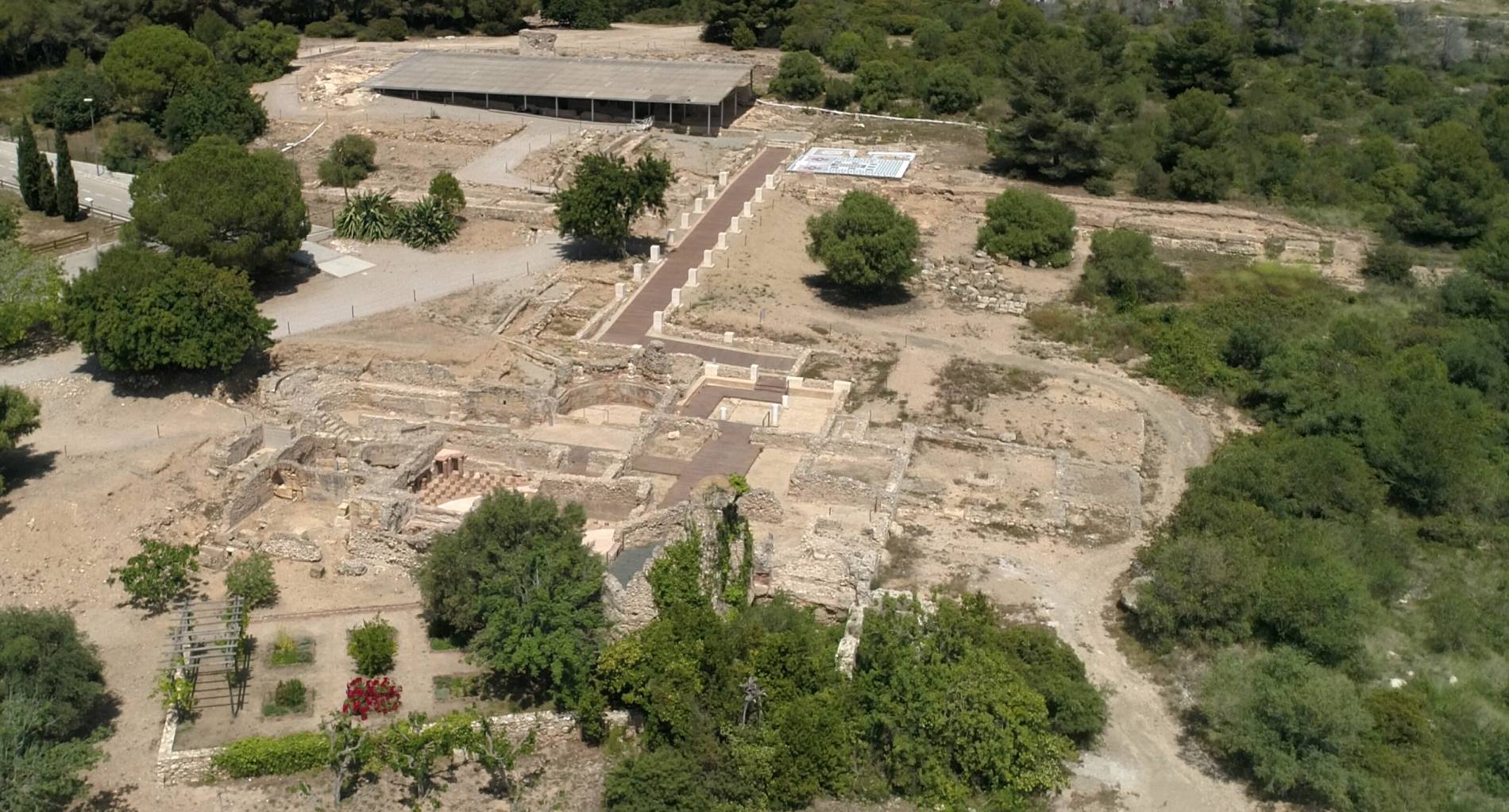
A possible Mithraic sanctuary attached to the luxurious Roman villa of Els Munts, near ancient Tarraco, whose interpretation remains disputed.

Magister of a Bracaran sodalicium associated with the cult of Mithras in Roman Lusitania.

Yellow lenticular carnelian gem probably from Aquileia, now in Udine, depicting a Mithraic scene nearly identical to the Florence jasper.
