Your search Kadin Most gave 395 results.


David Ulansey argues that Mithraic iconography was actually an astronomical code, and that the cult began as a religious response to a startling scientific discovery.
In his first book, Fahim Ennouhi sheds light on the cult of Mithras in Roman Africa. A marginal and elitist phenomenon, confined to restricted circles and largely absent from local religious dynamics, yet revealing.
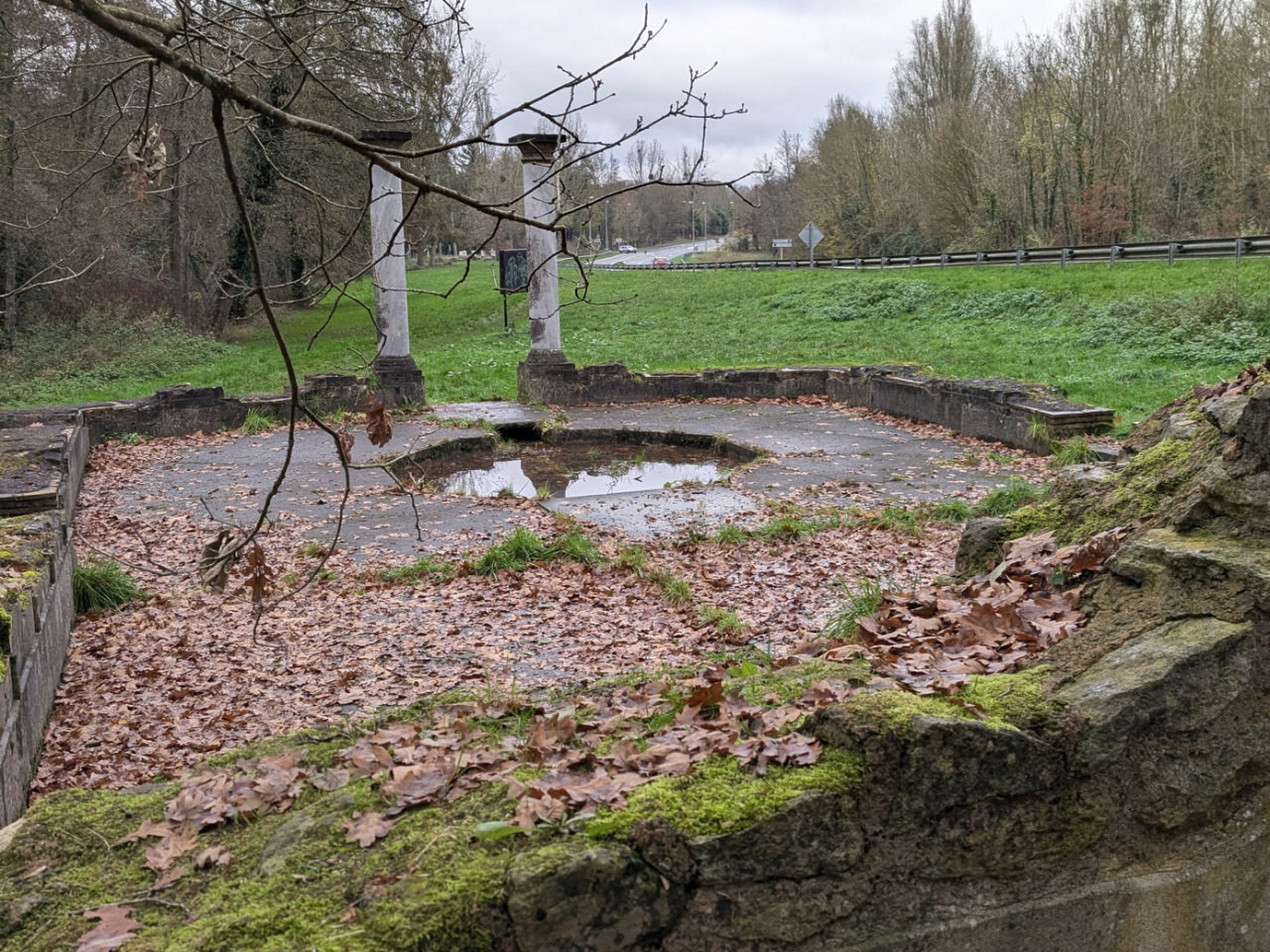
In the second half of the 4th century, a Mithraic temple was established within an earlier spring sanctuary at Septeuil, where the cult of the nymphs and Mithraic practices appear to have coexisted.

Statue of a standing person in eastern attire in red, local limestone with inscription.

An inscription mentioning a speleum decorated by Publilius Ceionius suggests the location of a mithraeum in Cirta, the capital of Numidia.
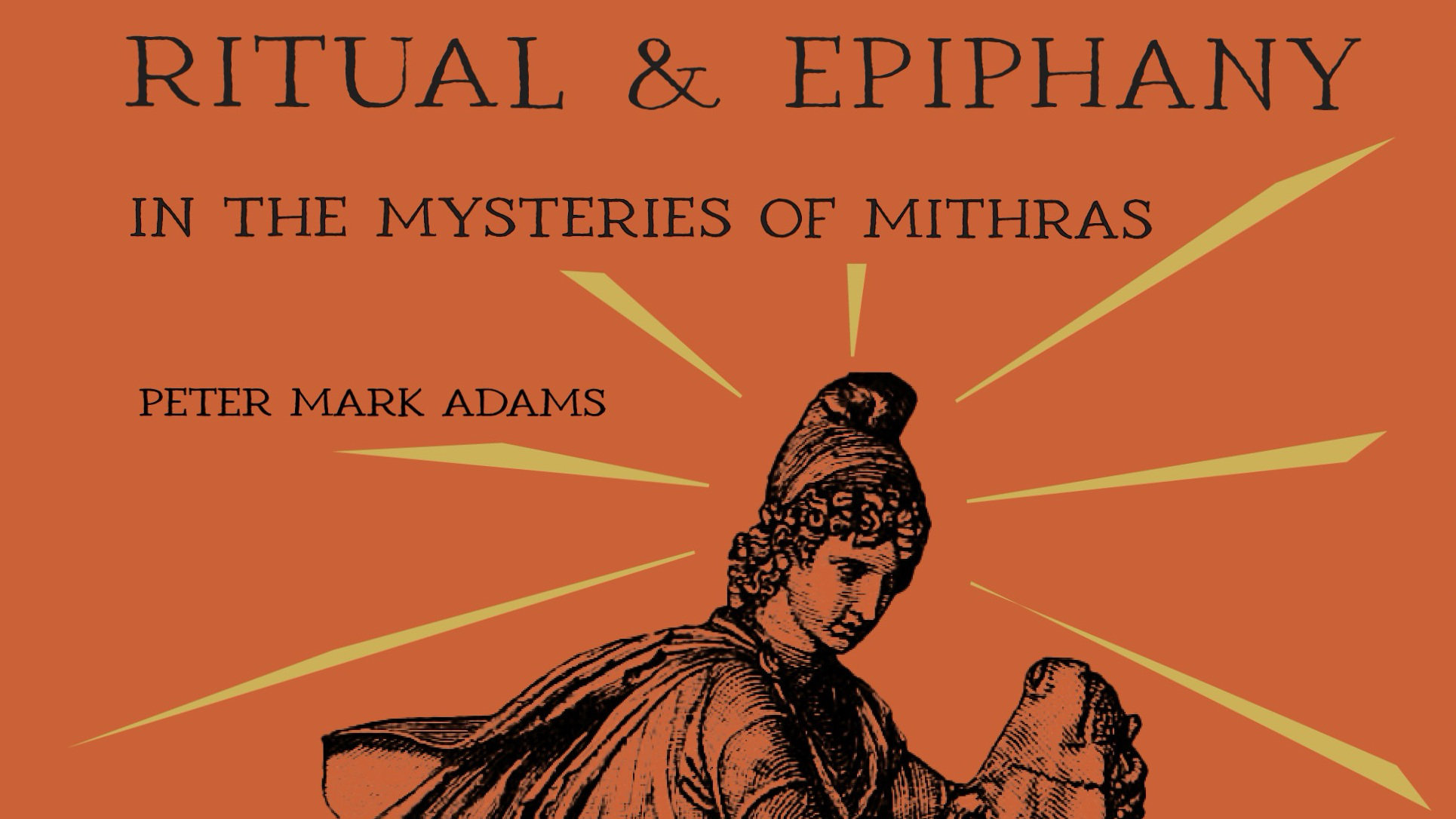
Acclaimed esoteric scholar @peter.mark.adams talks about his latest book, ‘Ritual and Epiphany in the Mysteries of Mithras’, interviewed by professor, writer and host of The New Mithraeum podcast @andreu.abuin.
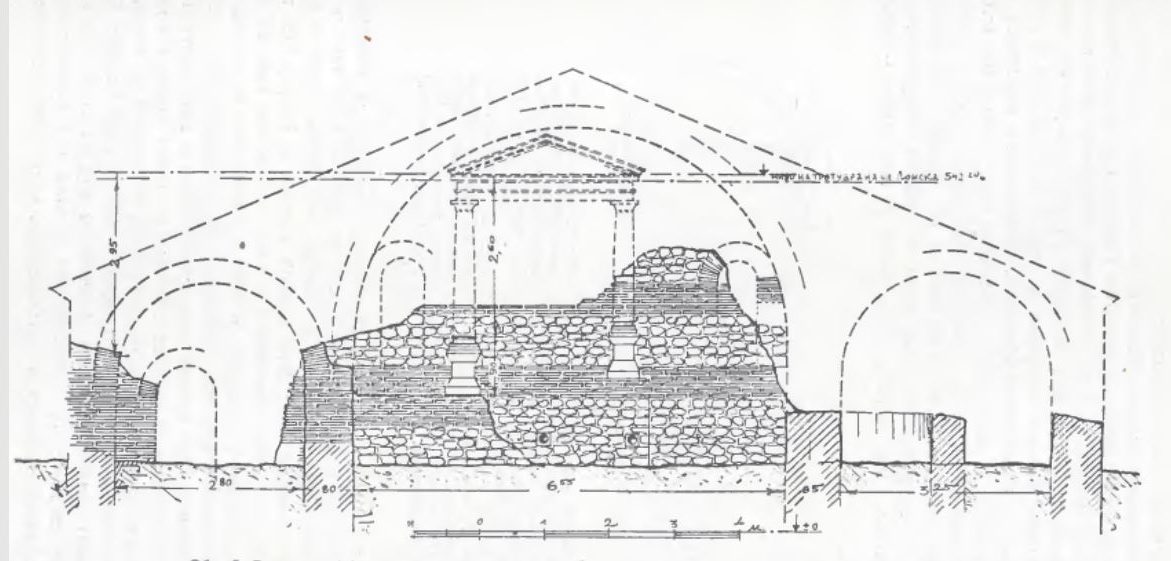
The Mithraeum of Serdica was found in the fortified area of the ancient city of Serdica, now Sofia, Bulgaria.
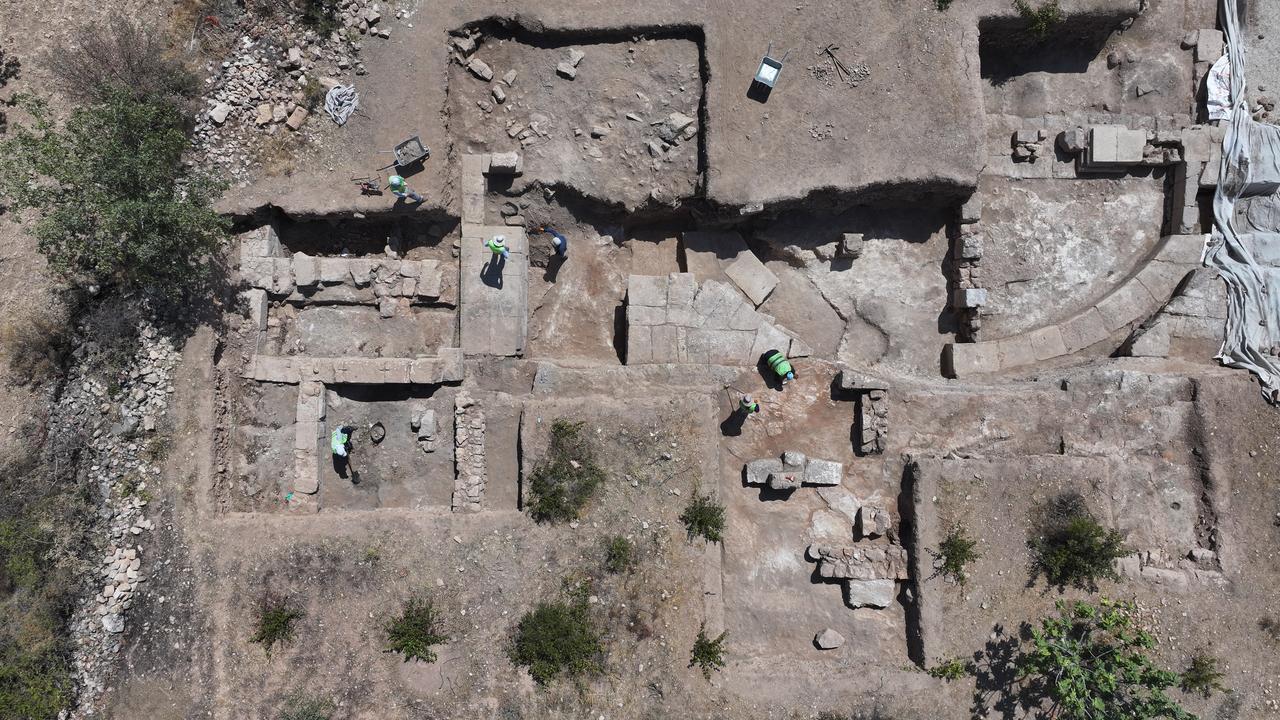
Archaeologists at Doliche are now excavating houses around the vast Mithras temple to learn how people lived beside the sanctuary.

Passage from Plutarch’s Life of Pompey, recounting the rise, power, and insolence of the Cilician pirates before Pompey’s campaign to suppress them.
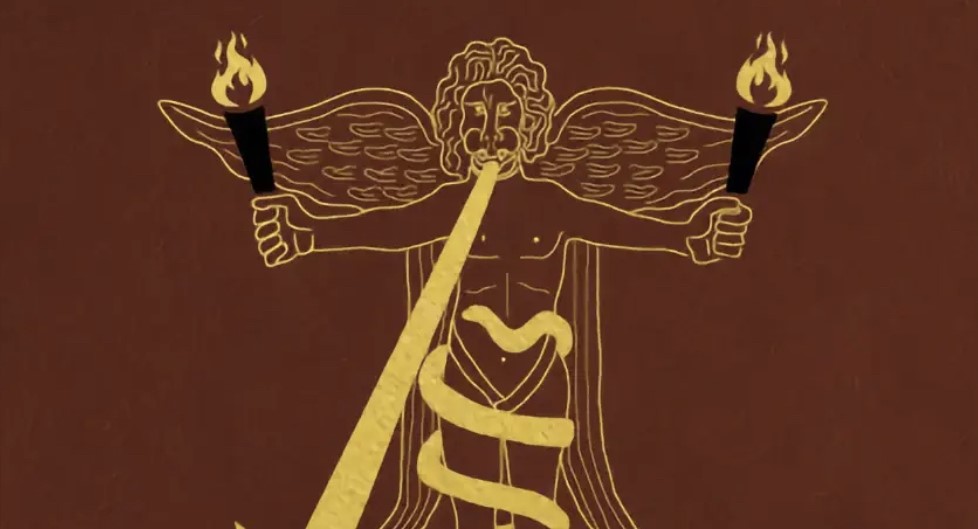
Join us for a special webinar with professor, writer and host of The New Mithraeum podcast @andreu.abuin, interviewing acclaimed esoteric scholar @peter.mark.adams on his ground breaking latest book, Ritual and Epiphany in the Mysteries of Mithras…
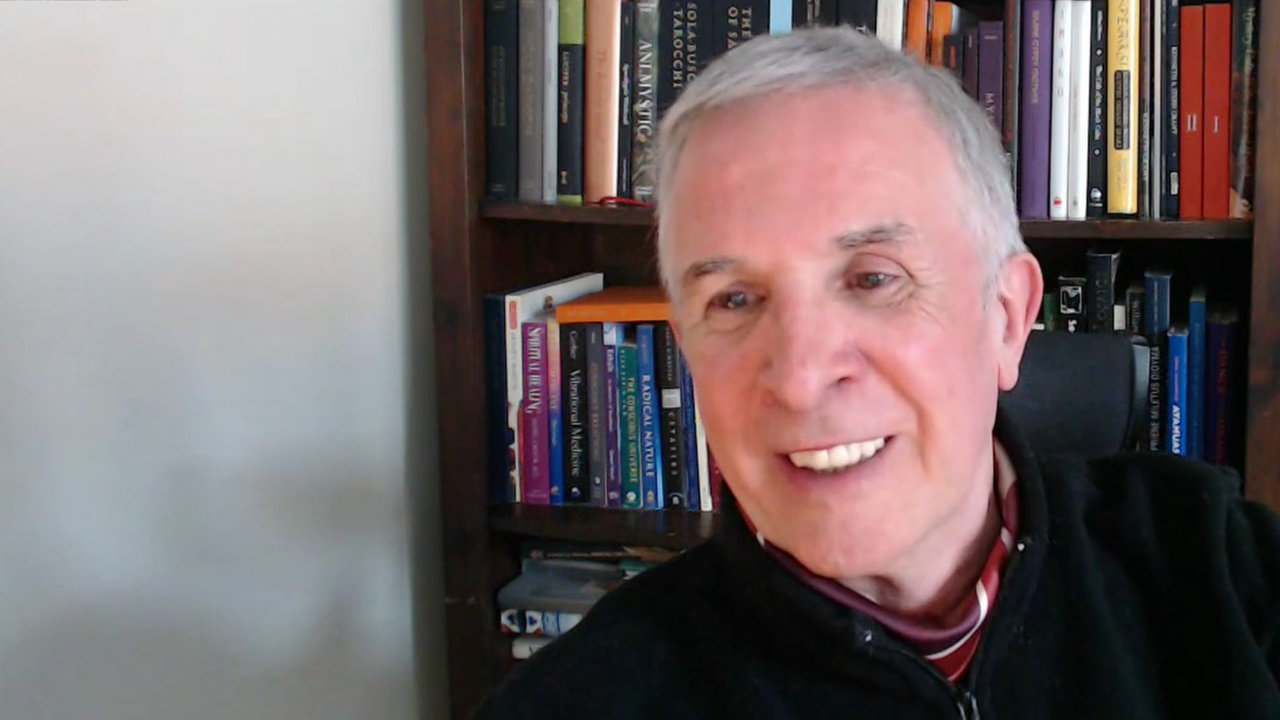
Restoring the Mysteries: A Conversation with Peter Mark Adams on his new book ‘Ritual & Epiphany in the Mysteries of Mithras’.

Two extracts from De abstinentia ab esu animalium by Porphyry on sacrifices and the importance of abstinence from animal food among Persian Magi.

Of Isis and Osiris or Of the Ancient Religion and Philosophy of Egypt, Plutarch, The Moralia.

Dion Chrysostom, c. 100 A.D., a philosophical writer under the emperors Nerva and Trajan, composed a series of discourses or essays (λόγοι) on various subjects, in one of which he reports concerning the doctrines and practices of the magi.

The scholiast Lactantius Placidus comments on Statius’ passage identifying the Sun as Titan, Osiris, and Mithras, interpreting the Persian cave figure with the bull.

Pseudo-Plutarch, De fluviis. Goodwin, Ed. Plutarch. Plutarch’s Morals. Translated from the Greek by several hands. Corrected and revised by. William W. Goodwin, PH. D. Boston. Little, Brown, and Company. Cambridge. Press of John Wilson and son.

Pseudo-Plutarch, De fluviis. Goodwin, Ed. Plutarch. Plutarch’s Morals. Translated from the Greek by several hands. Corrected and revised by. William W. Goodwin, PH. D. Boston. Little, Brown, and Company. Cambridge. Press of John Wilson and son.

Thrasyllus was an Egyptian of Greek descent grammarian, astrologer and a friend of the Roman emperor Tiberius.

