Your search for Lugo gave 18 results.

Today Lugo was the capital of the Capori tribe. It was conquered by Paullus Fabius Maximus and named Lucus Augustus in 13 BC after the positioning of a Roman military camp.
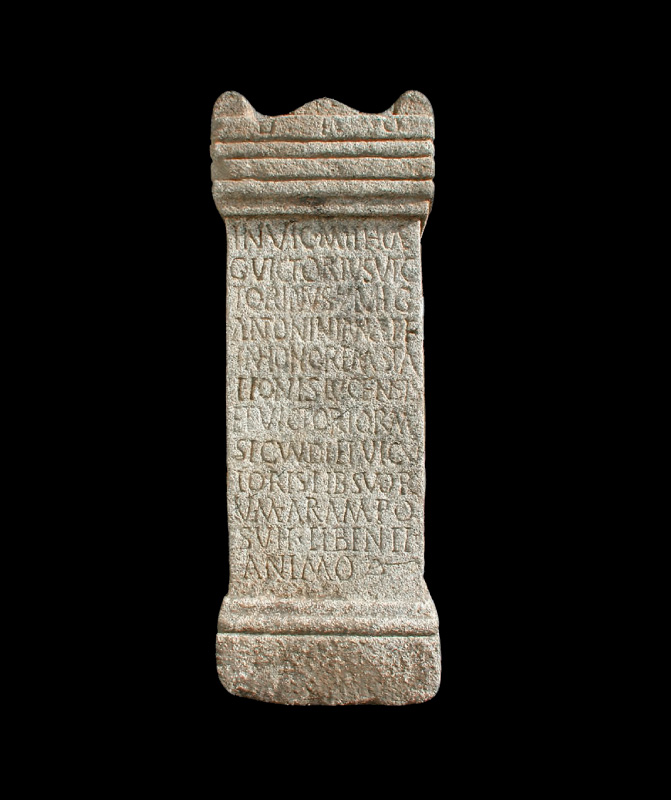
Victorius Victorious, centurion of the Legio VII, erected the altar in honour of the Lugo garrison and of the Victorius Secundus and Victor, his freedmen.

Archaeological evidence for military Mithraism in north-western Roman Hispania.

The exploration of an old pazo, a manor house, near the Roman wall, in Lugo, led to the discovery of a Roman domus, which existed continuously from the beginnings of the Christian Era until the Late Empire.
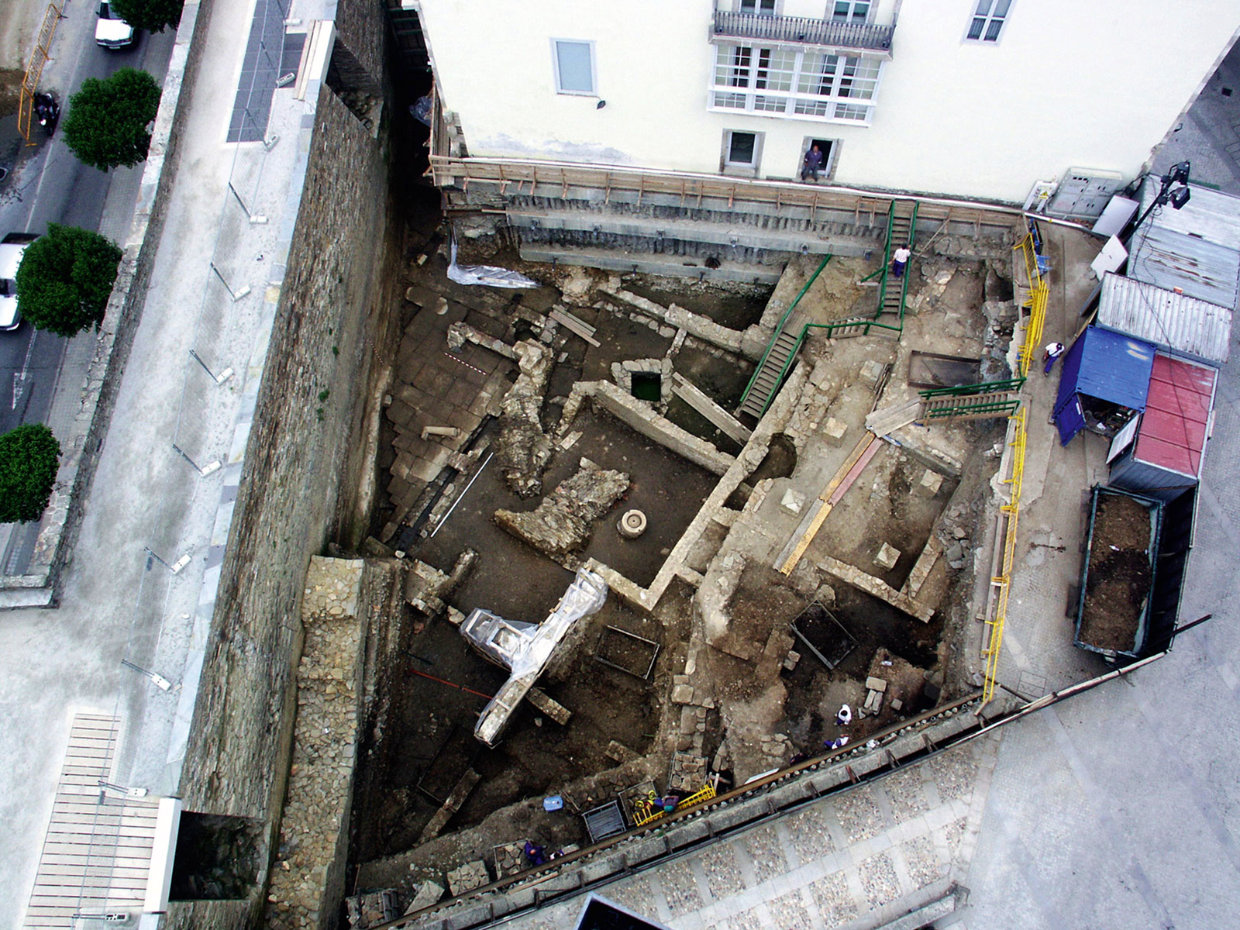
The museum that houses the temple of Mithras has become the most visited Roman space in the city since it opened.

One of the freedmen of Gaius Victorius Victorinus named in the dedication of the Mithraeum of Lugo.

One of the freedmen of Gaius Victorius Victorinus named in the dedication of the Mithraeum of Lugo.
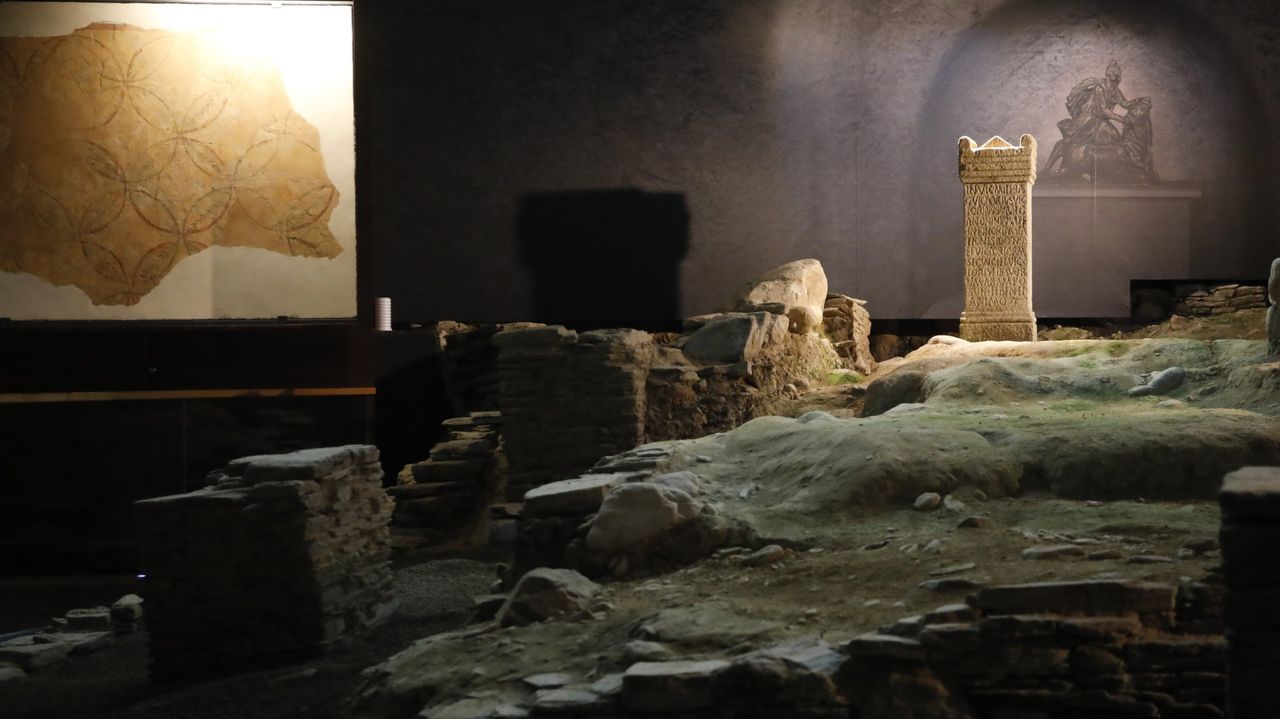
La Domus de Mitreo y el Centro Arqueolóxico de San Roque muestran otra cara del viejo Lugo

White marble trapezium-shaped tauroctony from the Mithraeum at Sarmizegetusa, Dacia, in the Lugoj collection, depicting Mithras killing the bull with dog and serpent; the lower portion of the composition is lost.
White marble tauroctony relief from the Mithraeum at Sarmizegetusa, Dacia, now in the Lugoj collection; the right lower corner is broken off and the scene depicts the standard bull-slaying.
Two fragments of a rectangular white marble relief from the Mithraeum at Sarmizegetusa, Dacia, in the Lugoj collection, depicting Mithras killing the bull with the raven on the flying cloak.
Fragment of a white marble tauroctony from the Mithraeum at Sarmizegetusa, Dacia, in the Lugoj collection; the figures of Mithras and the torchbearers are only partially visible on the weathered surface.
