Your search Marie-Laure Freyburger gave 76 results.
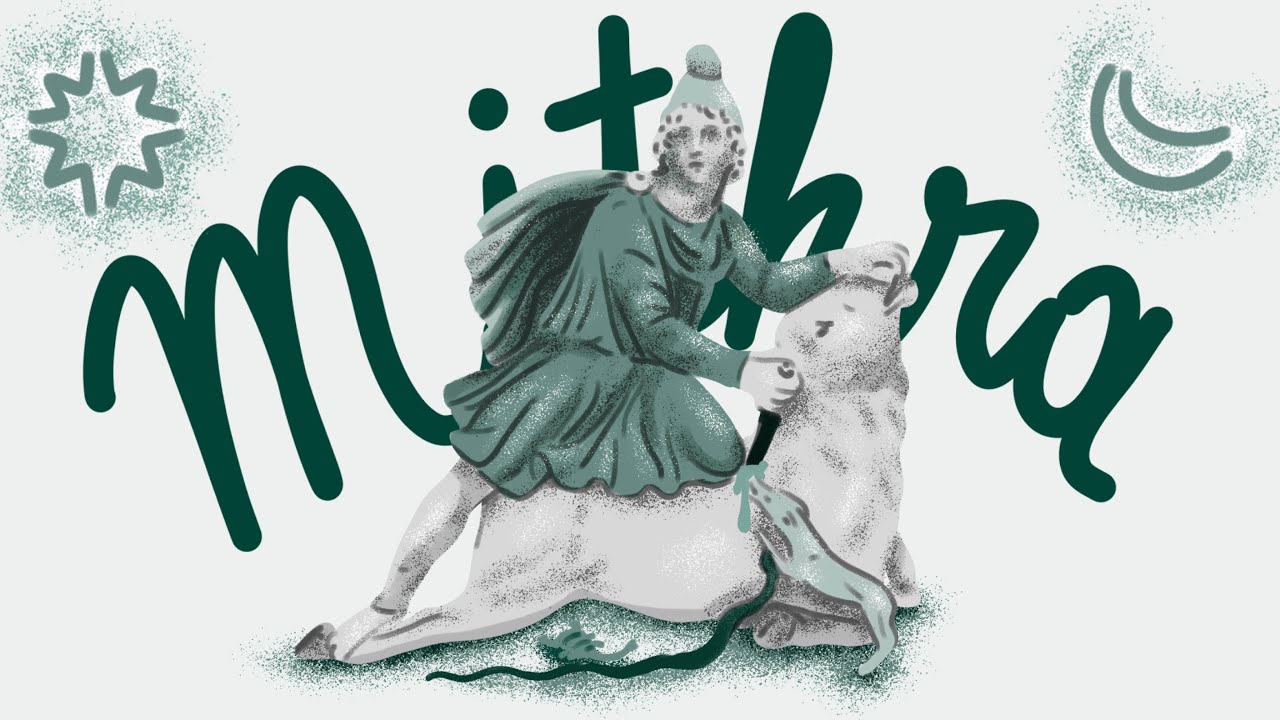
Le culte romain de Mithra. Entre réalités antiques et fantasmes contemporains ! Par Richard Veymiers, directeur du Domaine et Musée royal de Mariemont.
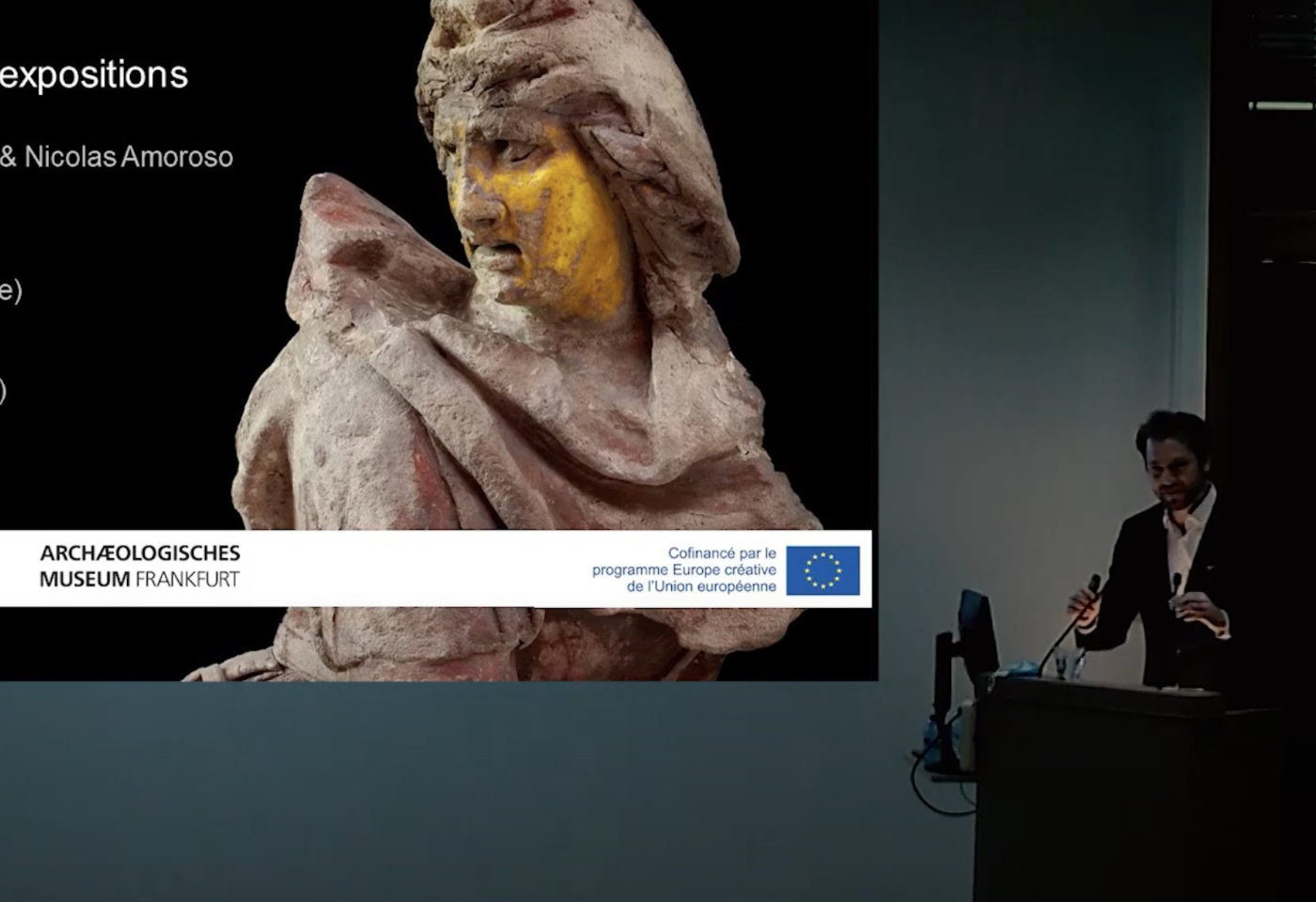
Journée scientifique du 17 décembre 2021 au Musée royal de Mariemont, dans le cadre de l’exposition 'Le Mystère Mithra. Plongée au cœur d’un culte romain'.
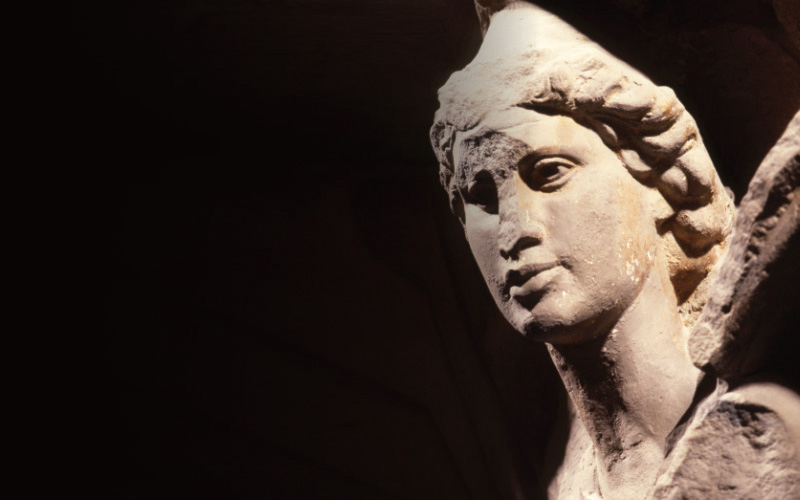
On the occasion of the exhibition, the Royal Museum of Mariemont invites five experts from Europe to emulate the research on the cult of Mithras.

Governor of Numidia and prolific dedicator of monuments to Sol Mithras, Sol Invictus and other deities in late Roman North Africa.
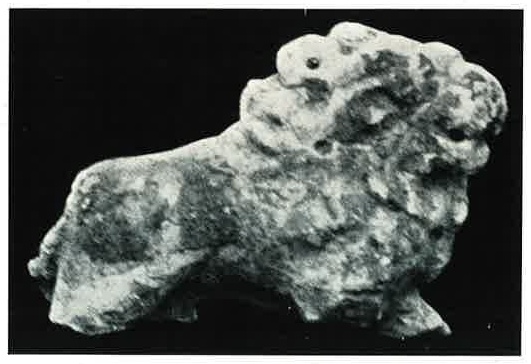
Fragments of a yellowish marble open-work tauroctony from the Mithraeum at Sarmizegetusa, Dacia.
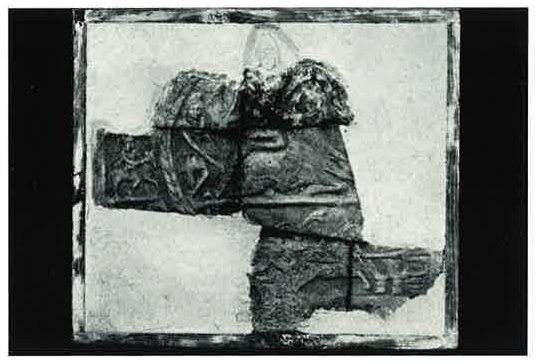
Seven fragments of a white marble tauroctony relief from the Mithraeum at Sarmizegetusa, Dacia, depicting the central bull-slaying with a rich programme of subsidiary Mithraic scenes.

Limestone tauroctony relief from the Mithraeum at Sárkeszi, Pannonia Inferior, depicting Mithras killing the bull with a broad belt, dog, serpent, raven, and torchbearers; the grotto is indicated by rough soil.

Altar from Brigetio, Pannonia Superior, dedicated to the Transitus — the Mithraic transit ritual — paralleled at Carnuntum and Poetovio.
Limestone altar from Brigetio, Pannonia Superior, dedicated to Invicto deo Mithrae by Masuininius Amicus, Augustalis of the Municipium Brigetionis Antoniniani.
Base probably found during the discovery of the Dolichenum at Brigetio in 1899, Pannonia Superior; possibly belonging to the adjacent Mithraeum given its proximity.
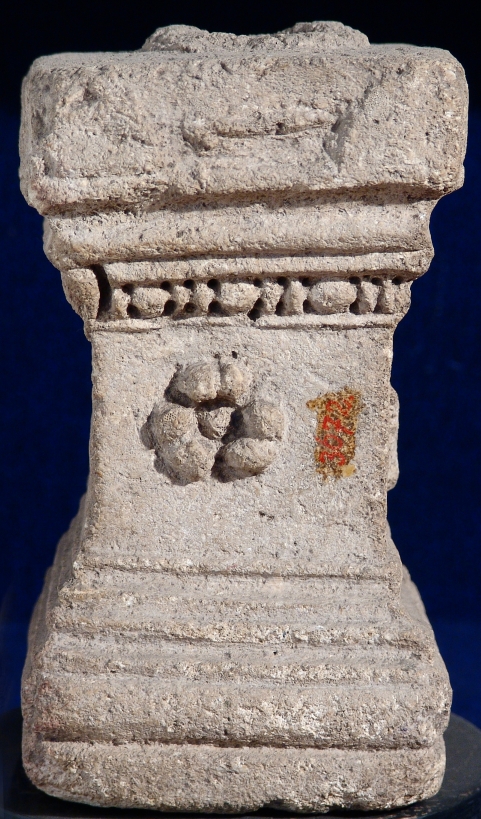
This limestone altar from Roman Dacia preserves a dedication to Mithras by a commander of the Ala II Pannoniorum.
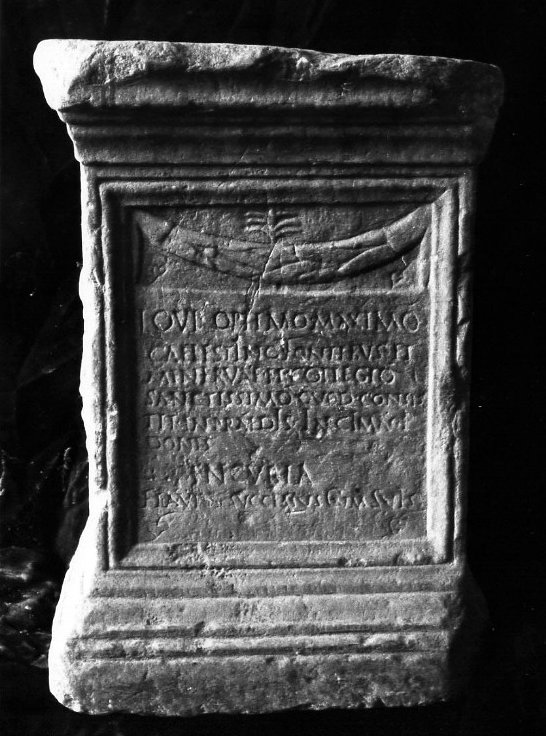
According to the inscription on it, this altar probably supported a statue of Jupiter.

This marble altar was found ’in the street called di Branco’, behind the palace of the Cardinal of Bologna, in Rome.
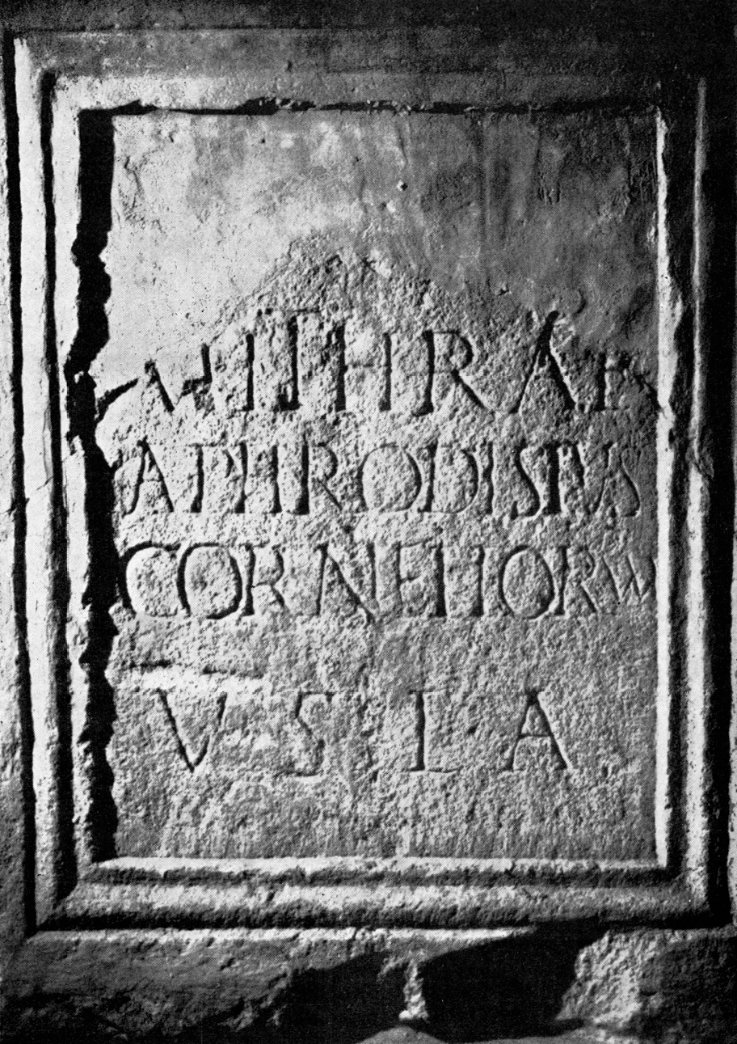
This inscription by a certain Aphrodisius was found under the old city hall of Algiers.
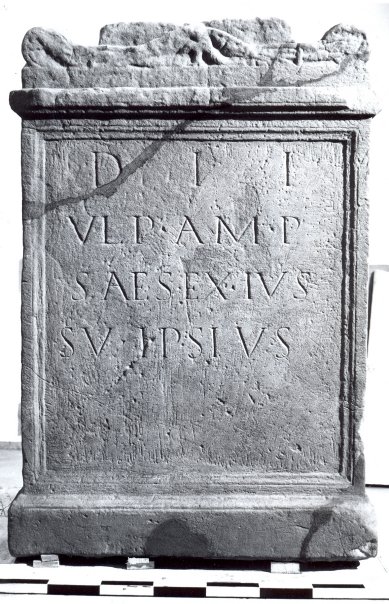
This altar found at ancient Burginatum is the northernmost in situ Mithraic find on the continent.

Roger Beck describes Mithraism from the point of view of the initiate engaging with the religion and its rich symbolic system in thought, word, ritual action, and cult life.
In his first book, Fahim Ennouhi sheds light on the cult of Mithras in Roman Africa. A marginal and elitist phenomenon, confined to restricted circles and largely absent from local religious dynamics, yet revealing.

Firmidius Severinus was a soldier who served in the Legio VIII Augusta for 26 years.


