Your search Martin Luther King gave 158 results.

During the first semester of his sophomore year at Crozer, King composed a paper for Enslin’s course on Greek religion, focusing on Mithraism.

The locality of Recking is associated with the Upper Rhine frontier region.

Peter Kingsley interpreta el poema de Parménides a la luz de inscripciones del sur de Italia y lo sitúa en un trasfondo religioso ligado a los ritos de incubación y a los sacerdotes de Apolo.

Altar found at Recking near Heilbronn in 1615, dedicated to Soli invicto Mithrae by Publius Nasellius Proclianus, centurion of Legio VIII Augusta, who is also attested as dedicant of altars to Apollo Pythius and Fortuna.
Miscellaneous objects from the Rückingen Mithraeum including stone balls, cult-vase fragments, lamps, and two candlesticks
Group of sandstone relief fragments from Rückingen depicting multiple deities including a male head identified as Hercules
Two sandstone relief fragments from Rückingen, each preserving a woman's head looking to the left
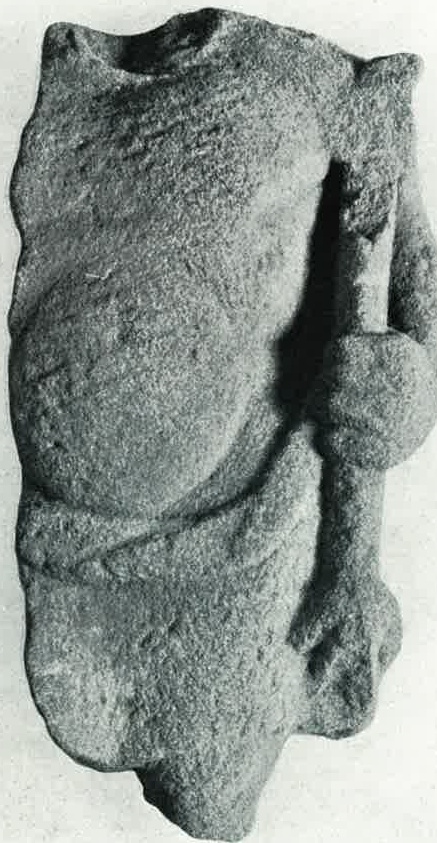
Sandstone relief fragment from Rückingen showing the upper part of an undressed male figure in a niche, head and left arm lost
Sandstone relief fragment from Rückingen with an indistinct standing figure, probably a woman, in an arched niche
Lower part of a sandstone relief fragment from Rückingen preserving only the lower body of a walking figure, legs lost
Small sandstone relief fragment from Rückingen preserving only the upper part of a head wearing a Phrygian cap
Fragmentary Latin inscription from Rückingen recording a dedication to a goddess whose name is only partially preserved
Sandstone Mithras relief discovered in 1950 near Rückingen, proving the existence of a Mithraeum there from the late second to early third century AD
Fragmentary sandstone relief from Rückingen showing a male figure walking right and holding a kantharos. Traces on the chest may indicate a torques or shoulder-cape.


