Your search Monteu da Po gave 2105 results.
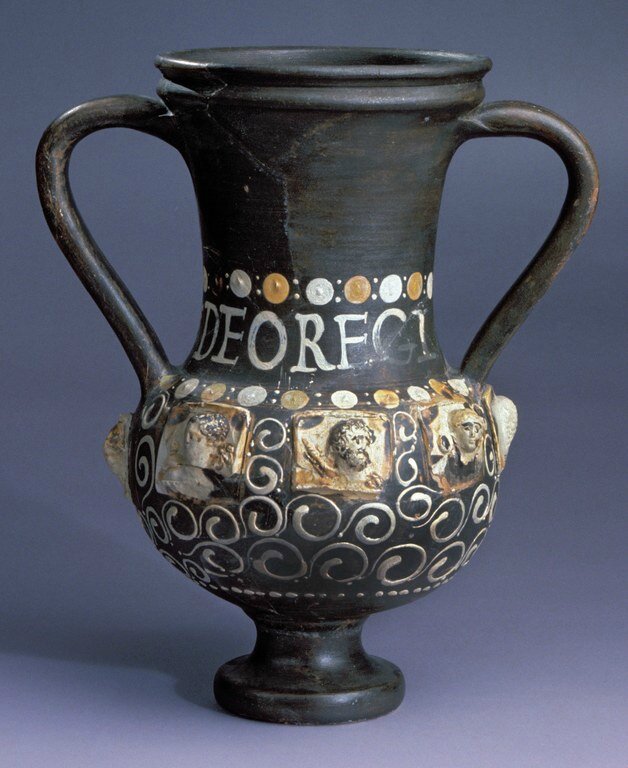
The vase bears an inscription to the god but also 'king' Mithras.
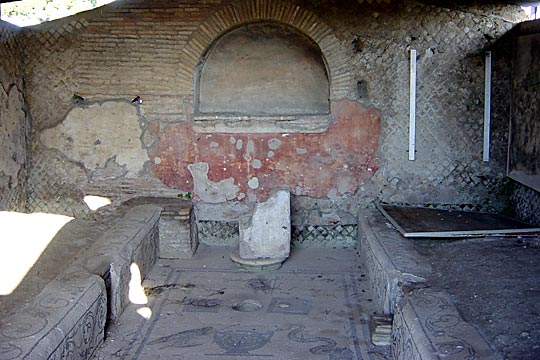
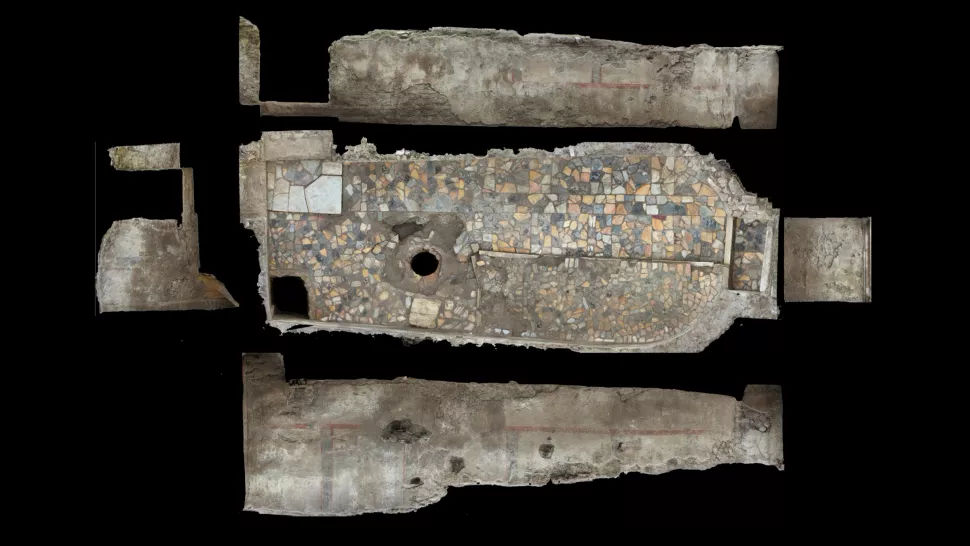
The name of the Mithraeum of the Seven Gates refers to the doors depicted in the mosaic that decorates the floor, symbolising the seven planets through which the souls of the initiates have to pass.

At about a mile's distance from the village of Mit-Rahine near Memphis a Mithraeum has been discovered, which itself has not yet been described.
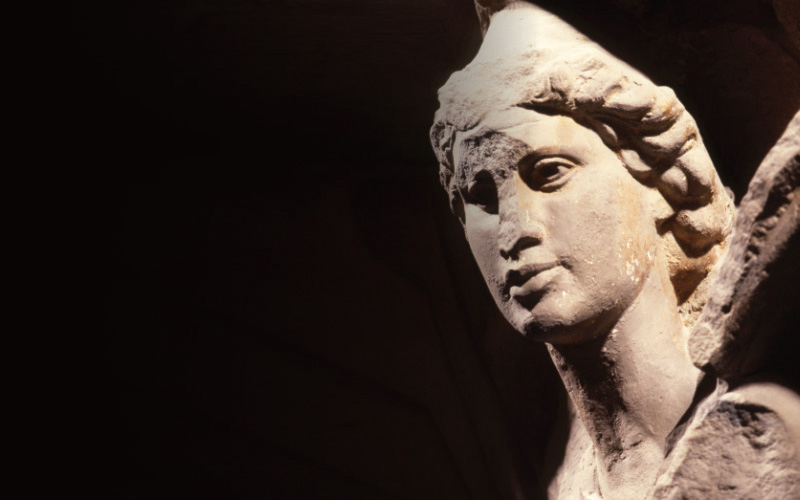
On the occasion of the exhibition, the Royal Museum of Mariemont invites five experts from Europe to emulate the research on the cult of Mithras.
The Temple of Mithras, inside an ancient military settlement, is situated on the eastern border of the Roman Empire.
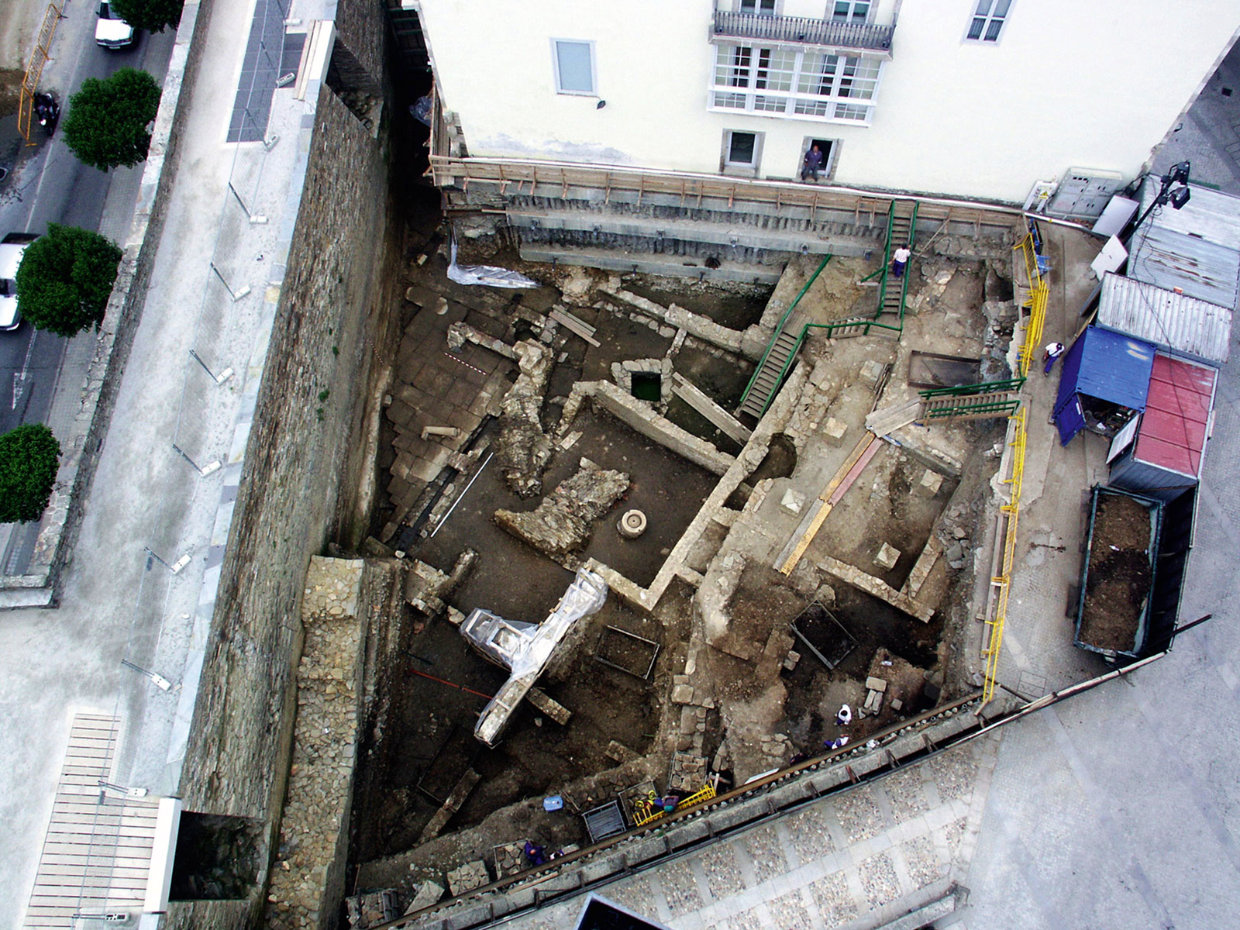
The museum that houses the temple of Mithras has become the most visited Roman space in the city since it opened.
The ancient Roman worshippers were likely in altered states of consciousness.
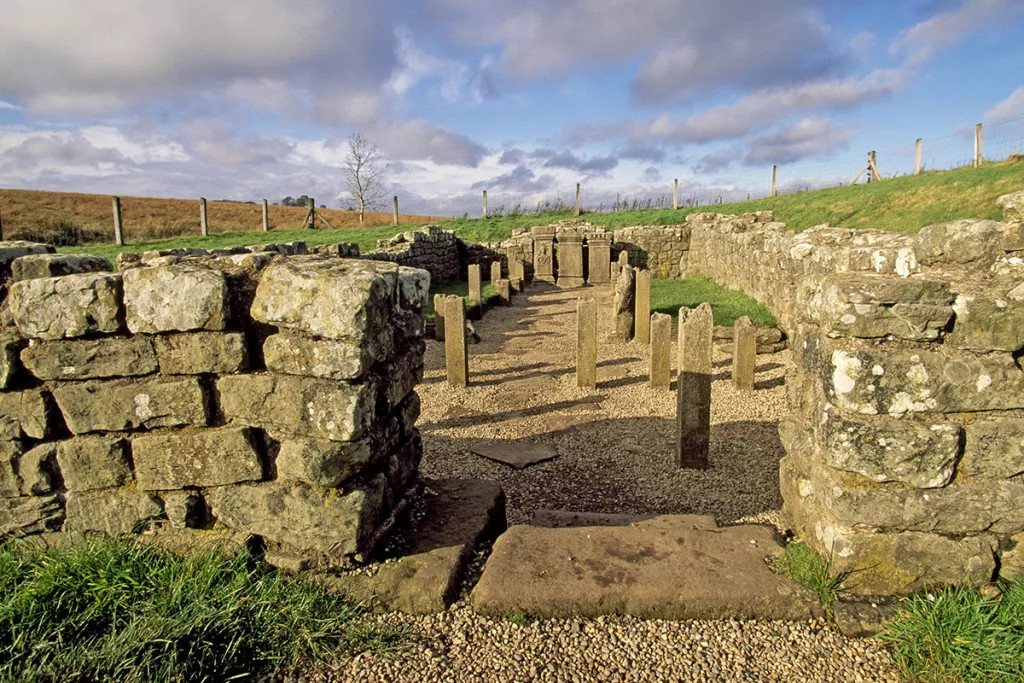
The temple of Mithras disclosed three main stages of development, the second exhibiting two reconstructions.

Son of the Palmyrene archer commander Iarhiboles and dedicator of the 170–171 CE tauroctony relief from Dura-Europos.

One of the few Mithraists whose progression from Nymphus to Miles and eventually to Pater may be traced epigraphically at Dura Europos.
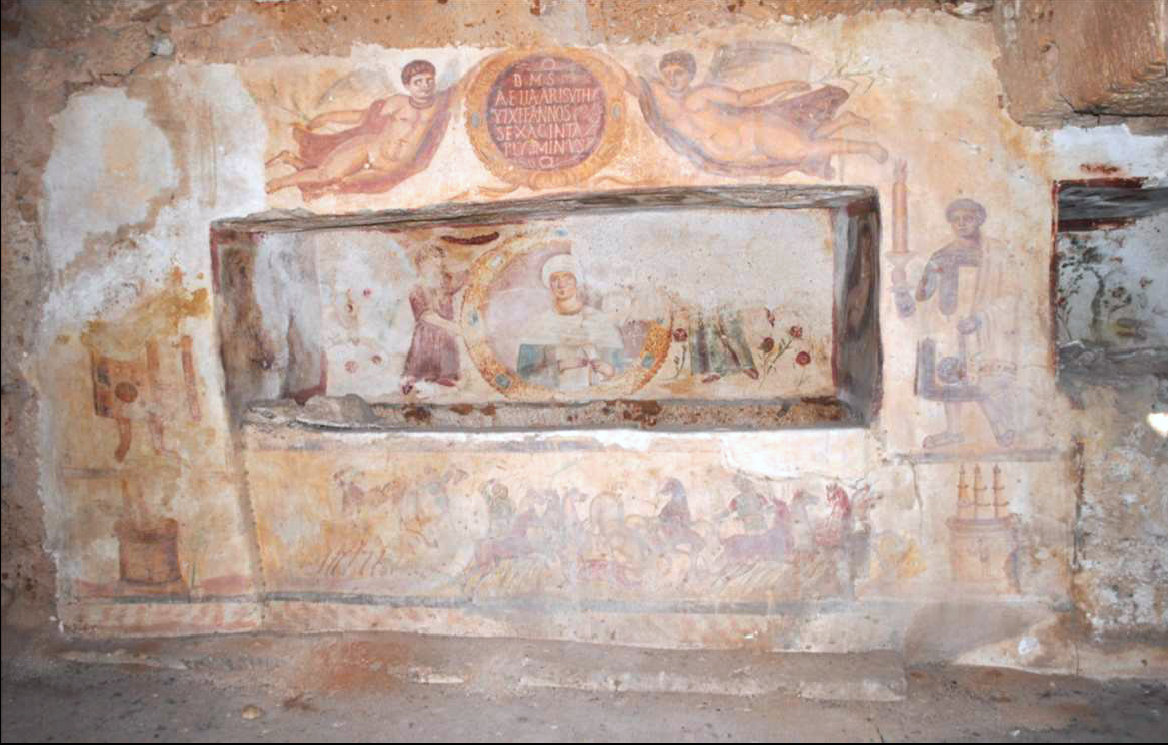
The Mithraic nature of the frescoes of Oea, according to the scholars Cumont and Vermaseren, is now questioned.
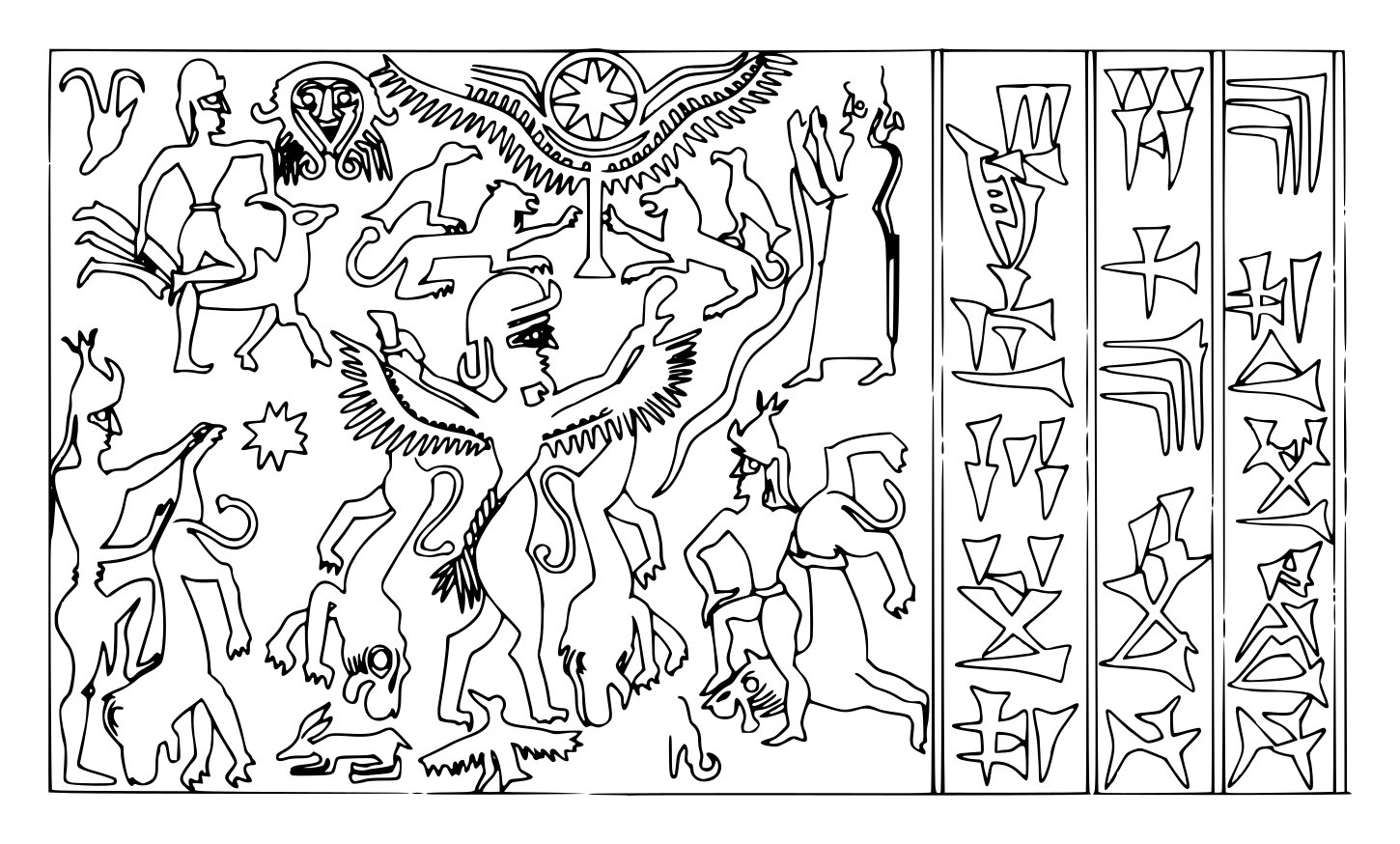
Royal Mitannian seal featuring a winged solar emblem and heroic combat scenes from the cultural milieu in which the earliest attestation of Mitra is found.
A comprehensive and critically updated catalogue of Mithraic sites, monuments and artefacts across the Roman world, incorporating both accepted and disputed evidence while reassessing decades of scholarship in light of recent research.

Altar of Varia Severa from Mediolanum, modern Milan, one of the few women associated with a possible Mithraic dedication.

Mithraic devotee known from Dacia and tentatively associated with inscriptions from Rome and Poetovio.
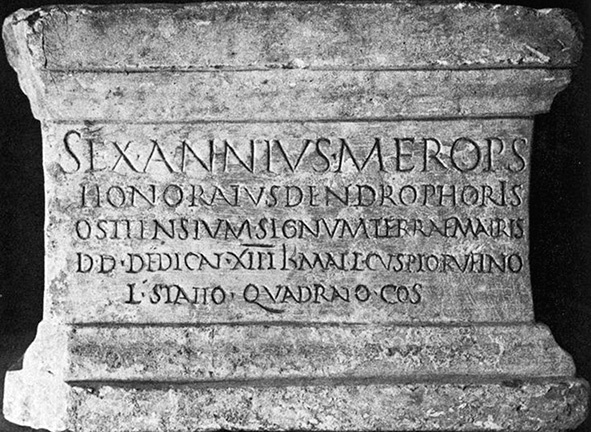
Small marble base dedicated by Sex. Annius Merops, honoured Dendrophoros, to the image of Terrae Matris, from the Mitreo degli Animali at Ostia, dated to 142 A.D.
Marble altar found near the entrance of the Mitreo delle Sette Porte at Ostia, dedicated by Sextus Fusinius Felix.
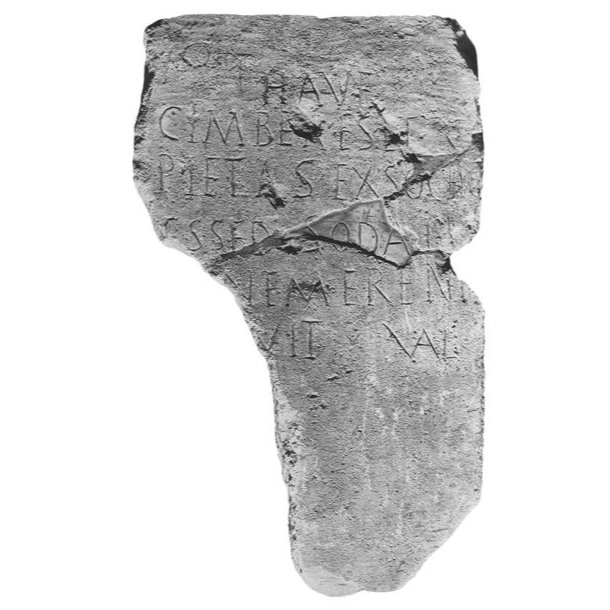
This monument with an inscription by two individuals was found in the first mithraeum of Cologne, Germany.
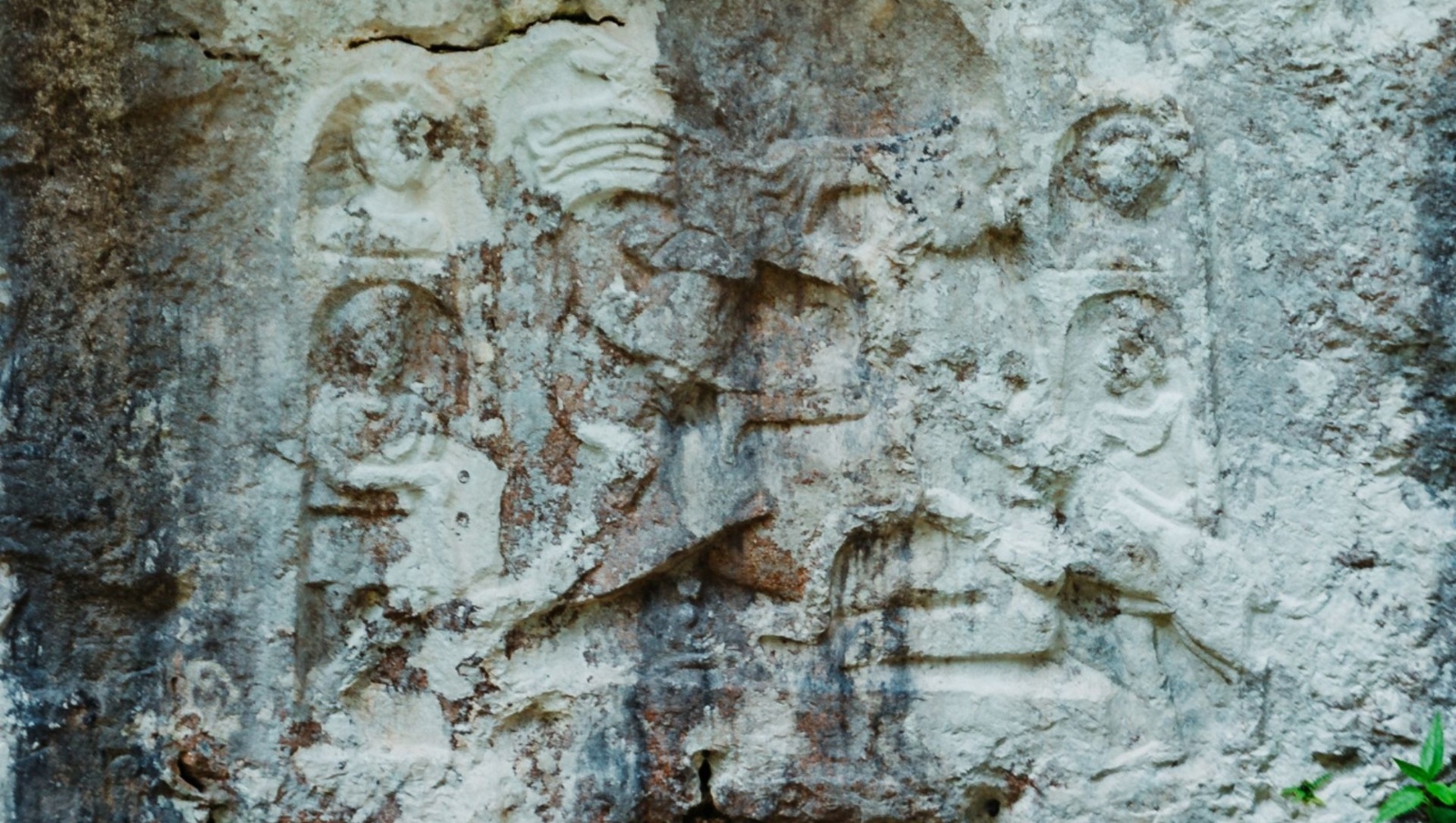
Carved directly into the rock of the Rožanec sanctuary, this tauroctony relief preserves an unusually complete composition.

A white marble tauroctony relief of unknown provenance, now preserved in the Lapidary Museum of Verona, depicting the standard Mithraic bull-slaying scene.
