Your search Monteu da Po gave 2105 results.

Colonia Ulpia Traiana Augusta Dacica Sarmizegetusa was the capital and the largest city of Roman Dacia, later named Ulpia Traiana Sarmizegetusa after the former Dacian capital, located some 40 km away. The city was destroyed by the Goths.

Limestone relief from Ragasch near Philippopolis, Thracia, cited in MMM without further details.
Scene from a bull-slaying relief preserving the dagger of Mithras, the dog and the raised torch of Cautes.
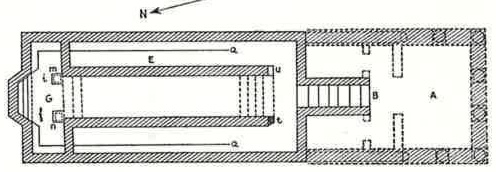
Second Mithraic sanctuary discovered in 1826 some 150 metres west of Mithraeum I at Heddernheim, ancient Nida, with finds in the Wiesbaden museum.
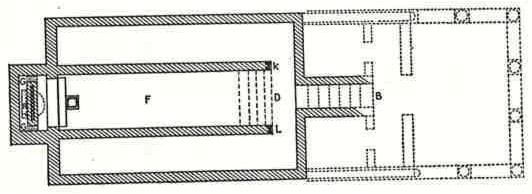
First Mithraic sanctuary discovered at Heddernheim (ancient Nida) in 1826, with finds preserved in the Städtisches Museum at Wiesbaden.
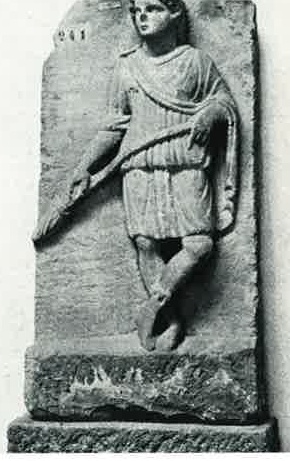
Relief in red sandstone originally standing on a base in Mithraeum I at Heddernheim, ancient Nida, featuring the bull-slaying scene.
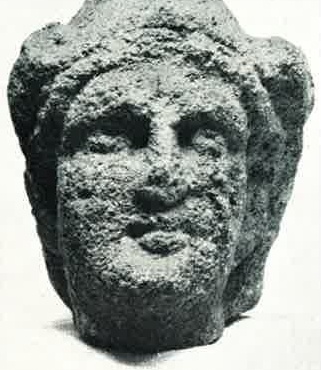
Sandstone fragment from Mithraeum I at Heddernheim, ancient Nida, probably the damaged head of a torchbearer, often misidentified as Mercury.

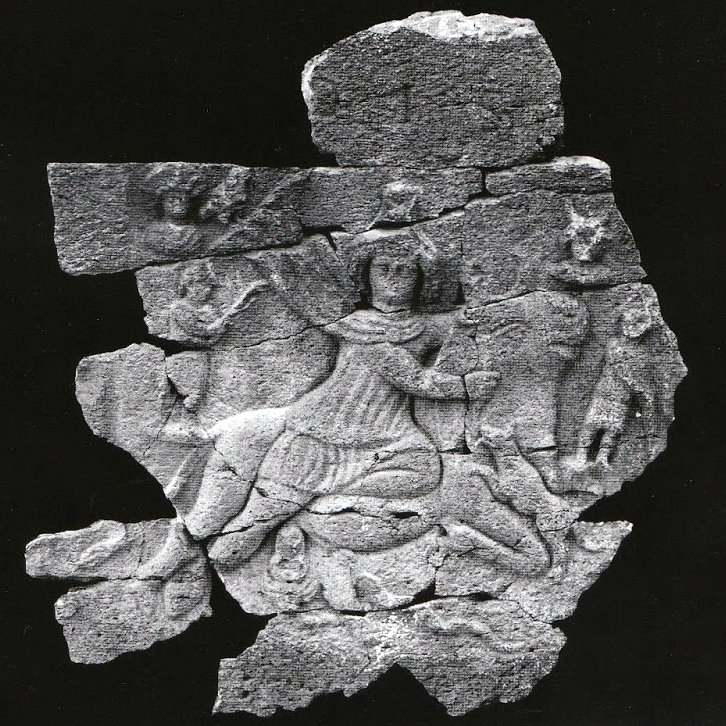
The second tauroctony of Jabal al-Druze seems to have be made by the same sculptor.
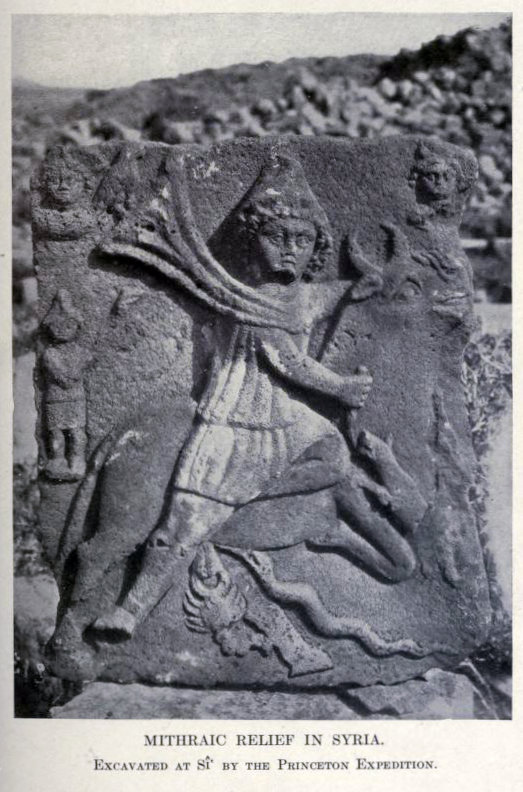
In the tauroctony of Jabal al-Druze in Syria, the snake appears to be licking the head of the bull's penis.
Sassanian-period frescoes discovered at Susa whose possible Mithraic interpretation remains uncertain.
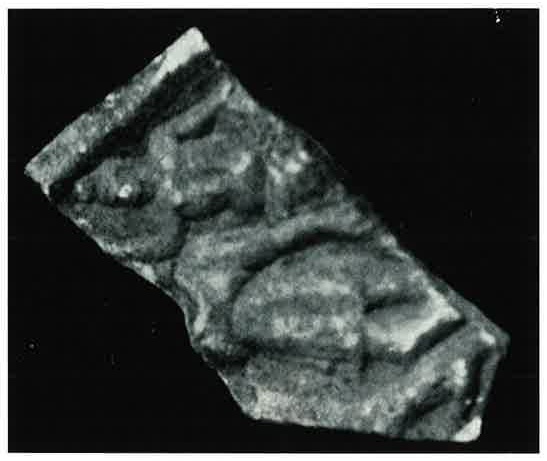
Tauroctony relief fragment with torchbearer and scene of Mithras’ rockbirth from Romula, Romania.
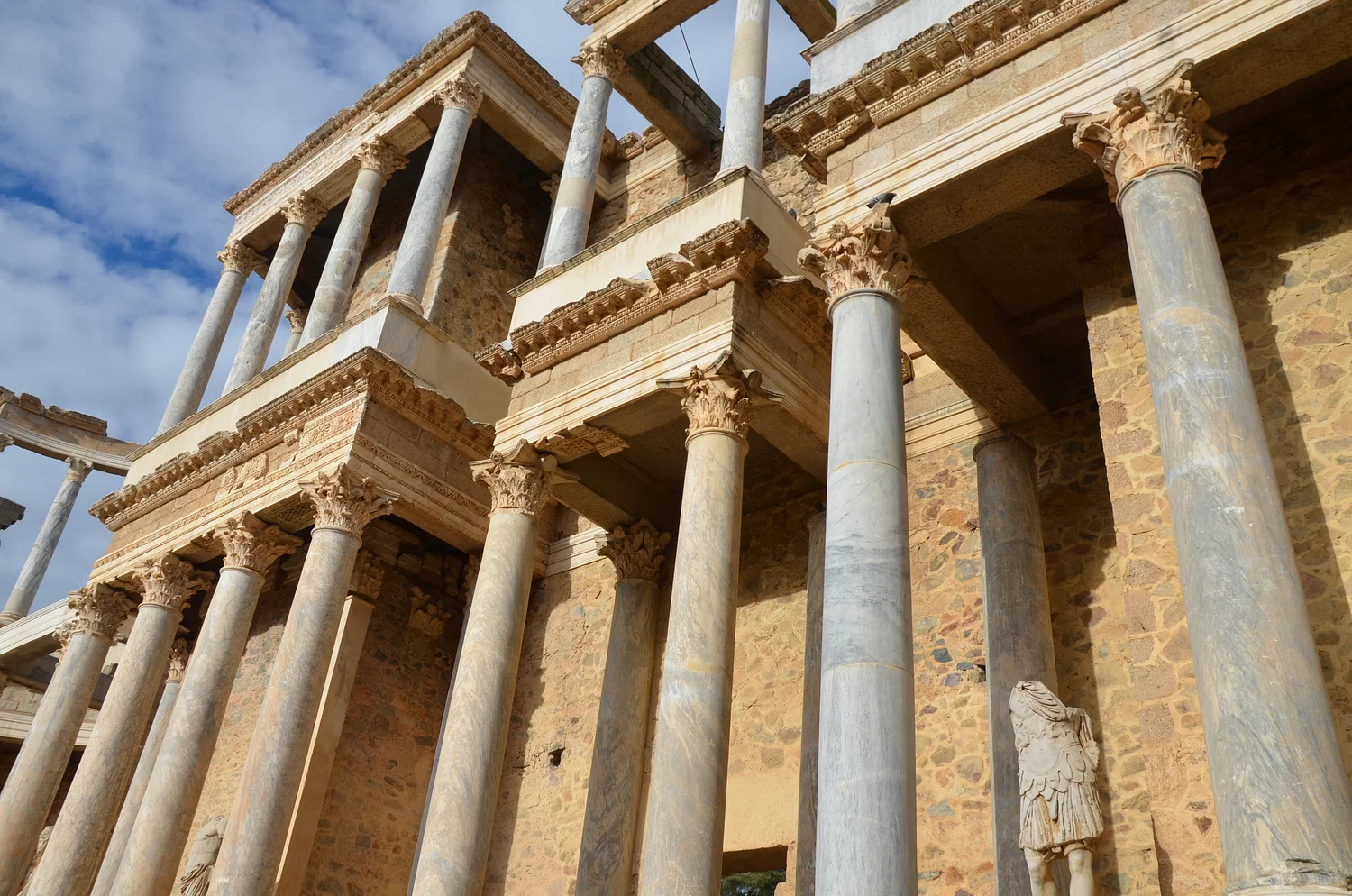
Roman Hispania preserves a relatively modest but strongly urban body of Mithraic evidence, centred above all on Mérida.
Anazarbus was an ancient Cilician city. Under the late Roman Empire, it was the capital of Cilicia Secunda.
Regensburg is a city in eastern Bavaria, at the confluence of the rivers Danube, Naab and Regen, Danube's northernmost point.
Storgosia was a Roman road station and later a fortress, located in the modern Kaylaka Park in the vicinity of modern Pleven (North-central Bulgaria). Pleven is today the seventh most populous city in Bulgaria.
Oescus, Palatiolon or Palatiolum was an important ancient city on the Danube river in Roman Moesia.
Today Lugo was the capital of the Capori tribe. It was conquered by Paullus Fabius Maximus and named Lucus Augustus in 13 BC after the positioning of a Roman military camp.
The Romans took Arelate from the Ligurians in 123 BC and made it an important city by building a canal towards the Mediterranean. Present-day Arles has preserved many Roman buildings.
Apulum, now within Alba Iulia, was a Roman settlement first mentioned by the mathematician, astrologer and geographer Ptolemy. Its name comes from the Dacian Apoulon.
