This site uses cookies to offer you a better browsing experience.
Find out more on how we use cookies in our privacy policy.


Log in to access the full database of The New Mithraeum.

Quaere

The New Mithraeum Database

Find news, articles, monuments, persons, books and videos related to the Cult of Mithras.

Your search gave 102 results.

  • Locus

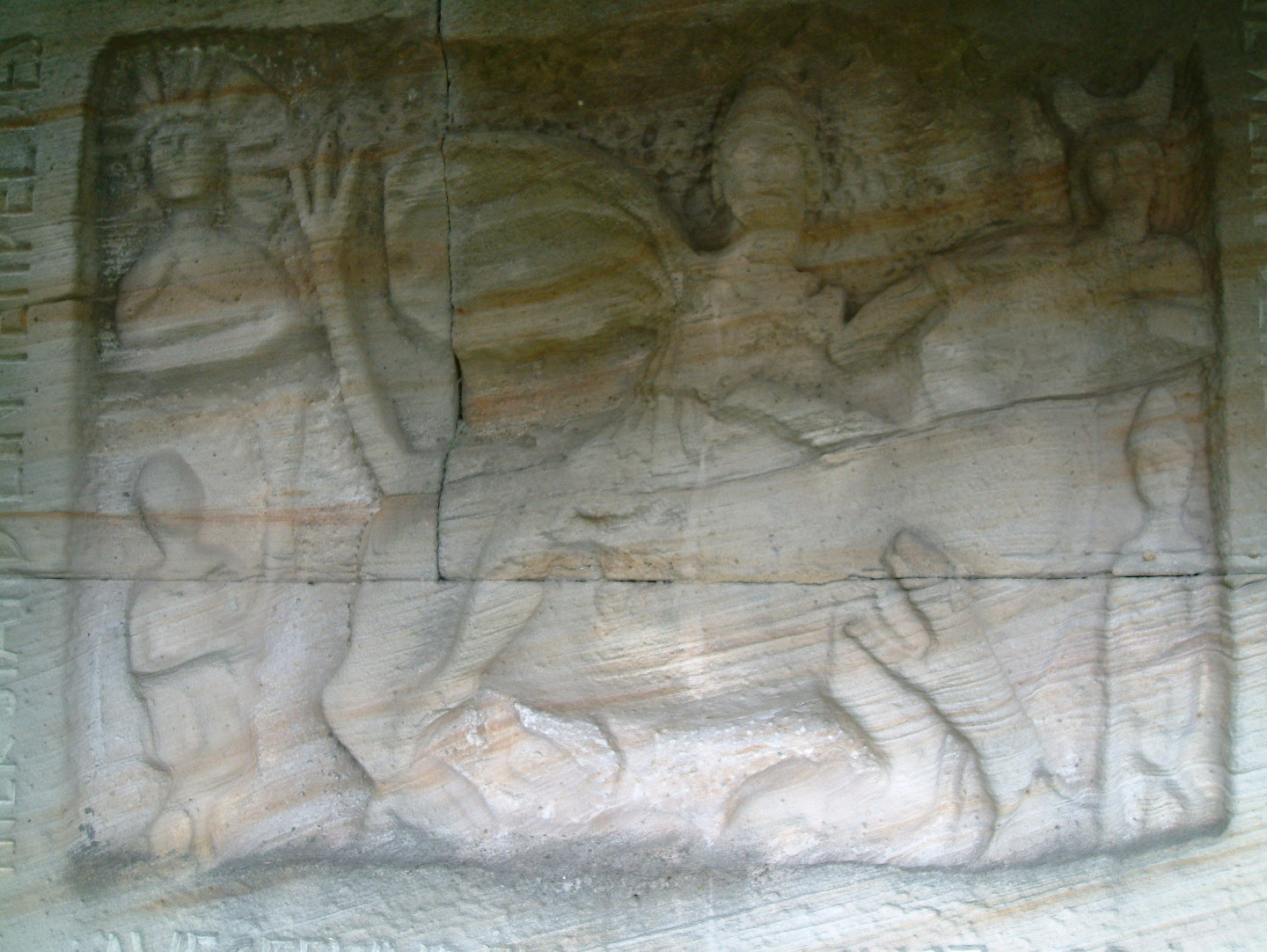
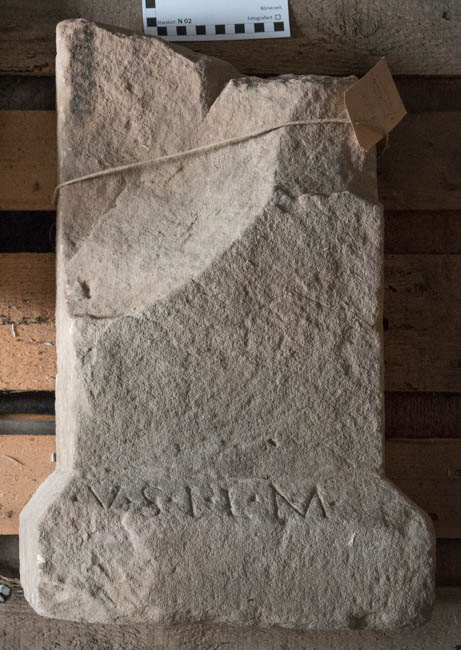
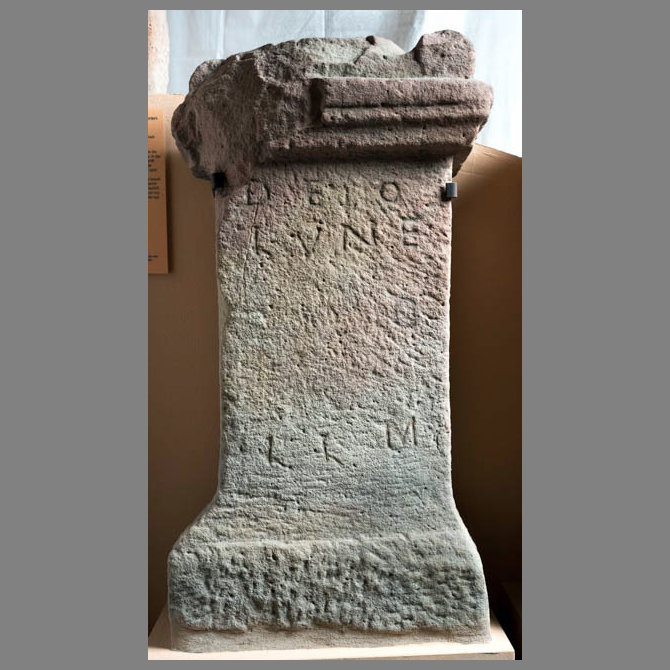
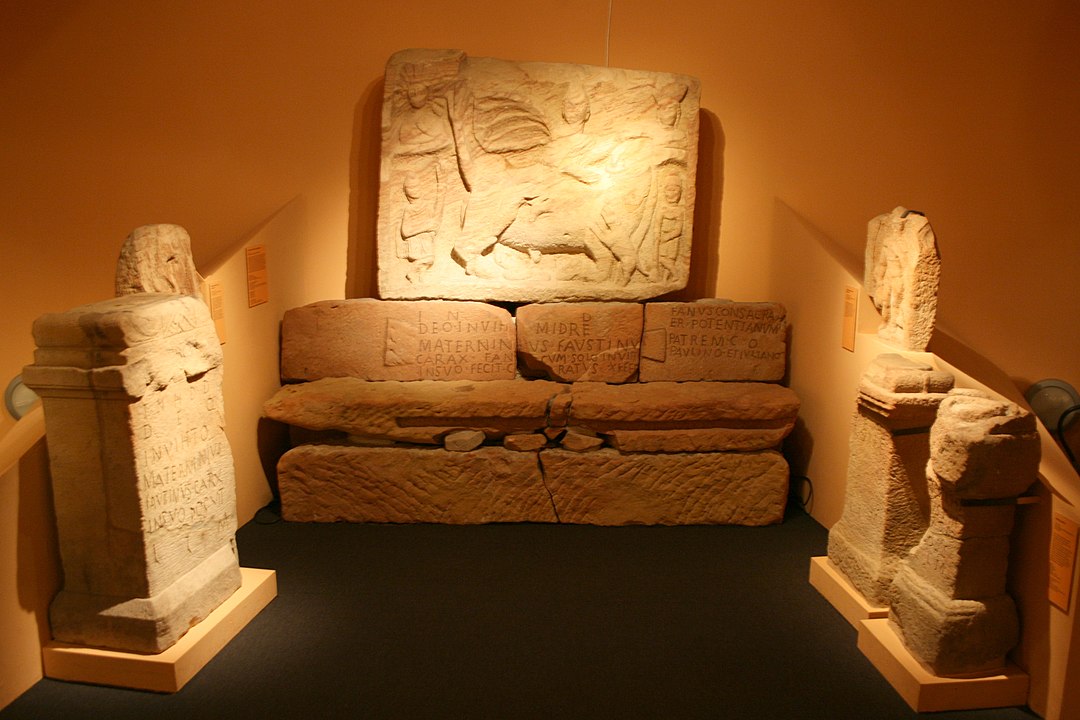
    Gimmeldingen

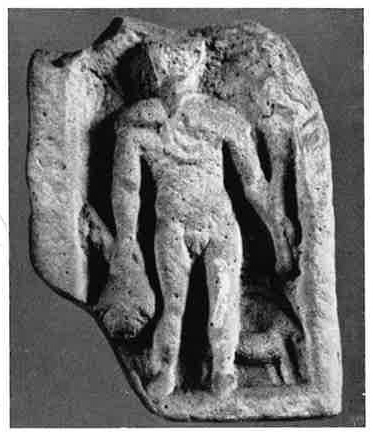
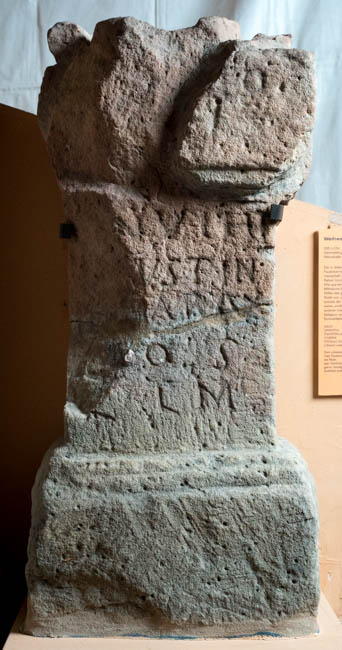
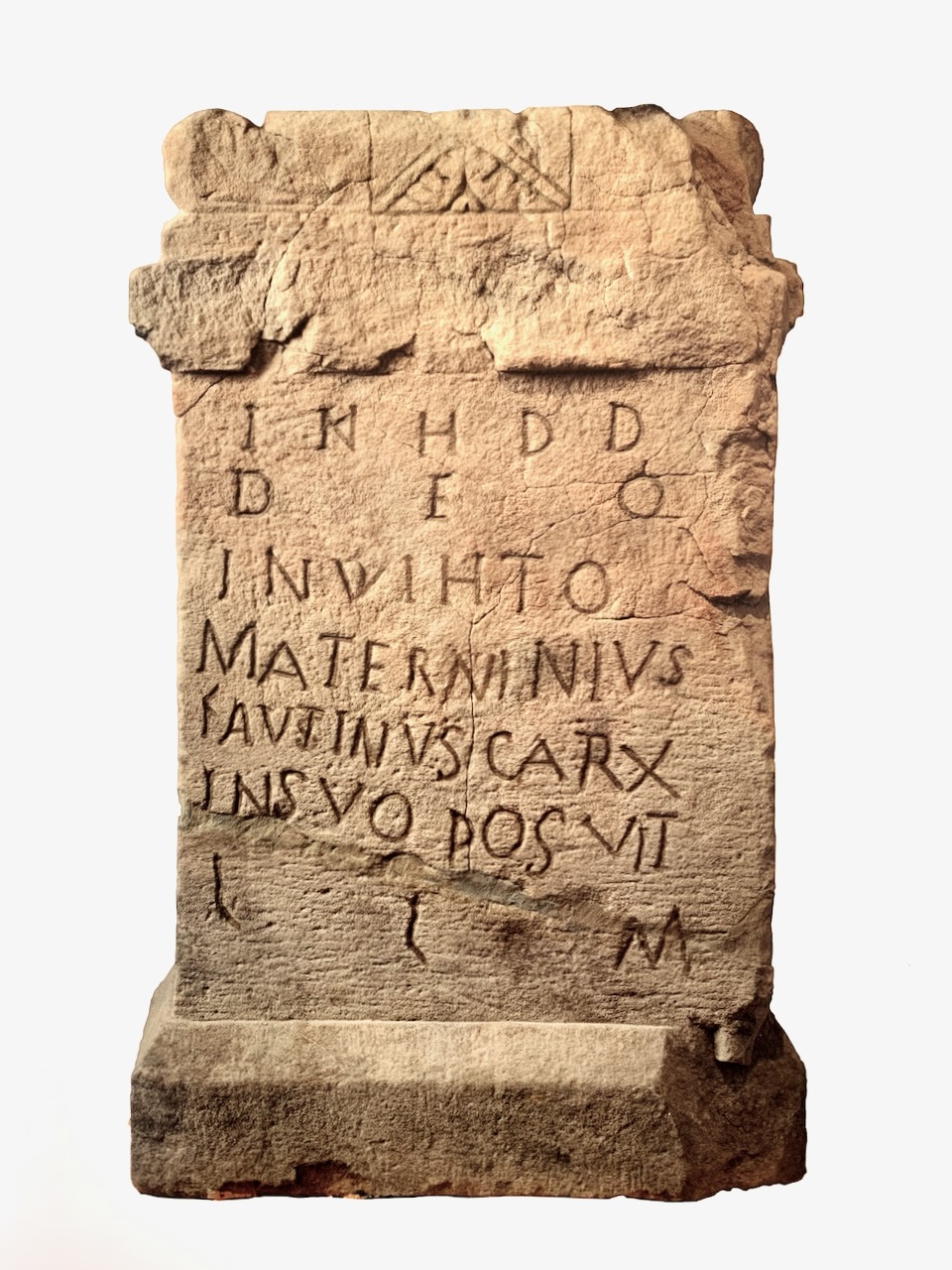
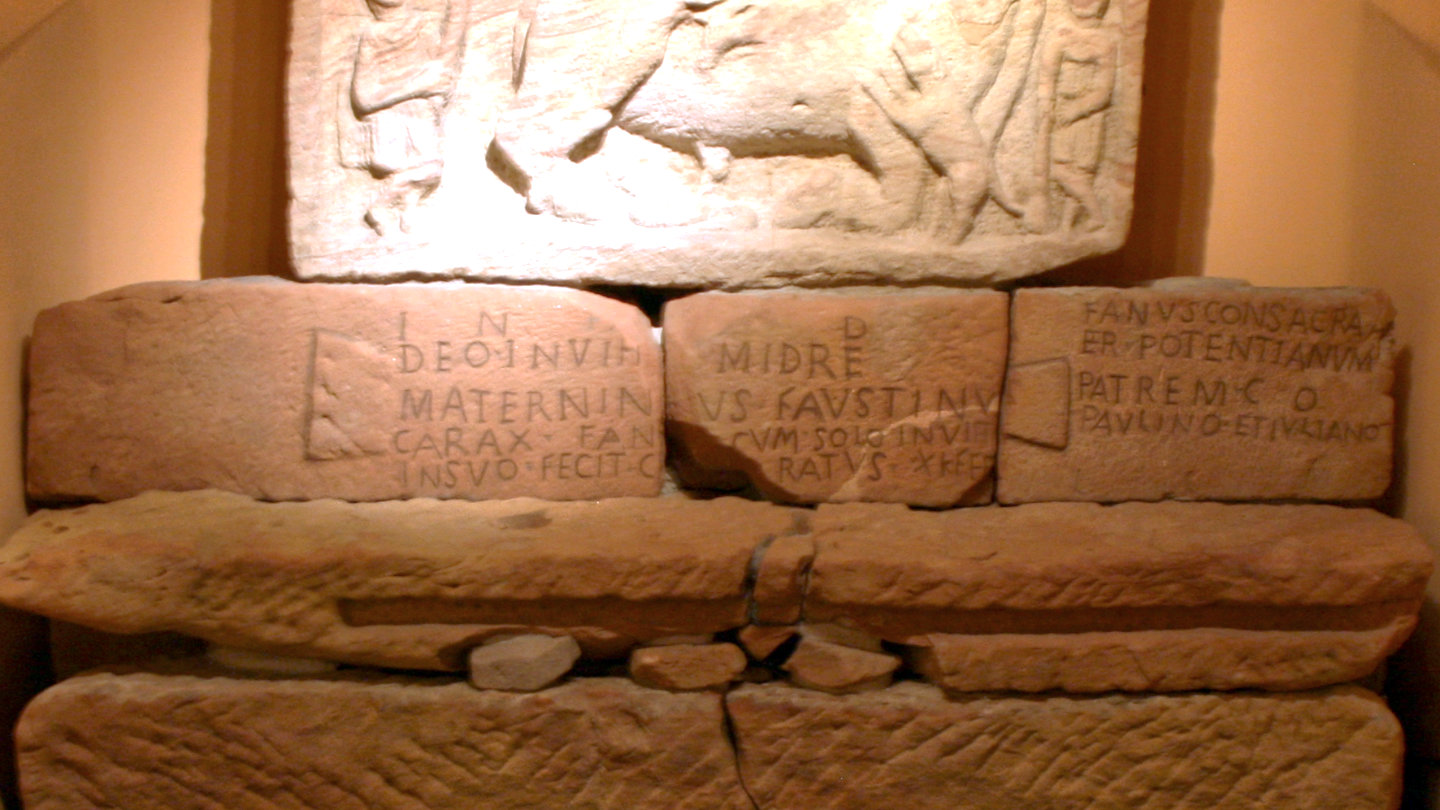
    Gimmeldingen is a village, part of the town of Neustadt an der Weinstraße, Germany. Its origins, along with the village of Lobloch (which used to be connected), can be traced back to Roman settlements in 325 AD.

  • Socius

    Marcus Cassius Julianus

    Owner of www.mithraeum.org and the Mithras and Mithraeum discussion lists on Groups.io. Co-founder of Nova Roma and the founder of Byzantium Novum.
  • Tractatus

    Life of Alexander

    In Plutarch’s Life of Alexander, the grieving Darius binds the eunuch Tireus by the light of Mithras to reveal the truth about his captive wife Statira, a solemn appeal that leads to unexpected praise for Alexander’s honor and restraint.
  • Tractatus

    Life of Pompey

    Passage from Plutarch’s Life of Pompey, recounting the rise, power, and insolence of the Cilician pirates before Pompey’s campaign to suppress them.
  • Tractatus

    De Abstinentia

    Two extracts from De abstinentia ab esu animalium by Porphyry on sacrifices and the importance of abstinence from animal food among Persian Magi.
  • Tractatus

    De Iside et Osiride

    Of Isis and Osiris or Of the Ancient Religion and Philosophy of Egypt, Plutarch, The Moralia.
  • Tractatus

    Discourse on the doctrines and practices of the magi

    Dion Chrysostom, c. 100 A.D., a philosophical writer under the emperors Nerva and Trajan, composed a series of discourses or essays (λόγοι) on various subjects, in one of which he reports concerning the doctrines and practices of the magi.
  • Tractatus

    Nonnus Abbas on Gregory of Nazianzus

    Commentaries by Pseudo-Nonnus, also known as Nonnus the Abbot, on Gregory Nazianzen’s In Julianum Imperatorem Invectivae Duae and In Sancta Lumina.
  • Tractatus

    Thebaid

    The scholiast Lactantius Placidus comments on Statius’ passage identifying the Sun as Titan, Osiris, and Mithras, interpreting the Persian cave figure with the bull.
  • Tractatus

    Historia Augusta

    Two excerpts from the ’Life of Commodus’ in Lampridius’ Historia Augusta, dating from the 4th century CE.
  • Tractatus

    De fluviis

    Pseudo-Plutarch, De fluviis. Goodwin, Ed. Plutarch. Plutarch’s Morals. Translated from the Greek by several hands. Corrected and revised by. William W. Goodwin, PH. D. Boston. Little, Brown, and Company. Cambridge. Press of John Wilson and son.
  • Syndexios

    Publius Aelius Valerianus

    Soldier of Legio XIII Gemina and strator consularis who dedicated an altar to the invincible Mithras.
  • Syndexios

    Caracalla

    Emperor Caracalla ordered one of Rome’s largest temples to the god Mithras to be built in the baths bearing his name.
  • Syndexios

    Flavius Septimius Zosimus

    Vir perfectissimus and priest of Zeus Brontes and Hecate, he erected a mithraeum in Rome.
  • Syndexios

    Celsianus

    Actuarius and notarius, Celsianus dedicated an altar to Sol Mithras for the health of two illustrious men.
  • Syndexios

    Valerius Florus

    Governor of Numidia in 303, vir perfectissimus Valerius Florus was a well-known persecutor of Christians.
  • Syndexios

    Flavius Lucilianus

    Public horseman and consul under the emperor Caracalla, who completed a Mithraeum in Aveia Vestina.
  • Syndexios

    Publius Numidius Decens

    Born in North Africa, he dedicated an inscription to the unconquered god Mithras, found in the Forum of Lambasis.
  • Syndexios

    Publilius Ceionius Caecina Albinus

    Vir clarissimus and governor of Numidia, who dedicated a temple to Mithras with its images and ornaments in Cirta.
  • Tractatus

    A Study of Mithraism

    During the first semester of his sophomore year at Crozer, King composed a paper for Enslin’s course on Greek religion, focusing on Mithraism.
 
Back to Top