Your search New York gave 286 results.
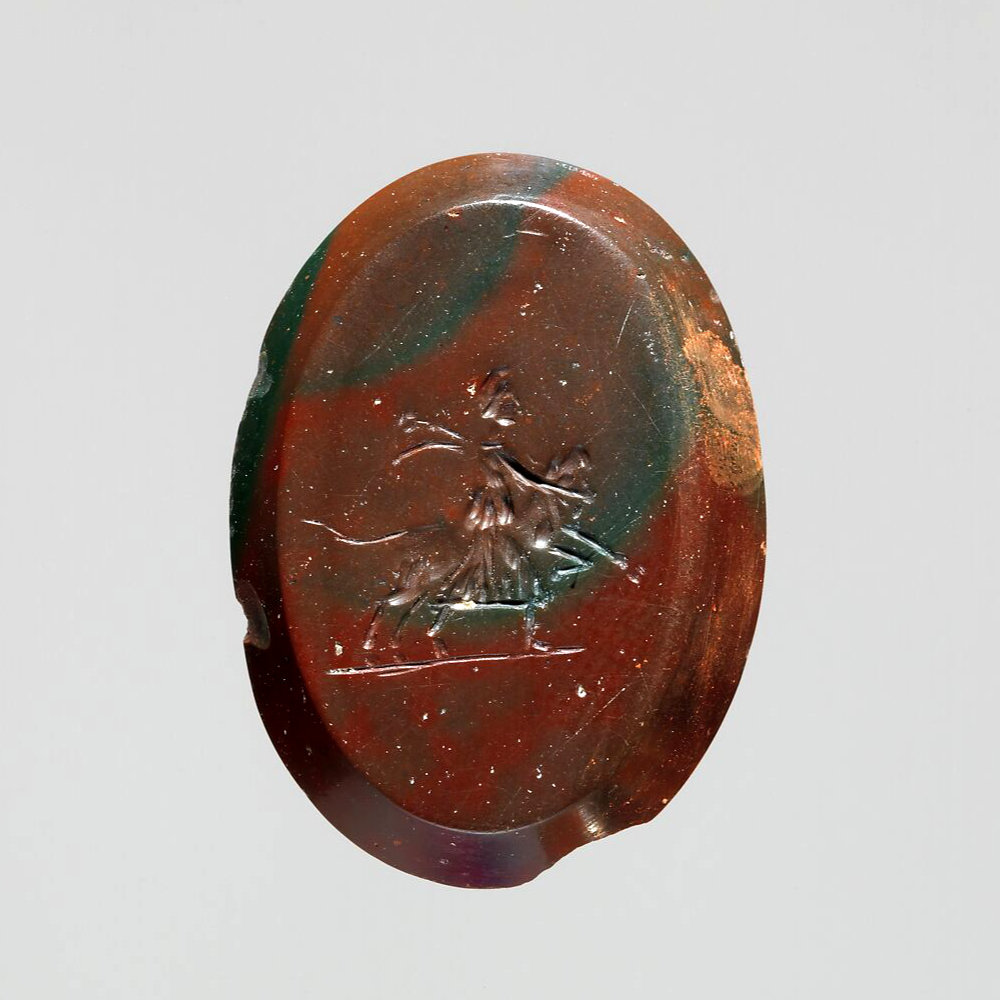
This small magical jasper gem shows Sol in a quadrigra on the recto and Mithras as a bull slayer on the verso.
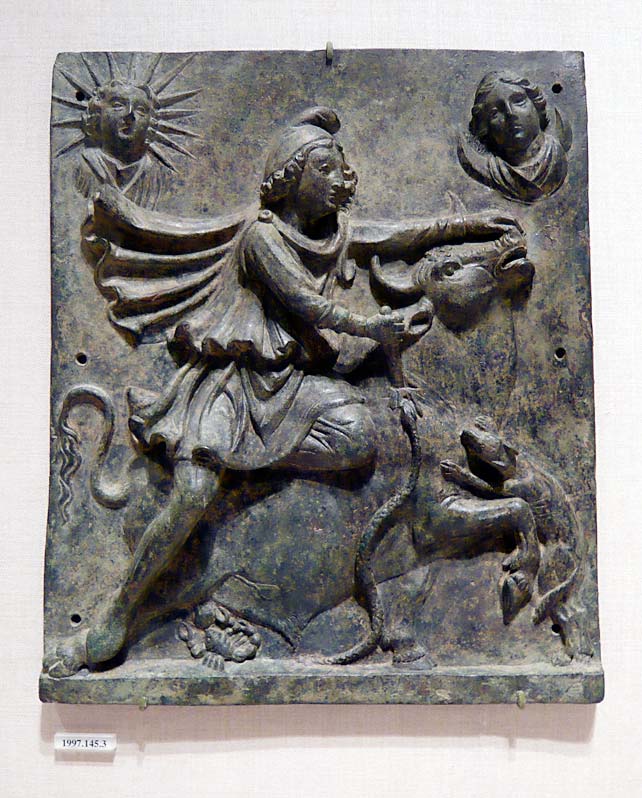
Mithras Tauroctony on bronze exposed at the Metropolitan Museum of New York.
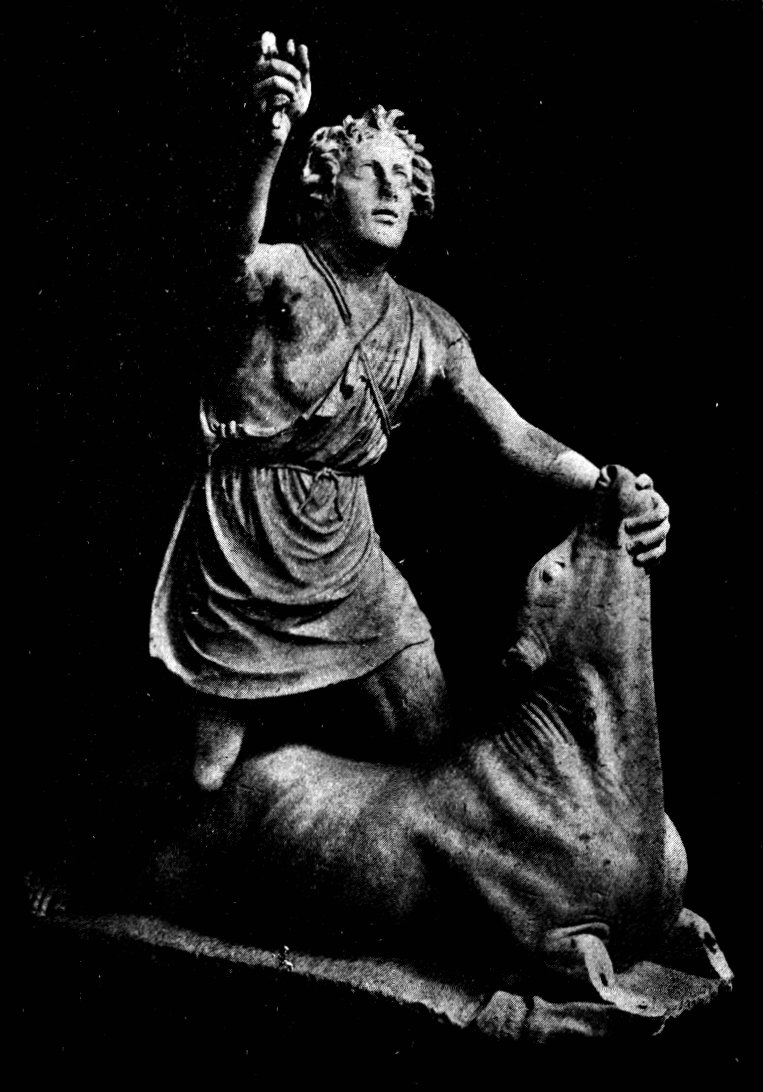
The person who commanded the sculpture may have been M. Umbilius Criton, documented in the Mitreo della Planta Pedis.
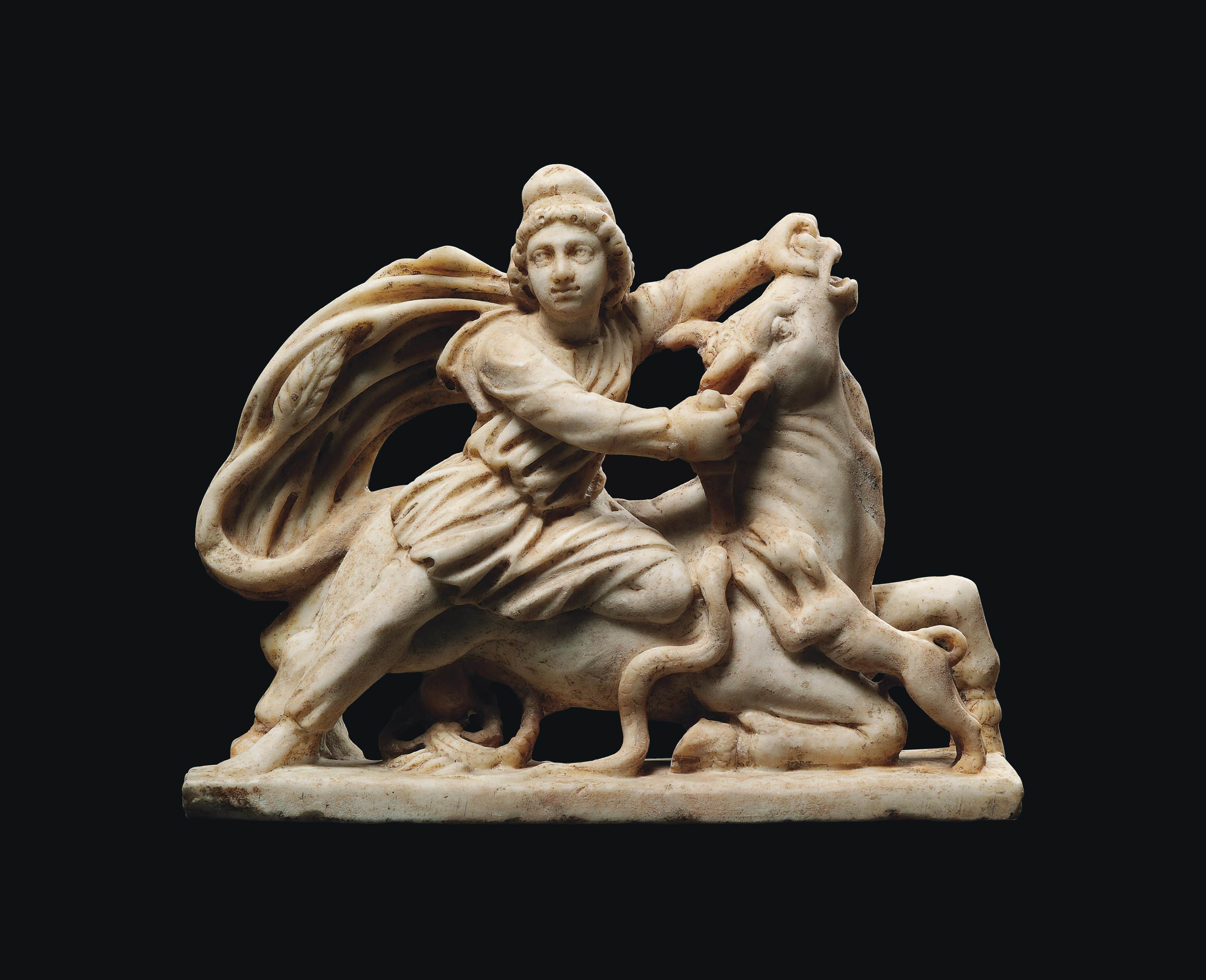
Marble group of Mithras slaying the bull, formerly sold by Antiquarium Ltd., New York.
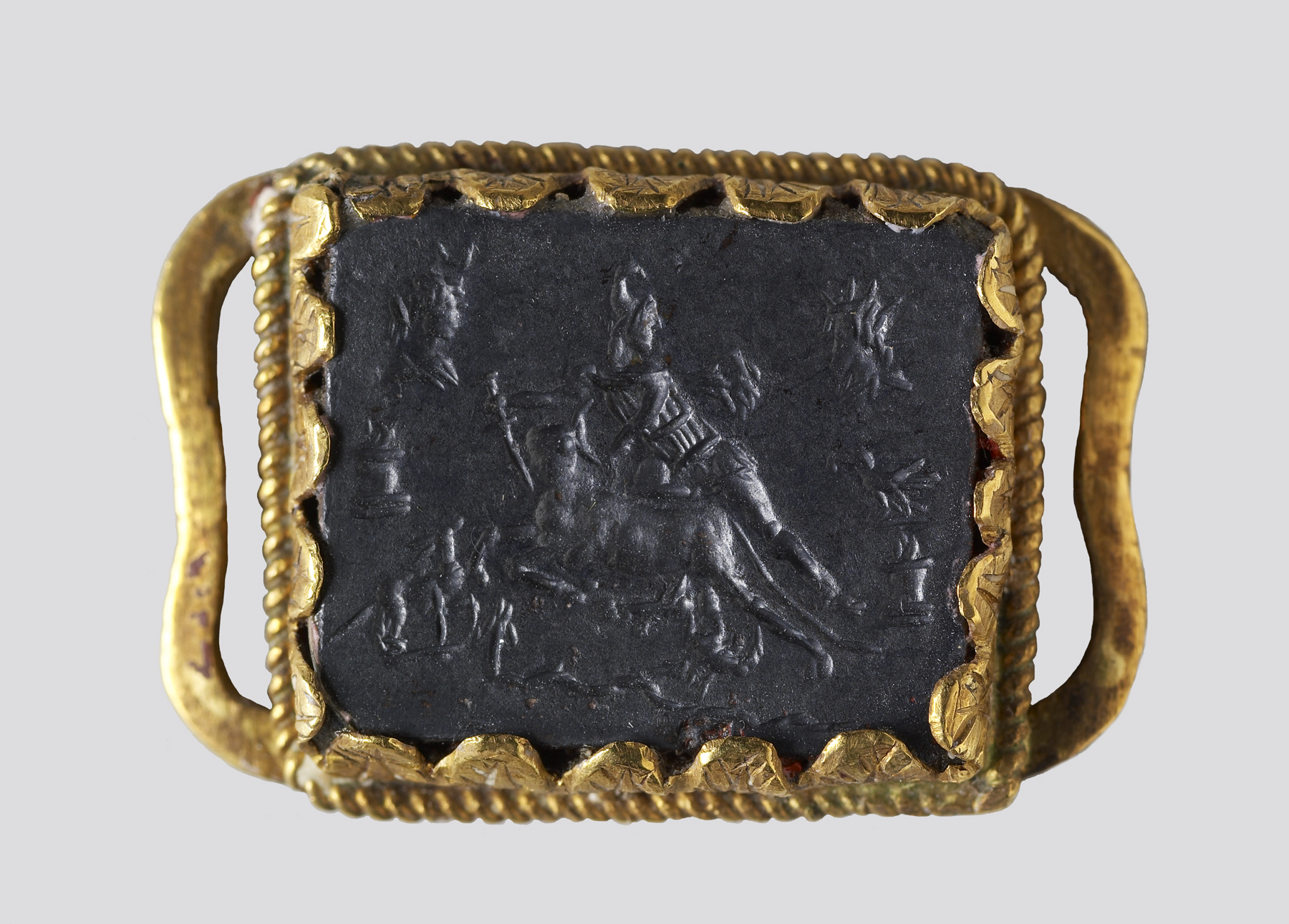
This unusual piece depicts Mithras slaying the bull on one side and the Gnostic god Abraxas on the other.

Wasson has aroused considerable attention by advancing and documenting the thesis that Soma was a hallucinogenic mushroom – none other than the Amanita muscaria, the fly-agaric that until recent times was the center of shamanic rites among the Siberian and Uralic tribesmen…
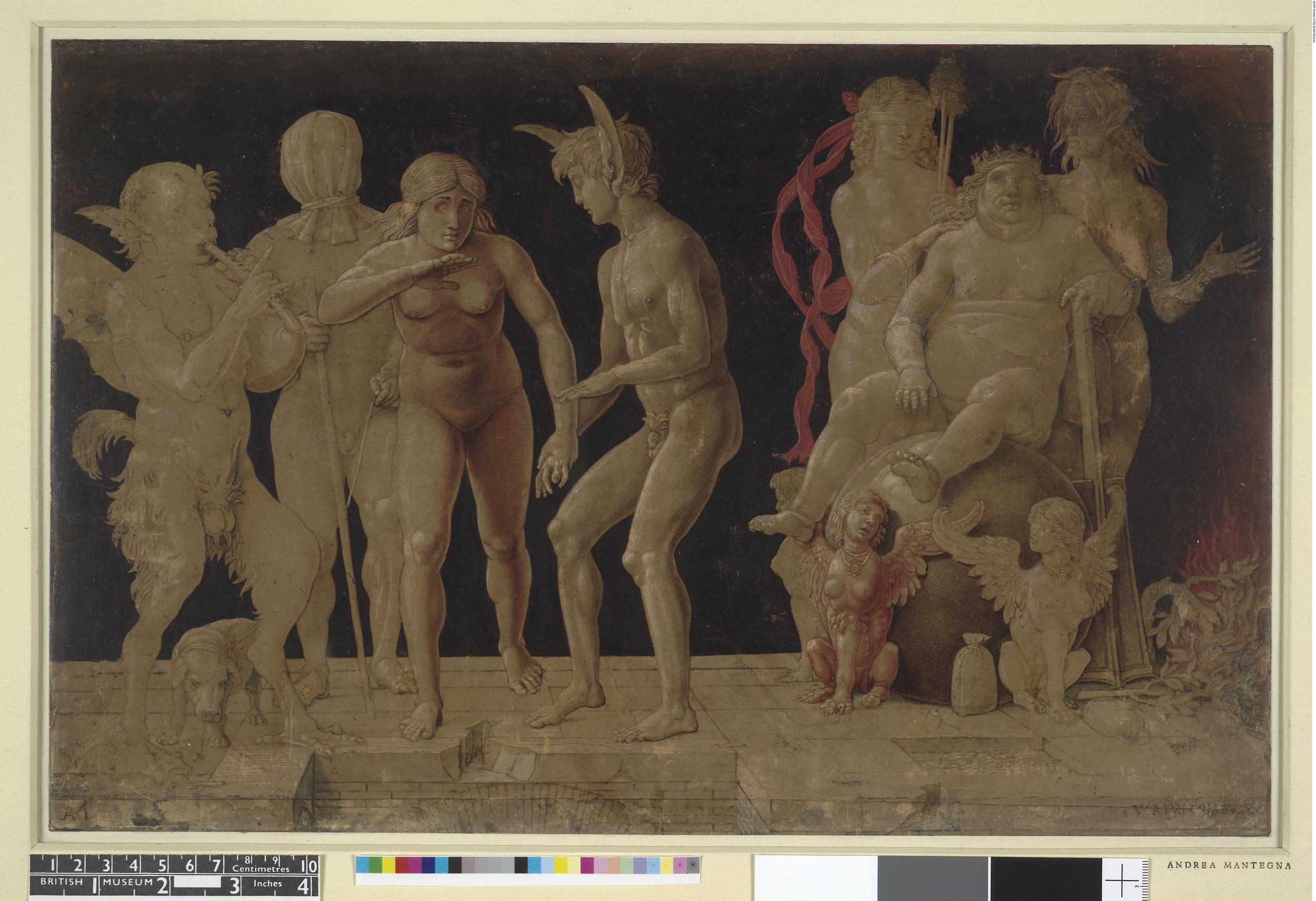
The Cilician pirates incorporated significant divine feminine elements, notably Anahita, into their Mithraic practices, profoundly influencing the initiation rites within the Roman Empire.

Tracing the links between the cult of Mithras and the Proud Boys’ quest for identity, power, and belonging. How ancient rituals and brotherhood ideals resurface in radical modern movements.
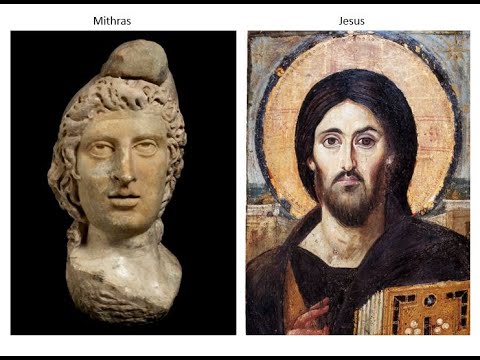
Mithraic Influence on Early Christian Symbolism and Church – Architecture

Over the last century or so, a great deal has been said about the god Mithras and his mysteries, which became known to the European world mainly through his Roman cultus during the Imperial Period.
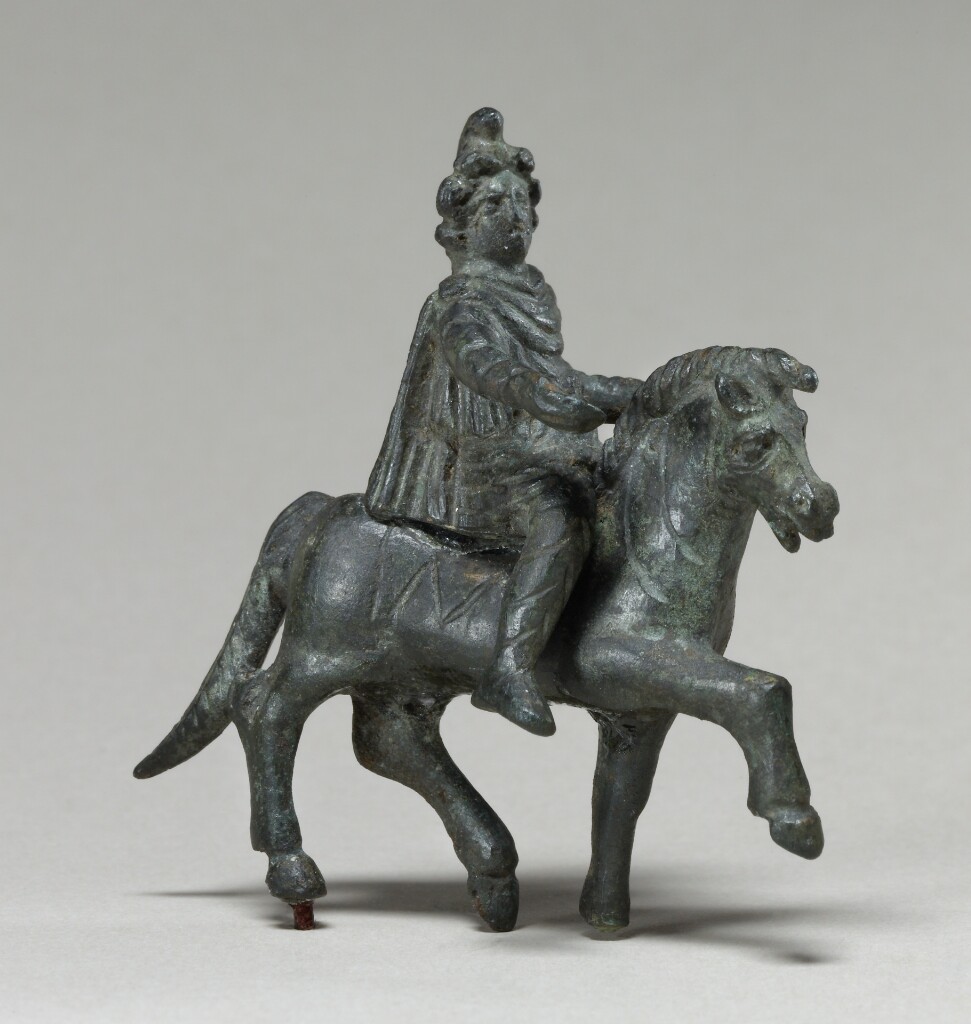
This small bronze statuette of Mithras riding a horse is composed of two pieces.


Translation and Introductory Essay by Robert Lamberton. Station Hill Press Barrytown, New York 1983.

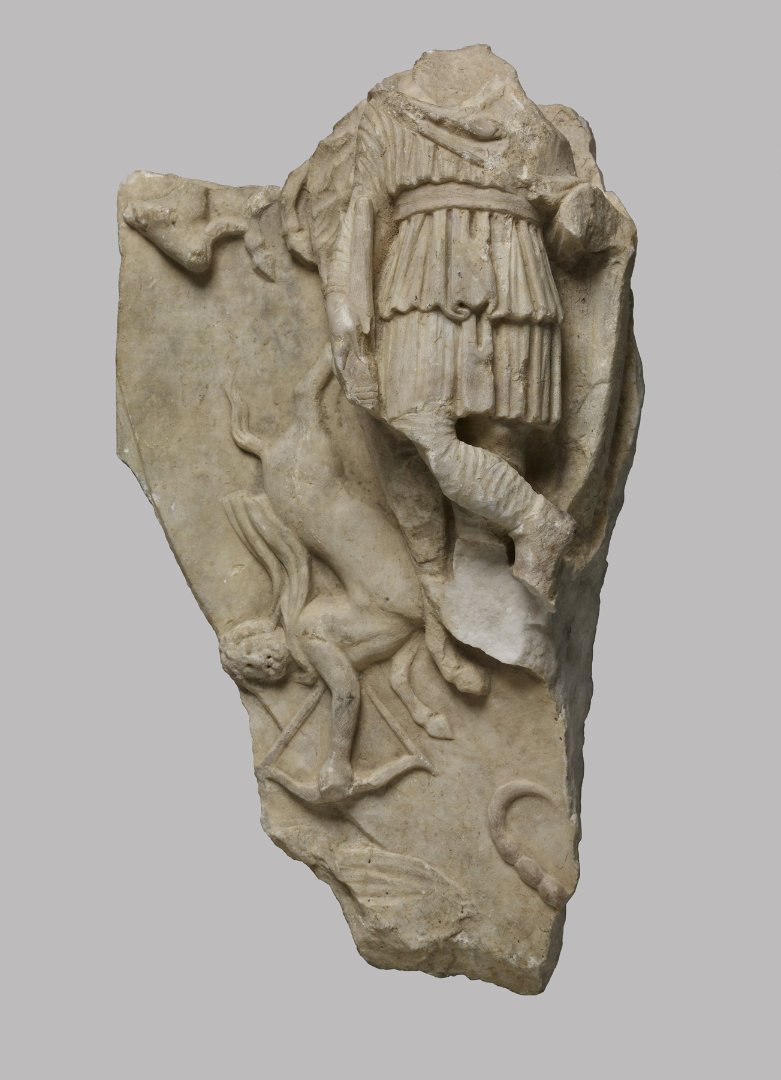
This fragmentary relief shows Cautopates bordered by three of the six zodiacal signs with which He is associated: Capricorn, Sagittarius and Scorpio.
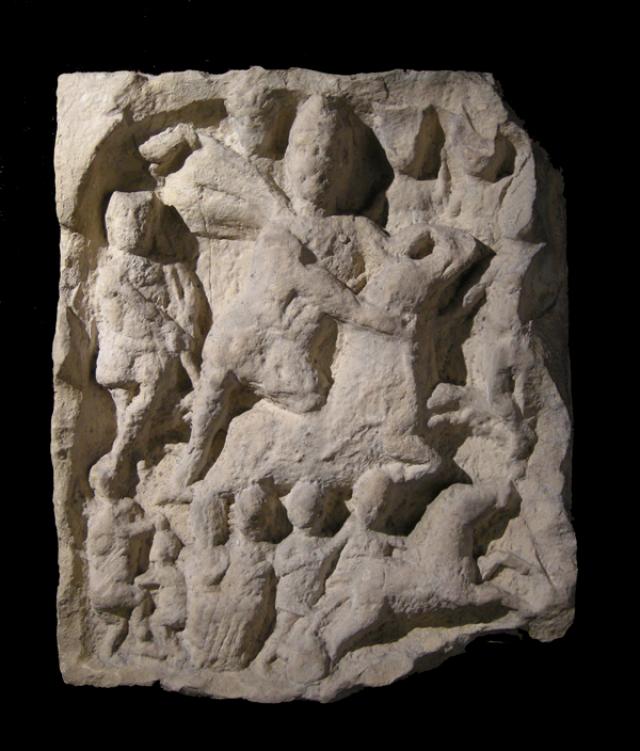
This stone in basso relief of Mithras killing the bull was found 10 foot underground in Micklegate York in 1747.
.jpg)
The statue of Arimanius/Ahriman was found in 1874 under the city wall of York during the construction of the railway station.
.jpg)
This limestone statue of Cautes is now exposed at Great North Museum of Newcastle.
