Your search Philippe Roy gave 258 results.
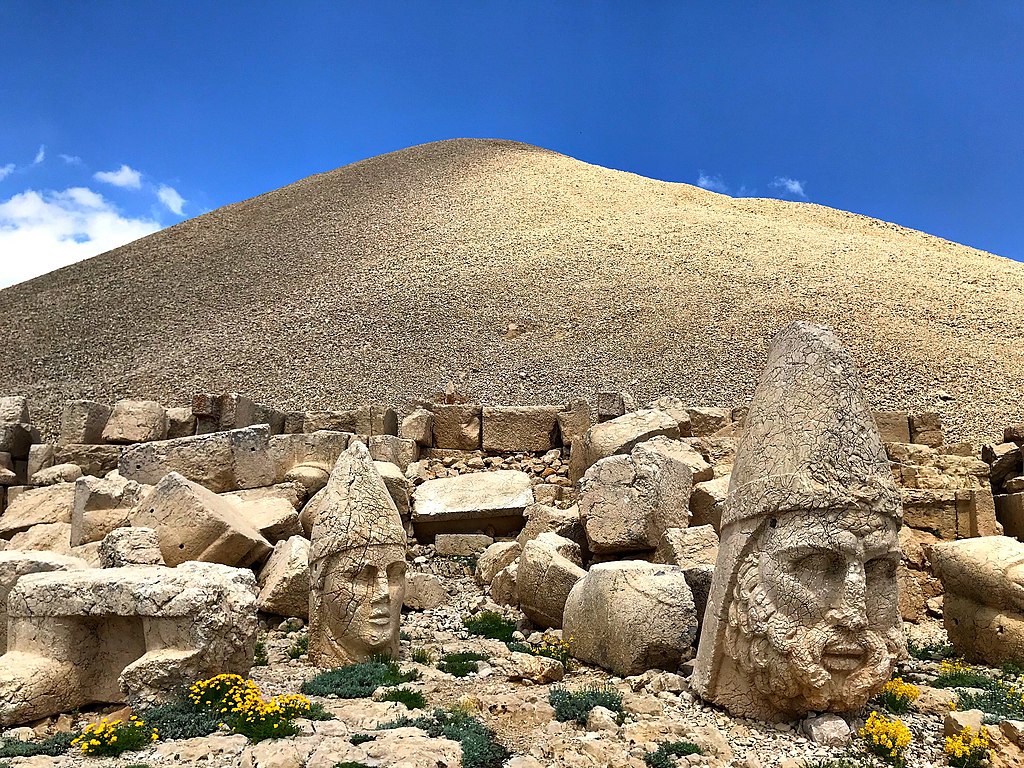
Mount Nemrut or Nemrud is one of the highest peaks in the eastern Taurus Mountains, southeastern Turkey. On its summit large statues stand around what is supposed to be a royal tomb from the 1st century BC.
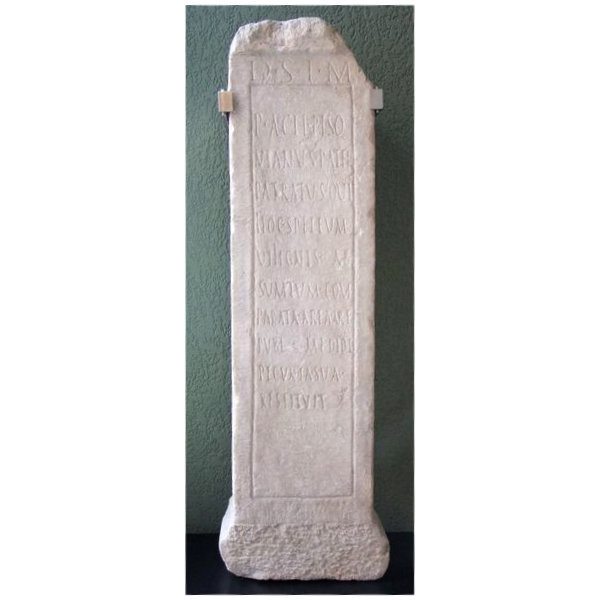
This high stele by a certain Acilius Pisonianus bears an inscription commemorating the restoration of a Mithraeum in Mediolanum, today's Milan.
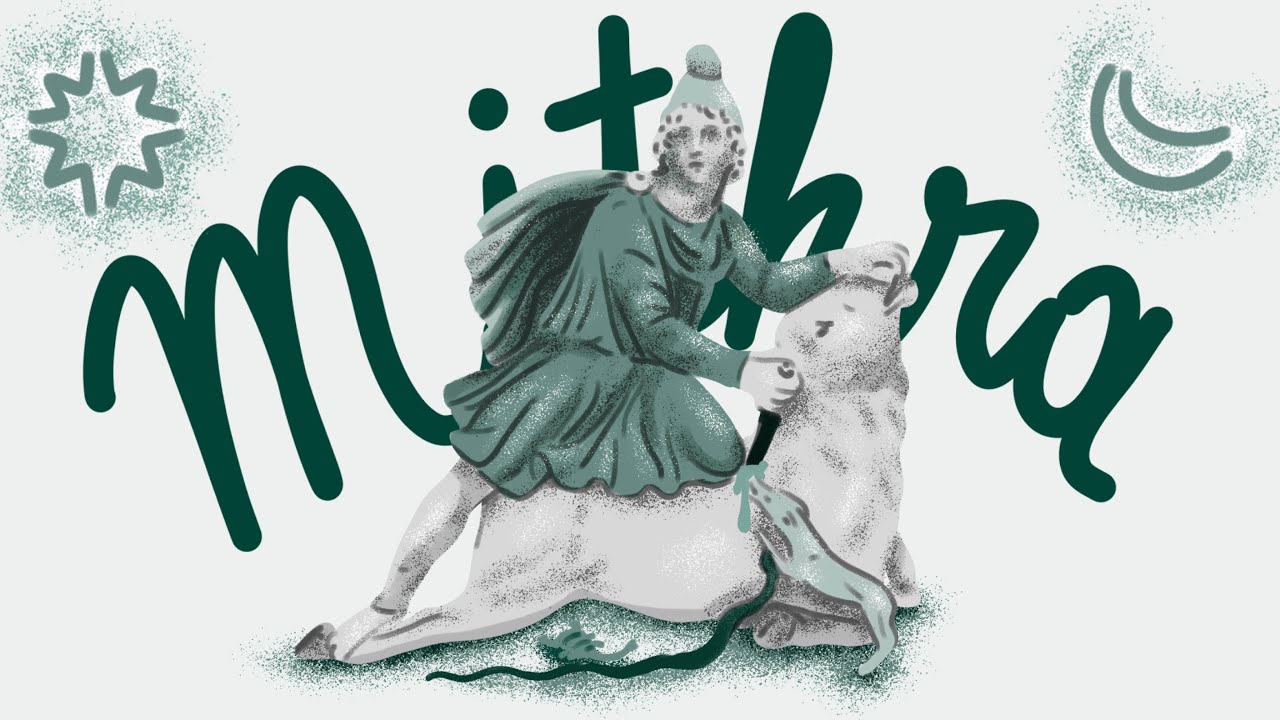
Le culte romain de Mithra. Entre réalités antiques et fantasmes contemporains ! Par Richard Veymiers, directeur du Domaine et Musée royal de Mariemont.
Intervention de Richard Veymiers, directeur du Musée royal de Mariemont et Laurent Bricault, de l'Université Toulouse Jean-Jaurès.
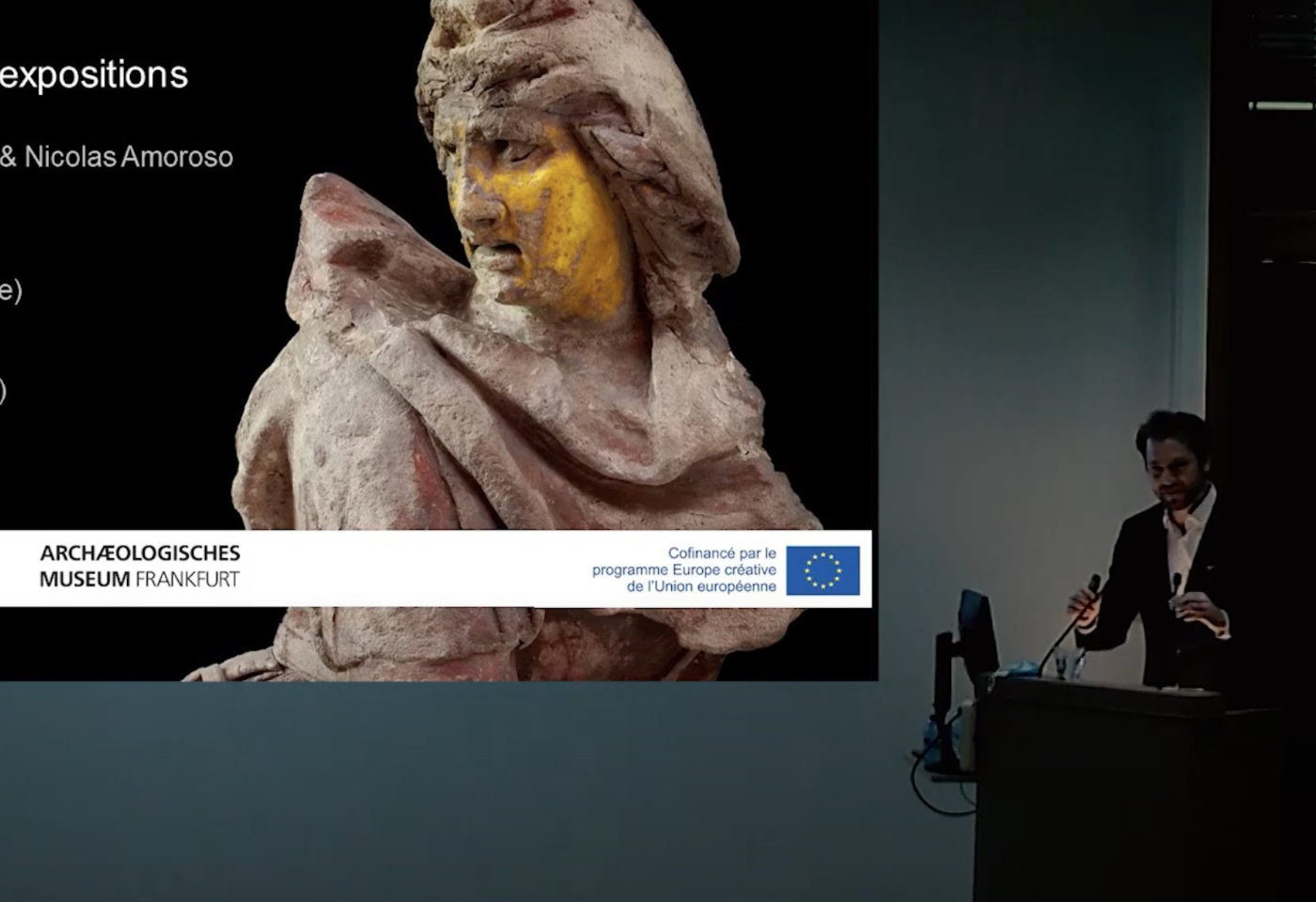
Journée scientifique du 17 décembre 2021 au Musée royal de Mariemont, dans le cadre de l’exposition 'Le Mystère Mithra. Plongée au cœur d’un culte romain'.

The Mithraeum of Mainz, was discovered outside the Roman legionary fortress. Unfortunately the site was destroyed without being recorded.
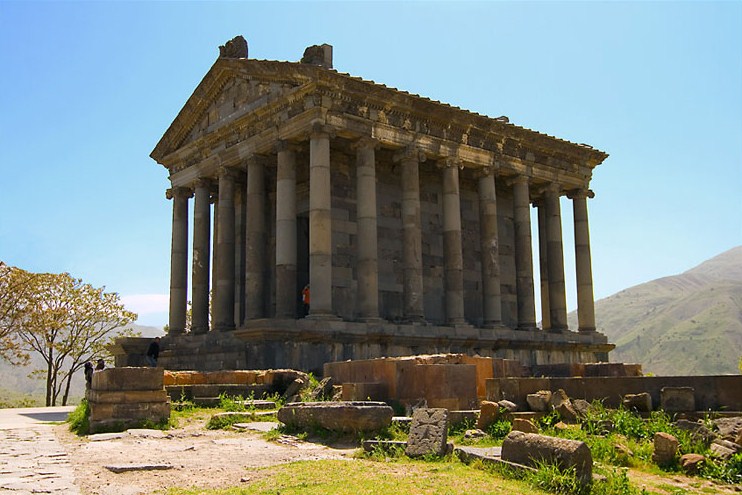
After Christianity was adopted, most pagan monuments were destroyed or abandoned. Garni, however, was preserved at the request of the sister of King Tiridates II and used as a summer residence for Armenian royalty.
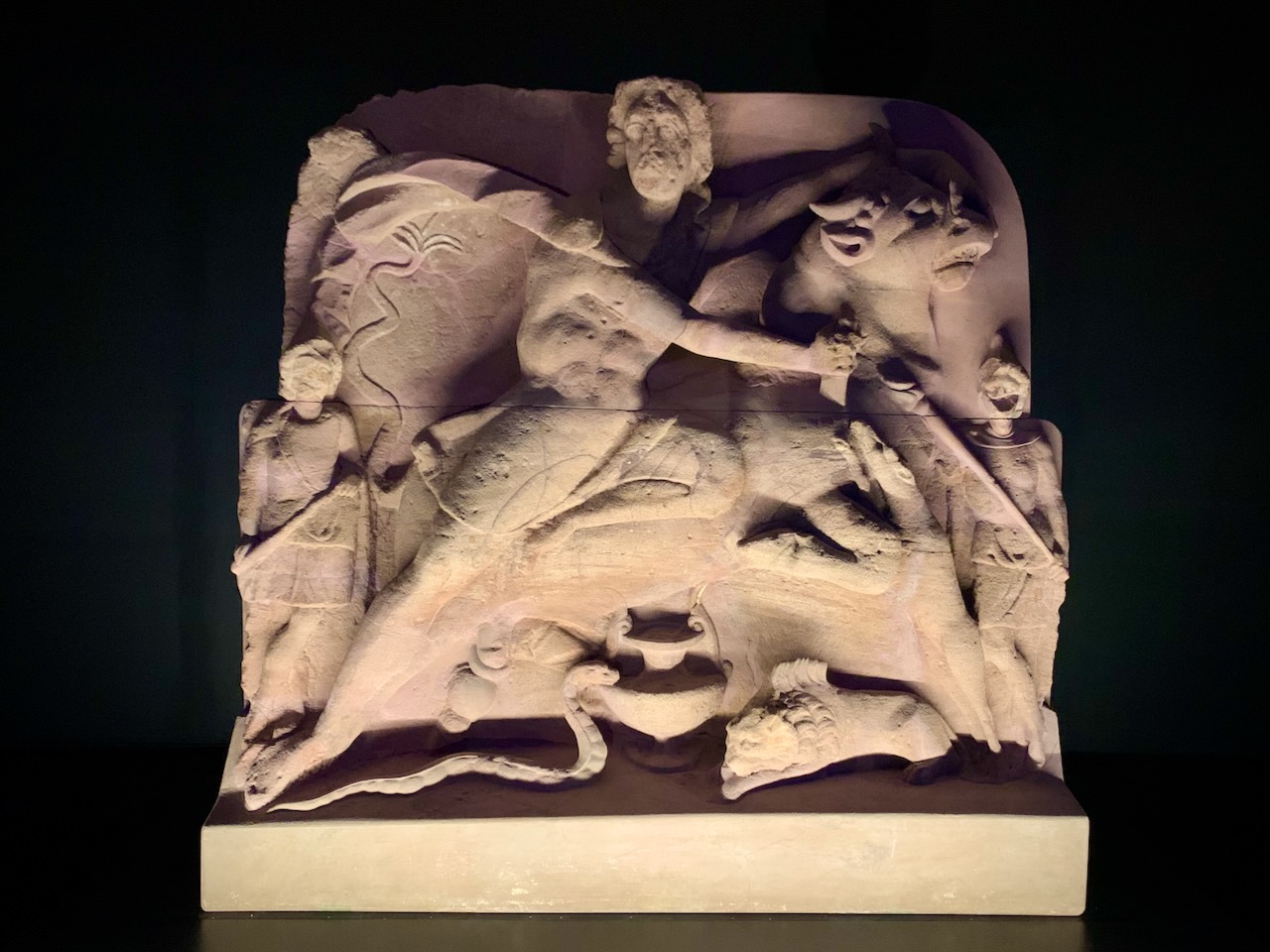
The relief of Mithras slaying the bull from Nida's Mithraeum III was found in two pieces in 1887, destroyed during an air raid on Frankfurt in 1944, and restored in 1986.
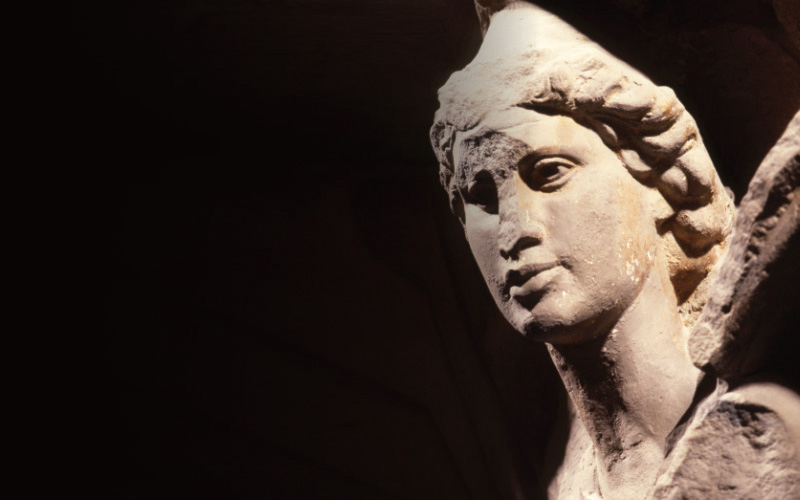
On the occasion of the exhibition, the Royal Museum of Mariemont invites five experts from Europe to emulate the research on the cult of Mithras.
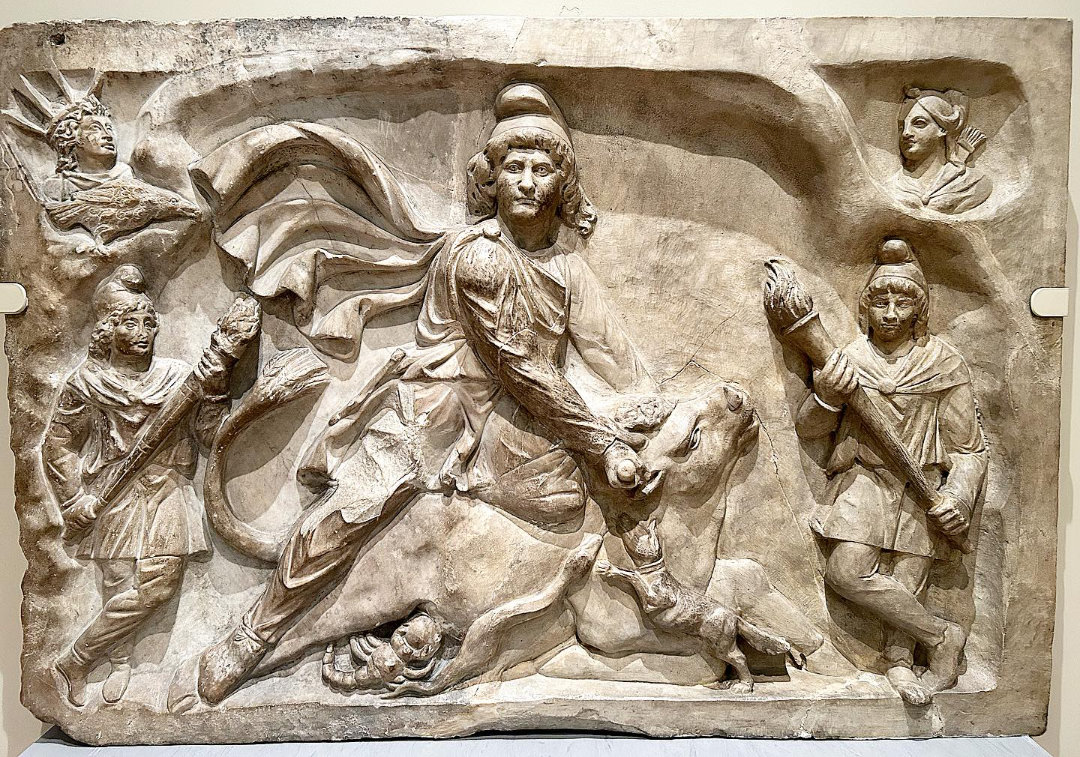
This relief of Mithras killing the bull is on display at the Royal Ontario Museum.
Mithraic sanctuary excavated in a quarry at Kreta near Nikopol, Moesia Inferior, carved into the rock and including a small niche with a sandstone tauroctony relief, a base, and several altars.
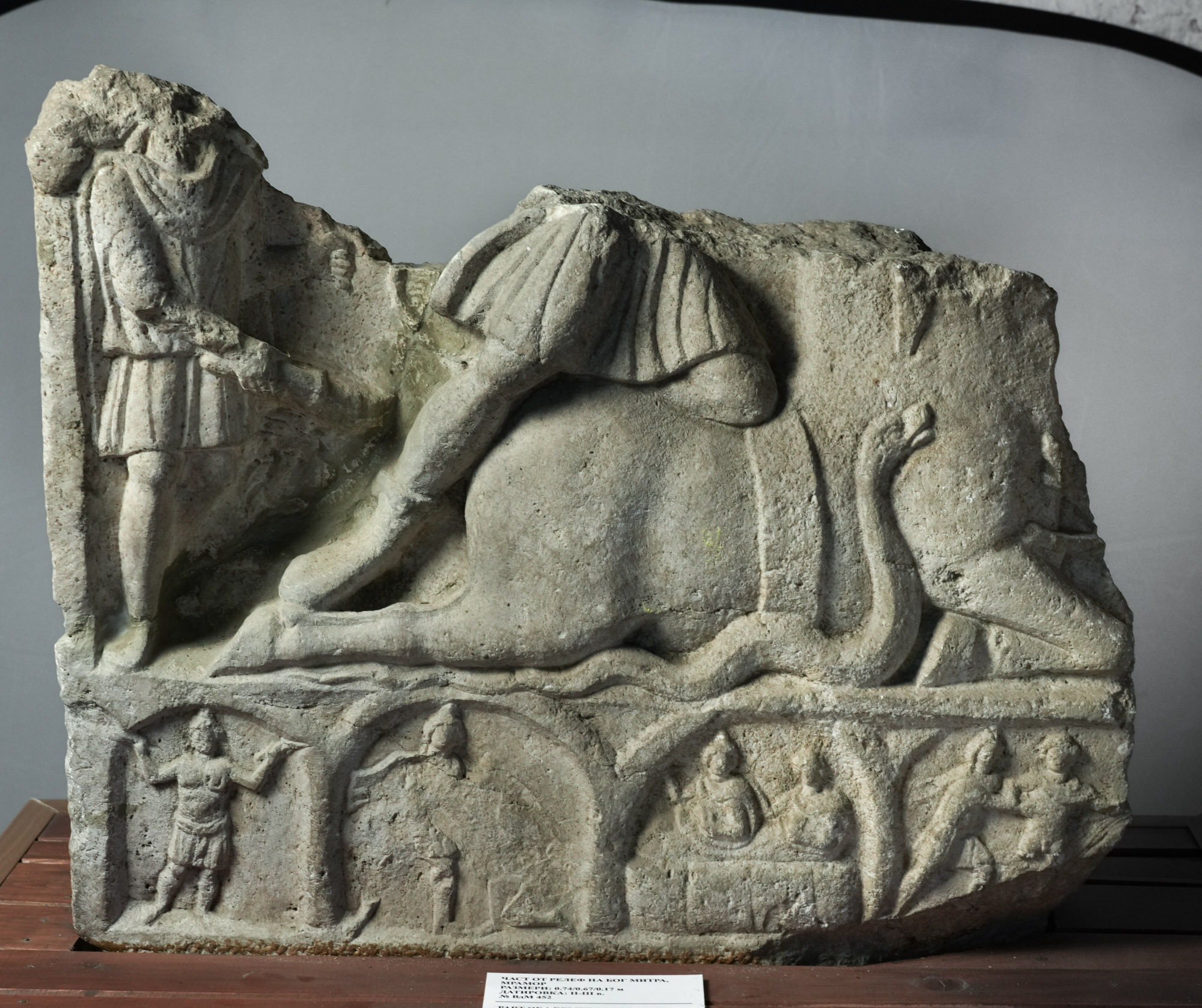
Fragmentary Mithraic relief from Ratiaria depicting the tauroctony above a series of narrative scenes from the myth of Mithras and Sol.
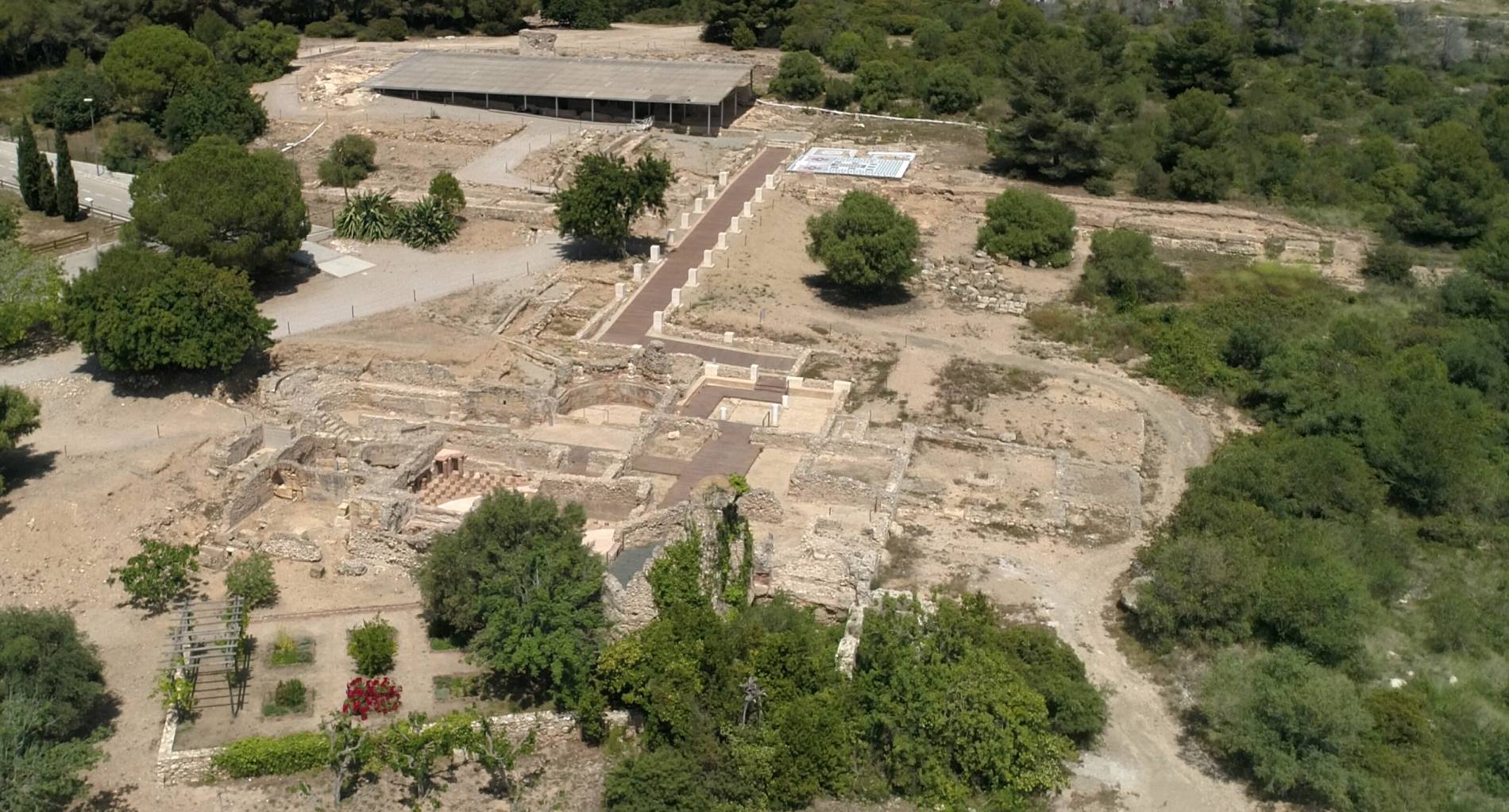
A possible Mithraic sanctuary attached to the luxurious Roman villa of Els Munts, near ancient Tarraco, whose interpretation remains disputed.

Senior Mithraic priest of Ostia whose inscriptions preserve rare and unique epithets of Mithras, including Incorruptus Juvenis and Indeprehensibilis.
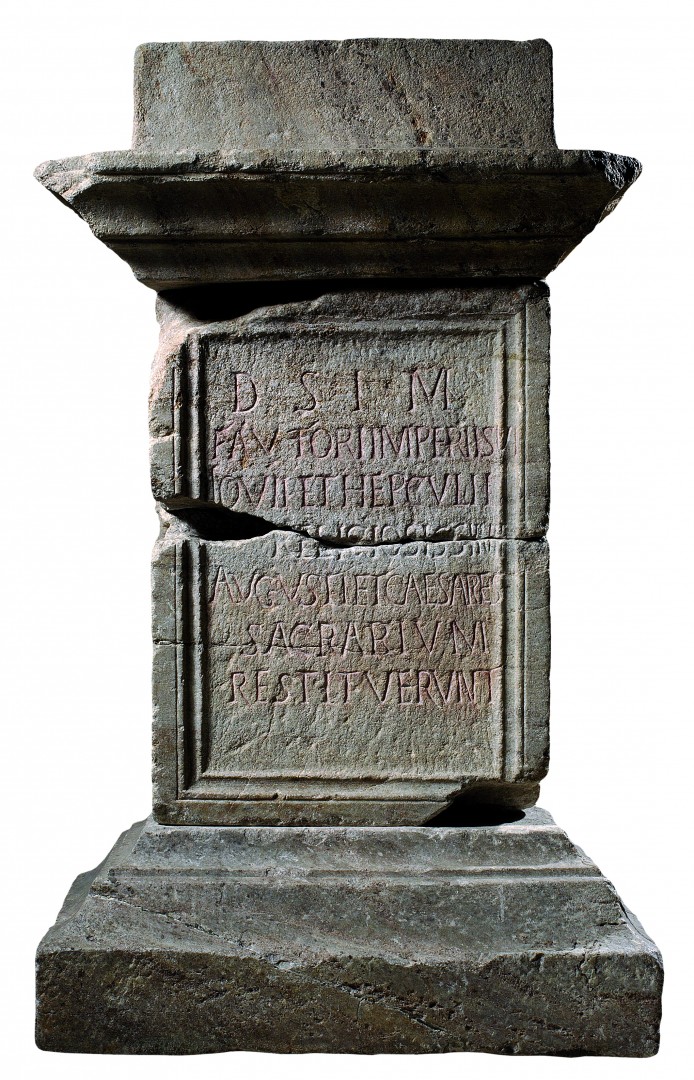
Altar with Cautes and Cautopates dedicated to Sol Invictus Mithras as protector of the Tetrarchy in 3rd-century Carnuntum.

A pater of the Ostian Mithraic community and member of the guild of carpenters.
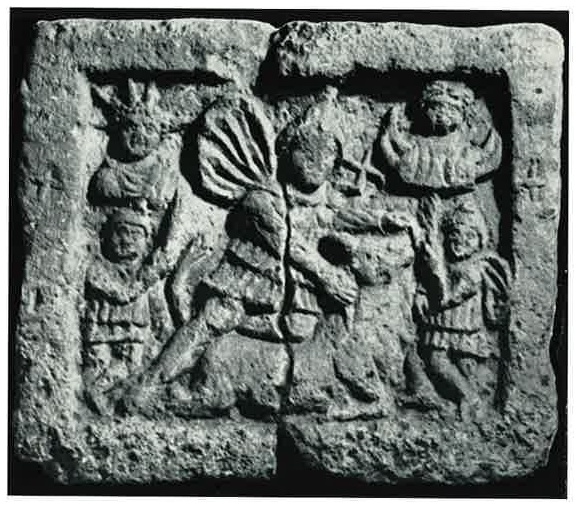
Tuff tauroctony relief in two fragments from Ghighen, ancient Oescus in Moesia Inferior, depicting the standard bull-slaying scene with the full iconographic programme.
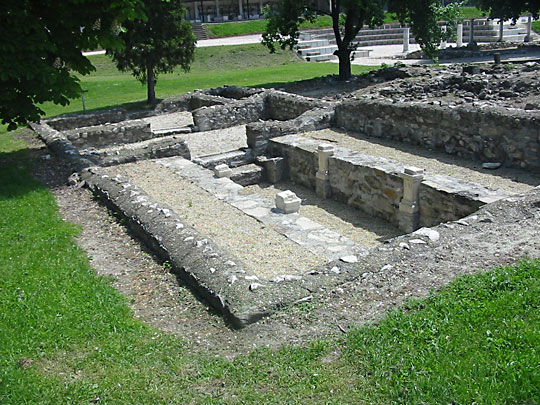
This temple of Mithras in Aquincum was located within the private house of the decurio Marcus Antonius Victorinus.
A fragmentary limestone tauroctony relief found on the south slope of the Castellhügel at Pola (modern Pula) during the demolition of a wall, now in the Lapidary Museum at Pula, preserving the bull's body, the dog, the serpent, the scorpion and a standing cross-legged torchbearer…

