Your search Podersdorf am See gave 2324 results.
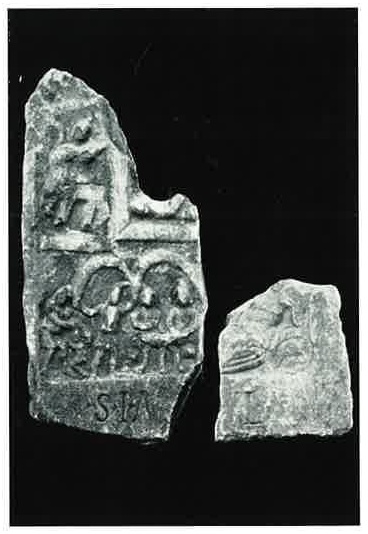
Eight fragments of a large white marble open-work tauroctony from the Mithraeum at Sarmizegetusa, Dacia, with the central bull-slaying carved in openwork within a framing border.
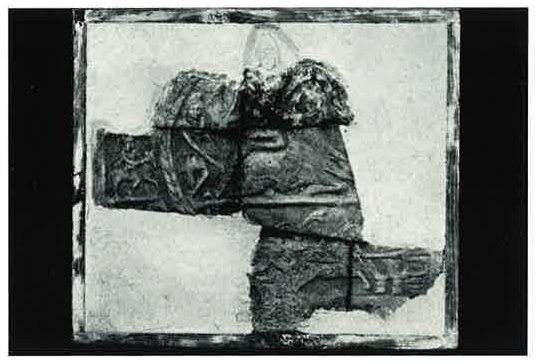
Seven fragments of a white marble tauroctony relief from the Mithraeum at Sarmizegetusa, Dacia, depicting the central bull-slaying with a rich programme of subsidiary Mithraic scenes.
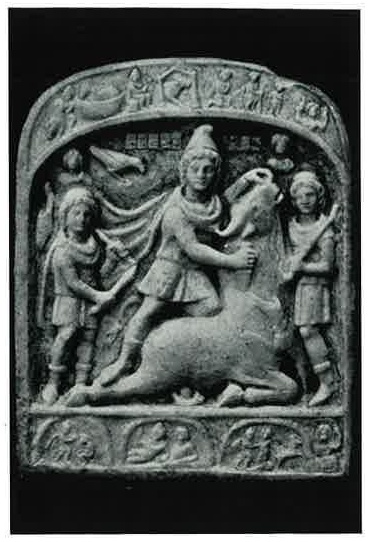
White marble tauroctony relief found in the river Mureș at Vintu de Jos near Apulum, Dacia, around 1859, depicting the bull-slaying with the full iconographic programme.

Large marble base from near Kutyamál at Apulum, Dacia, dedicated ex iussu dei Apollinis and naming the Fons Aeternus — the eternal spring — by Ulpius Proculinus, speculator of Legio XIII Gemina.
Altar from Salona, Dalmatia, with a bust of Sol in radiate crown in the lower portion, dedicated to Deo invicto for the welfare and safety of Pamphilus, imperial dispensator, by his arkarius Fortunatus.
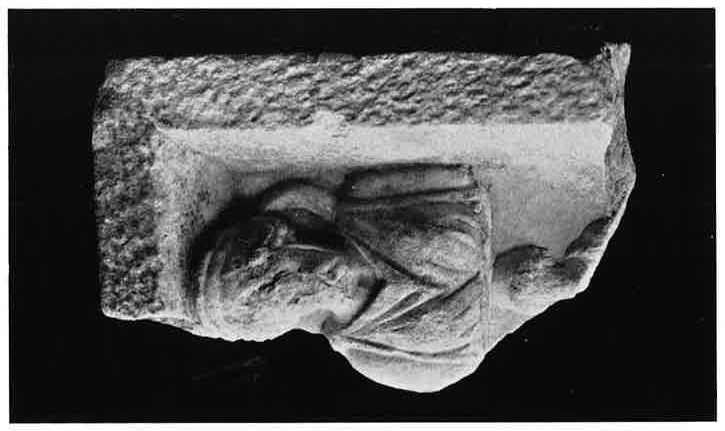
Right upper corner of a white marble bordered tauroctony relief from Salona or its surroundings, Dalmatia, with framing elements and part of the bull-slaying iconography.
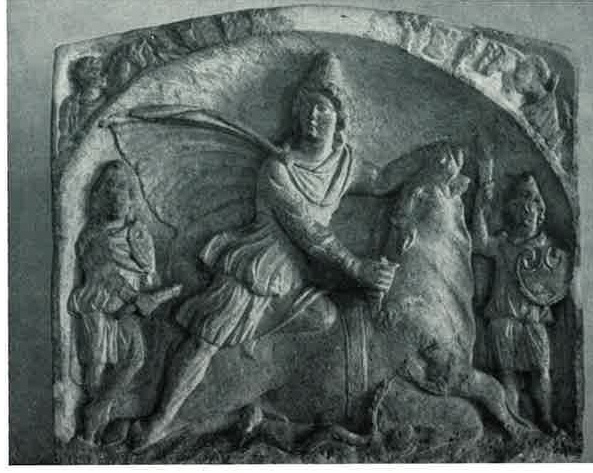
Two lamps — one bearing the stamp Fortis — and a bronze coin of Hadrian from the Mithraeum at Sárkeszi, Pannonia Inferior.
Limestone altar from Brigetio, Pannonia Superior, dedicated to Invicto deo Mithrae by Masuininius Amicus, Augustalis of the Municipium Brigetionis Antoniniani.
Marble statue on base from Mithraeum II at Ptuj, ancient Poetovio, depicting the naked Mithras entwined by a serpent as he emerges from the rock; the breast is damaged, and the head and arms are lost.
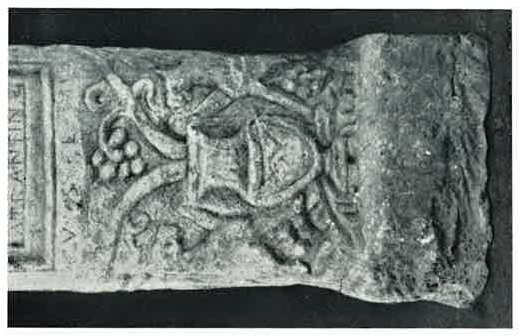
Marble column from the entrance of Mithraeum II at Ptuj, ancient Poetovio, serving as a statue base, its front decorated with a kantharus between panthers and vine tendrils; the inscription names Salvianus, contrascrip of the statio Atrantiana.
Small altar found at Töltschach in 1817, Noricum, decorated with the traces of two ram heads flanking foot-prints; the relief is no longer visible and only the inscription survives.
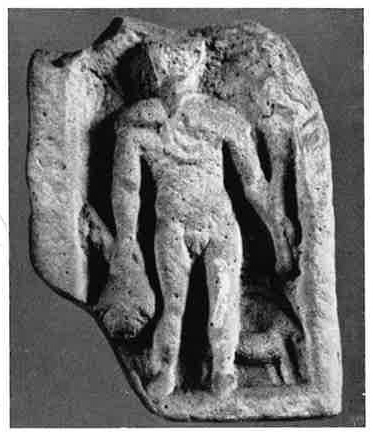
Sandstone relief from the Mithraeum at Gimmeldingen depicting a standing Mercury with caduceus and purse, accompanied by a ram and a cock; the head and upper caduceus are damaged.
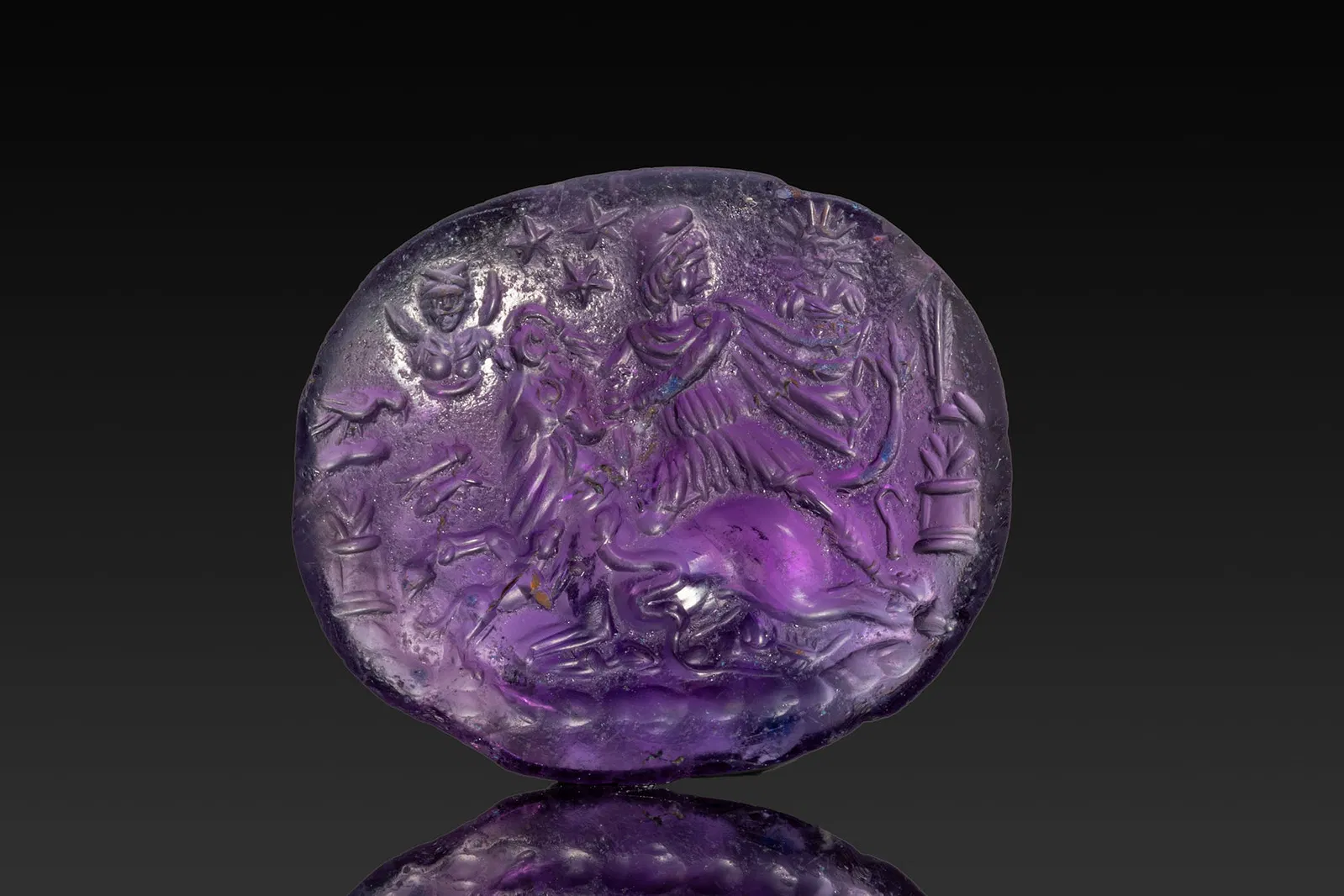
Amethyst intaglio engraved with Mithras slaying the bull, accompanied by Sol, Luna and other canonical Mithraic symbols.

Painted Parthian inscription on a ceramic sherd possibly referring to Mithras as a bull-slayer.
Fragmentary Greek graffito from Dura-Europos recording the prices of everyday goods such as wine, meat, wood and lamp wicks.
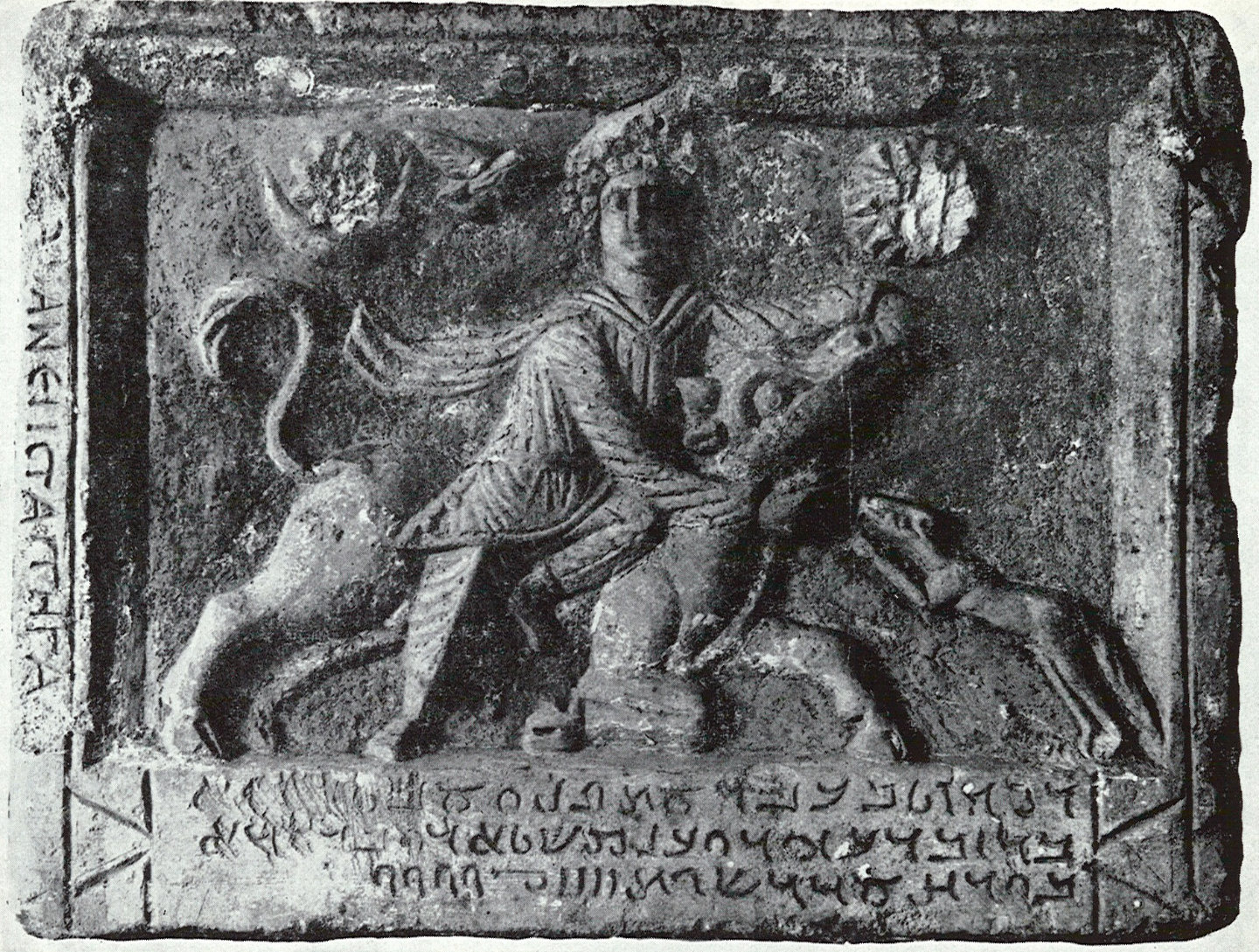
One of the reliefs of the Dura Europos tauroctonies includes several characters with their respective names.
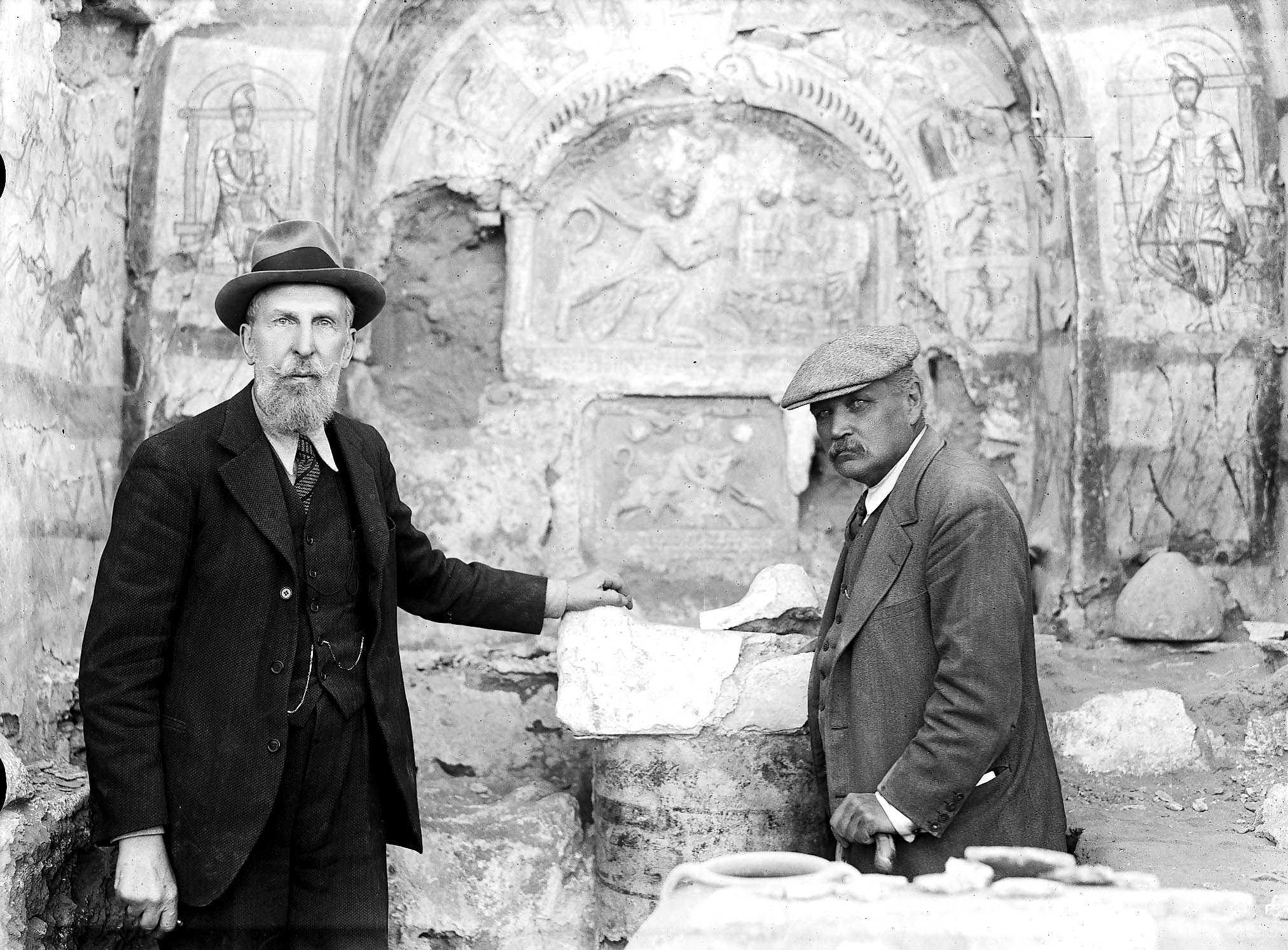
The most emblematic of the Syrian Mithraea was discovered in 1933 by a team led by the Russian historian Mikhaïl Rostovtzeff.

Samsat, formerly Samosata is a small town in the Adıyaman Province of Turkey, situated on the upper Euphrates river.
Burham is a village and civil parish in the borough of Tonbridge and Malling in Kent, England.
Tiddis was a Roman city that depended on Cirta and a bishopric as Tiddi, which remains a Latin Catholic titular see. It was located on the territory of the current commune of Bni Hamden in the Constantine Province of eastern Algeria.
