This site uses cookies to offer you a better browsing experience.
Find out more on how we use cookies in our privacy policy.
 
Support The New Mithraeum The New Mithraeum is an independent, non-profit project dedicated to Mithraic studies, ancient religions and classical culture. Developed and maintained independently since 2007, the site exists without advertising, paywalls or institutional funding. If you have found value in its articles, interviews, photographs or database, please consider supporting the project with a contribution. Every contribution helps keep The New Mithraeum open, free and alive. Thank you.
Support us →
Monumentum

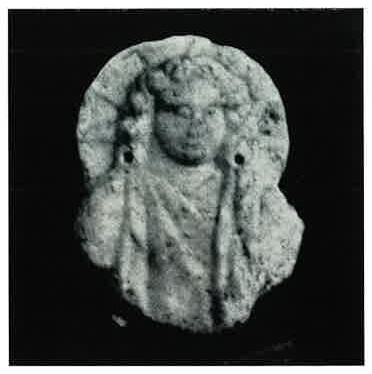
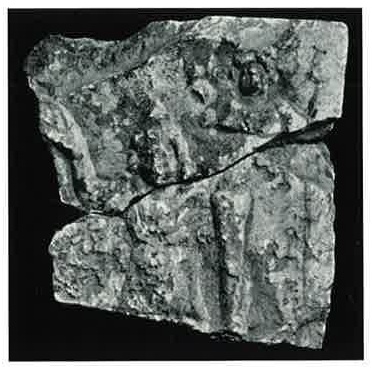
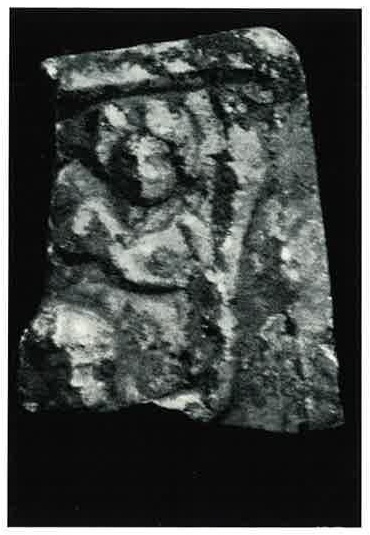
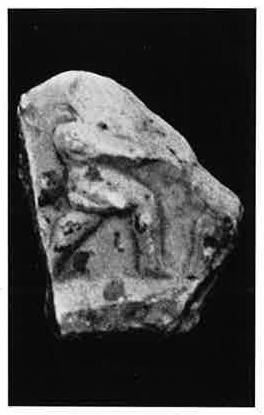
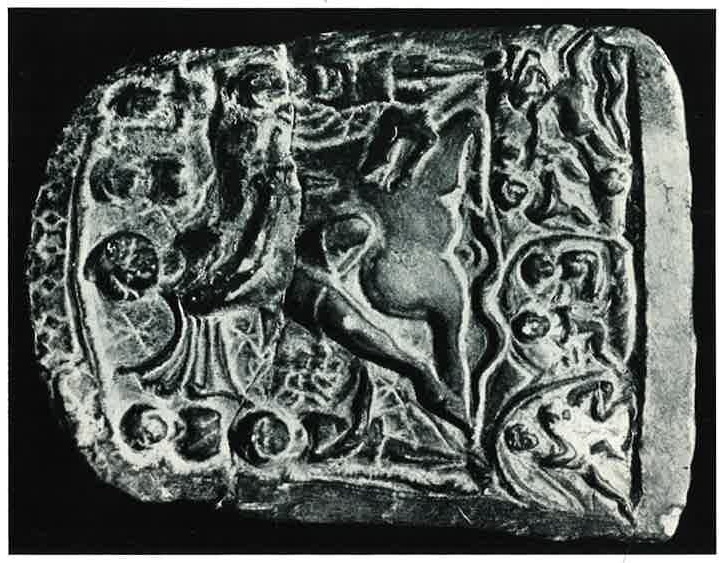
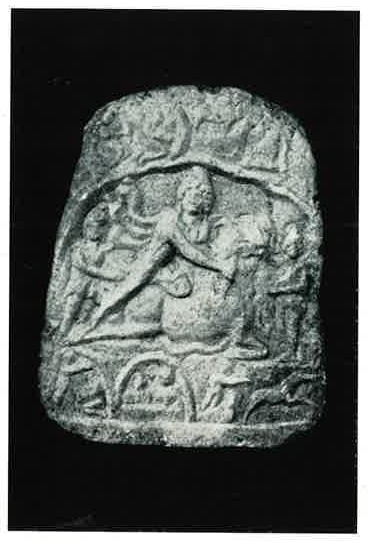
Multi-scene tauroctony relief from Sarmizegetusa

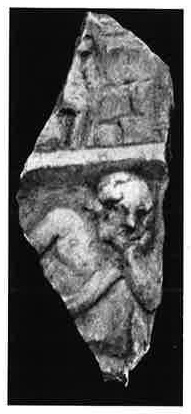
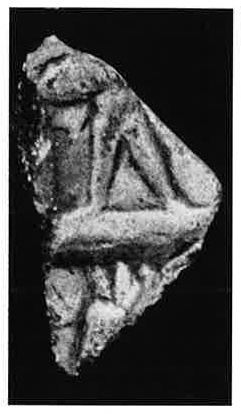
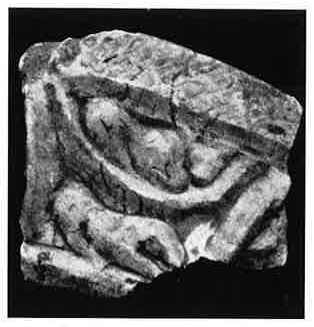
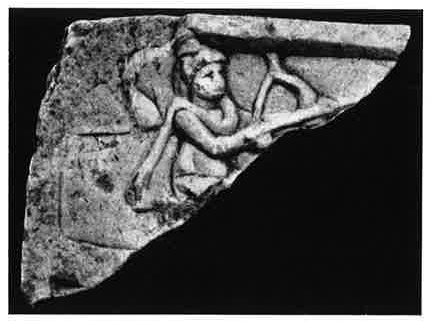
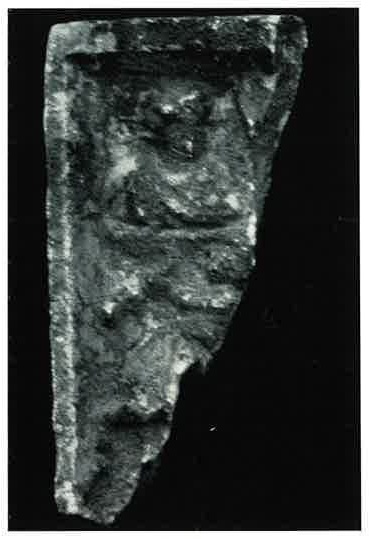
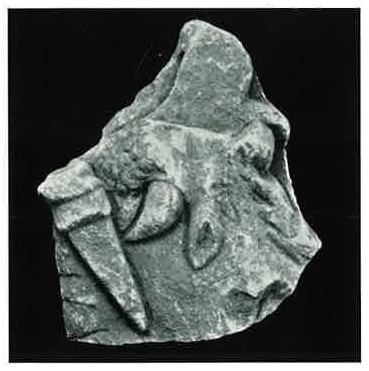
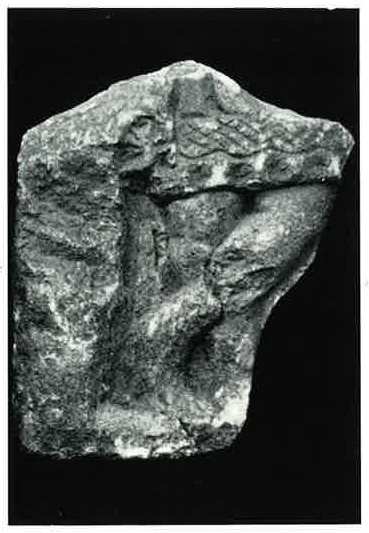
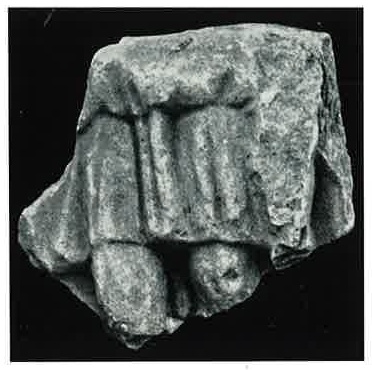
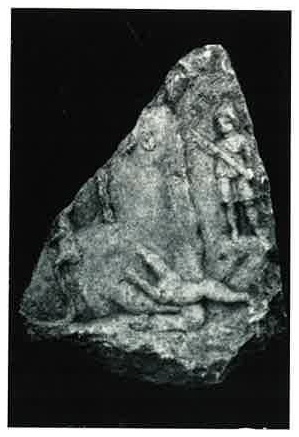
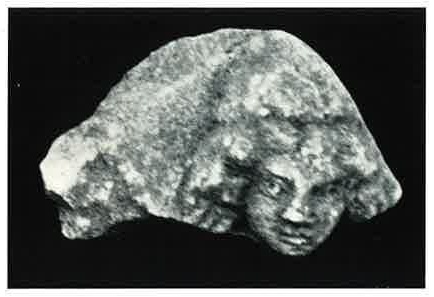
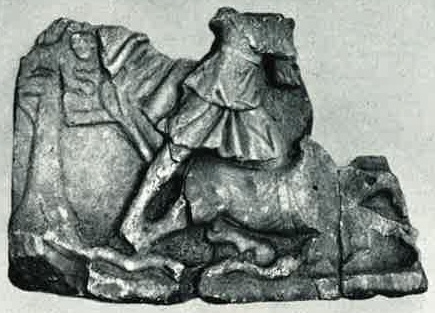
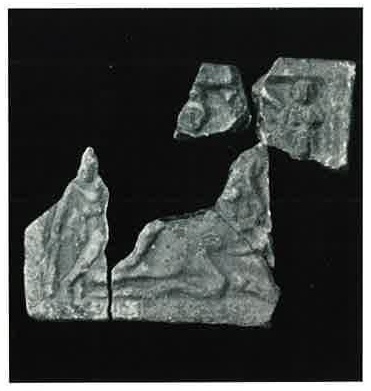
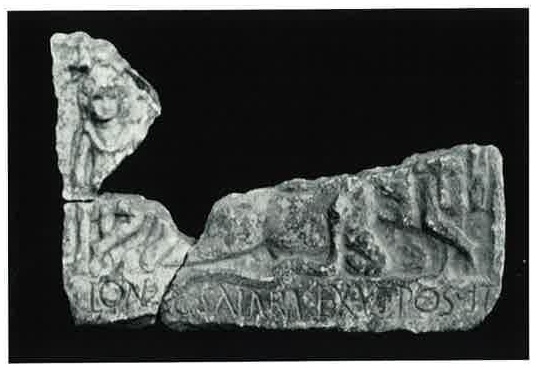
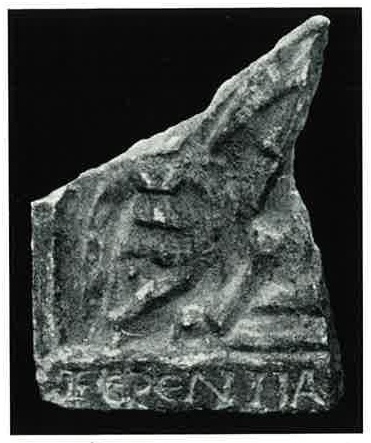
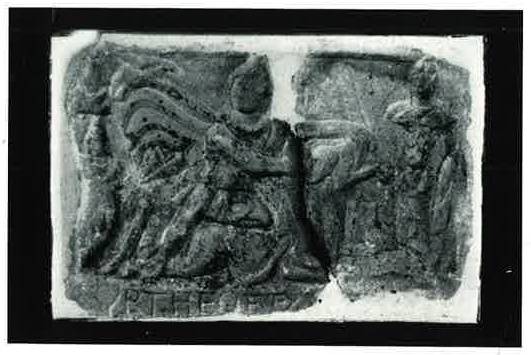
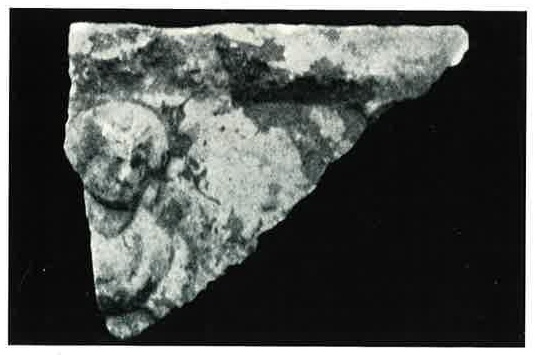
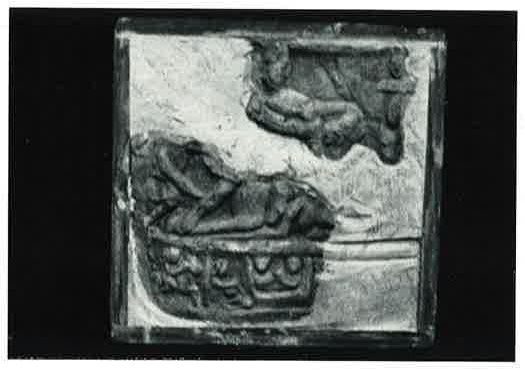
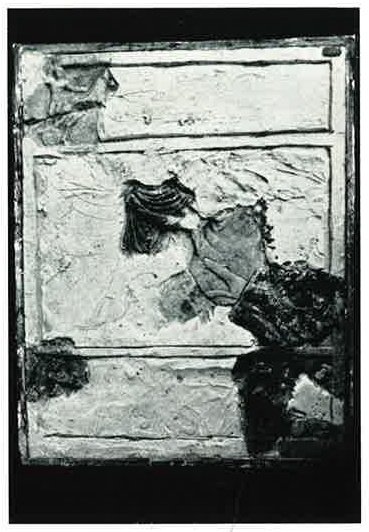
Seven fragments of a white marble tauroctony relief from the Mithraeum at Sarmizegetusa, Dacia, depicting the central bull-slaying with a rich programme of subsidiary Mithraic scenes.
Multi-scene tauroctony relief from Sarmizegetusa

Multi-scene tauroctony relief from Sarmizegetusa
CIMRM

 
The New Mithraeum
27 May 2026

TNMM 1899 ↔ CIMRM 2044

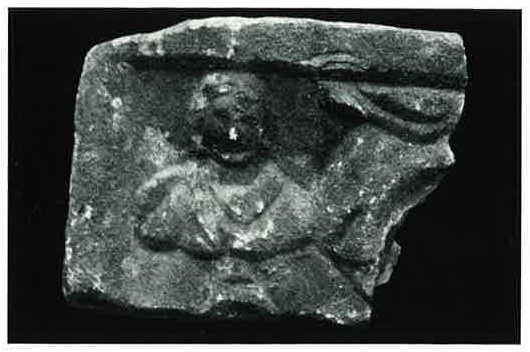
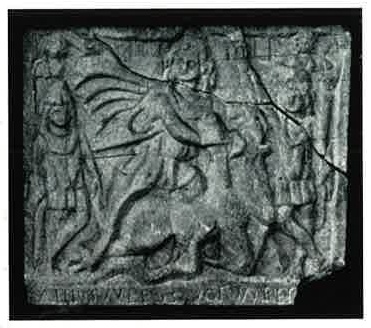
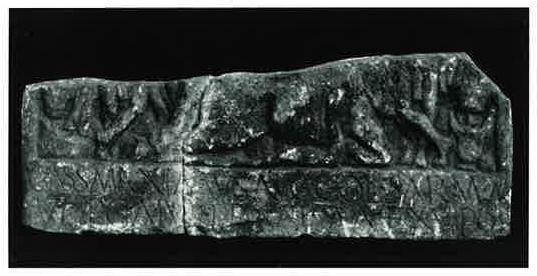
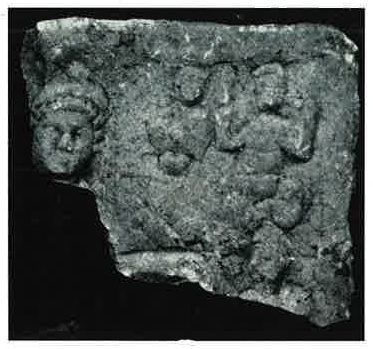
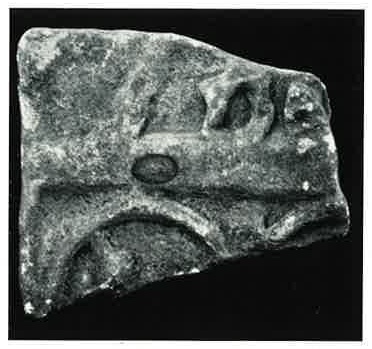
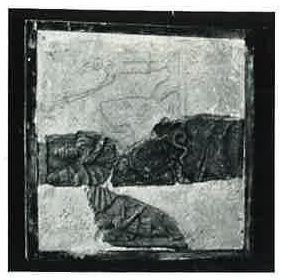
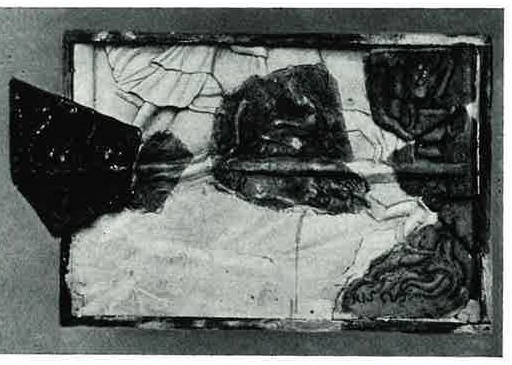
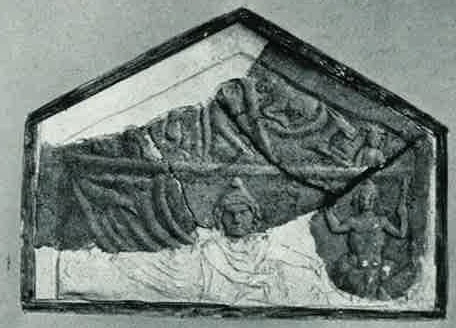
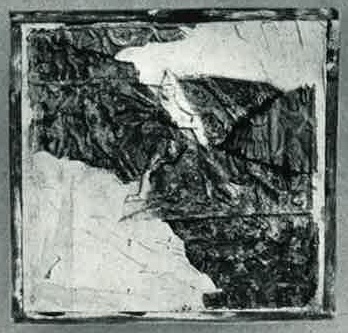
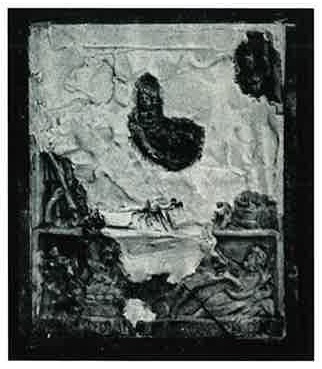
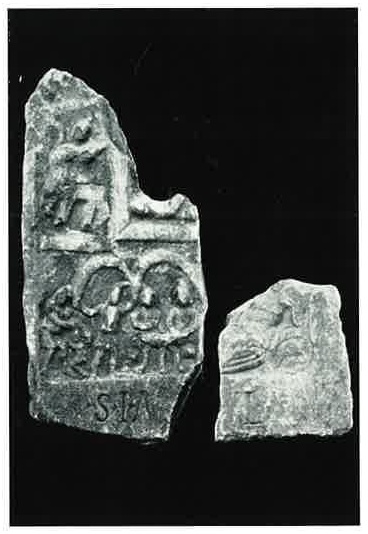
Seven fragments of a white marble relief (H. 0.295 Br. 0.40 D. 0.02).

Studniczka, 214 No. 29 and 221 No. 41; Kiraly, 58ff No. 143 and 144 with Pl. XIII, 1 and XXIII, 2; MMM II 293 No. 165 and fig. 148; LeRoy Campbell in Berytus XI 1954, 52 No. 526. See fig. 538.

The main scene is surrounded by a laurel wreath. Mithras as a bullkiller above a horizontal rim. The bull lashing its flanks with its tail. The god's head and part of his flying cloak are lost. On his dress traces of red colour. The dog and the raven; the scorpion is not visible; the serpent is represented under the horizontal rim. Of the two torchbearers only Cautopates (l) is preserved.

Outside the wreath there are other scenes:

1) Behind Cautopates Mithras riding the bull. He grasps one of the horns.

2) The forefeet and the tail of the bull (Mithras taurophorus).

3) Indistinct fragment (rock?).

Under the main scene from l. to r. (according to me not belonging to this same relief):

4) The quadriga of Sol seizing Mithras by one hand in order to help him ascending.

5) Three altars in a row and above the r. one a rectangular object (plate?).

6) Above a horizontal rim the remnants of a reclining person (Oceanus or Saturnus).

In the bottom border an inscription:

References

Back to Top