Your search Podersdorf am See gave 2325 results.
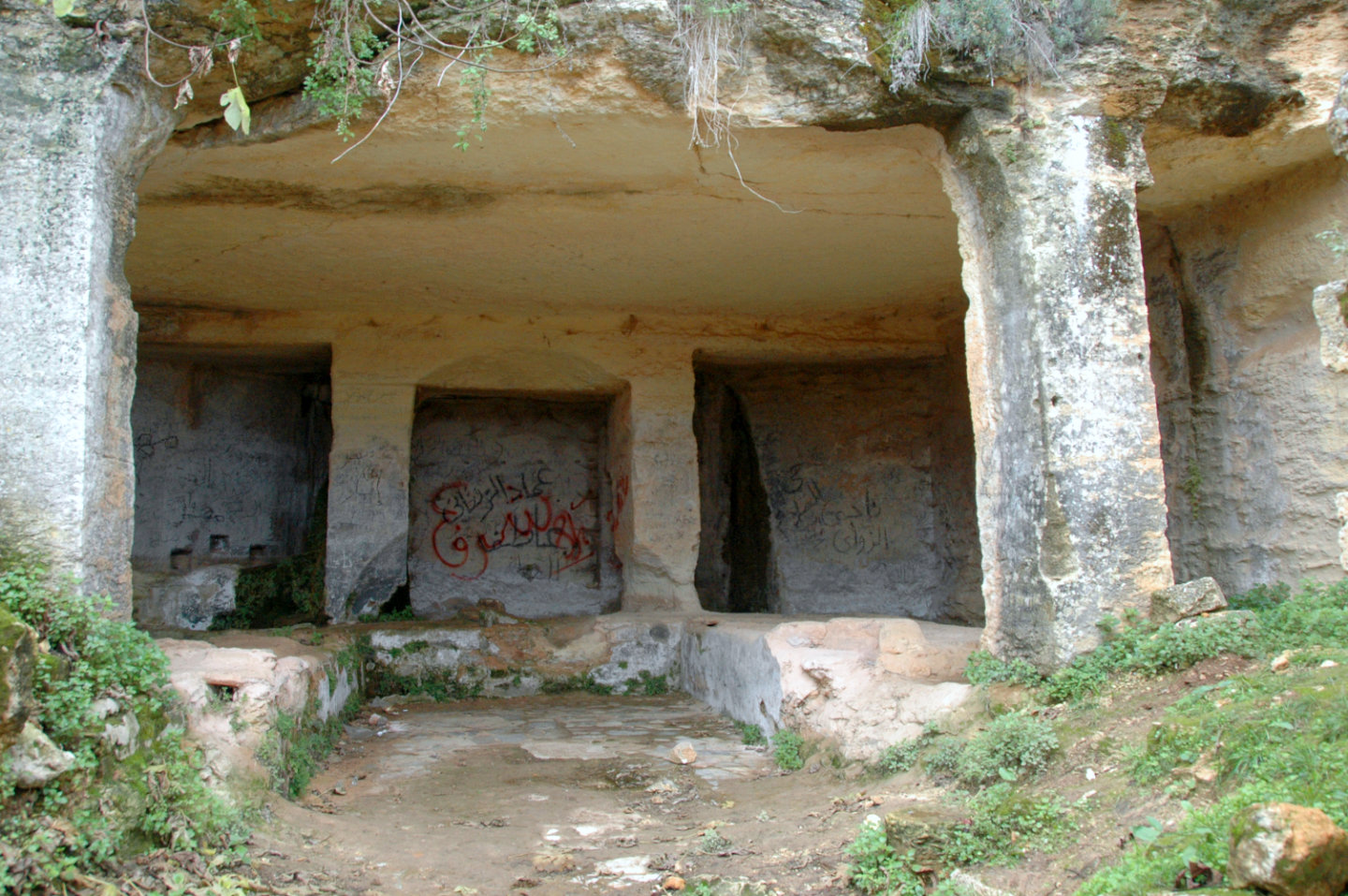
The Mithraeum of Cyrene is preserved among the remarkable ruins of the ancient capital of the Roman province of Cyrene.
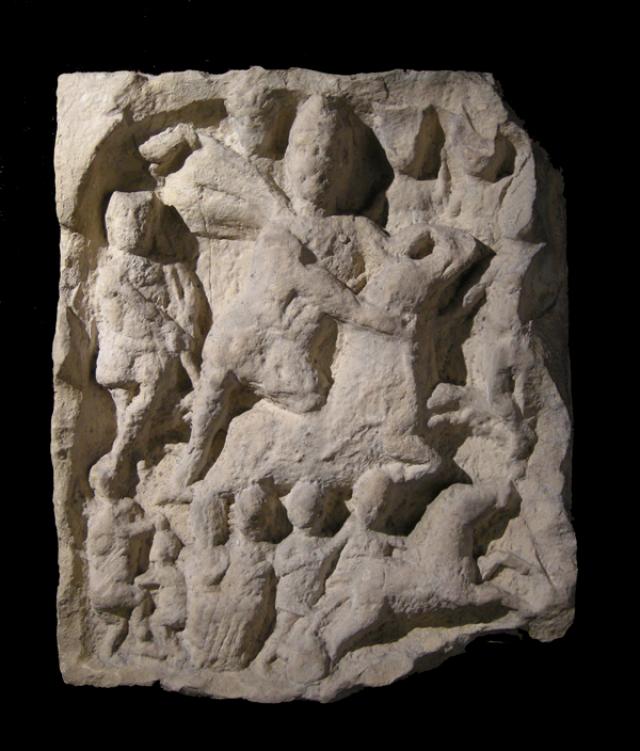
This stone in basso relief of Mithras killing the bull was found 10 foot underground in Micklegate York in 1747.

Limestone slab dedicated to the invincible Sun by the governor Marcus Aurelius Decimus near the temple of Aesculapius.
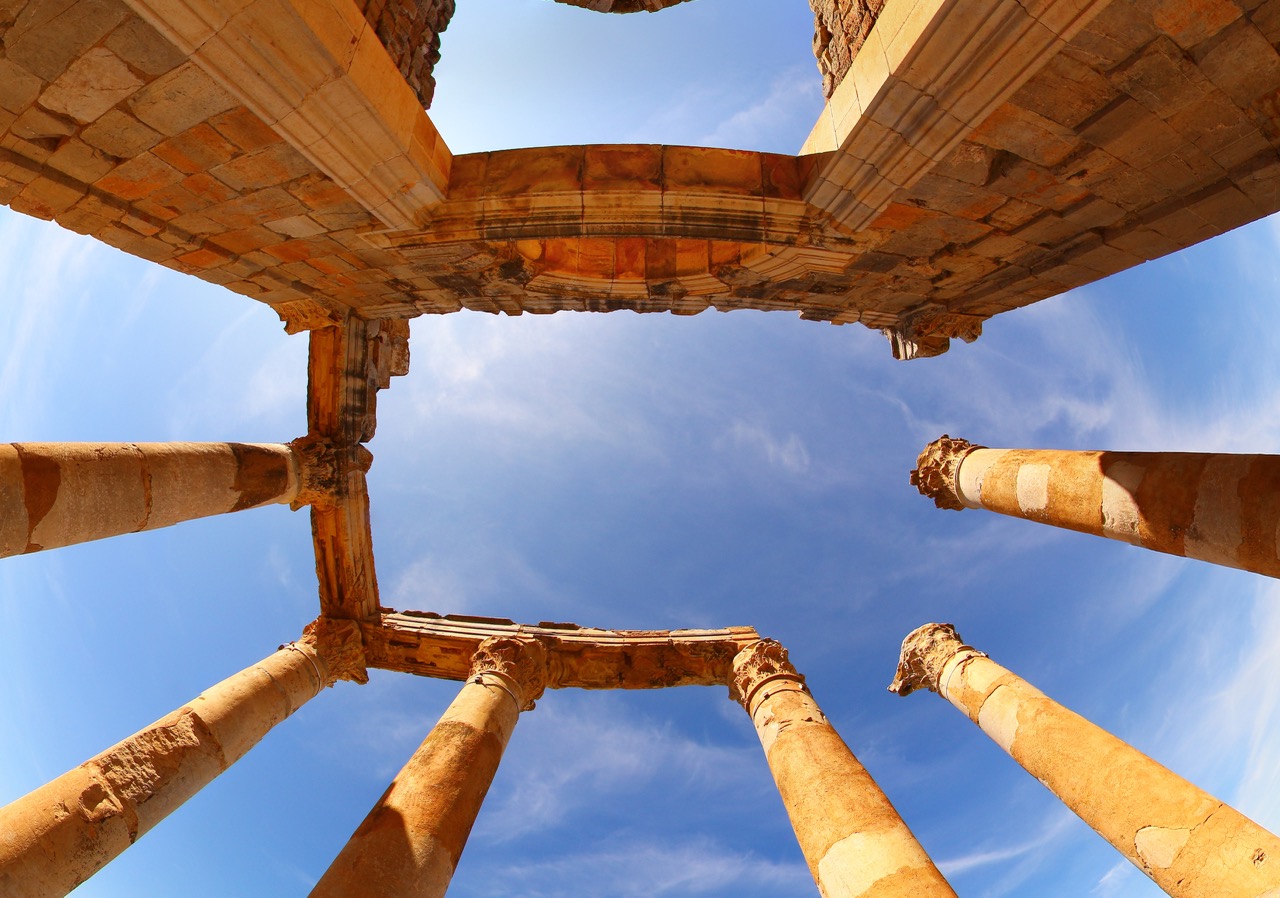
Roman colonial city of Numidia, later known as Djémila, renowned for its exceptionally well-preserved late antique urban remains.

Solicinium occupied an important position within the frontier region of southwestern Germania.
Bingen occupied a strategic position at the confluence of the Rhine and Nahe rivers.
Beihingen occupied a position within the Neckar frontier communications zone.
A settlement of Cappadocia located within the inland communications network of central Anatolia during the imperial period.
Aequinoctium occupied an important position along the Danubian frontier communications routes.
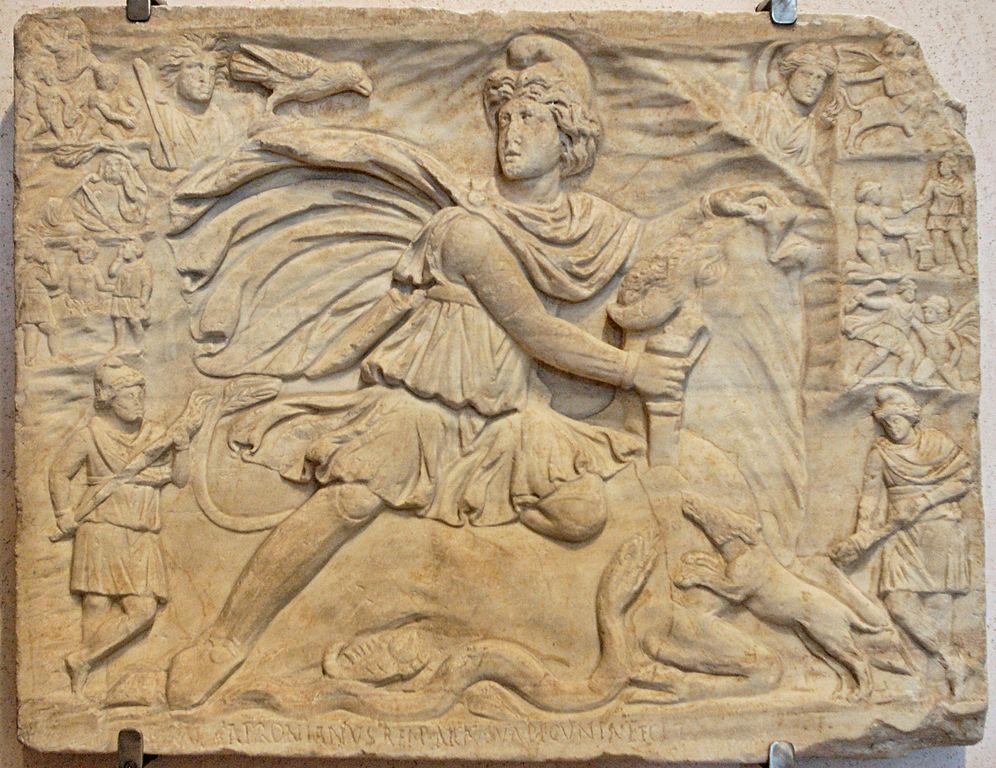
The relief of Mithras slaying the bull of Nersae includes several episodes from the exploits of the solar god.
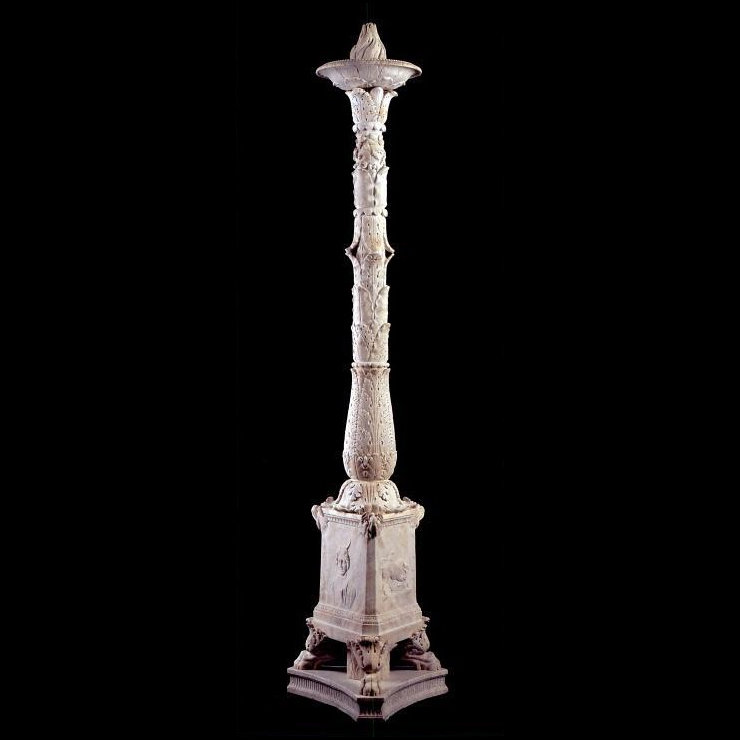
This magnificent candelabrum was found in Rome in 1803, in the Syrian Temple of Janicule.
Mithraic sanctuary found at Sárkeszi near Székesfehérvár, Pannonia Inferior, in a place called Ságvölgyi; yielding altars, tauroctony reliefs, and cult objects.
Inscription from Schwadorf, ancient Aequinoctium in Pannonia Superior, dedicated to Petrae genetrici dei — the rock that gives birth to the god — by Aurelius Statorius.

Small bronze figure of the torchbearer Cautes fitted with attachment rivets.
Fresco showing a mystagogus pressing down the shoulders of a kneeling myste, attended by a third figure in Phrygian cap, from the initiation sequence of the Mithraeum of Capua.
Fresco depicting Cautopates in Eastern attire between two laurels, cross-legged, pointing his torch downwards over a burning altar, from the Mithraeum of Capua.
Reworked limestone altar dedicated by the governor of Numidia during the period of the Diocletianic persecutions.
Square bronze plate from Mithraeum III at Heddernheim, ancient Nida, probably a cult tessera bearing barely legible engraved letters

Fragment of a statuette on a sandstone base found in Mithraeum III at Heddernheim, ancient Nida, formerly in the Häberlin collection
Two basalt altars set into the corners of the west podium at Mithraeum III, Heddernheim, ancient Nida, one now lost
