Your search Podersdorf am See gave 2325 results.

Red sandstone altar from the Mithraeum at Dieburg that had been reused, its original inscription obliterated and replaced with a dedication to Deo invicto Mithrae
Yellow sandstone relief from the Mithraeum at Dieburg depicting Hercules standing with the Nemean lion
Votive altar from the Mithraeum at Dieburg inscribed by Hermapiostor, dedicated ex iussu
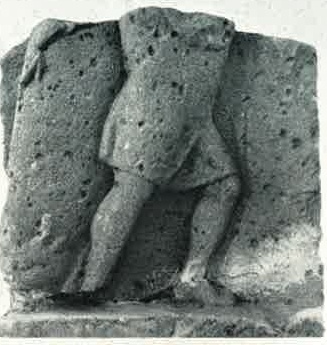
Red sandstone relief from the Mithraeum at Dieburg showing Mithras in Oriental dress carrying the bull on his shoulders
Red sandstone statue of Mithras naked being born from the rock, found in a pit near the entrance of the Mithraeum at Dieburg
Fragment of an altar from Alzey, ancient Vicus Altiajensium, dedicated to Deo invicto by Adiutorius Tertius, found in the north-west corner of the castellum in 1920
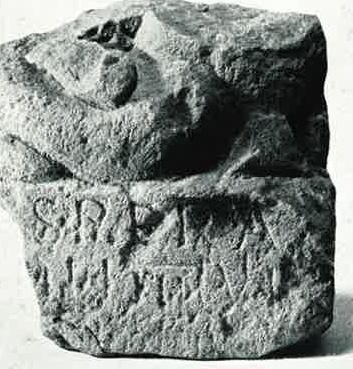
Fragment of a sandstone statue found during cellar excavations at Gross-Krotzenburg in 1848, possibly belonging to the Mithraeum
Small finds from the Gross-Krotzenburg Mithraeum including a Phrygian-capped head, a pinecone fragment, coins of Trajan and Hadrian, and column fragments
Sculpted torchbearer relief discovered near the Roman fort of Castellum Echzell.
Circular stone base wrapped by a serpent, possibly belonging to a representation of Aion.
Fragmentary head wearing a Phrygian cap discovered with a Mithraic relief.
Marble stele relief with bull-slaying scene and subsidiary Mithraic episodes including the sacred banquet.
Fragmentary limestone relief showing the torchbearer Cautopates with a pedum.
Dedication to Mithras mentioning Freio and Friatto.
Terracotta matrix used to produce vessels decorated with the bull-killing scene of Mithras.
Fragmentary inscription from Pola preserving a possible reading of the name Atticus.
Marble relief showing Mithras slaying the bull inside a vaulted cave accompanied by Sol, Luna and the torchbearers.
Group of monuments from Lepcis Magna published among the principal Mithraic remains of Roman Tripolitania.

The tauroctonic relief from Dragus includes a naked flying figure that Vermaseren has identified as Phosporus or Lucifer.
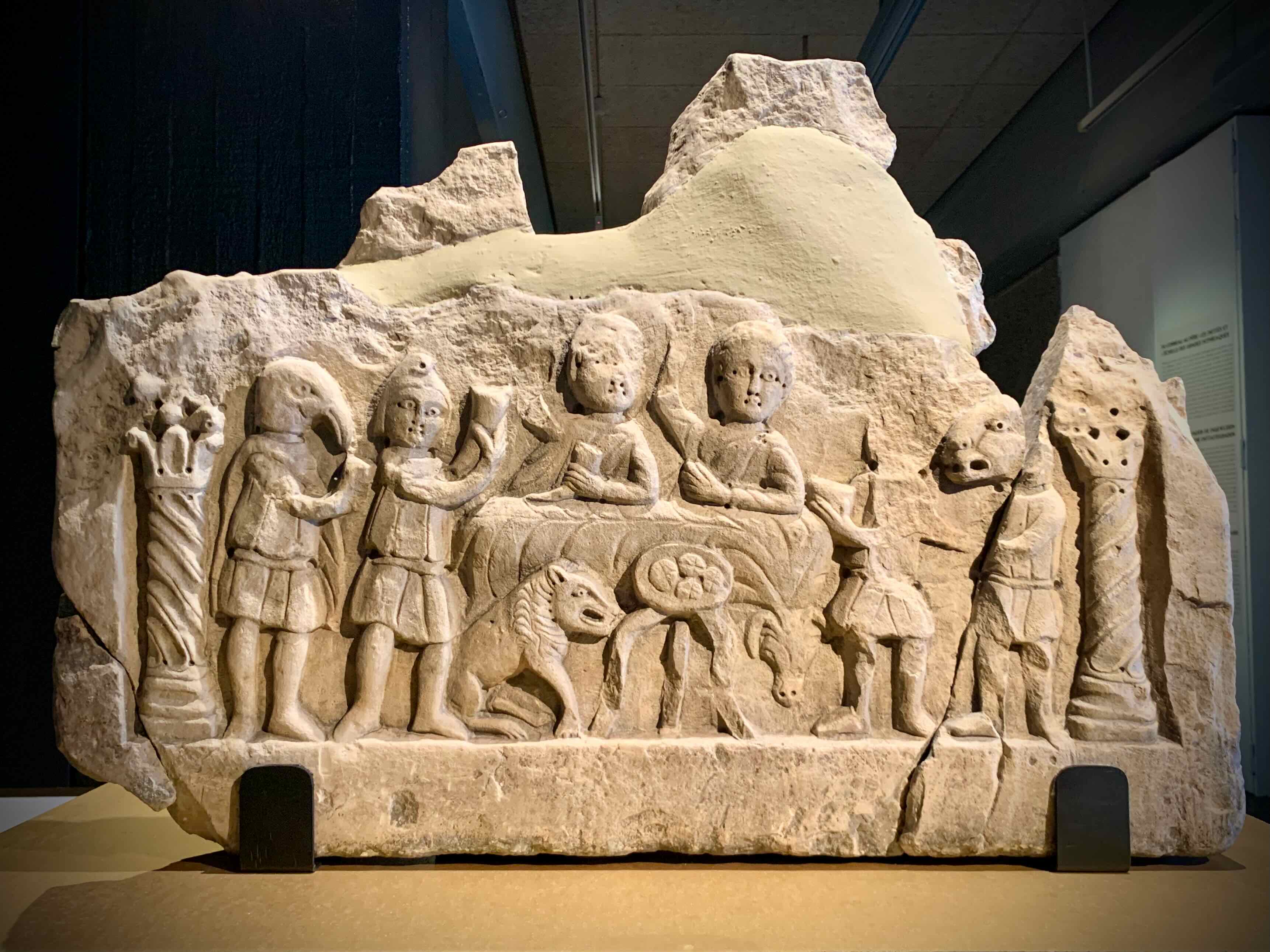
The mithraic relief of Konjic shows a Tauroctony in one side and a ritual meal in the other.
