Your search Podersdorf am See gave 2330 results.
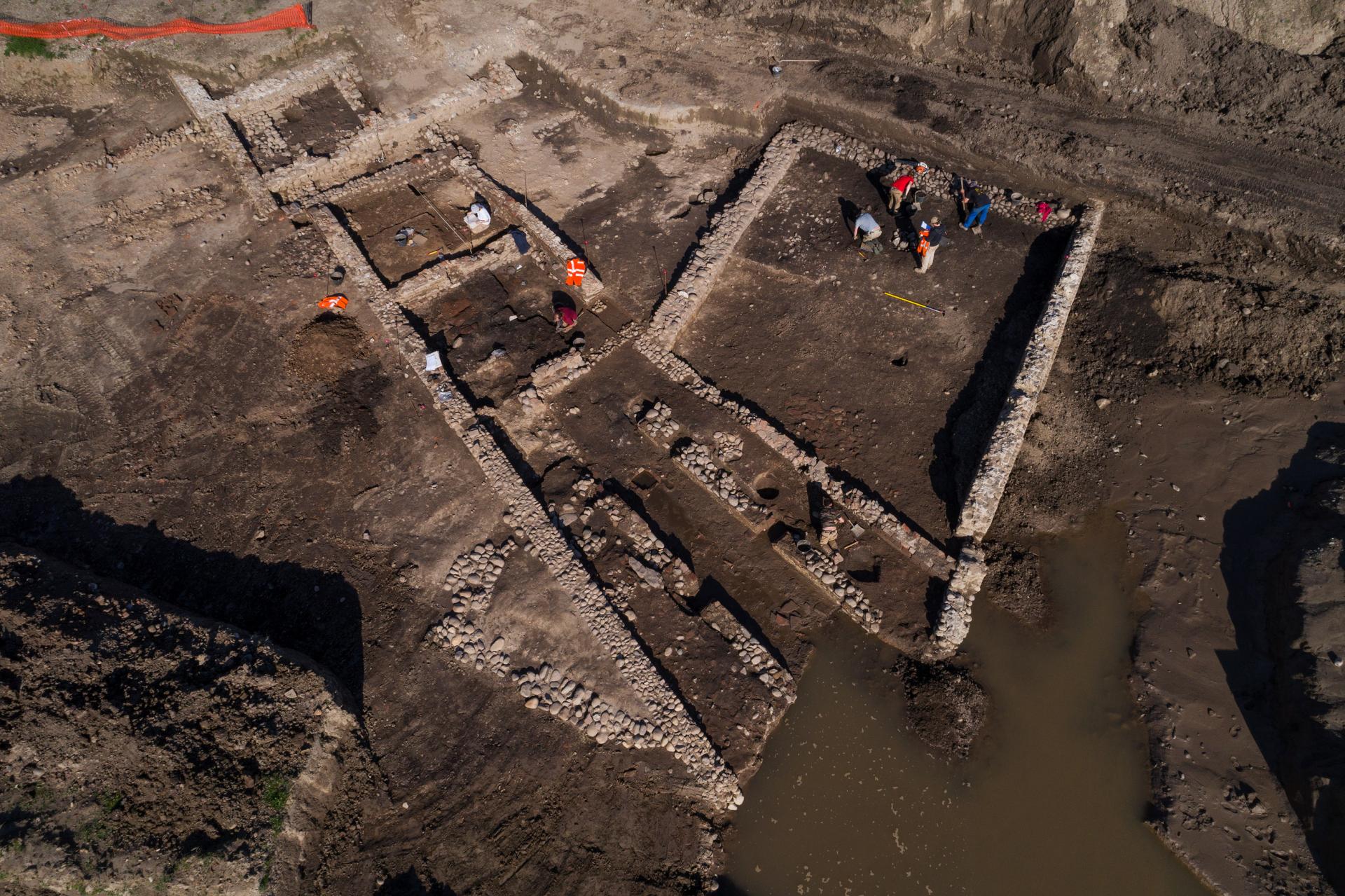
For the first time, a Mithraeum has been discovered in Corsica, at the site of Mariana, Lucciana (Haute-Corse).
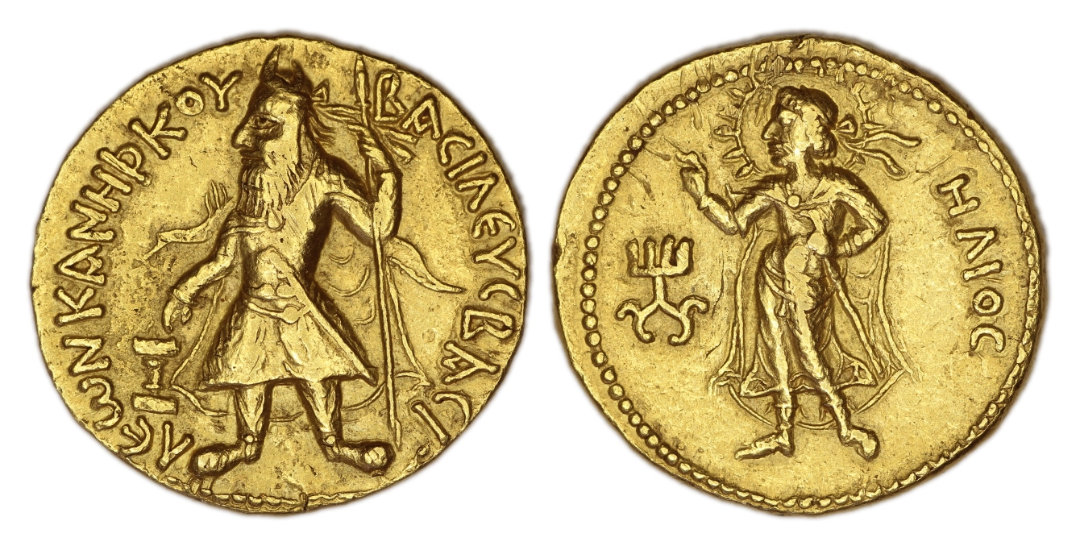
This gold coin depicts Kanishka I on one side and Mithras standing on the other side.
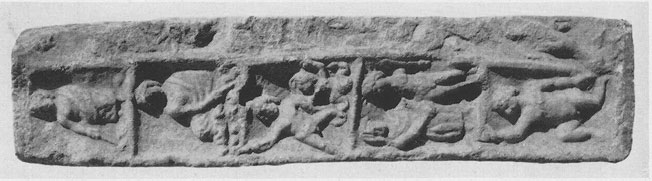
Fragment of a double-sided white marble Mithraic relief from San Zeno, found near the Castello di Tuenno, depicting elements of the tauroctony cycle and bearing a dedication to Deo Invicto Mithrae.
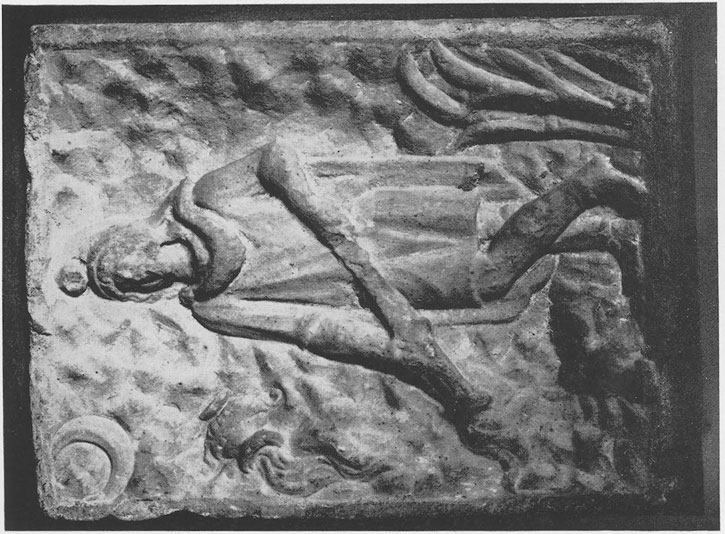
Limestone low-relief depicting Cautopates standing cross-legged in eastern dress, accompanied by a bull, flowing water from an overturned jar and a crescent from Bolognia.


Sandstone base from Vetera (Xanten), Germania Inferior, with a relief of Cautes in Oriental dress holding a long burning torch.
Sandstone statue of Cautopates holding two downward-pointing torches, from the Ober-Florstadt Mithraeum.
Fragmentary sandstone relief from Rückingen showing a male figure walking right and holding a kantharos. Traces on the chest may indicate a torques or shoulder-cape.
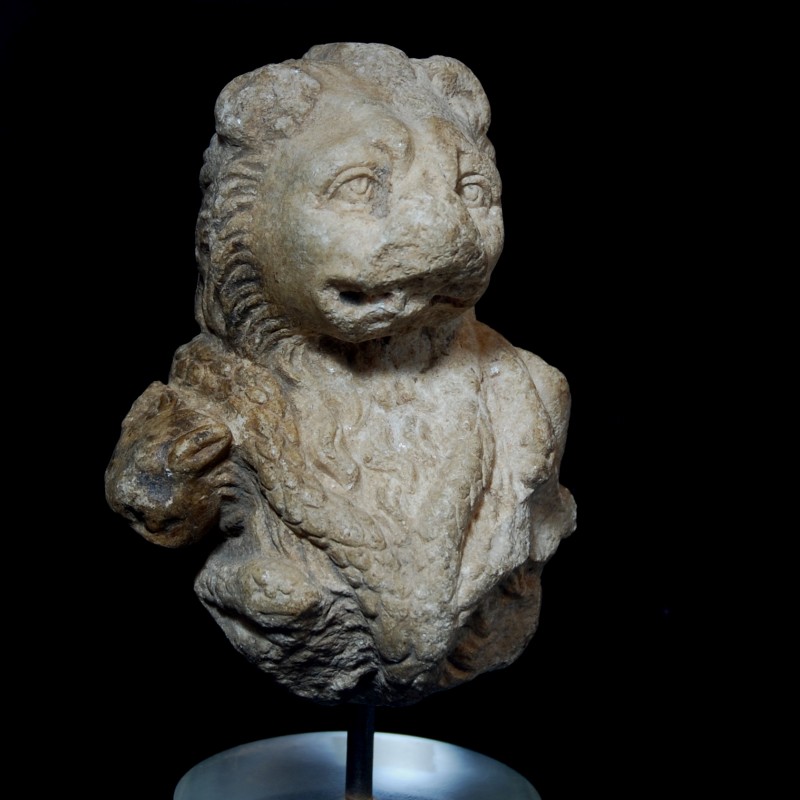
This bust of a lion-headed figure has been was part of a French private collection.
This Mithraic temple, also known as the Mithraeum of the Olympii, dates to the 3rd century and was rediscovered in 15th-century Rome, but it has not been preserved.
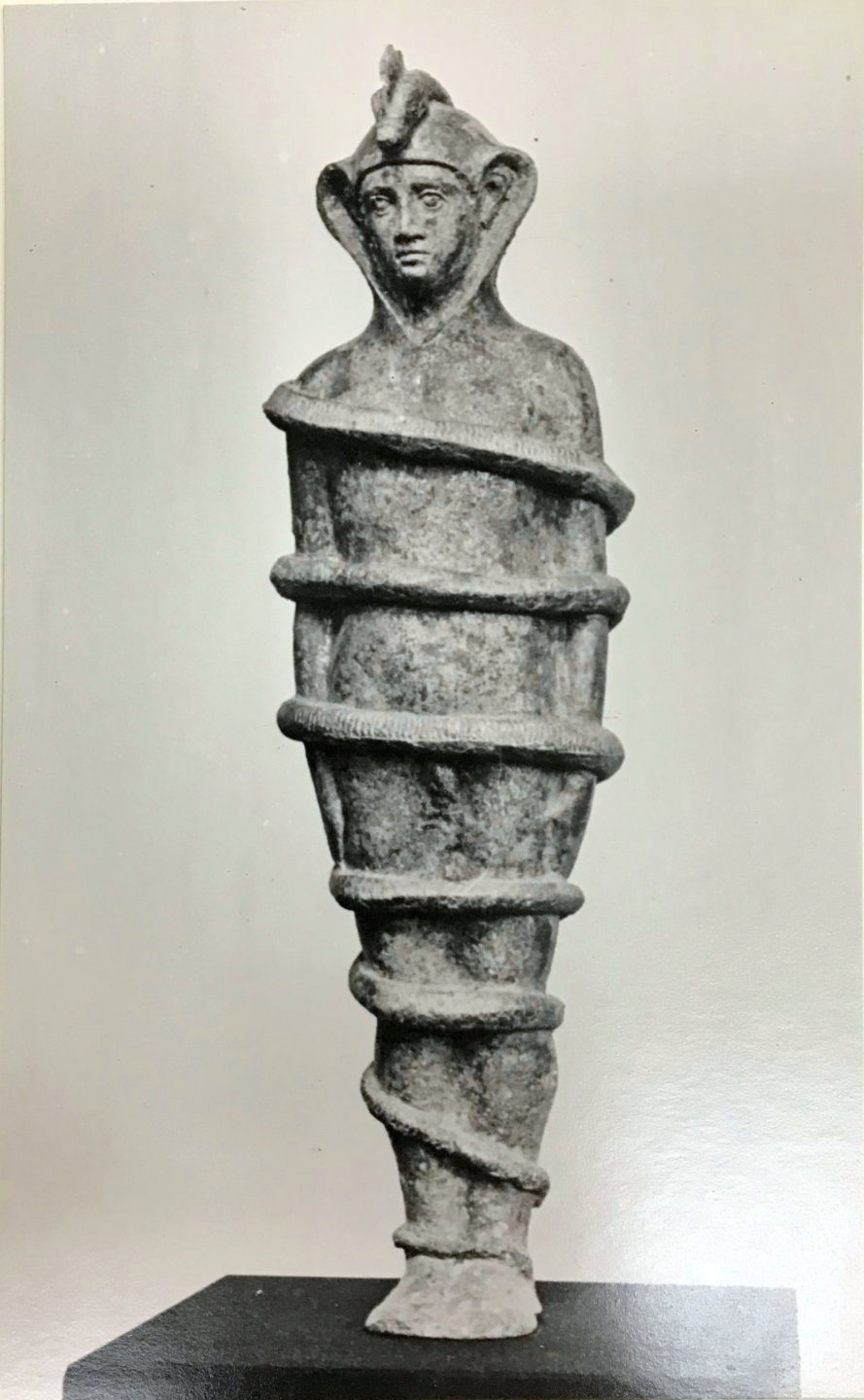
Roman relief from a sanctuary on the Janiculum Hill (Rome), showing a male figure bound by a serpent coiled seven times.
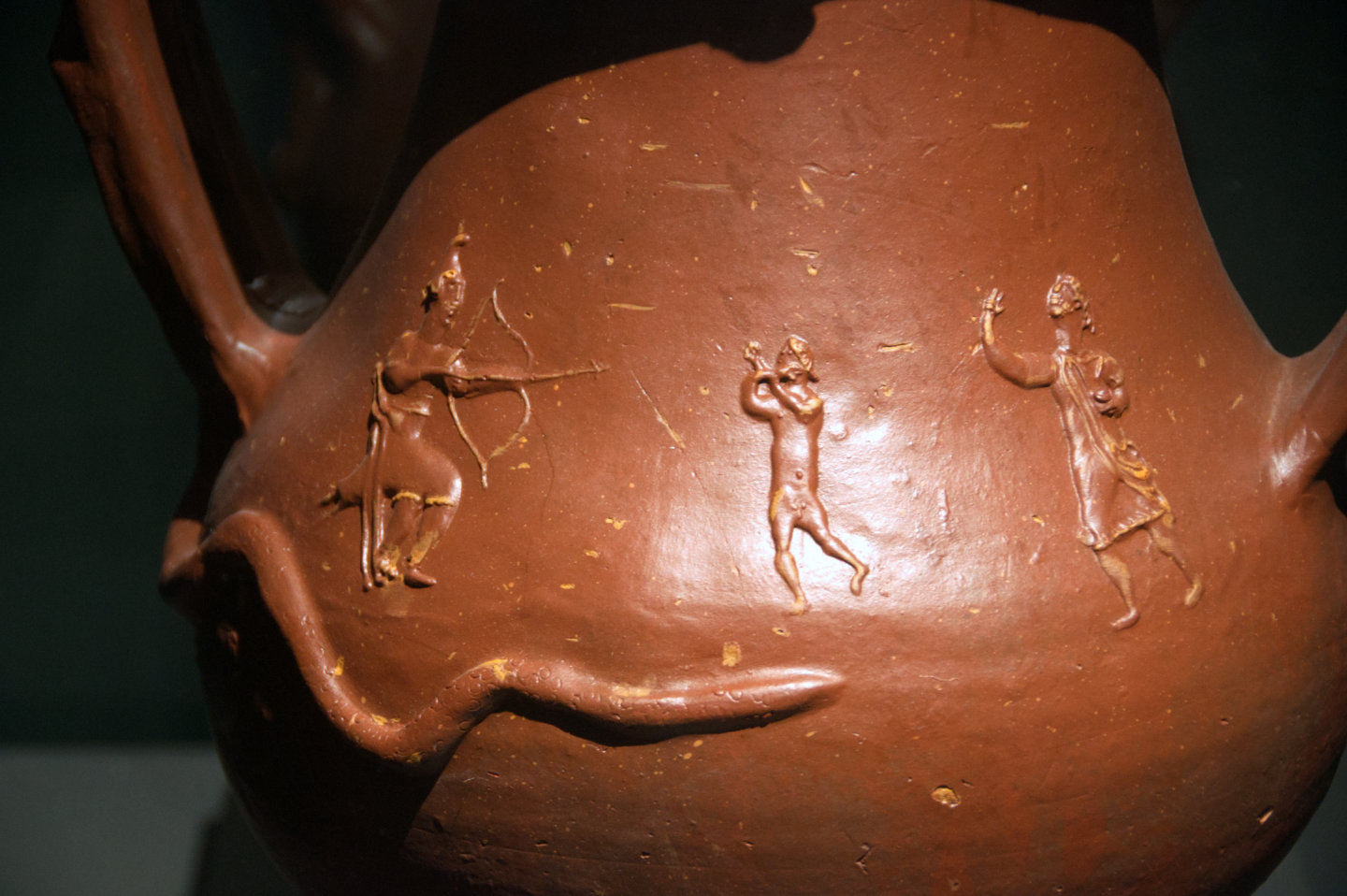
The Mithraic vase from Ballplatz in Mainz depicts seven figures arranged in two narrative sequences, commonly interpreted in relation to initiation rites.
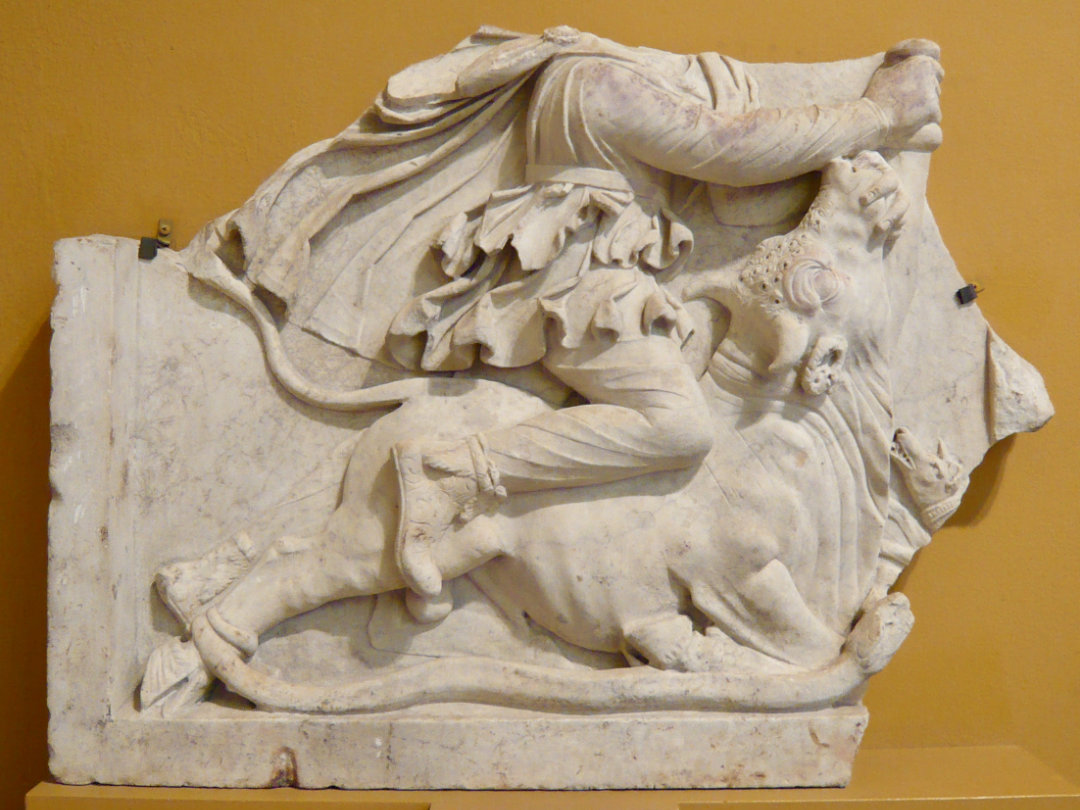
This fragmentary relief depicts Mithras killing the bull in the usual manner, remarkably dressed in oriental attire.

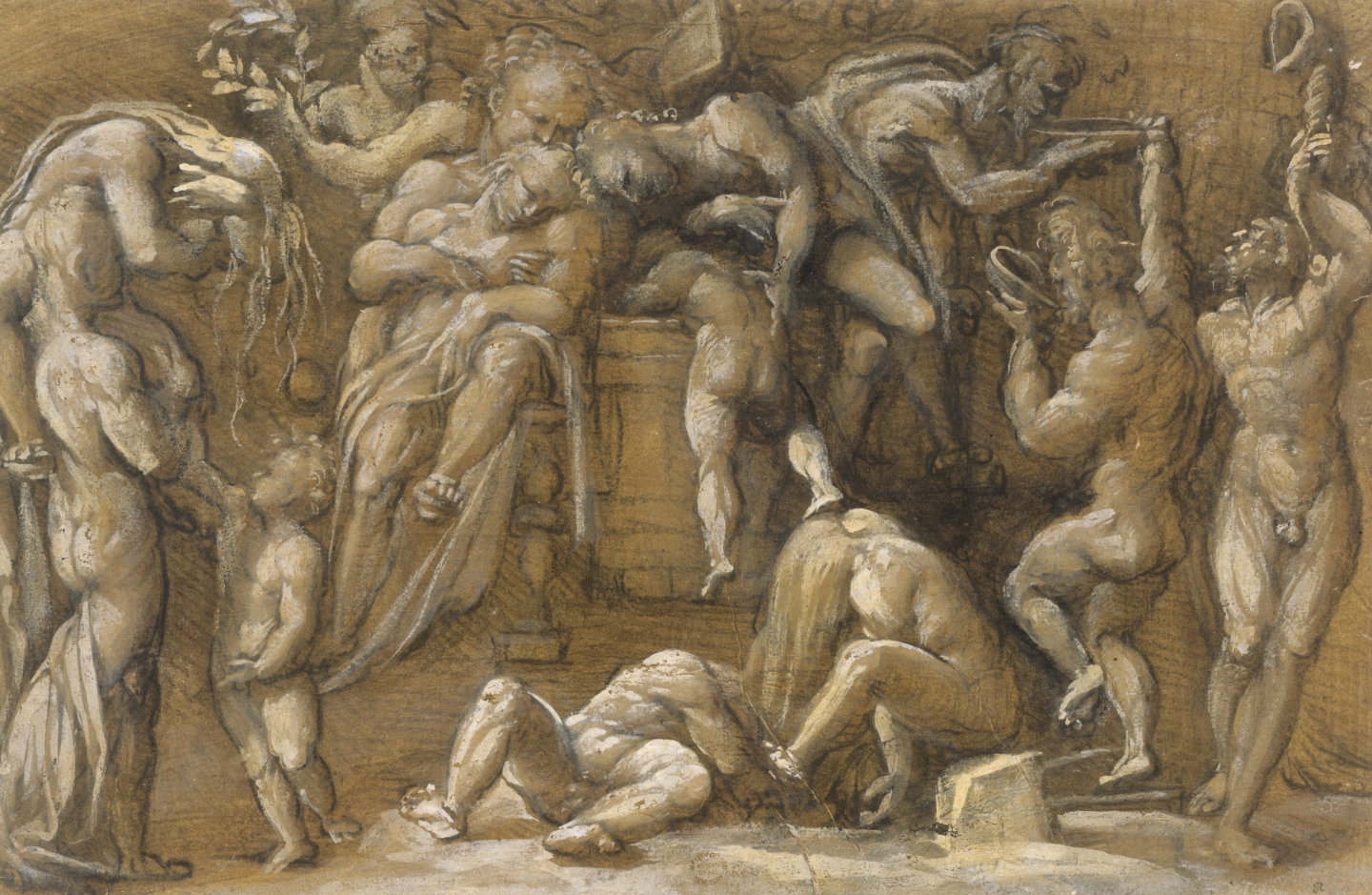
In polemical passages from the late second and early third centuries, Tertullian portrays the cult of Mithras as a demonic imitation of Christian rites and provides rare early references to Mithraic initiation and ritual symbolism.
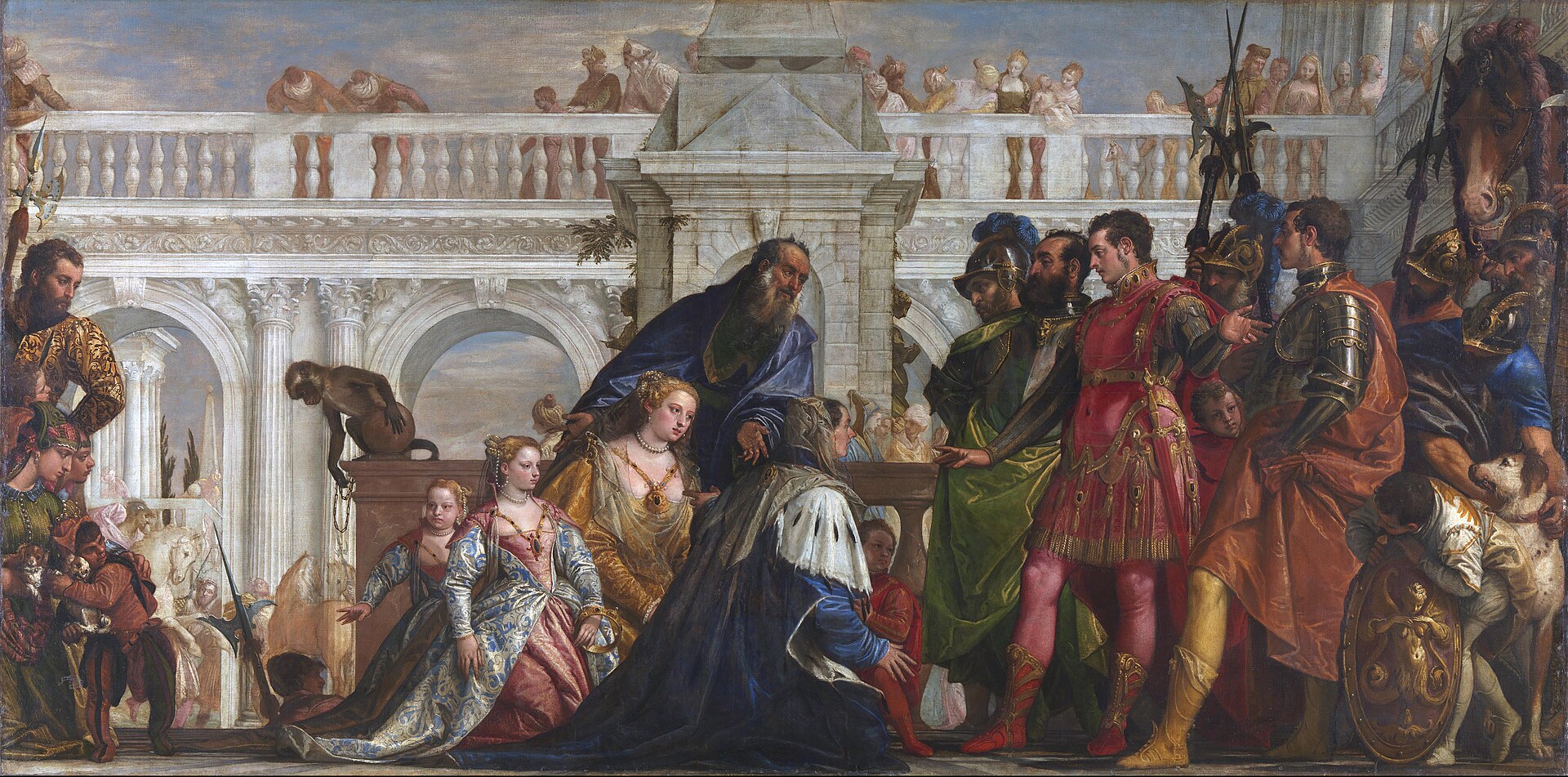
Late antique legendary biography of Alexander the Great (c. AD 300), where history, myth, and imperial ideology merge around figures of divine kingship and solar power.
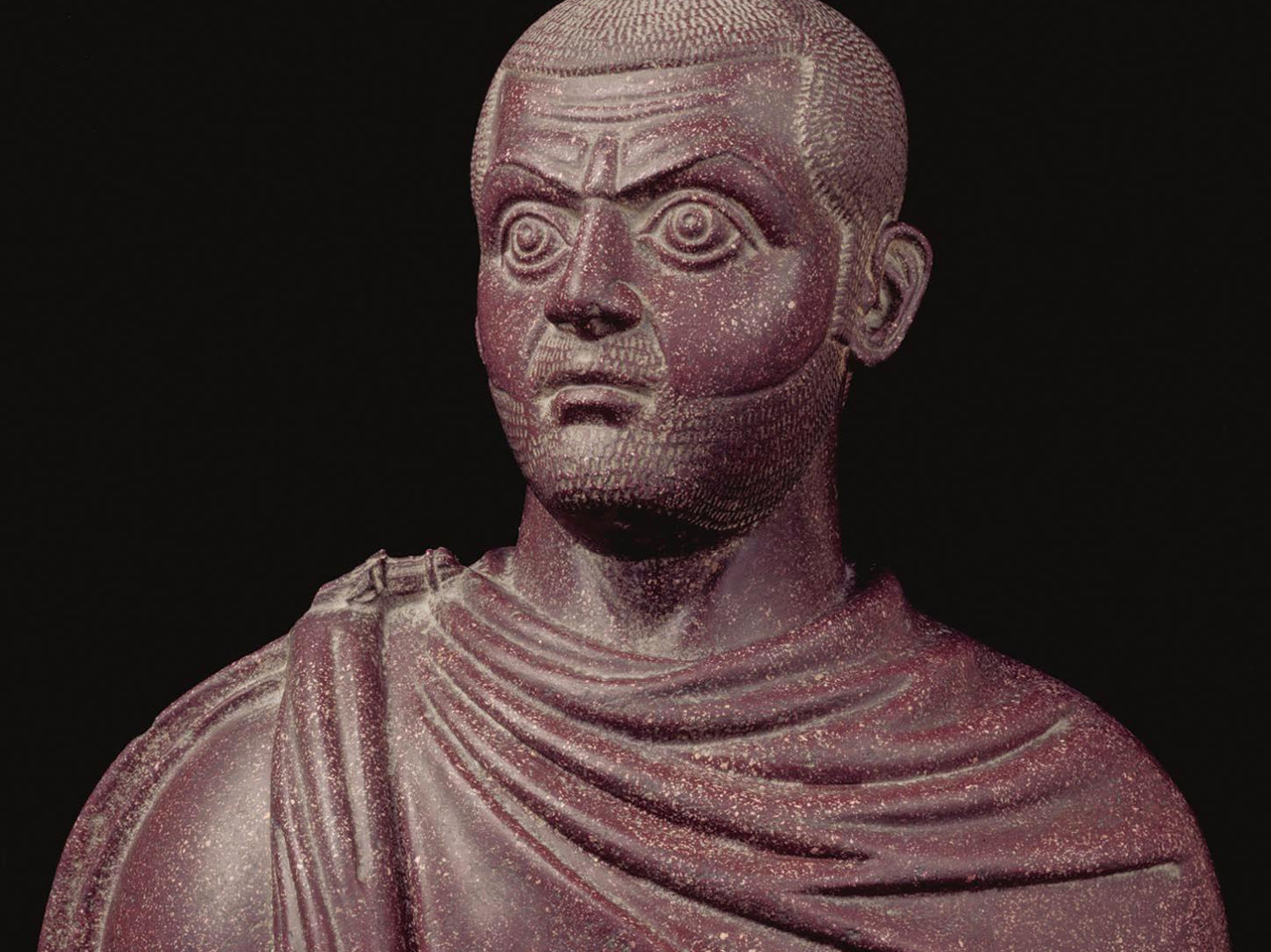
In the eighteenth year of Diocletian’s reign, Galerius Maximianus, persuaded by the sorcerer Theoteknos, consulted demonic oracles in a cave and was urged to initiate the persecution of the Christians.


A critical edition of the Mithras Liturgy (PGM IV.475–834), providing the Greek text, English translation, commentary, and an updated discussion of its interpretation since Albrecht Dieterich’s 1903 edition.
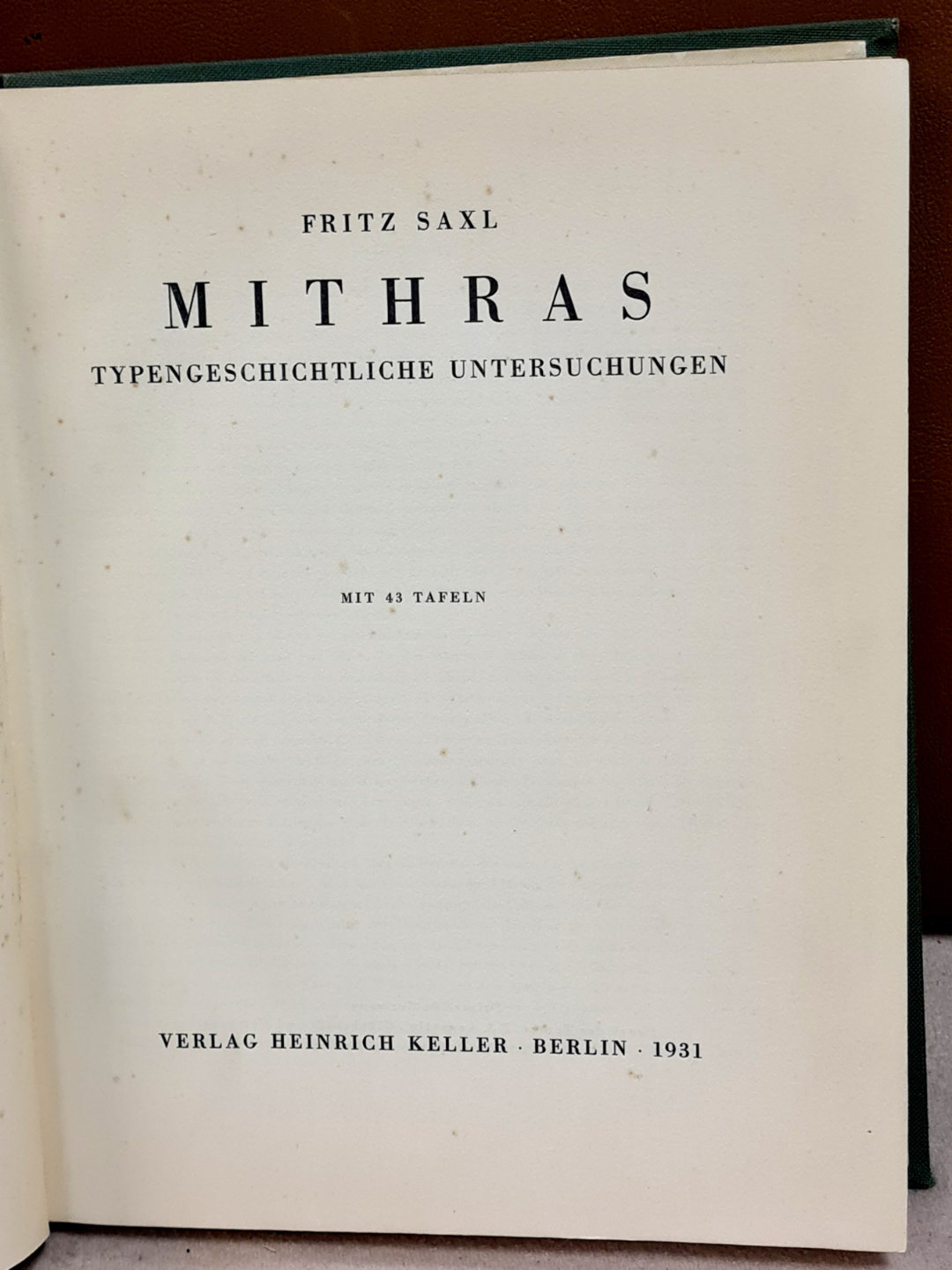
Fritz Saxl interprets Mithraism primarily through its images, proposing the cult as a visual cosmology structured around the descent, sacrifice and re-ascent of light, developed in close dialogue with Aby Warburg and Erwin Panofsky.
