Your search Richard Lebeau gave 33 results.
Second volume of Vermaseren's series Études préliminaires aux religions orientales dans l'Empire romain, Mithriaca, dedicated to a small Mithraic sanctuary on the island of Ponza in the Tyrrhenian Sea.

Corpus Inscriptionum et Monumentorum Religionis Mithriacae (or CIMRM) is a two volume collection of inscriptions and monuments relating primarily to the Mithraic Mysteries.

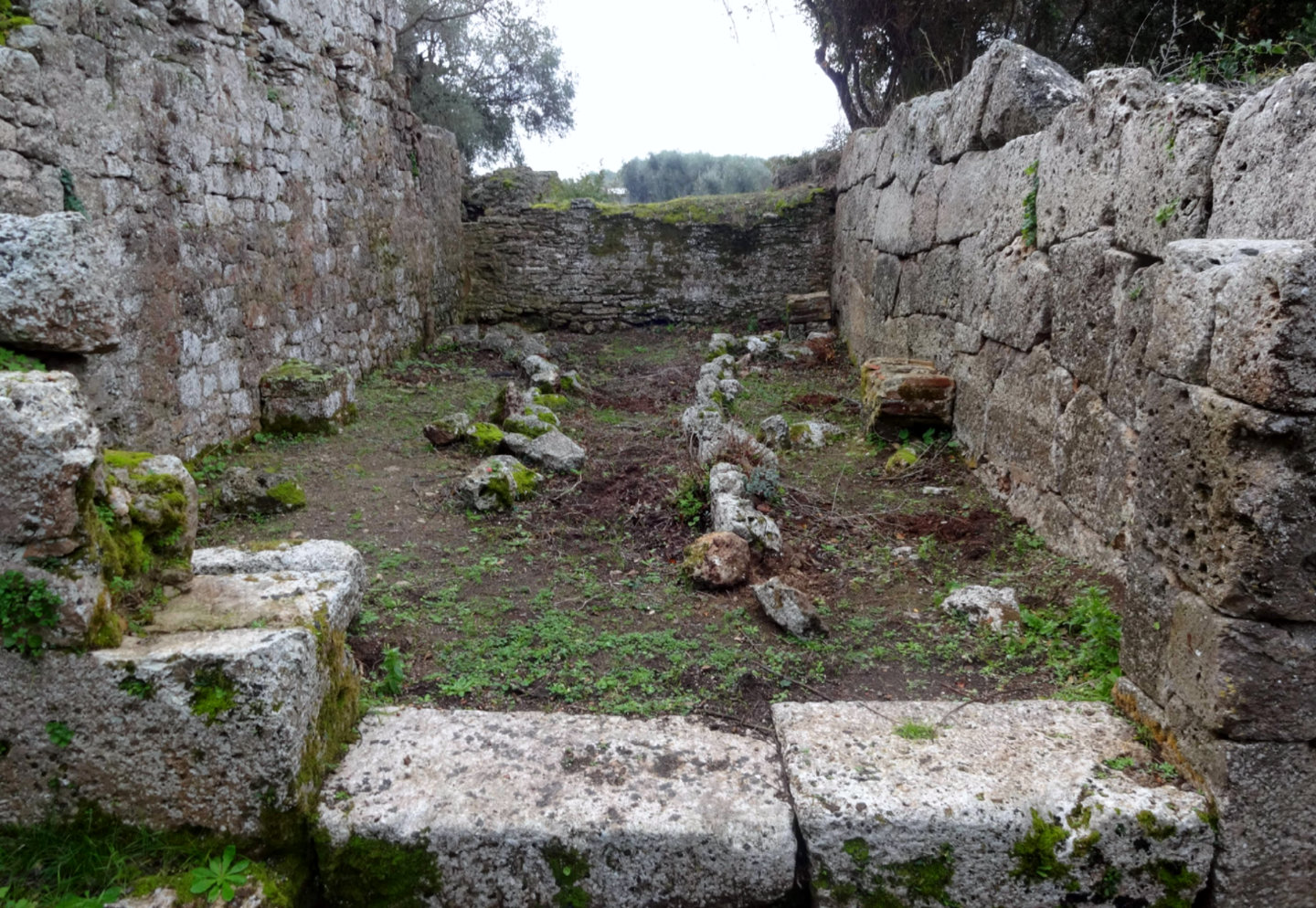
The Mithraeum was inserted into the basement of the basilica-theater by the 3rd century.

Tracing the links between the cult of Mithras and the Proud Boys’ quest for identity, power, and belonging. How ancient rituals and brotherhood ideals resurface in radical modern movements.

Over the last century or so, a great deal has been said about the god Mithras and his mysteries, which became known to the European world mainly through his Roman cultus during the Imperial Period.

Laurent Bricault has revolutionised Mithraic studies with the exhibition The Mystery of Mithras. Meet this professor in Toulouse for a fascinating look at the latest discoveries and what lies ahead.
Chapter of In Search of Cyrus devoted to the origins of the Iranian god Mithra.
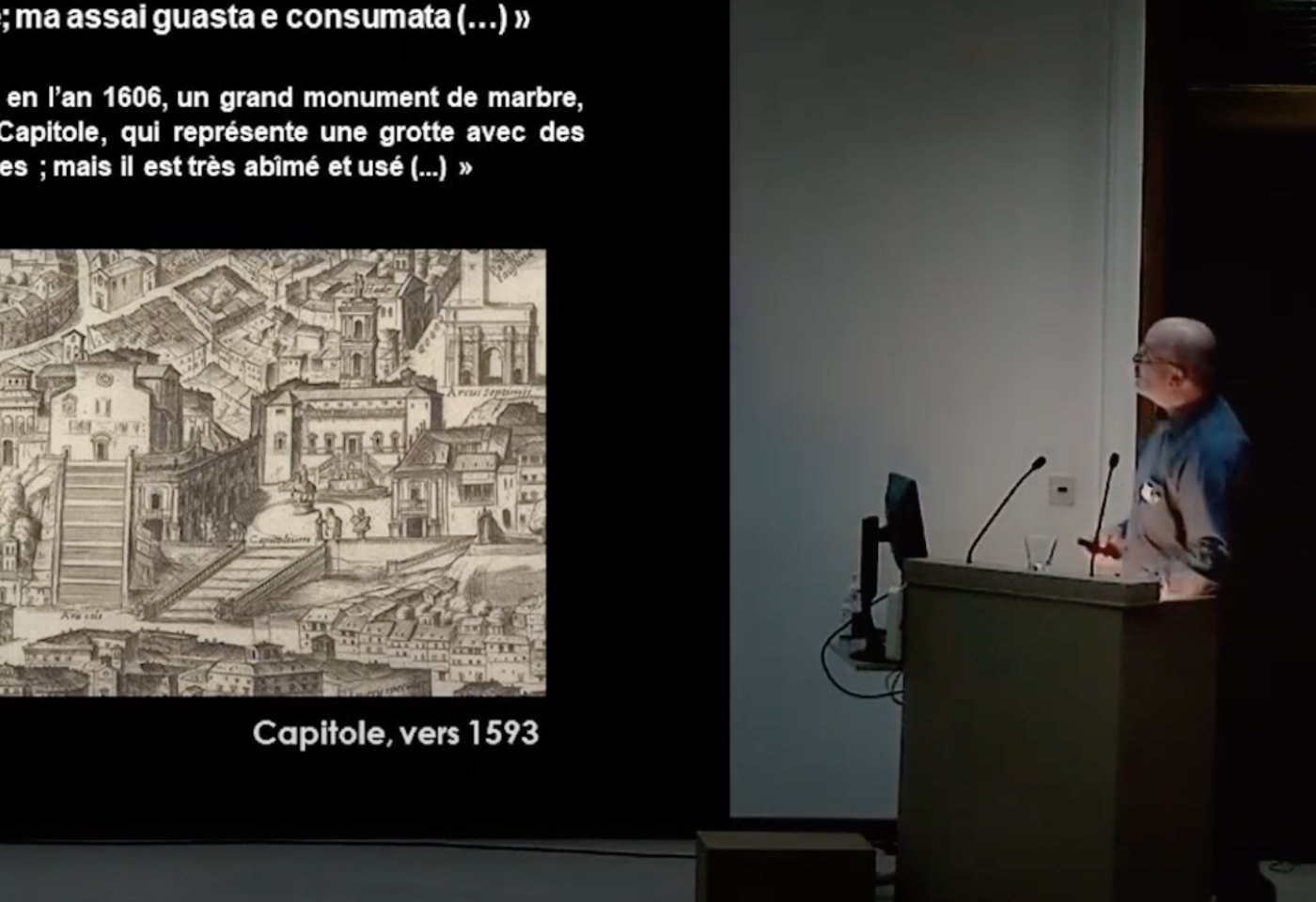
Intervention de Richard Veymiers, directeur du Musée royal de Mariemont et Laurent Bricault, de l'Université Toulouse Jean-Jaurès.
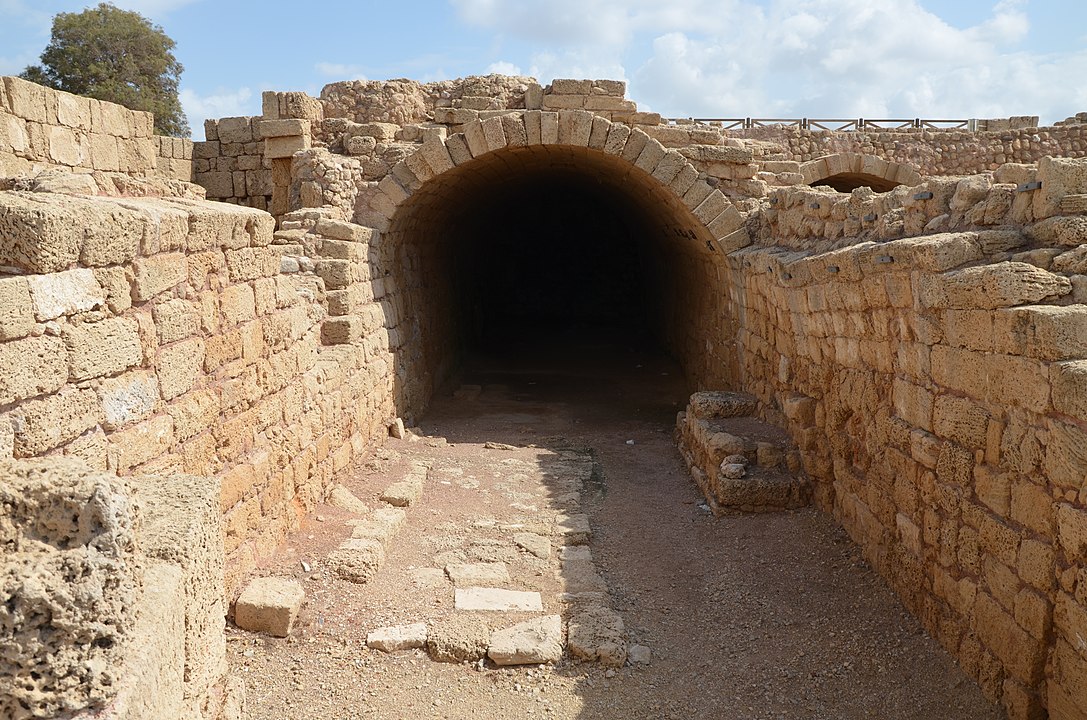
This shrine developed towards the end of 2nd century and remained active until beginning 4th.
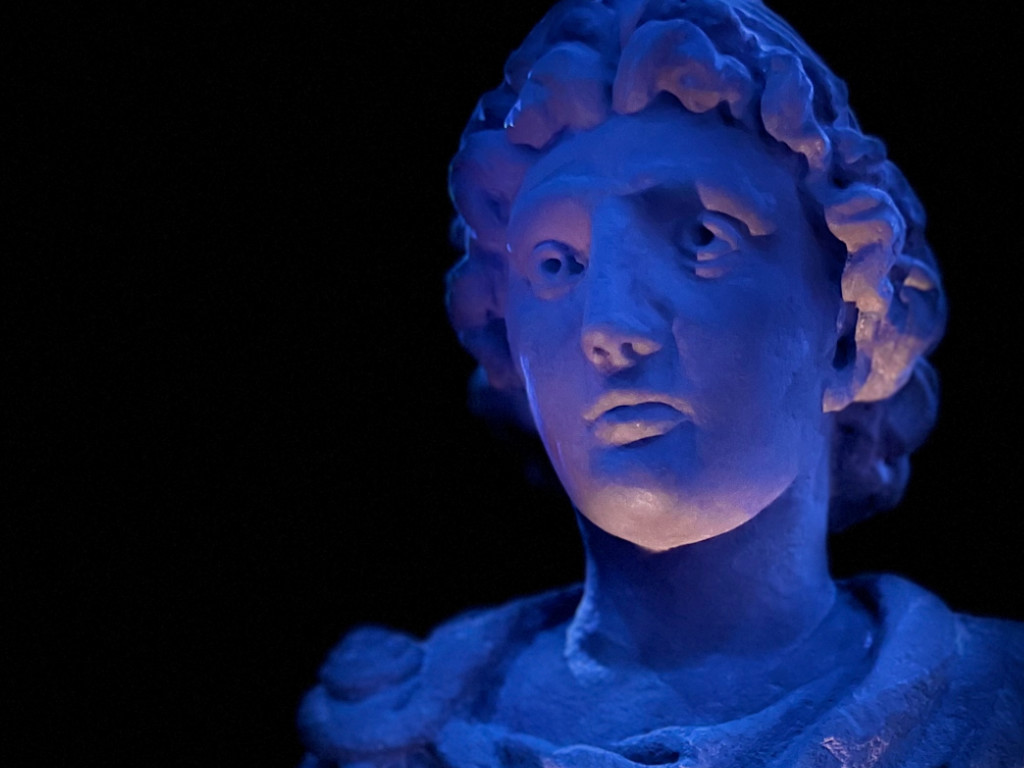
The exhibition The Mystery of Mithras opens at the Mariemont Museum in Belgium, home of Franz Cumont, the father of studies on the solar god.
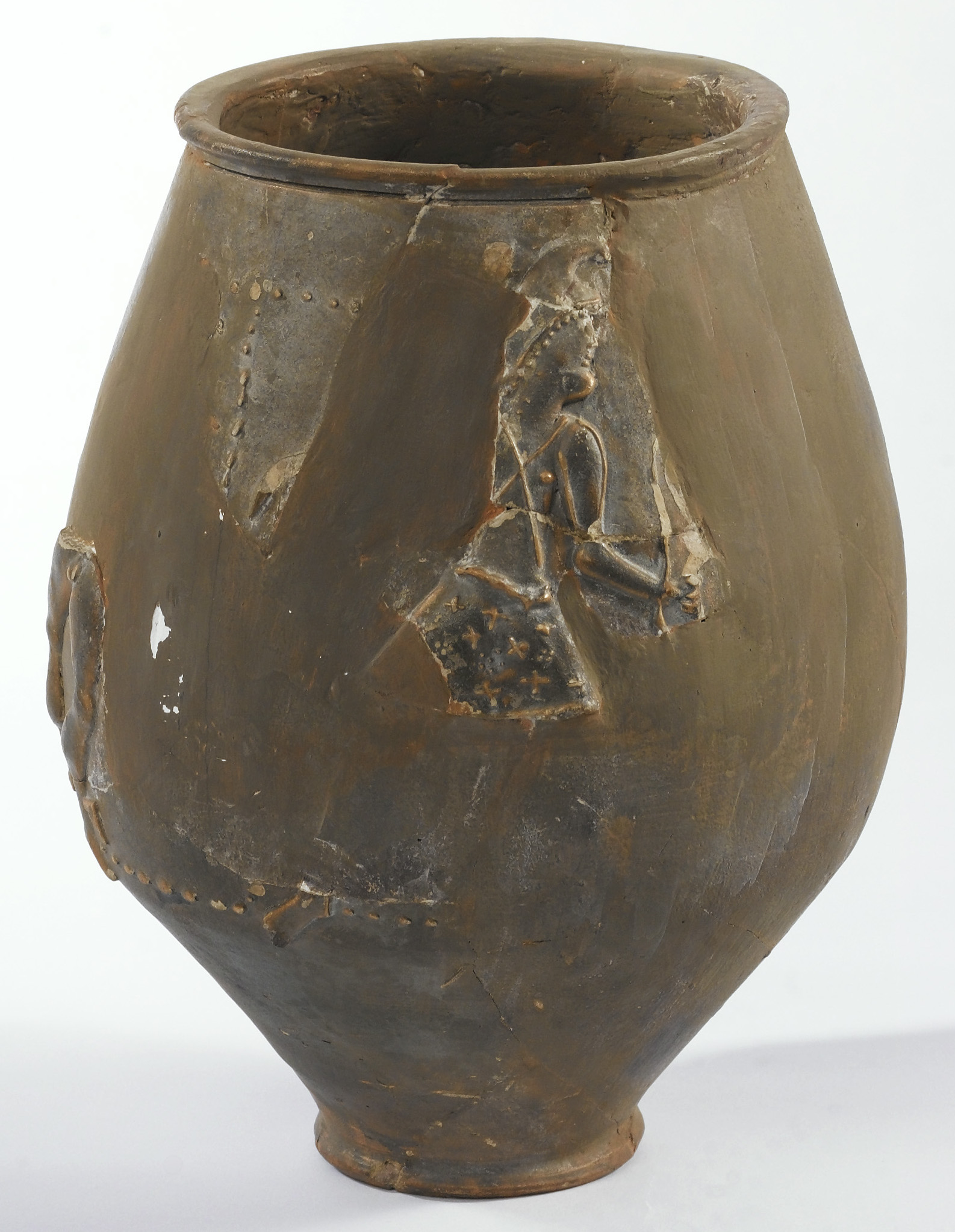
The St Albans mithraic vase depicts fragments of three figures identified by Vermaseren as Hercules, Mercury and Mithras as an archer.
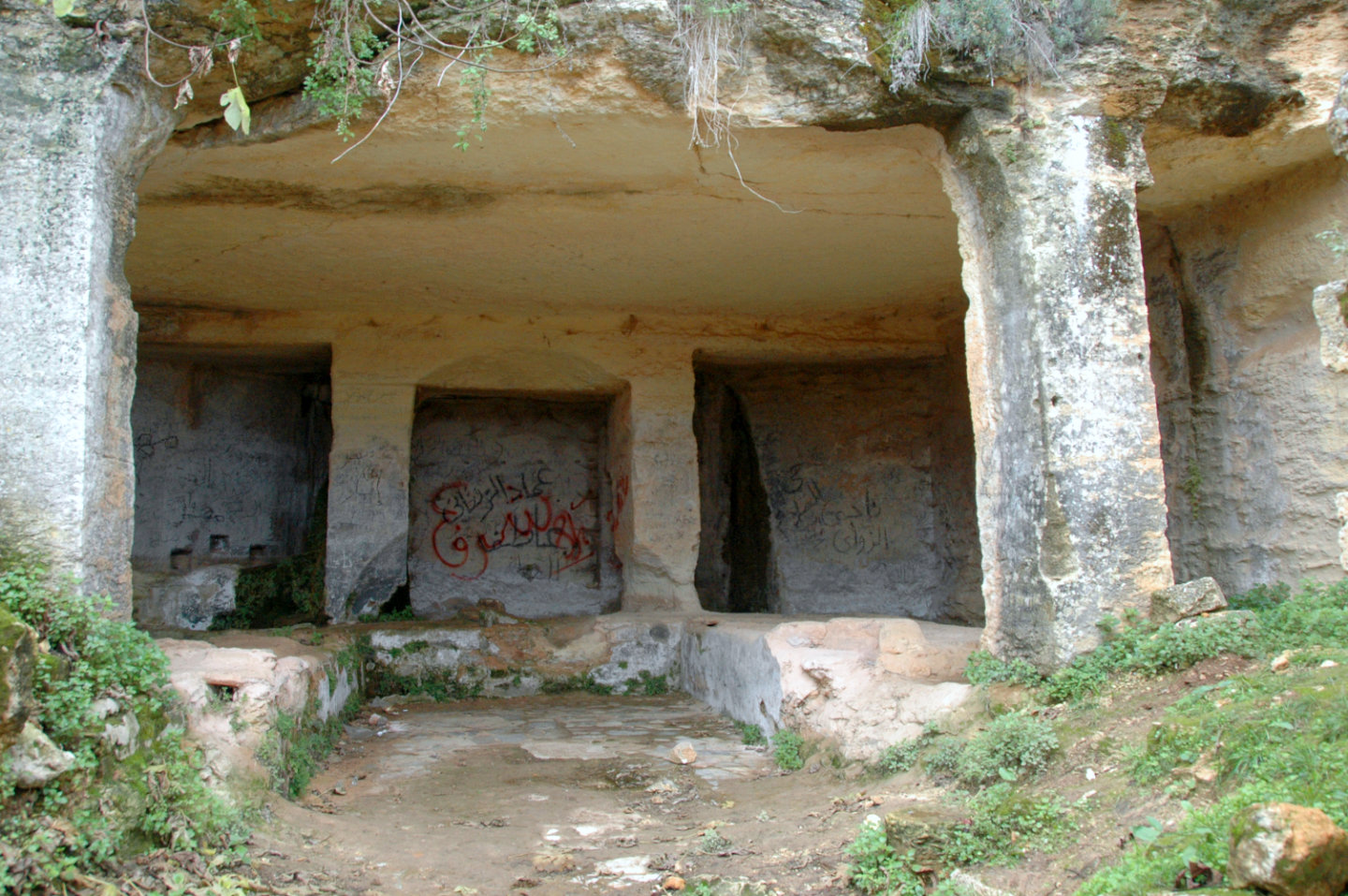
The Mithraeum of Cyrene is preserved among the remarkable ruins of the ancient capital of the Roman province of Cyrene.
