Your search Roma gave 961 results.

Altar found at Altofen in 1855, ancient Aquincum, dedicated to Deo Arimanio — Ahriman, the Zoroastrian adversary — by Libella, leo, as a votive dedication to the fratres; one of the very few Mithraic dedications to Ahriman from the Roman world.
Inscription from Mithraeum III at Carnuntum, Pannonia Superior, recording a dedication pro salute Augusti to Deo invicto by Magnius Heracla, a Roman citizen of peregrinian origin as indicated by his cognomen.
Sandstone altar decorated with ritual vessels and the hooked staff associated with Roman beneficiarii.
Group of altars and a base indicating the existence of a Mithraeum near the Roman camp of Vetera.

Colonia Ulpia Traiana Augusta Dacica Sarmizegetusa was the capital and the largest city of Roman Dacia, later named Ulpia Traiana Sarmizegetusa after the former Dacian capital, located some 40 km away. The city was destroyed by the Goths.
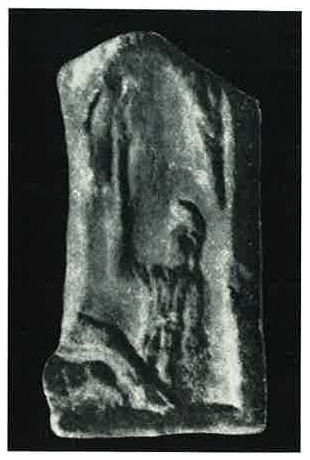
The Mithraeum of Cabra is located in the Villa del Mitra, which owes its name to the discovery in 1951 of a Mithras tauroctonus in the remains of the Roman villa.
Antioch was the capital of Roman Syria and gateway between the Mediterranean and the eastern provinces.
Roman military and religious settlement in Chersonesus Taurica occupied between the 1st and 4th centuries CE, associated with the castellum of Characis.
Nida was an ancient Roman town in the area today occupied by the northwestern suburbs of Frankfurt am Main, Germany, specifically Frankfurt-Heddernheim, on the edge of the Wetterau region.
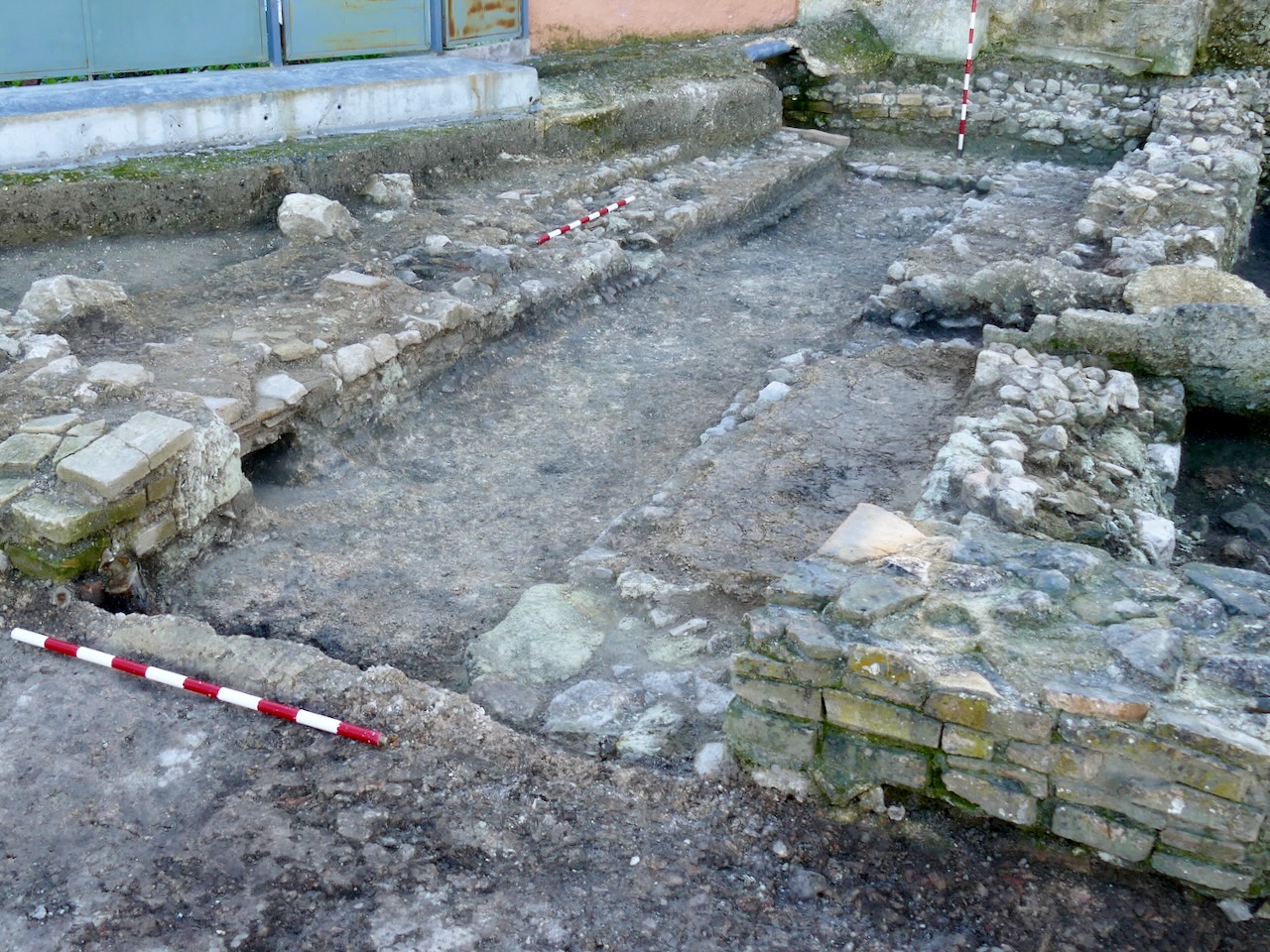
The site of Ay-Todor in Crimea revealed a Roman camp, a temple with votive offerings, and a Mithraeum.
Romula or Malva was an ancient city in Roman Dacia, later the village of Reşca, Dobrosloveni Commune, Olt County, Romania.
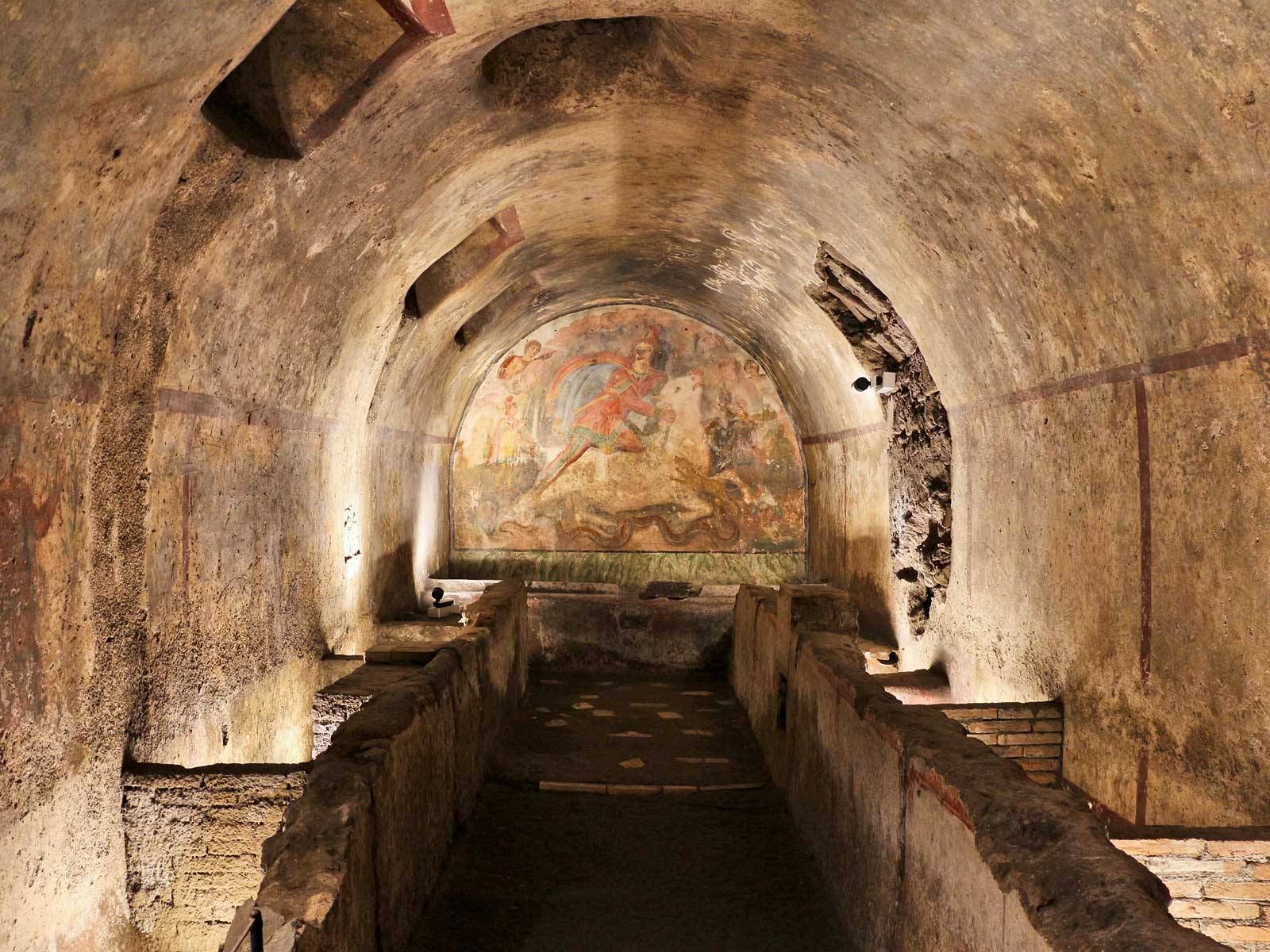
One of Roman Italy’s most important Mithraic sanctuaries, the Mithraeum at S. Maria Capua Vetere preserves a remarkable painted cycle of initiation scenes, offering rare visual evidence for the ritual life of Roman Mithaism.
The Pontiae islands, including modern Ponza, formed part of the Roman maritime landscape of Latium and preserve one of the most remarkable Mithraic sanctuaries of Roman Italy, renowned for its rare stucco zodiac and astral symbolism.
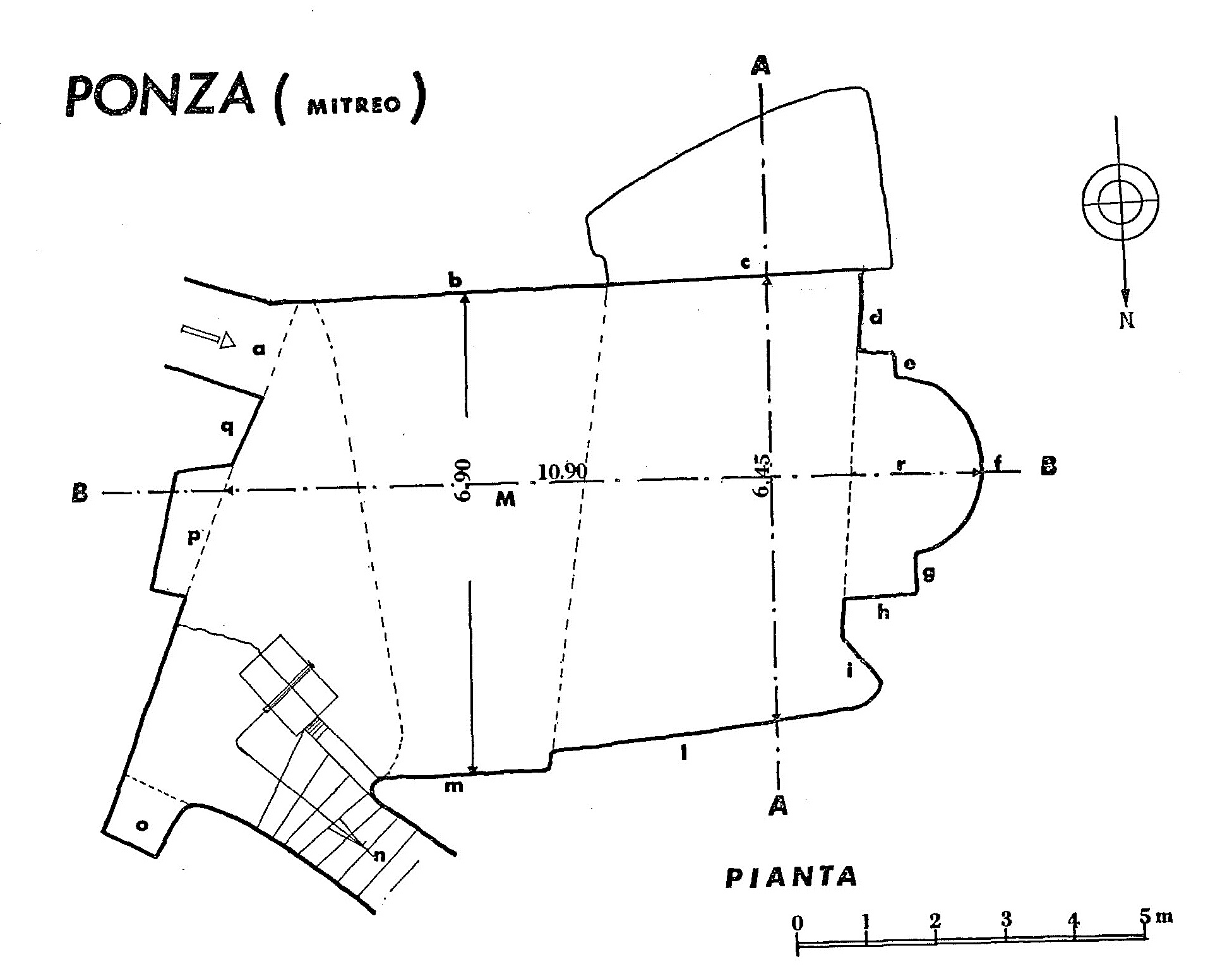
This Mithraic shrine on the island of Ponza is renowned for its exceptional stucco zodiac and astral symbolism linked to Roman Mithaism.
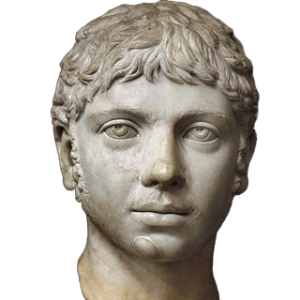
Roman emperor at the age of 14, from 218 to his death in 222, Elagabalus was a main priest of the sun god Elagabal in Emesa.
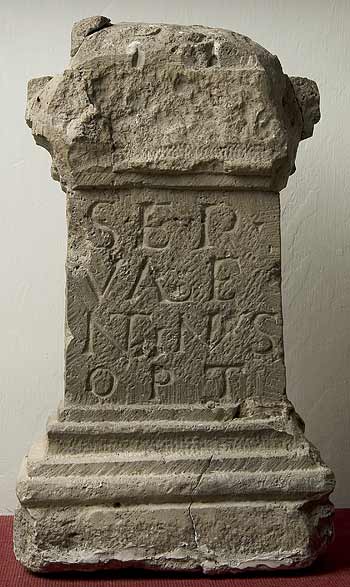
Limestone altar dedicated to Cautes by the Roman optio Septimius Valentinus, discovered in the Mithraeum of Sárkeszi in Pannonia Inferior.
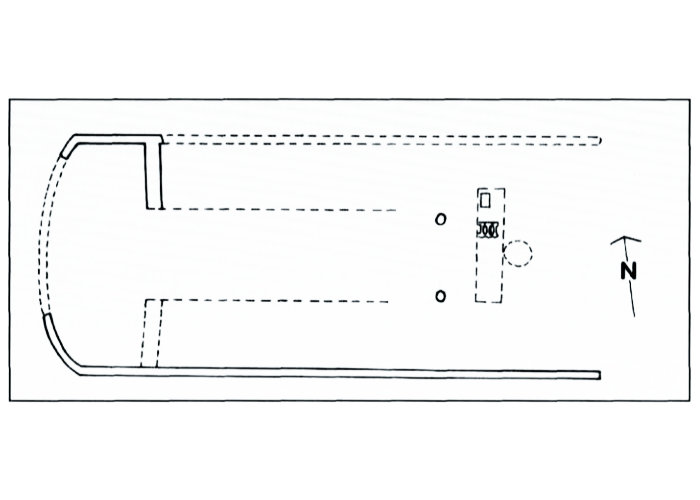
One of the largest known Mithraea in Pannonia, the sanctuary of Sárkeszi stood near the Roman road linking Herculia and Aquincum.
Sighișoara is a municipality on the Târnava Mare River in Mureș County, central Romania.
Anazarbus was an ancient Cilician city. Under the late Roman Empire, it was the capital of Cilicia Secunda.
Zuccabar was an ancient town in the Roman province of Mauretania Caesariensis.
