Your search Roma gave 961 results.
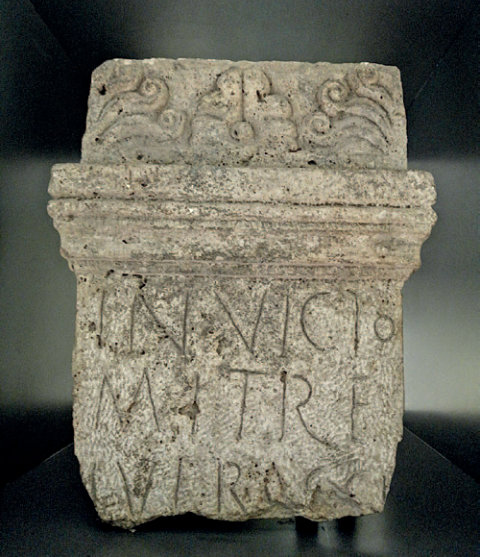
This Mithraic altar of a certain Iulius Rasci or Racci was found in 1979 in a field in Borovo, Croatia, in the area of the Roman fort of Teutoburgium.

This limestone altar dedicated to Mithras by a certain Veturius Dubitatus was found in Dalj, Croatia, in 1910.

A statue and a relief of Cautes have been found in an ancient Gallo-Roman site in the commune of Dyo.
There are no further details about this Mithraic statue from Transylvania, the historical region of central Romania.
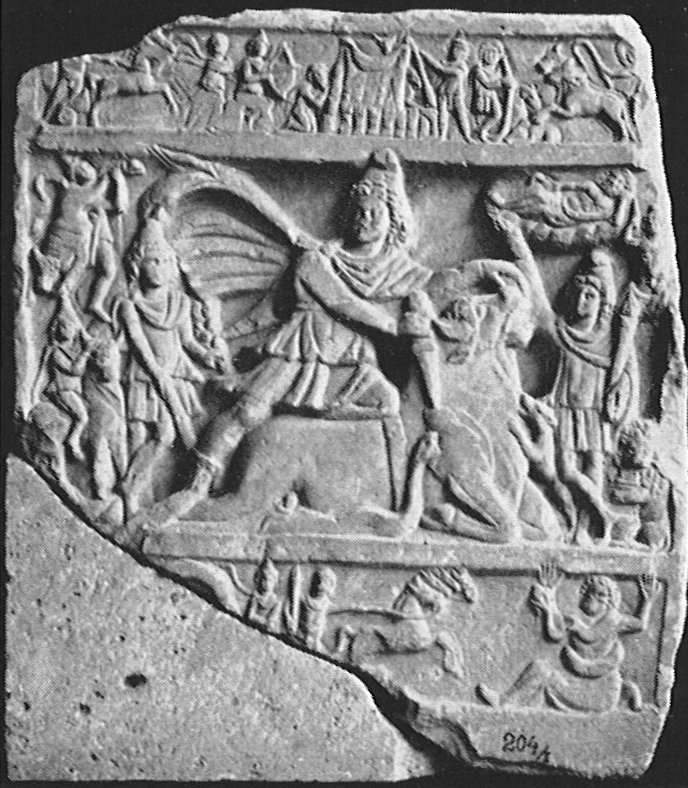
This relief of Mithras killing the bull from Apulum, now Alba Iulia, Romania, contains several scenes from the Mithras legend.
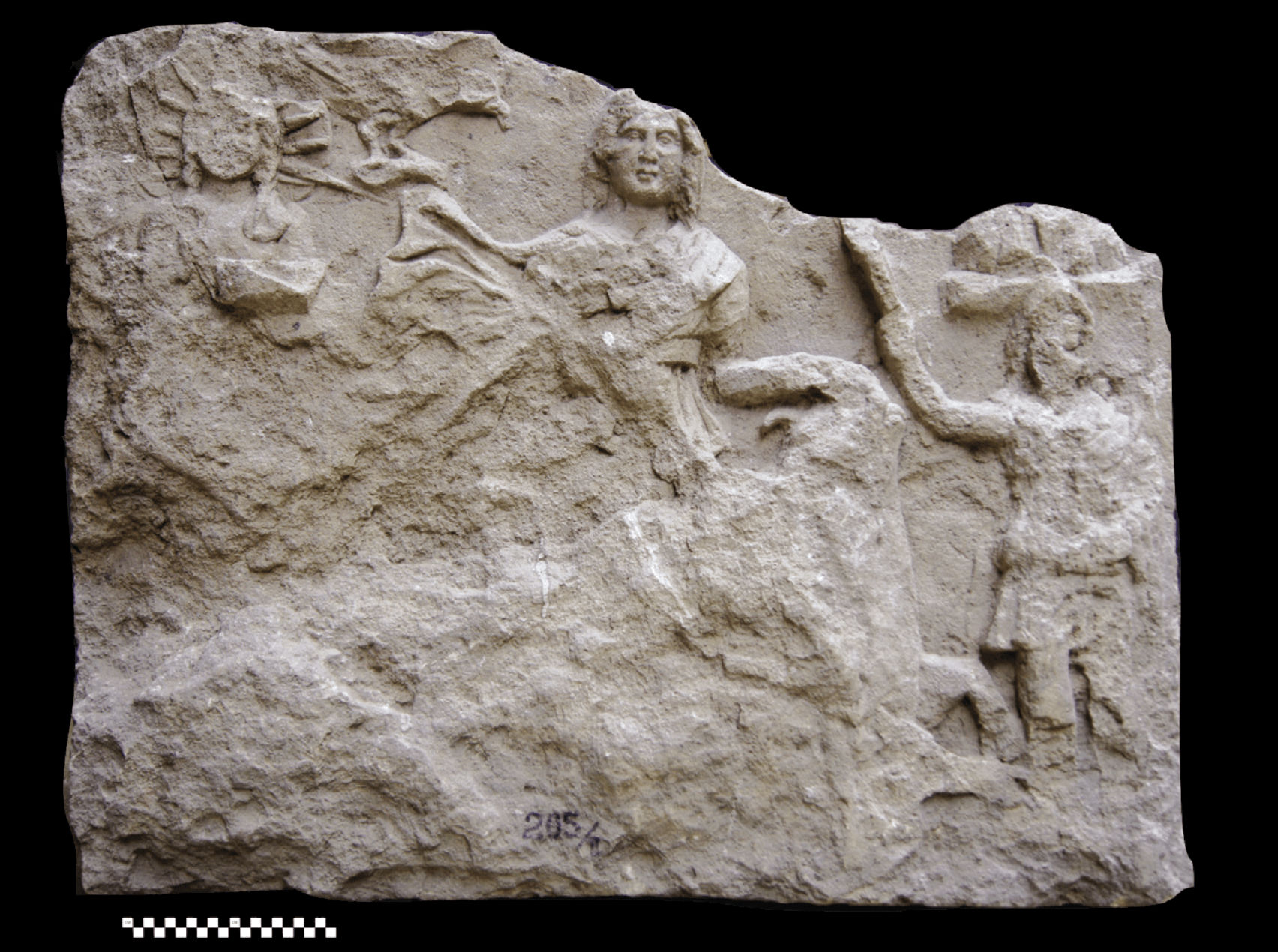
The relief of Mithra slaying the bull from Apulum, Romania, has been missing until the scholar Csaba Szabó identified it in the diposit of the Arad Museum.
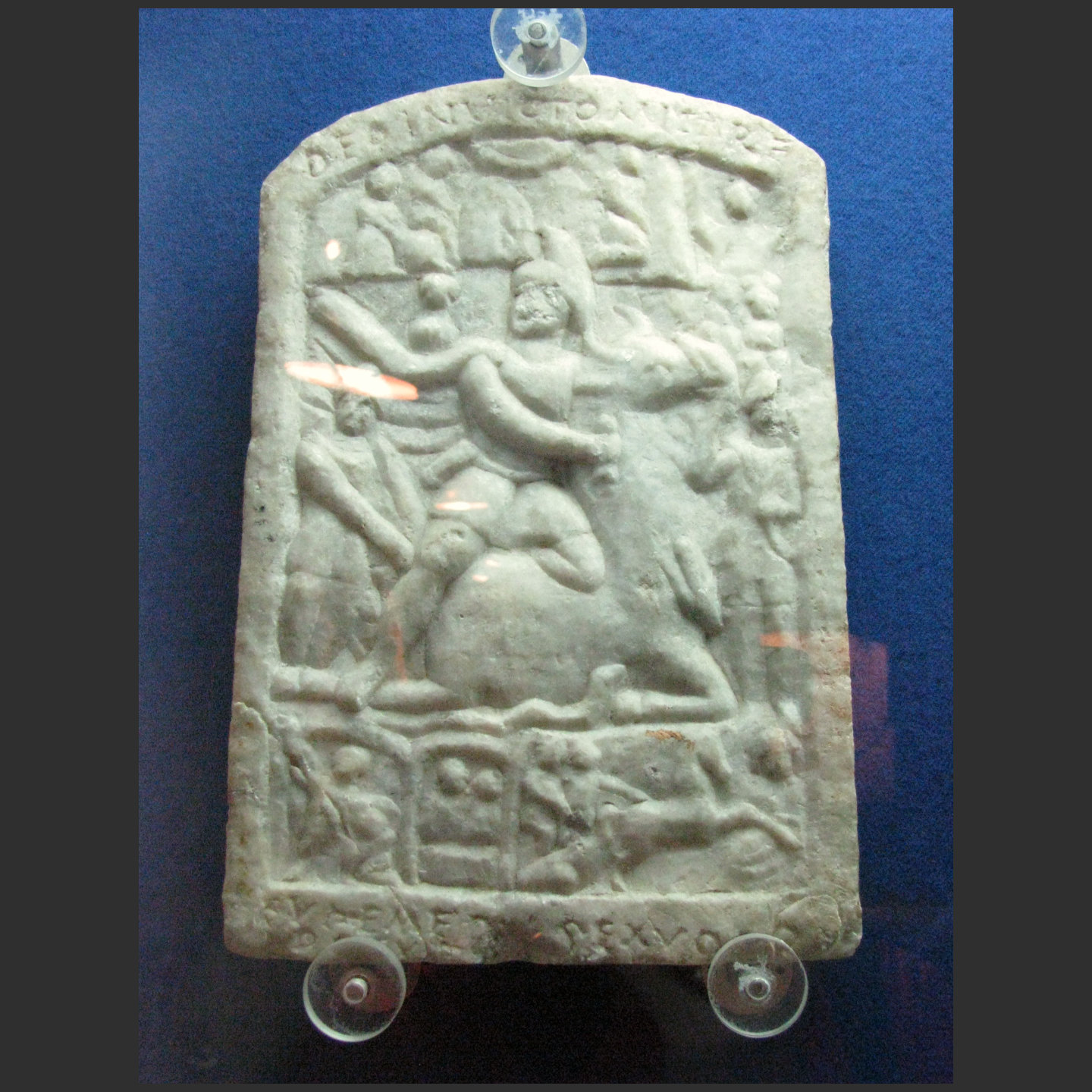
Several authors read the name Suaemedus instead of Euhemerus as the author of this mithraic relief from Alba Iulia, Romania.
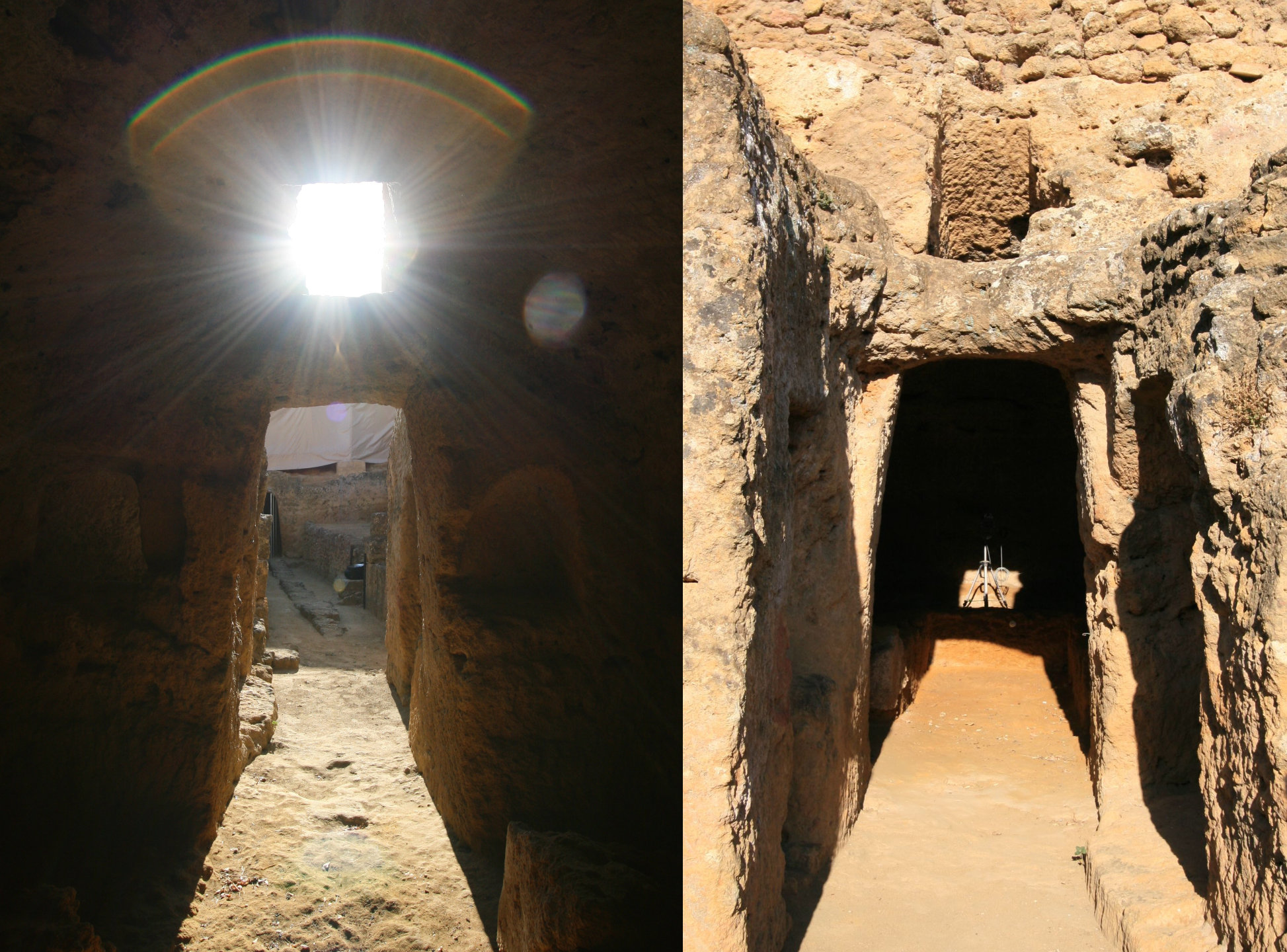
Set in a Roman necropolis, the so-called Mithraeum of the Elephant takes its name from an elephant statue found in one of the tombs.
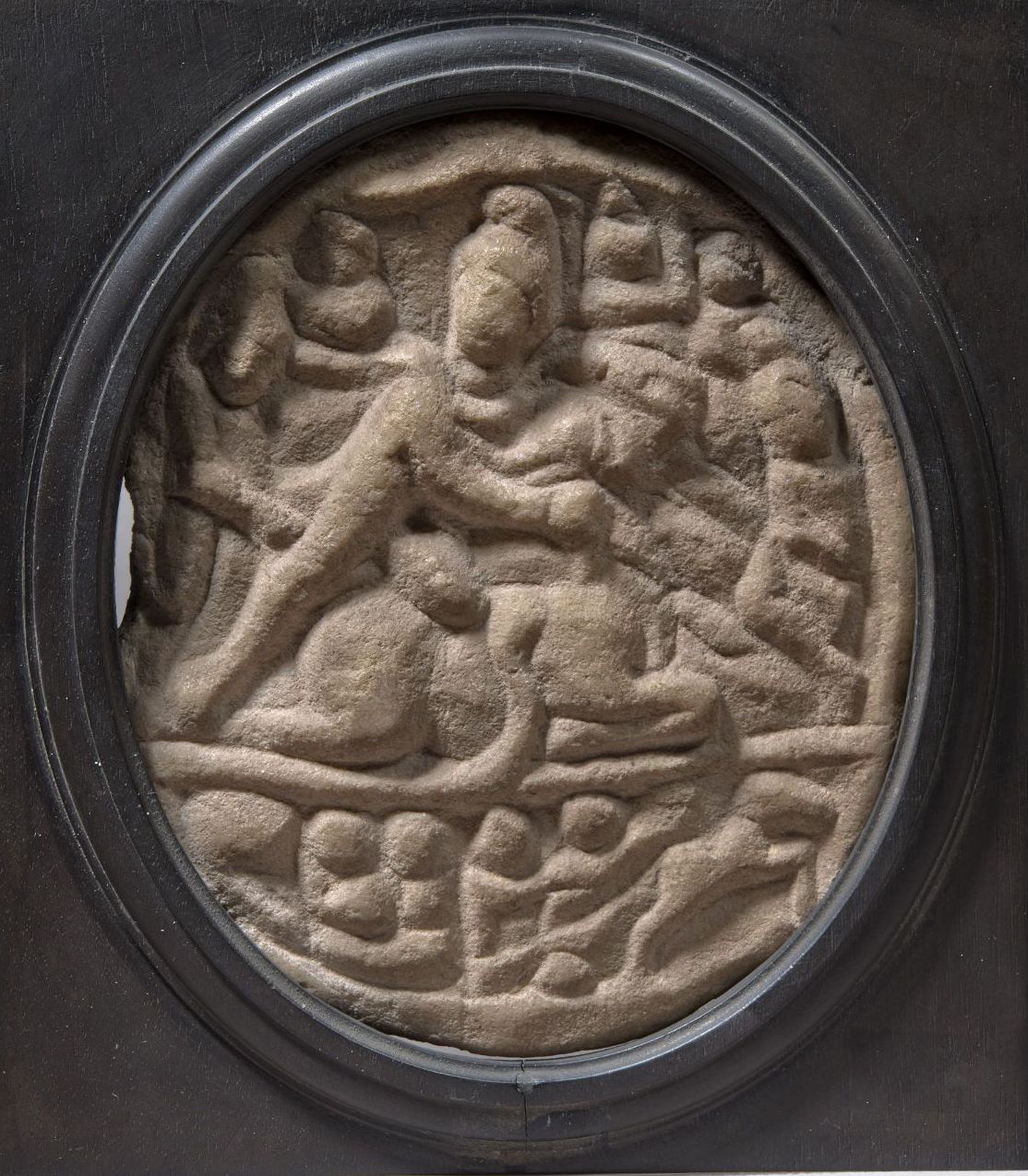
This medallion belongs to a specific category of rounded pieces found in other provinces of the Roman world.
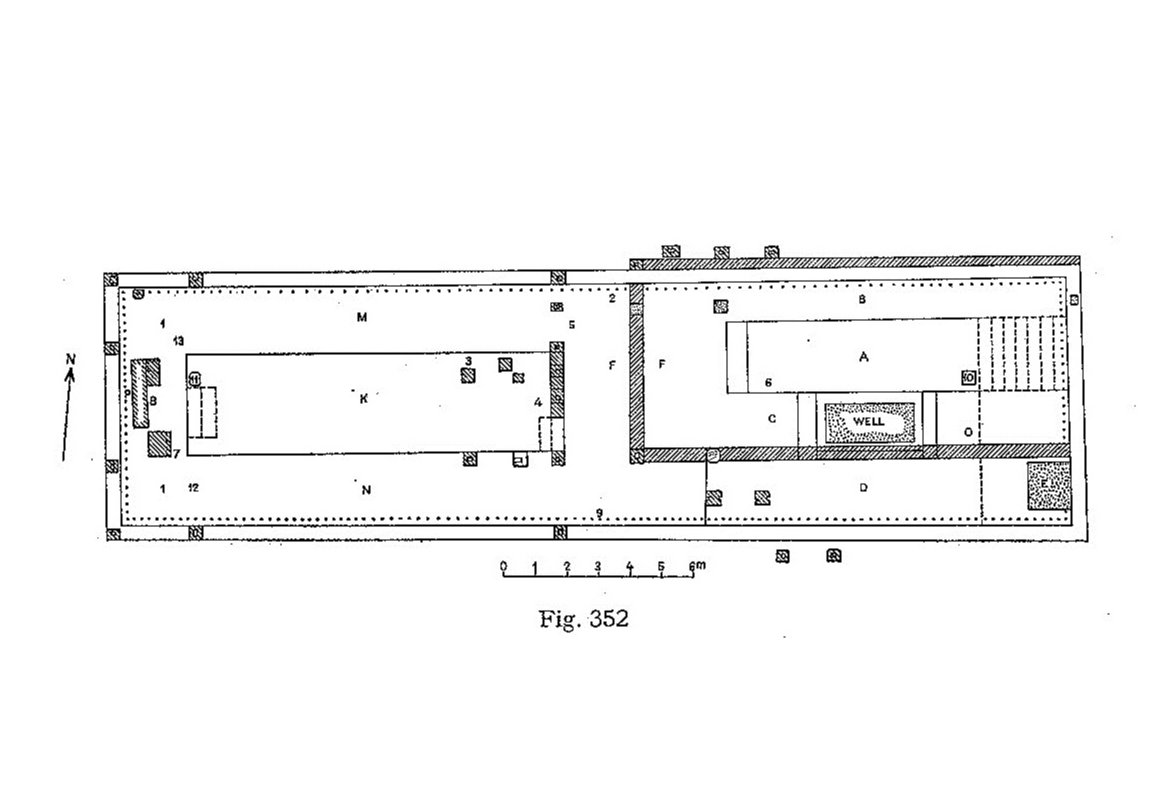
Lors de la construction de l’église Saint-Paul en 1911, un mithraeum a été mis au jour à Königshoffen, vicus gallo-romain situé aux abords du camp légionnaire de Strasbourg-Argentorate.
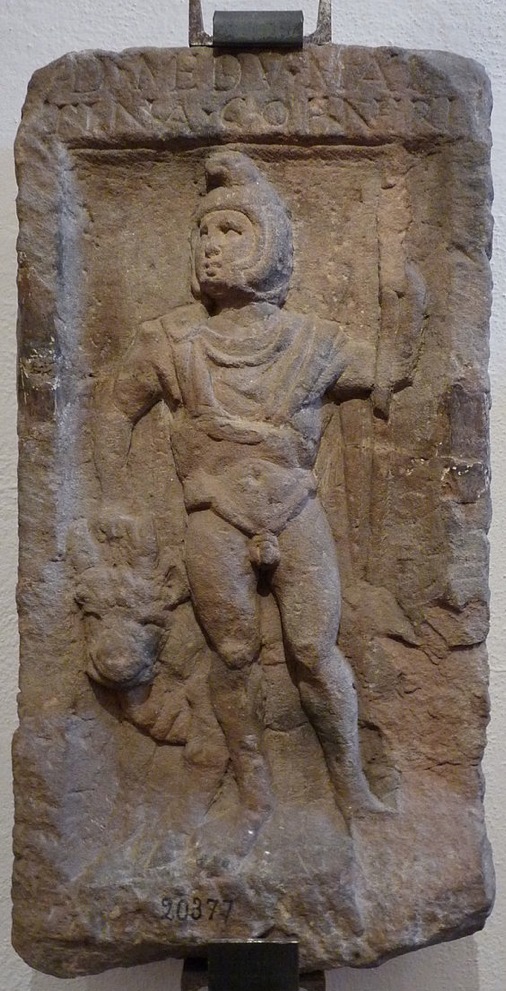
The relief of naked Roman soldier, wearing a mantle and a Phrygian cap, has been related to the Mithras' cult.
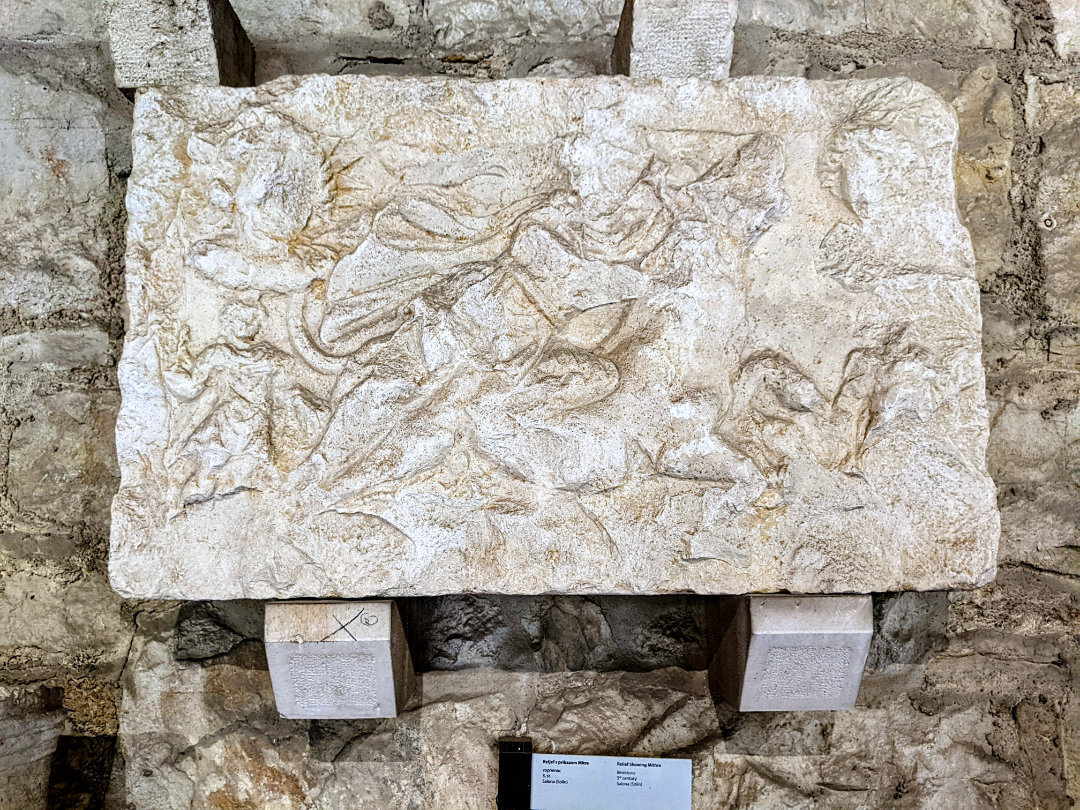
This relief of Mithras killing the sacred bull was found in 1908 near Klisa, in the surroundings of Salona, the ancient capital of Roman Dalmatia.
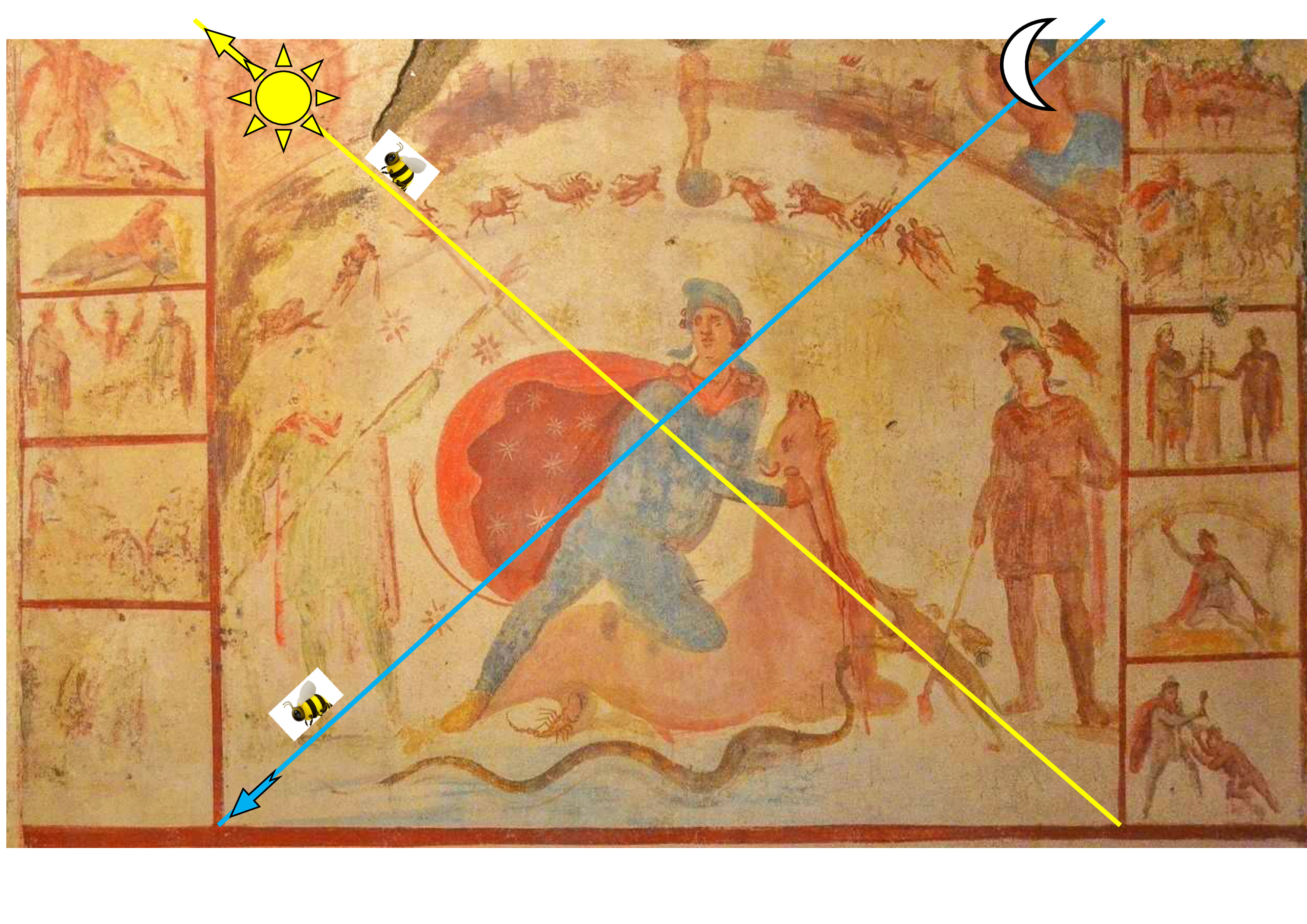
hello friends , i am a Leo into my mitraeum of Pons Saravis ( Sarrebourg). I saw the fresco of Barberini mithreaum in Roma. I found it very Platonic

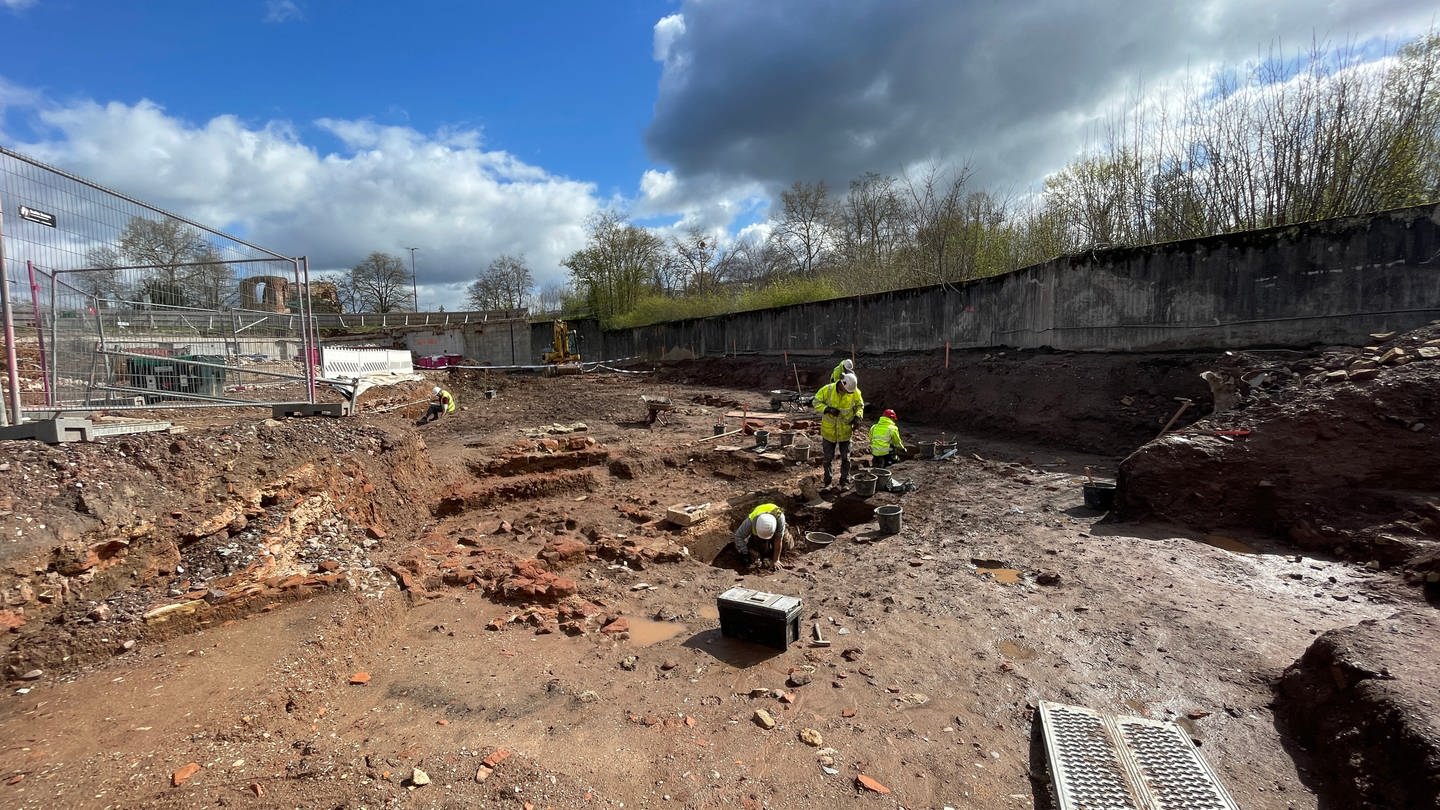
A place of worship for the Roman god of light Mithras was discovered during archaeological excavations in Trier. This includes a larger relief.

In this article, Chalupa examines the scant evidence that has been found for the presence of women in the Roman cult of Mithras.
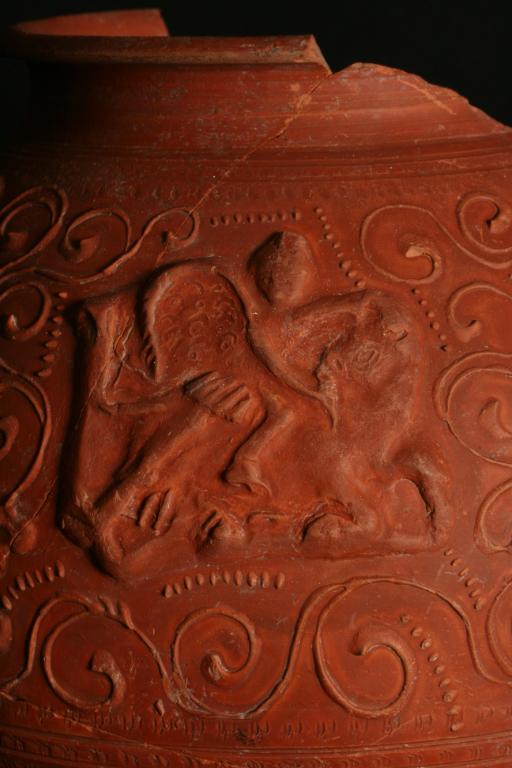
Musée Saint-Raymond, musée d'Archéologie de Toulouse, associate curator of the exhibition Le mystère Mithra, plongée au cœur d'un culte romain.
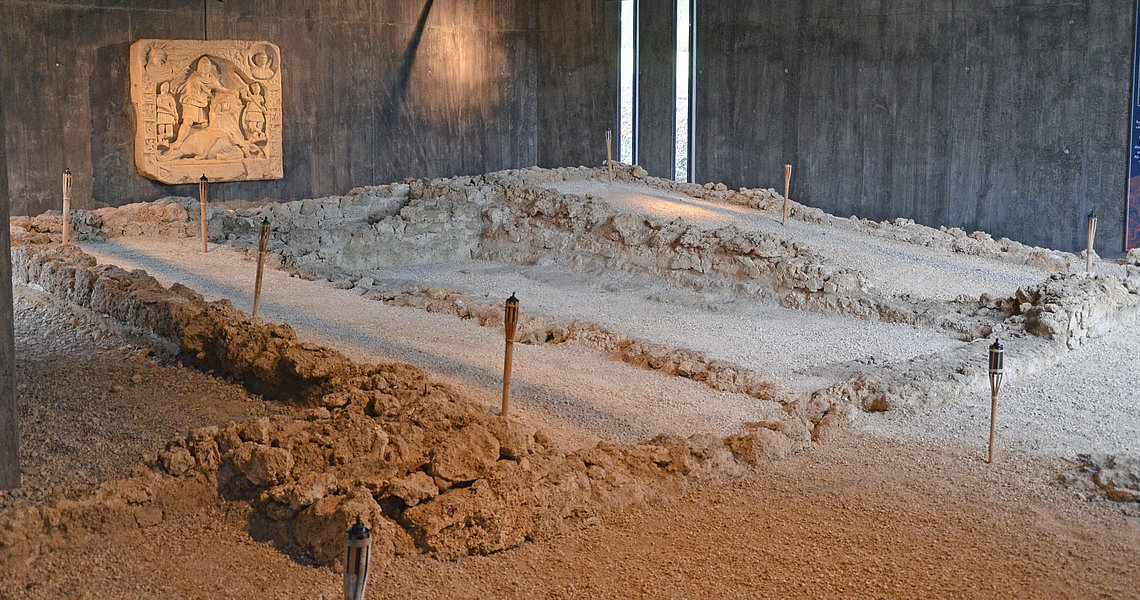
The Mithraeum of Koenigsbrunn is the only one preserved in the ancient Roman province of Rhaetia, current Bavaria.

Dutch historian, born in 1918 and deceased in 1985. He was a specialist in the history of religions, especially the Eastern cults in the Roman Empire. A prolific writer, best known for his Corpus inscriptionum et monumentorum religionis Mithriacae.
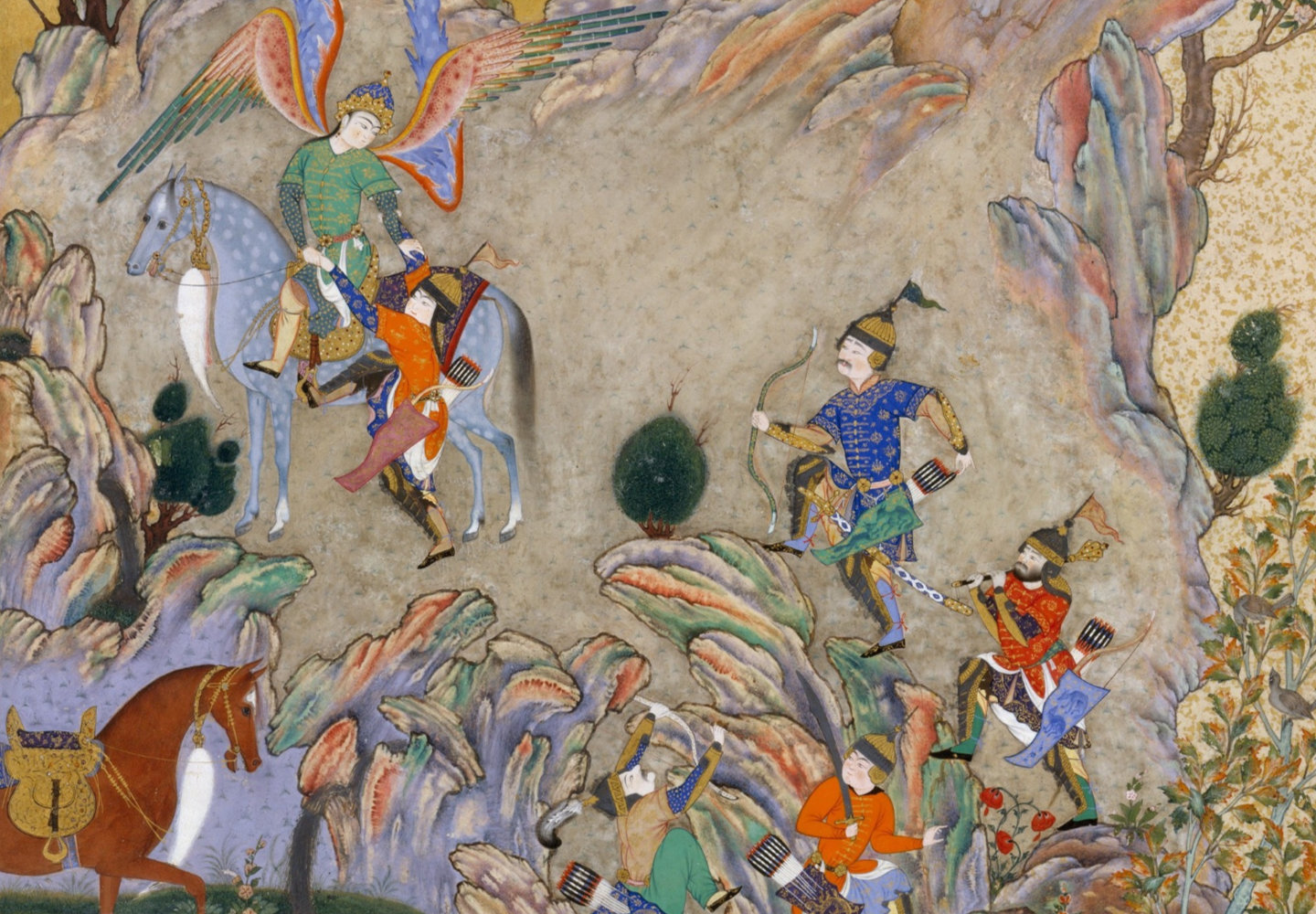
We propose to revisit a passage by the prolific author Marteen Vermaseren that highlights correspondences today forgotten between the Roman Mithras and its Eastern counterparts.
