Your search Roma gave 961 results.
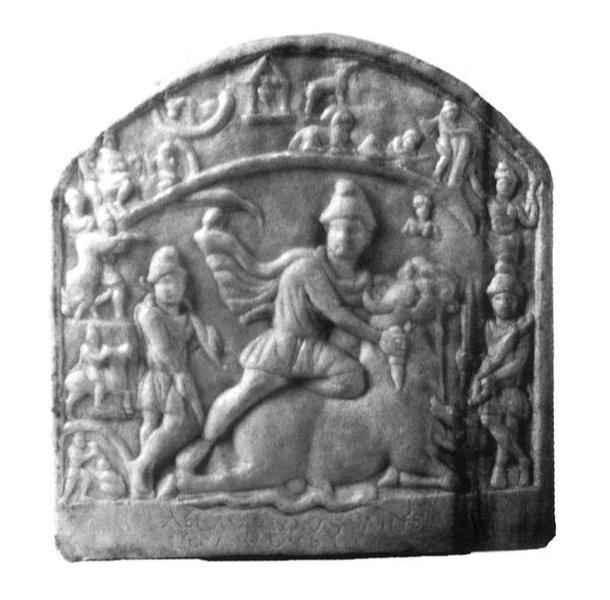
This small relief of Mithras killing the bull was found in 1859 in Turda, in the Cluj region of Romania.
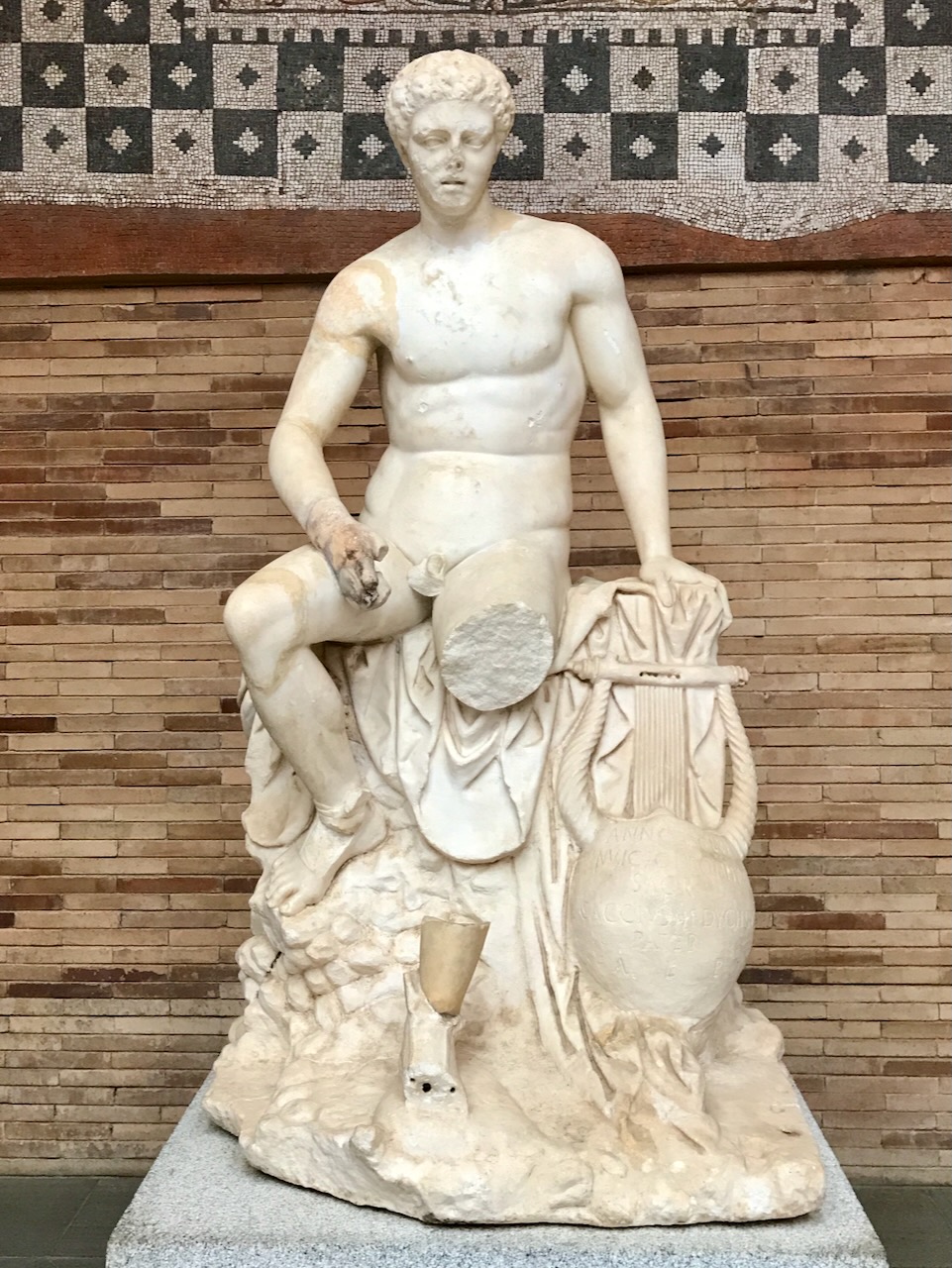
The statue of Mercury in Merida bears a dedication from the Roman Pater of a community in the city in 155.
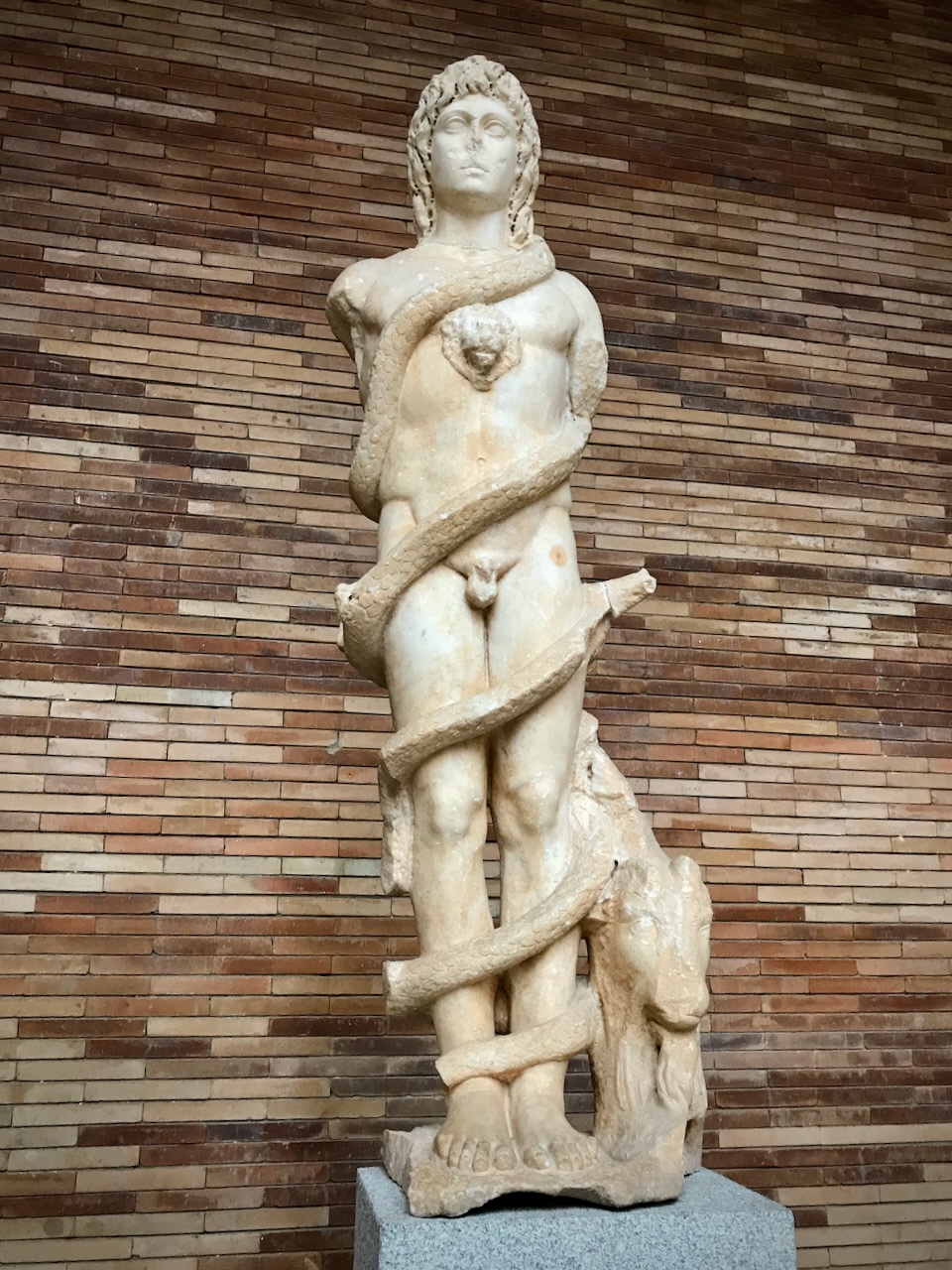
The Aion-Chronos of Mérida was found near the bullring of the current city, once capital of the Roman province Hispania Ulterior.

This Mithraic temple, now disappeared, is known thanks to the numerous remains recorded since 1594 in the 'Memorie di varie antichità trovate in diversi luoghi della città di Roma'.

This small cippus to Zeus, Helios and Serapis includes Mithras as one of the main gods, although some authors argue that it could be the name of the donor.
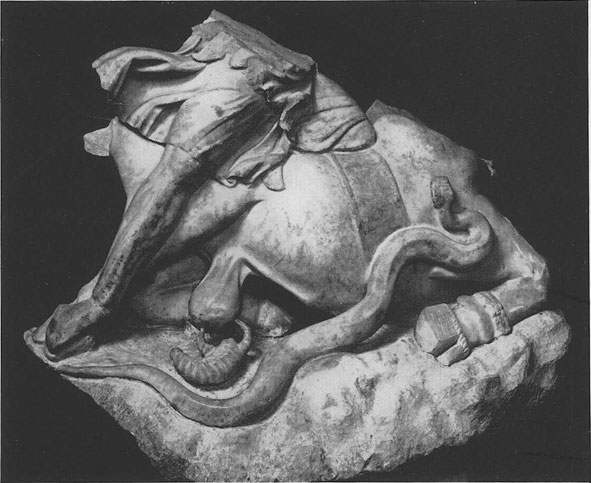
Partial marble statue of Mithras as a bullkiller found near Viale Latino, about 200 meters from Porta San Giovanni.

This white marble relief of Mithras killing the bull was found on the Esquilino near the Church of Saint Lucy in Selci in Rome.
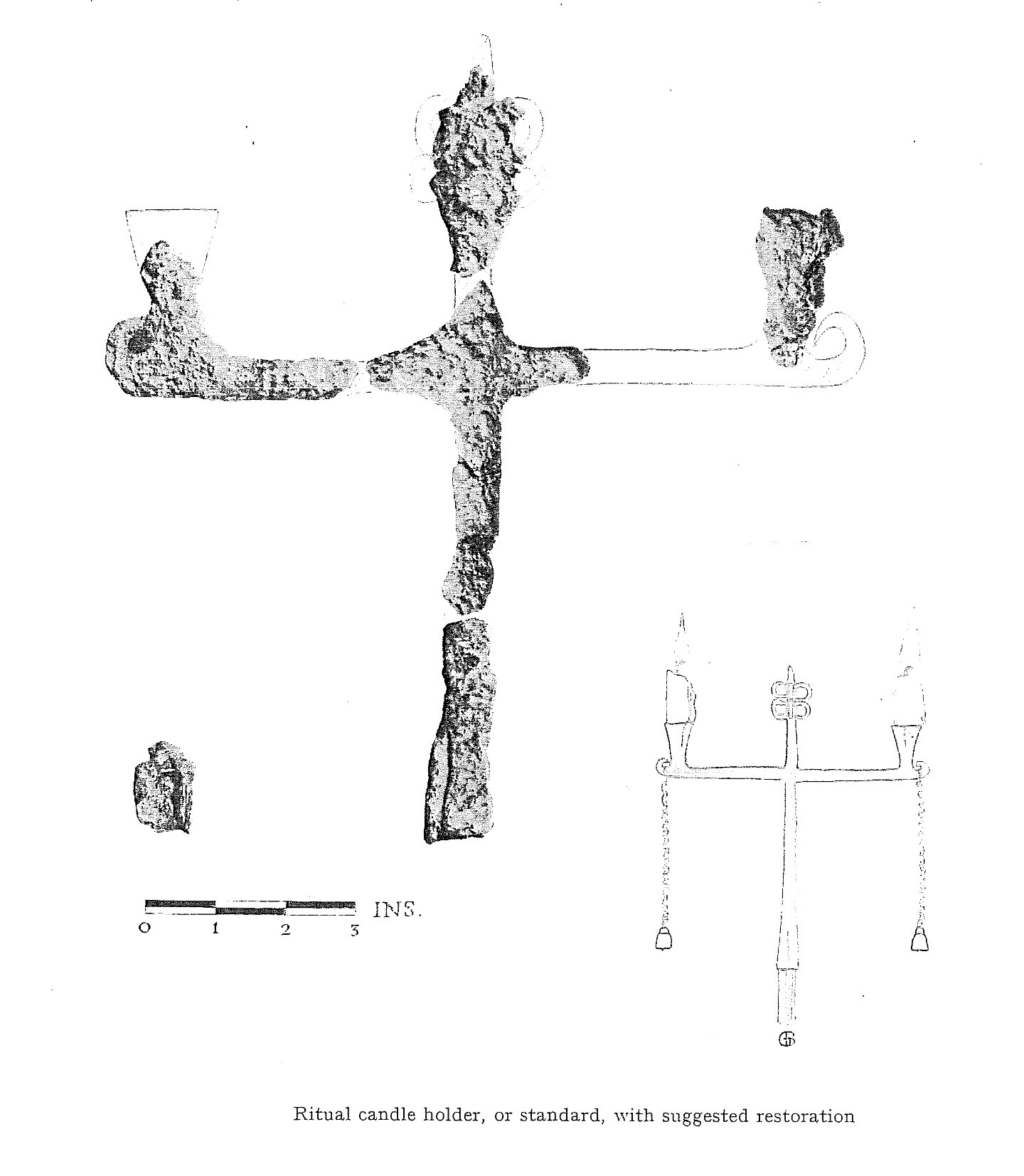
The Caernarfon candelabrum is a reconstruction of several iron pieces found in the Mithraeum of Caernarfon.

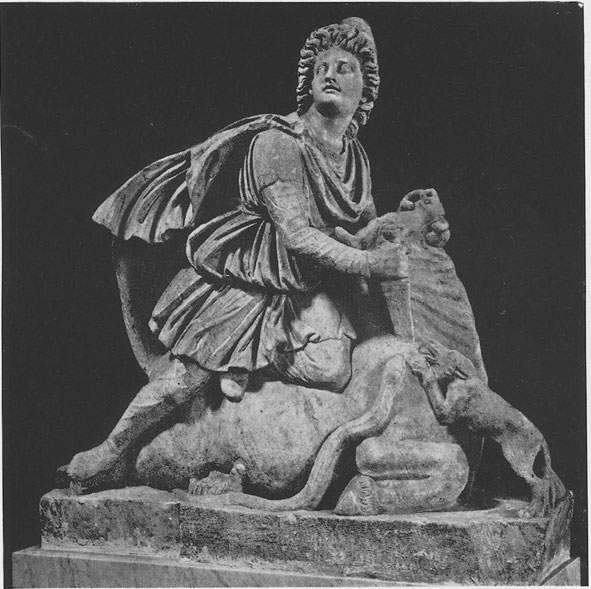
White marble statue found near the Scala Santa in Rome depicting Mithras as bull-slayer, accompanied by the dog, serpent and scorpion, with the bull’s tail ending in ears of grain.

Fragment of a marble relief (H. 0.27 Br. 0.38 D. 0.045).

Relief possibly depicting Mithras-Men holding a torch and a a bust of Luna on a crescent.

Fragment of a white statue depicting a naked god entwined by a serpent with its head on his chest, found in the River Tiber.
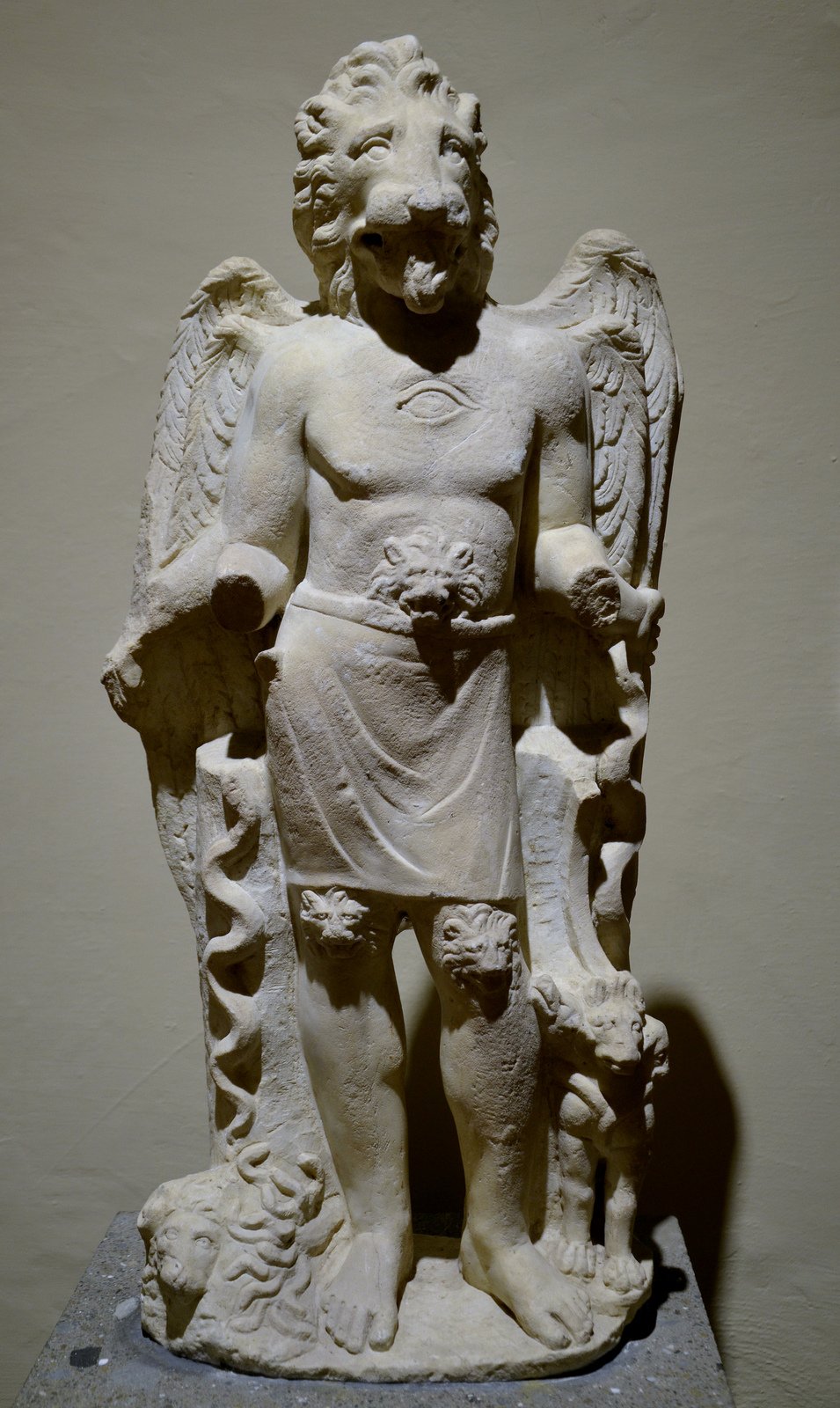
This lion-headed marble was found on the ruins of the Alban Villa of Domitianus.
Only a fragment of this marble group of Mithras killing the bull remains.
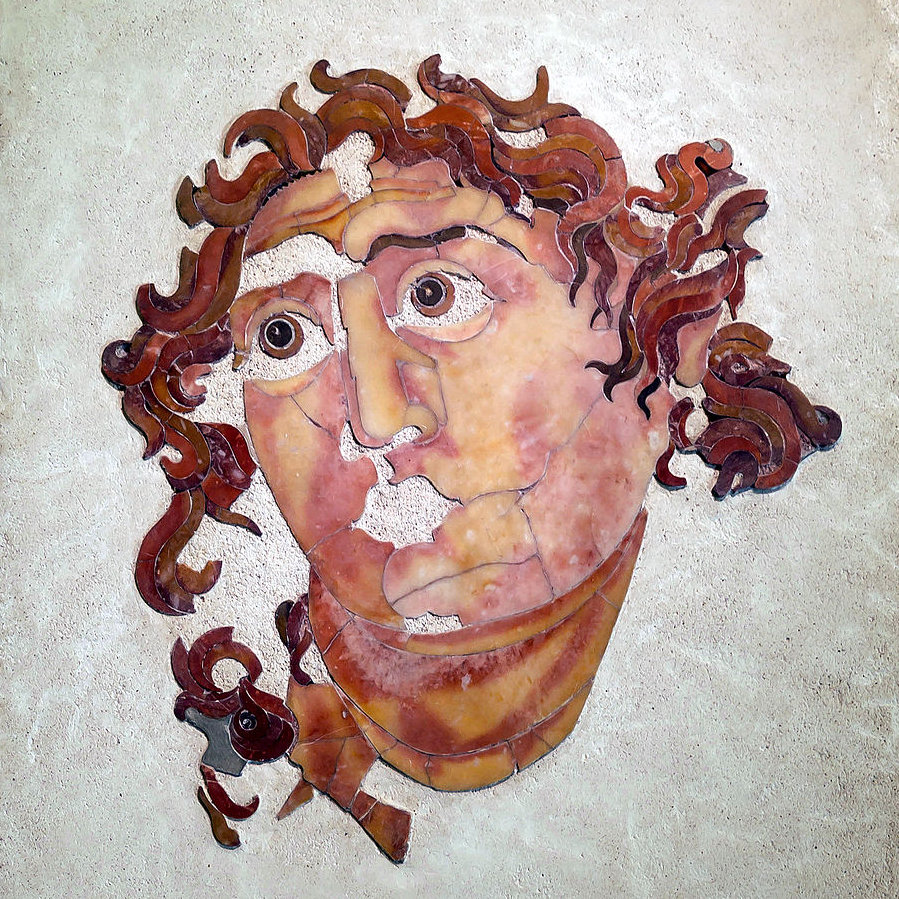
The intarsium of Sol found in the Mithraeum of Santa Prisca is composed of several varieties of marble.

Veteran and ex duplicarius of ala I civum Romanorum who dedicated an altar to Mithras in Teutoburgium.
Imperial slave and an overseer of the Imperial estates who dedicated a Tauroctony to the Invincible god Sol.

Senator and Pater Sacrorum of Mithras, who consecrated several monuments in Rome in the late 4th century.